![Top Picks: Best Small Woodworking Tools [Guide]](data:image/svg+xml;base64,PHN2ZyB4bWxucz0iaHR0cDovL3d3dy53My5vcmcvMjAwMC9zdmciIHdpZHRoPSI0NzQiIGhlaWdodD0iNTYiIHZpZXdCb3g9IjAgMCA0NzQgNTYiPjxyZWN0IHdpZHRoPSIxMDAlIiBoZWlnaHQ9IjEwMCUiIHN0eWxlPSJmaWxsOiNjZmQ0ZGI7ZmlsbC1vcGFjaXR5OiAwLjE7Ii8+PC9zdmc+ "Top Picks: Best Small Woodworking Tools [Guide] Step-by-Step Guides, Tools & Inspiration to Build Beautiful Wooden Decor on a Budget")
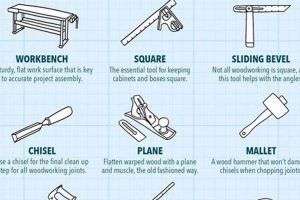
Essential instruments, optimized for portability and precision in detailed projects, constitute a specific category of woodworking implements. These instruments typically prioritize compact dimensions and ergonomic design, facilitating ease of use and maneuverability in confined workspaces. An example is a miniature block plane, designed for fine-tuning joinery or chamfering edges on smaller workpieces.
The utilization of appropriately sized and high-quality equipment offers several advantages. Enhanced control contributes to improved accuracy and reduced material waste. The lightweight nature minimizes fatigue during extended use. Historically, these tools were favored by artisans in mobile professions, such as luthiers and cabinetmakers working on-site, highlighting their enduring utility and practical design principles.
An examination of optimal choices necessitates a breakdown by tool type and specific application. Subsequent sections will explore selections within measuring instruments, hand saws, carving implements, and fastening solutions, considering both performance and spatial efficiency.
Optimizing the Selection and Application of Compact Woodworking Instruments
Effective utilization of space-saving woodworking implements requires careful consideration of several factors. The following recommendations aim to enhance precision, efficiency, and overall project quality when working with these specialized tools.
Tip 1: Prioritize Quality over Quantity: Invest in fewer, higher-quality instruments rather than acquiring a large assortment of inferior products. Durable materials and precise manufacturing contribute to longevity and consistent performance.
Tip 2: Maintain Sharp Cutting Edges: Regardless of size, sharpness is paramount. Regularly hone and sharpen blades on planes, chisels, and saws to ensure clean cuts and prevent splintering. Use appropriate sharpening stones and honing guides.
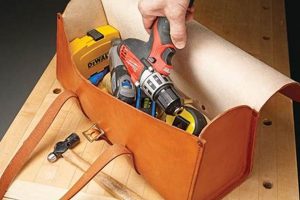
Tip 3: Optimize Workspace Organization: Implement a storage system that maximizes accessibility and minimizes clutter. Wall-mounted racks, drawer organizers, and portable toolboxes enhance efficiency and reduce the risk of damage.
Tip 4: Select Tools Specific to Project Needs: Avoid using inappropriately sized tools for tasks they are not designed for. Choose instruments with dimensions and functionality suited to the scale and complexity of the project.
Tip 5: Practice Proper Technique: Master the correct grip, stance, and motion for each instrument. Poor technique diminishes accuracy and increases the risk of injury. Consult instructional resources and practice regularly.
Tip 6: Calibrate Measuring Instruments Regularly: Ensure accuracy by periodically verifying the calibration of rulers, squares, and marking gauges. Inaccurate measurements undermine the integrity of the entire project.
Tip 7: Consider Ergonomic Design: Opt for instruments with handles and grips designed to minimize strain and fatigue. Ergonomic features enhance comfort and control during prolonged use.
Adherence to these guidelines promotes accurate and efficient woodworking, even within limited workspaces. Selecting tools strategically and maintaining them meticulously translates to higher-quality results and improved project outcomes.
The succeeding segment will address specific tool categories, highlighting leading manufacturers and innovative designs relevant to space-conscious woodworkers.
1. Precision

The intrinsic relationship between precision and the selection of space-conscious woodworking implements warrants specific attention. Superior accuracy in measurement and execution is not merely desirable but fundamentally necessary for achieving professional-grade results, especially when working with limited material allowances and intricate designs. Inadequate precision, stemming from substandard tools, inevitably leads to cumulative errors, resulting in misaligned joints, structural instability, and aesthetic deficiencies. The employment of accurately calibrated instruments, such as miniature precision squares and marking gauges, directly mitigates the likelihood of such errors.
Consider, for instance, the construction of a dovetailed drawer using compact tools. The accurate marking and cutting of dovetails, crucial for both strength and visual appeal, necessitate precise chisels and saws. Deviations of even a fraction of a millimeter can compromise the integrity of the joint, requiring time-consuming rework or rendering the component unusable. Similarly, when fitting intricate inlay work on a small jewelry box, precise measuring tools are essential to avoid gaps or overlaps. This directly impacts the quality and overall value of the finished product.
In summary, precision constitutes an indispensable attribute when evaluating tools for compact woodworking applications. The initial investment in high-quality, precisely manufactured instruments ultimately proves cost-effective by minimizing material waste, reducing rework, and ensuring structural integrity. Understanding the cause-and-effect relationship between tool precision and project outcome is paramount for achieving professional-caliber results in limited workspaces. This emphasis underscores the importance of considering this aspect during the purchasing process.
2. Portability
Portability, a definitive characteristic of instruments deemed optimal for woodworking in restricted environments, exerts significant influence on project feasibility and workflow efficiency. The inherent compactness and reduced weight facilitate transportation and deployment in diverse locations, including apartments, workshops with limited square footage, or job sites necessitating on-the-spot modifications. The selection of readily transportable tools enables woodworkers to undertake projects previously constrained by spatial limitations. Inversely, the absence of portability inherently restricts the scope and accessibility of woodworking endeavors.
The impact of portability extends beyond mere convenience; it directly affects operational logistics. Consider a carpenter undertaking repairs within a historic building where maneuvering large equipment is impractical. A compact tool kit, encompassing a miniature block plane, small set of chisels, and a folding saw, enables the completion of necessary adjustments without disrupting the architectural integrity or requiring extensive setup. Furthermore, for woodworkers participating in craft fairs or demonstrations, the ease of transporting and showcasing a curated collection of space-efficient tools significantly enhances their ability to engage with potential clients and execute minor projects in real-time. This highlights the practical advantage of such tools.
In conclusion, portability functions as a fundamental criterion in the assessment of woodworking implements designed for optimized utility within confined spaces. Its contribution extends beyond mere convenience, influencing project viability, operational flexibility, and professional opportunities. The deliberate prioritization of readily transportable tools ensures that woodworking expertise is not confined by spatial limitations, thereby amplifying accessibility and enhancing overall efficiency. The intrinsic relationship between portability and accessibility underscores its importance.
3. Ergonomics

Ergonomics represents a critical consideration in the realm of compact woodworking tools, directly influencing user comfort, reducing the risk of musculoskeletal disorders, and enhancing overall efficiency. The design and implementation of ergonomic principles within tool manufacturing are essential for sustained productivity and the prevention of work-related injuries.
- Handle Design and Grip
The geometry, material, and texture of tool handles significantly impact user comfort and control. Ergonomic handles often incorporate contoured shapes and non-slip materials to minimize hand fatigue and improve grip strength. Examples include chisels with rounded hardwood handles and planes with textured grips. Tools lacking ergonomic handles can lead to carpal tunnel syndrome and reduced precision.
- Weight Distribution and Balance
Balanced weight distribution minimizes strain on specific muscle groups during prolonged use. Tools with an even weight distribution require less effort to control and manipulate. A properly balanced hand saw, for instance, reduces arm fatigue and improves cutting accuracy. Imbalanced tools force users to compensate, increasing the risk of injury.
- Tool Size and Reach
Appropriately sized tools accommodate varying hand sizes and work environments. Compact tools designed for small-scale projects should be easily manageable, preventing overextension or awkward postures. A miniature block plane should fit comfortably in the hand, allowing for precise control without strain. Tools that are too large or too small can compromise accuracy and increase the risk of repetitive strain injuries.
- Vibration Reduction
Power tools, even in compact formats, generate vibrations that can contribute to hand-arm vibration syndrome (HAVS). Ergonomic designs incorporate vibration-dampening materials and mechanisms to minimize exposure. Examples include palm sanders with rubberized grips and impact drivers with vibration-isolating handles. Reducing vibration protects users from long-term health issues.
The incorporation of ergonomic features within smaller woodworking tools is paramount for ensuring user well-being and optimizing performance. Selection criteria must prioritize tools designed to minimize strain, enhance comfort, and mitigate the risk of long-term health complications. The benefits of ergonomic design extend beyond immediate comfort, contributing to sustained productivity and a reduced risk of injury within the woodworking profession.
4. Durability

The longevity and resilience of woodworking implements, especially those categorized as “best small woodworking tools,” constitute a primary consideration for both professional and amateur woodworkers. The capacity of these tools to withstand repeated use and exposure to demanding conditions directly impacts their cost-effectiveness and long-term value. A lack of durability diminishes the return on investment and necessitates frequent replacements, rendering tools economically unsustainable.
- Material Composition and Hardness
The selection of materials, particularly the hardness and tensile strength of metals used in blades and structural components, dictates the tool’s resistance to wear, deformation, and breakage. High-carbon steel, for example, offers superior edge retention and resistance to abrasion compared to softer alloys. The use of hardened steel in a miniature plane’s blade ensures consistent performance over extended periods. Tools constructed from inferior materials exhibit premature wear and necessitate frequent sharpening or replacement.
- Construction and Joinery Integrity
The method of assembly and the quality of joinery significantly influence the structural integrity of woodworking tools. Dovetail joints, for instance, provide superior strength and resistance to racking forces compared to simple butt joints. A well-constructed small chisel, with a tang extending securely into the handle, minimizes the risk of handle separation during heavy use. Weak or poorly executed joinery compromises the tool’s ability to withstand stress and increases the likelihood of failure.
- Surface Treatments and Corrosion Resistance
Protective coatings and surface treatments enhance the tool’s resistance to corrosion, rust, and environmental degradation. Black oxide coatings on metal components and sealed finishes on wooden handles protect against moisture and chemical exposure. A hand saw with a corrosion-resistant blade maintains its cutting efficiency even in humid environments. The absence of adequate surface protection accelerates deterioration and reduces the tool’s lifespan.
- Design for Repair and Maintenance
Tools designed for easy disassembly and component replacement promote longevity and reduce the need for complete replacements. Modular designs allow users to replace worn parts, such as blades or handles, extending the tool’s operational life. A small block plane with a readily replaceable blade offers a cost-effective alternative to purchasing an entirely new tool. Irreparable designs limit the tool’s lifespan and contribute to unnecessary waste.
The factors influencing durability collectively determine the long-term performance and economic viability of tools characterized as “best small woodworking tools.” Investing in implements constructed from robust materials, featuring sound construction techniques, and incorporating corrosion-resistant treatments yields superior value by minimizing replacement costs and ensuring consistent performance over extended periods.
5. Versatility

The capacity of a woodworking instrument to perform multiple functions, commonly designated as versatility, is a critical determinant in assessing the value and practicality of tools categorized as “best small woodworking tools.” This attribute directly influences the tool’s utility across a range of projects, enhancing efficiency and reducing the need for a large inventory of specialized equipment. A tool lacking versatility necessitates the acquisition of additional instruments, increasing overall cost and workspace requirements.
- Multi-Functionality of Blades and Attachments
Versatile hand tools often incorporate interchangeable blades or attachments that enable them to perform a variety of cutting, shaping, and finishing tasks. A small, adjustable block plane with interchangeable blades for different cutting angles exemplifies this capability. This allows the woodworker to perform tasks ranging from fine trimming to aggressive stock removal with a single tool body. Conversely, a tool designed for a singular purpose limits its applicability and increases the need for specialized equipment.
- Adaptability to Different Materials
A versatile tool is capable of effectively processing a range of wood types, from softwoods like pine to hardwoods such as oak and maple. A high-quality, compact hand saw with appropriate tooth geometry can accurately cut both soft and hard materials without excessive binding or tear-out. This adaptability reduces the need for multiple saws dedicated to specific wood species. Instruments exhibiting material-specific limitations compromise efficiency and necessitate the use of specialized equipment.
- Combination of Measuring and Marking Functions
Certain tools combine measuring and marking functionalities, streamlining the workflow and improving accuracy. A miniature combination square, for instance, incorporates a ruler, protractor, and marking gauge, enabling precise measurements and layout tasks with a single instrument. This integration reduces the need for multiple measuring tools and minimizes the potential for cumulative errors. Tools lacking combined functionalities increase the complexity of the workflow and the potential for inaccuracies.
- Dual-Purpose Design for Joinery
A tool designed to facilitate multiple types of joinery enhances its versatility and reduces the need for specialized equipment. A compact dovetail saw, when paired with appropriate chisels, can be used to create both through and half-blind dovetails, accommodating a range of joinery applications. This dual-purpose design expands the tool’s applicability and reduces the overall investment in specialized equipment. Instruments limited to a single joinery method restrict design options and increase the complexity of the project.
These attributes collectively contribute to the overall versatility of instruments identified as “best small woodworking tools.” By consolidating multiple functions into a single implement, these tools optimize efficiency, reduce equipment costs, and enhance the overall practicality of woodworking within confined spaces or on-the-go applications. The relationship between versatility and cost-effectiveness underscores its importance when considering the acquisition of woodworking tools.
6. Sharpness
The condition of a cutting edge, described as sharpness, is paramount to the functionality and effectiveness of any woodworking implement, particularly within the category of tools optimized for small-scale and precision work. The ability of a tool to efficiently sever wood fibers directly correlates with the keenness of its cutting edge. Compromised sharpness results in inefficient cutting, increased effort, and a degradation of the finished surface quality.
- Efficiency and Reduced Effort
A honed edge minimizes the force required to sever wood fibers, enabling the woodworker to execute cuts with greater ease and precision. This is particularly critical in compact tools where leverage may be limited. A razor-sharp miniature chisel, for example, effortlessly removes fine shavings, reducing the likelihood of tearing or crushing the wood. Blunted edges, conversely, necessitate increased force, leading to fatigue and a higher probability of errors.
- Surface Quality and Reduced Tear-Out
The degree of sharpness directly influences the quality of the finished surface. A tool with a well-maintained edge severs wood fibers cleanly, producing a smooth surface with minimal tear-out. This is especially important when working with figured woods or delicate veneers. A sharp block plane leaves a smooth, glass-like surface, reducing the need for extensive sanding. Dull tools, however, tend to crush or tear the wood fibers, resulting in a rough and uneven surface.
- Precision and Control
Sharpness is essential for achieving precise cuts and maintaining control over the tool. A keen edge allows the woodworker to accurately follow layout lines and execute intricate details. A sharply honed carving knife enables precise shaping and detailing. Compromised edges lead to inaccurate cuts, loss of control, and increased risk of injury.
- Tool Longevity and Reduced Wear
Maintaining a sharp edge reduces the overall wear and tear on the tool. A tool that cuts efficiently experiences less friction and stress, prolonging its lifespan. Regular honing and sharpening preserve the tool’s geometry and prevent premature dulling. Conversely, forcing a dull tool increases friction, accelerates wear, and necessitates more frequent sharpening or replacement.
The correlation between a keen cutting edge and the performance of woodworking implements designated as “best small woodworking tools” underscores the importance of regular maintenance and sharpening practices. The initial investment in quality sharpening equipment and the dedication to maintaining sharpness directly contribute to enhanced efficiency, improved surface quality, increased precision, and prolonged tool lifespan, ultimately optimizing the overall woodworking experience.
7. Maintenance
The operational lifespan and consistent performance of implements classified as “best small woodworking tools” are inextricably linked to diligent maintenance practices. This aspect transcends mere cleaning, encompassing a regimen of sharpening, lubrication, adjustment, and component replacement. Neglecting maintenance precipitates a cascade of detrimental effects, ranging from diminished cutting efficiency to accelerated wear and eventual tool failure. For instance, a miniature hand plane left unattended will accumulate rust on its sole and dull its blade, compromising its ability to produce smooth surfaces and necessitating extensive restoration efforts. Proper maintenance, conversely, ensures reliable and precise operation, extending the tool’s usability for years.
The specific requirements vary based on the tool type and its frequency of use. Edge retention is critical for cutting implements, necessitating regular honing and sharpening. Lubrication mitigates friction in moving parts, such as threads on adjustment screws or hinges on folding saws. Periodic adjustment ensures optimal performance; for example, a small marking gauge requires precise calibration to deliver accurate measurements. Component replacement, while less frequent, becomes inevitable over time. Blades, bearings, and handles are all subject to wear and should be replaced with compatible parts to maintain functionality. Without this proactive maintenance, the initial investment in quality instruments is undermined, and the potential benefits are unrealized.
Ultimately, understanding and implementing a comprehensive maintenance protocol is not merely an ancillary task but an integral component of owning and utilizing “best small woodworking tools.” This dedication ensures that these instruments continue to perform at their peak, delivering accurate results, enhancing efficiency, and representing a sound and sustainable investment. The long-term benefits of consistent care far outweigh the minimal time and resources required, making maintenance an indispensable aspect of successful woodworking practice.
Frequently Asked Questions
This section addresses common inquiries regarding the selection, utilization, and maintenance of woodworking implements optimized for compact workspaces and precision tasks.
Question 1: What distinguishes instruments suitable for limited spaces from standard woodworking tools?
The primary distinction lies in physical dimensions and weight. Instruments designed for limited spaces prioritize compactness and lightweight construction, facilitating ease of use and maneuverability within confined areas. Standard woodworking tools are often larger and heavier, optimized for larger-scale projects and workshop environments.
Question 2: How does the selection of space-conscious tools impact project precision?
Appropriately sized tools enhance control and accuracy, minimizing the potential for errors associated with cumbersome or unwieldy equipment. When selecting instruments, prioritize high-quality, precisely manufactured tools with ergonomic designs to maximize precision and minimize fatigue.
Question 3: What essential maintenance practices ensure the longevity of these specialized implements?
Regular sharpening of cutting edges, lubrication of moving parts, and periodic adjustment of settings are crucial for maintaining optimal performance. Additionally, proper storage in a dry environment prevents corrosion and protects against damage.
Question 4: What are the key considerations when choosing between hand tools and power tools for small-scale projects?
Hand tools offer greater control and precision for intricate tasks, while power tools enhance efficiency for repetitive operations. Evaluate the project requirements, workspace limitations, and personal skill level to determine the most appropriate tools.
Question 5: How does one optimize workspace organization to maximize the effectiveness of compact instruments?
Implementing a storage system that promotes accessibility and minimizes clutter is essential. Wall-mounted racks, drawer organizers, and portable toolboxes can enhance efficiency and reduce the risk of damage. Ensure that tools are readily available and properly stored when not in use.
Question 6: What are the potential drawbacks of utilizing undersized implements for tasks requiring larger tools?
Utilizing undersized tools can compromise accuracy, increase the risk of injury, and result in inefficient or substandard results. Always select tools that are appropriately sized for the task at hand.
Prioritizing quality, proper maintenance, and strategic selection ensures the effective and safe utilization of tools optimized for compact woodworking applications.
The subsequent section will address common tool categories and highlight optimal implements within each category.
Concluding Remarks on Compact Woodworking Instruments
This exploration has examined the essential criteria defining implements deemed “best small woodworking tools.” Precision, portability, ergonomics, durability, versatility, sharpness, and maintenance collectively determine the suitability of these instruments for confined spaces and intricate woodworking tasks. The strategic application of these tools enhances project accuracy and efficiency.
The judicious selection and meticulous care of appropriately sized instruments represent a commitment to quality craftsmanship and sustainable practices. Continued innovation in tool design promises further advancements in compact woodworking solutions, enabling practitioners to achieve optimal results within spatial constraints. Prioritizing informed decision-making fosters enduring value and professional excellence.

![Best Multi Tool Woodworking Station [Guide] | Step-by-Step Guides, Tools & Inspiration to Build Beautiful Wooden Decor on a Budget](https://woodfromhome.com/wp-content/uploads/2026/04/th-259-300x200.jpg "Best Multi Tool Woodworking Station [Guide] Step-by-Step Guides, Tools & Inspiration to Build Beautiful Wooden Decor on a Budget")