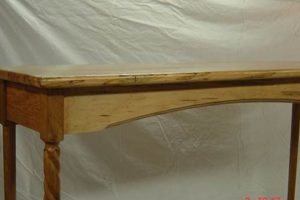
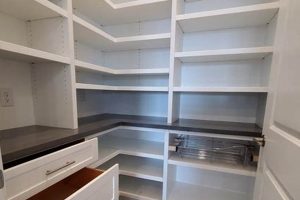
The creation of bespoke wooden furnishings and architectural details, specifically tailored to meet individual client specifications, represents a significant segment of the woodworking industry. This practice encompasses designing, constructing, and finishing pieces ranging from individual items like tables and chairs to extensive installations such as cabinetry and millwork. An example would be the production of intricately carved fireplace mantels or precisely fitted bookshelves for a private residence.
The value lies in the ability to realize unique designs and achieve optimal functionality. This method allows for maximization of space, particularly in challenging areas, and ensures a cohesive aesthetic throughout a property. Historically, this approach has been a hallmark of fine craftsmanship, demonstrating a commitment to quality and artistry that extends beyond mass-produced alternatives. This translates to increased property value and lasting durability.
The subsequent sections of this article will delve into the specific processes involved in project planning, material selection, and finishing techniques associated with these specialized creations. Further discussion will cover client communication, design considerations, and the utilization of both traditional and contemporary construction methods.
Expert Guidance
The following points provide concise direction for individuals considering custom woodworking projects.
Tip 1: Define Project Scope Precisely: Detailed specifications at the outset are paramount. Clearly articulate dimensions, intended use, and desired aesthetic qualities. For instance, if commissioning a custom desk, provide specific measurements for legroom, drawer depths, and surface area requirements.
Tip 2: Material Selection Matters: The choice of wood significantly impacts the final product. Consider factors such as durability, grain pattern, and suitability for the intended application. A durable hardwood like oak is ideal for high-traffic areas, while a softer wood like pine may be suitable for purely decorative pieces.
Tip 3: Understand Joinery Techniques: Different joinery methods offer varying levels of strength and aesthetic appeal. Dovetail joints are renowned for their robustness, making them suitable for drawers and cabinets. Mortise and tenon joints offer similar strength and are often used in furniture construction.
Tip 4: Emphasize Finish Quality: The finish protects the wood and enhances its natural beauty. Select a finish appropriate for the intended use and desired aesthetic. Polyurethane provides a durable, water-resistant coating suitable for surfaces that experience heavy use. Oil-based finishes offer a more natural appearance but require periodic maintenance.
Tip 5: Accurate Measurements Are Essential: Precise measurements are non-negotiable. Any deviation can lead to significant problems during installation. Double-check all measurements and consider consulting a professional for complex projects.
Tip 6: Budget Realistically: Custom woodworking involves specialized labor and high-quality materials. Obtain multiple quotes and understand the cost breakdown before committing to a project. Be prepared for potential variations in cost due to unforeseen circumstances.
Tip 7: Document Agreements Thoroughly: A detailed contract is crucial. The agreement should outline the project scope, timeline, payment schedule, and dispute resolution process. This protects both parties and minimizes the risk of misunderstandings.
Adherence to these guidelines will contribute significantly to a successful and satisfactory outcome. Planning, material understanding, and clear communication are key to realizing the desired vision.
The final section will cover case studies that illuminate the application of these principles in real-world scenarios.
1. Design Specifications

Design specifications serve as the foundational blueprint for all efforts in crafting bespoke wooden items. They define the parameters within which the woodworking process unfolds, dictating the final form, function, and aesthetic qualities of the creation. A lack of clear design specifications inevitably results in ambiguity during production, potentially leading to outcomes that fail to align with the client’s intended vision. For instance, if a client desires a specific shade of stain for a custom dining table, the design specification must explicitly state the precise color code or provide a physical sample for matching. This proactive measure prevents misinterpretations and ensures the desired result.
The significance of design specifications extends beyond mere aesthetics. They directly impact structural integrity and functional efficacy. Consider the construction of custom cabinetry. The specifications must detail load-bearing requirements, shelf dimensions, and hinge placement to ensure the cabinet can safely accommodate its intended contents and operate seamlessly. Incorrect specifications regarding load-bearing capacity could lead to structural failure, rendering the cabinetry unusable and potentially hazardous. A thorough understanding of these factors is essential for translating a client’s concept into a tangible, durable, and functional object.
In conclusion, design specifications are not simply a preliminary step; they are the bedrock upon which all subsequent woodworking activities are built. They represent a comprehensive understanding of the client’s needs, translated into actionable guidelines for the artisan. Clear, detailed, and technically accurate specifications are paramount to minimizing errors, maximizing efficiency, and ultimately, delivering a final product that meets or exceeds expectations. The absence of such rigor invariably compromises the integrity of the woodworking process and diminishes the value of the final creation.
2. Material Selection

Material selection is a critical determinant in the quality, longevity, and aesthetic appeal of custom woodwork. The choice of wood species, hardware, and finishes directly impacts the final product’s performance and its adherence to the client’s vision. A deliberate and informed approach to material selection is therefore paramount.
- Wood Species and Durability
Different wood species possess varying degrees of hardness, resistance to decay, and suitability for different applications. For example, quartersawn white oak is often preferred for furniture requiring high structural integrity and resistance to warping, while softer woods like pine may be more suitable for decorative elements. The intended use of the custom woodwork must dictate the selection of a durable and appropriate wood species.
- Aesthetic Considerations
Beyond structural integrity, the visual characteristics of the wood grain, color, and texture play a significant role in achieving the desired aesthetic. Cherry, with its reddish-brown hue and smooth grain, offers a formal and elegant appearance. Conversely, reclaimed wood, with its rustic texture and imperfections, can create a more casual and environmentally conscious design. The chosen wood species must complement the overall design and reflect the client’s aesthetic preferences.
- Hardware and Fasteners
The selection of appropriate hardware and fasteners is crucial for the functionality and long-term performance of custom woodwork. High-quality hinges, drawer slides, and screws ensure smooth operation and prevent premature wear. The material composition of these components should also be considered, with brass and stainless steel offering superior corrosion resistance in damp environments. The choice of hardware should align with both the aesthetic and functional requirements of the piece.
- Finishes and Protection
The finish applied to custom woodwork serves both aesthetic and protective purposes. The selection of appropriate finishes, such as varnish, lacquer, or oil, impacts the wood’s resistance to moisture, scratches, and UV damage. Different finishes also impart unique visual qualities, ranging from a high-gloss sheen to a matte, natural appearance. The chosen finish must be compatible with the wood species and tailored to the intended environment of the custom woodwork.
In summary, material selection represents a complex interplay of structural, aesthetic, and environmental considerations. A meticulous and informed approach to material selection is essential for realizing the full potential of custom woodworking and delivering a finished product that meets the client’s expectations for both beauty and performance. Decisions regarding material can and should enhance the intrinsic value of the finished piece.
3. Joinery Excellence

Joinery excellence forms a cornerstone of any endeavor within benchcraft custom woodwork. The method used to connect pieces of wood directly affects the structural integrity, aesthetic appeal, and long-term durability of the final product. Failure to employ sound joinery techniques inevitably leads to weakened structures, visible gaps, and a diminished lifespan, thereby compromising the overall quality of the custom piece. A practical example can be seen in the construction of a custom dining table; the use of mortise and tenon joints, properly executed, ensures that the table legs are securely fastened to the tabletop, capable of withstanding substantial weight and repeated use. Conversely, the use of poorly constructed butt joints, relying solely on glue and fasteners, results in a table that is prone to wobbling and eventual collapse.
The application of joinery excellence extends beyond basic structural concerns, playing a crucial role in the aesthetic presentation of custom woodwork. Intricate joinery methods, such as dovetail joints in drawers or meticulously crafted miters in picture frames, serve not only to strengthen the structure but also to showcase the artisan’s skill and attention to detail. These details elevate the perceived value of the piece, transforming a utilitarian object into a work of art. Furthermore, the selection of appropriate joinery techniques is dictated by the wood species and intended environment; a humid climate necessitates the use of joinery that allows for wood movement to prevent cracking and warping. The design itself will often include joinery selections to ensure that the visual outcome aligns with client expectations.
In conclusion, joinery excellence is not merely a technical consideration but an integral element of benchcraft custom woodwork, influencing both structural integrity and aesthetic value. Mastering joinery techniques, understanding their application in various contexts, and selecting appropriate methods are paramount for artisans aiming to create durable, visually appealing, and high-quality custom wooden pieces. A commitment to joinery excellence is a commitment to lasting quality and client satisfaction. Challenges in this area underscore the need for continuous learning and meticulous execution.
4. Finishing Processes

The application of finishing processes represents a critical stage in benchcraft custom woodwork, significantly influencing both the aesthetic appeal and protective qualities of the final product. These processes involve a range of techniques and materials designed to enhance the wood’s natural beauty while providing a durable barrier against environmental factors.
- Surface Preparation and Sanding
Proper surface preparation is paramount to achieving a flawless finish. This typically involves meticulous sanding to create a smooth, uniform surface free from imperfections. The use of progressively finer grits of sandpaper ensures that the wood is receptive to subsequent finishing treatments. For instance, a poorly sanded surface may result in uneven stain absorption or visible scratches beneath the final coating.
- Staining and Coloration
Staining techniques are employed to alter or enhance the natural color of the wood. A variety of stains, dyes, and pigments are available, allowing for a wide range of color options. The choice of stain should complement the wood species and the overall design aesthetic. Inconsistent stain application can lead to blotchy or uneven coloration, detracting from the overall appearance.
- Sealing and Priming
Sealers and primers are used to create a barrier between the wood and the final topcoat. These treatments prevent excessive absorption of the finish, promote adhesion, and improve the overall durability of the finish. Failure to properly seal or prime the wood can result in a finish that is prone to cracking, peeling, or discoloration.
- Topcoat Application and Protection
The topcoat provides the final layer of protection and contributes significantly to the overall aesthetic of the finished piece. Various topcoat options, such as varnish, lacquer, and polyurethane, offer different levels of durability, sheen, and resistance to environmental factors. A well-applied topcoat should be smooth, uniform, and free from imperfections, providing long-lasting protection and enhancing the wood’s natural beauty.
The successful integration of these finishing processes is essential for achieving the desired outcome in benchcraft custom woodwork. These techniques, when expertly applied, not only enhance the visual appeal of the piece but also ensure its longevity and resistance to wear and tear. The selection of appropriate finishing materials and techniques must be carefully considered based on the wood species, intended use, and desired aesthetic, further emphasizing the comprehensive skill set required in this craft.
5. Dimensional Accuracy

Dimensional accuracy represents a foundational requirement in benchcraft custom woodwork. It denotes the degree to which the physical dimensions of a crafted piece conform to the specified design parameters. Precision in measurement, cutting, and assembly is paramount to achieving functional integrity, aesthetic harmony, and overall project success. Deviations from intended dimensions, even minor ones, can cascade into significant problems during later stages of construction or installation.
- Precise Measurement and Layout
The initial phase of any woodworking project involves accurate measurement and layout. The transfer of design specifications to the raw material necessitates the use of calibrated measuring tools and meticulous marking techniques. For example, the construction of a custom cabinet requires precise measurements to ensure that shelves fit properly within the frame and that doors align correctly. Errors at this stage can lead to misaligned joints and structural weaknesses.
- Cutting and Shaping Precision
Once the material is marked, cutting and shaping must adhere to the established dimensions. The use of precision cutting tools, such as table saws, miter saws, and CNC routers, is essential for achieving clean, accurate cuts. The creation of mortise and tenon joints, for example, demands precise cutting to ensure a snug fit and optimal strength. Inaccurate cuts can compromise the structural integrity and aesthetic appearance of the joint.
- Assembly and Alignment
The assembly process requires careful alignment of the individual components. Clamps, jigs, and other positioning devices are used to ensure that parts are joined correctly and that the overall structure is square and true. The construction of a custom chair, for instance, necessitates precise alignment of the legs, seat, and backrest to ensure stability and ergonomic comfort. Misalignment can lead to wobbly structures and uneven surfaces.
- Tolerance Management and Adjustment
Even with the most careful techniques, some degree of dimensional variation is inevitable. Tolerance management involves understanding the acceptable limits of variation and implementing strategies to minimize their impact. For example, shims and adjustments can be used to compensate for slight discrepancies in wall dimensions during the installation of custom cabinetry. Effective tolerance management ensures that the final product meets the required specifications despite inherent variations in materials and processes.
These facets of dimensional accuracy are inextricably linked to the quality and value of benchcraft custom woodwork. The ability to consistently achieve precise dimensions reflects a commitment to craftsmanship and ensures that the finished product meets both functional and aesthetic requirements. Furthermore, dimensional accuracy is essential for seamless integration with existing architectural elements and for ensuring long-term durability and performance. In essence, attention to dimensional detail distinguishes superior custom woodwork from inferior alternatives.
6. Structural Integrity
Structural integrity, the ability of a structure to withstand applied loads without failure, is an indispensable attribute of benchcraft custom woodwork. The inherent nature of custom creations, often involving unique designs and exacting specifications, necessitates a profound understanding of structural principles to ensure the longevity and safety of the finished piece. Cause and effect are directly linked; substandard construction methods or inappropriate material selection directly lead to compromised structural performance and potential failures. A real-life example is a custom-built staircase. Inadequate support beams or improperly joined treads can lead to collapse under load, posing a significant safety hazard. Therefore, prioritizing structural integrity is not merely an aesthetic consideration but a fundamental requirement.
The practical significance of this understanding is evident in various applications. Consider custom cabinetry designed to support heavy countertops or appliances. The joinery techniques used, the type of wood selected, and the method of attachment to the wall must be meticulously planned to ensure that the cabinet can bear the intended weight without deformation or collapse. Similarly, custom-built furniture intended for outdoor use must be constructed to withstand environmental stressors such as moisture, temperature fluctuations, and wind loads. The appropriate selection of weather-resistant materials and robust joinery techniques is crucial for preventing premature deterioration and maintaining structural soundness. A lack of adherence to these principles results in products susceptible to damage and reduced lifespan.
In summary, structural integrity is not merely a desirable feature but a non-negotiable aspect of benchcraft custom woodwork. The implementation of sound engineering principles, coupled with meticulous craftsmanship and appropriate material selection, is paramount to creating custom pieces that are both aesthetically pleasing and structurally sound. The challenges lie in anticipating potential stress points, accommodating unusual designs, and selecting materials that meet both functional and aesthetic requirements. The ultimate goal is to create enduring pieces that provide both utility and beauty, thereby enhancing the value and satisfaction of the client.
7. Client Communication

Effective client communication is pivotal to the success of benchcraft custom woodwork projects. The bespoke nature of these creations necessitates a clear and consistent dialogue between the artisan and the client to ensure the final product aligns with the client’s vision and functional needs. A breakdown in communication can lead to misunderstandings, unmet expectations, and ultimately, client dissatisfaction. For example, if a client requests a specific type of wood finish but fails to clearly communicate the desired sheen level, the resulting product may not meet their expectations despite meticulous craftsmanship in other areas.
The importance of client communication extends beyond initial design consultations. Regular updates and feedback loops throughout the construction process are crucial for addressing any unforeseen challenges or modifications that may arise. Consider a situation where a client commissions a custom-built bookcase. During construction, the client may decide to alter the shelving configuration to accommodate larger books. Clear and timely communication of this change allows the artisan to adjust the design accordingly, preventing costly rework and ensuring the final product meets the client’s evolving requirements. Without this ongoing dialogue, the final bookcase may be functionally inadequate, despite being aesthetically pleasing. Furthermore, complex projects benefit from visual aids such as sketches, renderings, or even physical mockups to facilitate mutual understanding and minimize the potential for misinterpretations. Project documentation and transparent pricing are important aspects too.
In summary, client communication serves as the vital link between the artisan’s skill and the client’s vision in benchcraft custom woodwork. Proactive and transparent communication, spanning from initial design consultations to final delivery, is essential for achieving client satisfaction and creating enduring pieces that meet both aesthetic and functional requirements. The challenges inherent in translating abstract ideas into tangible creations underscore the need for continuous refinement of communication strategies, ensuring that every aspect of the project, from material selection to finishing touches, aligns with the client’s expectations.
Frequently Asked Questions About benchcraft custom woodwork
The following addresses common inquiries and clarifies aspects relevant to commissioning custom wooden creations.
Question 1: What differentiates custom woodwork from mass-produced alternatives?
Custom woodwork offers tailored designs, superior material quality, and meticulous craftsmanship, contrasting with the standardized dimensions and often lower-grade materials found in mass-produced furniture. This yields greater design flexibility and enhanced longevity.
Question 2: What factors influence the cost of a custom woodworking project?
Material selection, project complexity, labor hours, and finishing techniques significantly impact the overall cost. Intricate designs, rare wood species, and specialized finishes will invariably increase the price.
Question 3: How is the design process typically initiated for a custom woodwork commission?
The process begins with a consultation to understand the client’s vision, functional requirements, and aesthetic preferences. This is followed by the development of detailed sketches, blueprints, or 3D renderings for client approval before construction commences.
Question 4: What types of wood are generally recommended for custom furniture construction?
Hardwoods such as oak, maple, cherry, and walnut are frequently chosen for their durability, stability, and aesthetic qualities. The selection is ultimately determined by the intended use, desired appearance, and budget considerations.
Question 5: How does one ensure the longevity of custom woodwork pieces?
Regular cleaning with appropriate wood care products, protection from direct sunlight and excessive moisture, and prompt repair of any damages will contribute to the extended lifespan of custom wooden creations.
Question 6: What recourse exists if the final product deviates from the agreed-upon design specifications?
A detailed contract outlining design specifications, materials, and timelines is crucial. Should discrepancies arise, the contract serves as the basis for resolution, potentially involving revisions or financial compensation.
In summary, engaging in benchcraft custom woodwork requires a clear understanding of design specifications, material options, and the factors influencing cost and longevity. Diligence during the planning phase can ensure a satisfactory outcome.
The subsequent section will explore case studies that exemplify the principles discussed thus far.
Conclusion
This exploration has illuminated the multifaceted nature of benchcraft custom woodwork, emphasizing the significance of precise design specifications, judicious material selection, expert joinery, meticulous finishing processes, dimensional accuracy, structural integrity, and effective client communication. Each element is inextricably linked, influencing the quality, longevity, and overall value of bespoke wooden creations. Deviation from these principles invariably compromises the integrity of the final product.
The enduring appeal of benchcraft custom woodwork lies in its capacity to fulfill specific needs and reflect individual aesthetic preferences with unmatched precision. Continued adherence to established principles of craftsmanship and a commitment to innovation will ensure the preservation and advancement of this distinguished art form, yielding lasting value for both artisans and clientele. Future endeavors should prioritize sustainable practices and the exploration of emerging technologies to enhance both efficiency and environmental responsibility.