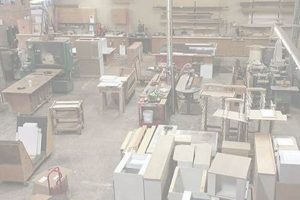
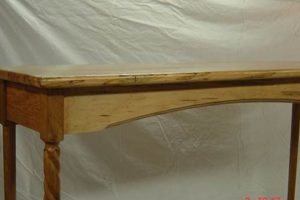
A space-saving sleeping solution integrating into existing architecture, these beds combine handcrafted woodwork with the functionality of a fold-away design. These units are personalized to meet specific aesthetic and dimensional requirements, offering a blend of form and utility. An example is a wall bed constructed from locally sourced cherry wood with integrated shelving and lighting, built to seamlessly blend with the client’s existing study.
The value of such furniture lies in its ability to maximize usable space, particularly in smaller living environments. Historically, these disappearing beds provided flexibility in homes, transforming a single room into multiple functional areas. Current iterations continue to address space constraints while incorporating high-quality materials and construction, enhancing the longevity and aesthetic appeal of the piece and increasing property value.
The ensuing discussion will delve into the design considerations, material selections, installation procedures, and cost factors associated with crafting and integrating these space-optimizing furniture pieces into diverse residential settings.
Considerations for Integrated Sleeping Solutions
The integration of fold-away beds requires careful planning. Attention to detail ensures optimal functionality and aesthetic harmony within the designated space.
Tip 1: Space Assessment: Conduct a precise evaluation of the available area. Measure wall dimensions and ceiling height to determine appropriate bed orientation and cabinet size. Account for any existing architectural features, such as windows, doorways, or electrical outlets, which may influence the design.
Tip 2: Material Selection: Opt for high-quality hardwoods, such as maple, oak, or walnut, for structural integrity and durability. Consider the existing dcor and select wood species and finishes that complement the room’s aesthetic. Investigate plywood alternatives for cost saving and for other features.
Tip 3: Mechanism Selection: Choose a reliable folding mechanism from a reputable manufacturer. Evaluate weight capacity, ease of operation, and safety features. Hydraulic piston mechanisms offer smooth and controlled movement.
Tip 4: Customization Options: Incorporate custom cabinetry, shelving, or lighting to maximize functionality and personalize the unit. Consider integrated storage solutions, such as drawers or side cabinets, to optimize space utilization. Electrical outlet integration should be considered during the design phase.
Tip 5: Professional Installation: Engage experienced installers for proper mounting and alignment. Incorrect installation can compromise safety and functionality. Ensure compliance with local building codes and regulations.
Tip 6: Weight Distribution: Consider the weight distribution of the unit, particularly when mounted on drywall. Reinforce wall studs as necessary to ensure adequate support. Consult with a structural engineer for specific recommendations.
Tip 7: Ventilation Considerations: Ensure adequate airflow around the mattress when the unit is closed. Perforated cabinet panels or ventilation openings can prevent moisture buildup and promote air circulation.
Strategic implementation of these considerations will result in a functional and aesthetically pleasing fold-away bed. This addition enhances both the utility and value of the residential space.
The subsequent section will address design styles and considerations for ensuring a cohesive integration into various interior design schemes.
1. Space Optimization

Space optimization represents a primary driver in the adoption of fold-away beds. The inherent design facilitates the transformation of a single room into a multifunctional area, a crucial consideration in contemporary residential architecture.
- Multifunctional Room Conversion
These units allow a room to serve as both a living area and a bedroom, maximizing utility in compact living spaces. For example, a home office can be instantly converted into a guest room, or a studio apartment can gain significant daytime living space. This adaptability addresses the increasing demand for flexible living solutions.
- Vertical Space Utilization
Capitalizing on vertical space is a fundamental element of space optimization. By folding up and concealing the bed against the wall, the floor area is freed for other purposes. This design principle is particularly relevant in urban environments where square footage is at a premium, enabling residents to make the most of limited dimensions.
- Integrated Storage Solutions
Many designs incorporate integrated storage such as shelving, drawers, or cabinets, further contributing to space efficiency. These features provide organized storage for bedding, clothing, or personal items, eliminating the need for additional freestanding furniture and decluttering the living area. The bed becomes a part of the storage and organization of the space.
- Streamlined Aesthetic Appeal
Beyond functional benefits, these units contribute to a cleaner, more streamlined aesthetic. By concealing the bed when not in use, the room maintains a more open and uncluttered appearance, enhancing the overall sense of spaciousness. The bed when hidden can then act as wall art, or a design piece for the area.
The design directly addresses the challenge of maximizing usable space in modern living environments. The examples presented highlight the diverse ways this is accomplished through multifunctional design, vertical space utilization, integrated storage, and aesthetic streamlining. These considerations underpin the value of fold-away beds as effective space-saving solutions for residences of varying sizes and configurations.
2. Material Durability

The enduring functionality of a wall bed hinges significantly on the selection of durable materials. The construction endures frequent operation and load-bearing stress. The choice of materials profoundly influences the bed’s lifespan, stability, and overall value.
- Hardwood Selection and Longevity
Employing hardwoods such as oak, maple, or cherry provides superior structural integrity. These species exhibit high resistance to bending and warping, crucial for supporting the weight of the mattress and bedding over time. For example, a frame constructed from solid maple is less likely to degrade under consistent use compared to one made from softwood. The durability from the materials help the wall bed investment to last for a long time.
- Plywood Alternatives and Structural Stability
While solid wood offers exceptional strength, high-quality plywood, particularly void-free varieties, presents a cost-effective alternative. These engineered woods offer dimensional stability and resistance to splitting, which are vital in components subject to repeated stress. The quality and use of high-quality plywoods is important for building a long-lasting bed.
- Finish Application and Protective Qualities
The application of durable finishes protects the wood from moisture, scratches, and UV damage. Catalyzed conversion varnishes, for instance, create a robust barrier against wear and tear, extending the life of the woodwork. A properly applied finish not only enhances the aesthetic appeal but also shields the underlying material from environmental factors.
- Hardware Integration and Load Distribution
The selection of high-quality hardware, including hinges, brackets, and fasteners, is paramount for ensuring smooth and secure operation. Heavy-duty hinges designed for frequent use can withstand the forces generated during the folding and unfolding process. Load distribution across multiple points of contact minimizes stress concentration and prevents premature failure.
The interplay between hardwood selection, plywood alternatives, finish application, and hardware integration determines the longevity and robustness of a wall bed. A commitment to material durability translates directly into a lasting investment, mitigating the need for frequent repairs or replacements. Prioritizing quality materials ensures the furniture remains both functional and aesthetically pleasing for an extended period.
3. Mechanism Reliability

Mechanism reliability is paramount in the design and functionality of a fold-away bed. The bed’s primary characteristic is its ability to transform from a concealed state to a usable bed. The folding mechanism facilitates this transformation, and its reliability dictates the overall usability and lifespan of the unit. A malfunctioning mechanism renders the space-saving benefits of the bed null, and may create a safety hazard.
The selection of a robust mechanism involves careful consideration of several factors. Weight capacity must align with the anticipated load, including the mattress and potential occupants. The mechanism’s construction should incorporate durable materials such as heavy-gauge steel and precision bearings to withstand repeated stress. Examples of mechanisms in use include piston-assisted systems, spring-balanced systems, and simple pivot systems. Piston-assisted systems offer smooth, controlled operation, while spring-balanced systems require precise calibration. Pivot systems, while simpler, may demand more physical effort to operate. Choosing a mechanism certified for safety and tested for longevity is crucial. For instance, a mechanism undergoing rigorous cycle testing demonstrates a commitment to reliability.
Neglecting mechanism reliability can result in operational failures, such as binding, sticking, or complete breakdown. These failures can lead to user frustration, potential injury, and costly repairs. Ensuring the mechanism is appropriately specified, correctly installed, and routinely maintained is imperative. The reliability of a custom woodworks murphy bed is, therefore, inextricably linked to the quality and performance of its folding mechanism. Prioritizing mechanism reliability guarantees the continued functionality and safety of these space-saving sleeping solutions.
4. Design Integration
Design integration, in the context of custom woodworks murphy beds, refers to the seamless incorporation of the unit into the pre-existing architectural and aesthetic characteristics of a given space. This extends beyond mere functionality to encompass a holistic approach to blending the bed into its surroundings, both visually and practically.
- Architectural Harmony
Architectural harmony considers the existing structural elements of the room. This includes window placements, door frames, and ceiling heights, and the manner in which the bed’s cabinetry complements or mirrors these features. For example, a murphy bed designed for a room with prominent wainscoting might incorporate similar detailing to maintain visual continuity. Failure to achieve architectural harmony can result in the bed appearing out of place, disrupting the overall aesthetic flow.
- Material Palette Consistency
Material palette consistency focuses on aligning the wood species, stains, and finishes of the murphy bed with those already present in the room’s existing furniture and trim. This includes matching the grain patterns and undertones to create a cohesive visual effect. For instance, a room dominated by cherry wood furniture would necessitate a murphy bed constructed from a similar species with a compatible stain. A material mismatch can lead to visual discord and detract from the intended elegance.
- Functional Integration
Functional integration entails designing the murphy bed to serve multiple purposes beyond simply providing a sleeping surface. This may involve incorporating built-in shelving, desks, or storage compartments that augment the room’s existing functionality. An example would be a murphy bed designed for a home office, which incorporates a fold-down desk and file drawers. Optimal functional integration enhances the overall usability of the space.
- Style Compatibility
Style compatibility assesses the overarching design style of the room, whether it be traditional, modern, minimalist, or eclectic, and ensures the murphy bed adheres to that aesthetic. This includes considering the lines, shapes, and decorative elements of the bed’s cabinetry. A modern room with clean lines would necessitate a murphy bed with a similarly streamlined design, free of ornate detailing. A stylistic clash can undermine the intended ambiance and create a visually jarring effect.
Achieving design integration with a custom woodworks murphy bed hinges on a meticulous evaluation of the existing space and a deliberate effort to harmonize the bed’s aesthetics and functionality with its surroundings. The facets outlined above represent essential considerations for ensuring a seamless and visually pleasing integration, ultimately enhancing the room’s overall appeal and utility.
5. Installation Precision

Installation precision is critical to the successful integration and safe operation of a custom woodworks murphy bed. Proper installation ensures the unit functions as intended, maximizing its space-saving benefits while minimizing the risk of malfunction or injury. Deviation from precise installation procedures can compromise the structural integrity and long-term performance of the bed.
- Structural Integrity and Wall Mounting
Accurate and secure wall mounting is paramount for supporting the weight of the murphy bed and its occupants. This necessitates locating and utilizing wall studs or employing appropriate anchoring systems capable of bearing the specified load. Insufficient or improperly placed mounting hardware can lead to instability, potential detachment from the wall, and increased risk of collapse. A thorough assessment of the wall structure and adherence to manufacturer guidelines are essential for ensuring structural integrity.
- Mechanism Alignment and Smooth Operation
Precise alignment of the folding mechanism is crucial for smooth and effortless operation. Misalignment can cause binding, resistance, or uneven movement during the folding and unfolding process. This can strain the mechanism, leading to premature wear and potential failure. Meticulous attention to detail during installation, including precise leveling and alignment, is necessary to ensure the mechanism functions as designed.
- Leveling and Cabinet Squareness
Maintaining proper leveling and cabinet squareness is essential for both aesthetic appeal and functional performance. An unlevel bed may exhibit uneven weight distribution, causing stress on the mechanism and discomfort for the user. Similarly, an out-of-square cabinet can create gaps or misalignment with surrounding architectural features. Precision leveling and squaring during installation contribute to a professional appearance and optimal functionality.
- Safety Interlocks and Securing Mechanisms
Many units incorporate safety interlocks or securing mechanisms to prevent unintentional deployment or collapse. Proper installation of these features is vital for ensuring user safety. Incorrectly installed safety mechanisms may fail to engage properly, increasing the risk of accidental opening or closing. Verification of correct safety mechanism function after installation is a necessary step to guarantee safe operation.
The interplay between structural integrity, mechanism alignment, leveling, and safety features highlights the significance of installation precision. A professionally executed installation ensures the murphy bed functions safely, reliably, and aesthetically pleasingly, maximizing its intended benefits for years to come. Conversely, a poorly executed installation can negate the advantages of a high-quality bed and pose significant risks to users.
6. Longevity

The longevity of a custom woodworks murphy bed represents a critical consideration for prospective purchasers. The initial investment often exceeds that of conventional beds; therefore, the expectation of extended service life is reasonable. Material selection significantly impacts longevity; hardwoods such as oak or maple, properly finished, resist wear and tear far better than softer woods or composite materials. Furthermore, the quality of the folding mechanism plays a crucial role. A robust, well-engineered mechanism, constructed from durable materials, ensures smooth, reliable operation over years of use. Conversely, a poorly designed or cheaply manufactured mechanism is prone to failure, diminishing the bed’s lifespan and necessitating costly repairs or replacement.
The benefits of longevity extend beyond simple cost savings. A well-maintained murphy bed retains its aesthetic appeal, contributing to the overall value and desirability of the home. Moreover, a durable unit minimizes the environmental impact associated with frequent furniture replacement. For instance, a custom-built murphy bed from a reputable craftsman, utilizing sustainably sourced hardwoods and a high-quality mechanism, can easily provide decades of reliable service. This contrasts sharply with mass-produced units constructed from lower-grade materials, which may require replacement within a few years. Attention to design details, such as reinforced joints and durable finishes, further contributes to the bed’s long-term resilience. These elements work together to increase the lifespan, and decrease the possibility of having to invest in a new bed for years to come.
In conclusion, the pursuit of longevity in a custom woodworks murphy bed represents a pragmatic investment. Selecting durable materials, a reliable mechanism, and a skilled craftsman is necessary to maximize the bed’s lifespan and overall value. While the initial cost may be higher, the long-term benefits of durability, aesthetic preservation, and reduced environmental impact render it a judicious choice. However, achieving optimal longevity requires ongoing maintenance and careful operation, ensuring the bed remains a functional and aesthetically pleasing addition to the home for years to come. There are little things that need to be maintained and addressed in order for this type of bed to last for years.
Frequently Asked Questions
This section addresses common inquiries regarding space-saving sleeping solutions, providing factual and relevant information to assist in informed decision-making.
Question 1: What distinguishes a custom woodworks murphy bed from a standard, mass-produced unit?
Custom units offer tailored dimensions, material selections, and design features to suit specific architectural and aesthetic requirements. Mass-produced units are typically limited in customization options and may utilize less durable materials.
Question 2: What structural considerations are necessary when installing a fold-away bed?
Evaluation of wall stud placement and weight-bearing capacity is essential. Reinforcement may be necessary to ensure adequate support. Consultation with a structural engineer is advisable in cases of uncertainty.
Question 3: What types of mechanisms are commonly used in these units, and what are their relative advantages?
Piston-assisted mechanisms provide smooth, controlled operation and require minimal physical effort. Spring-balanced mechanisms offer a cost-effective alternative but may require more precise calibration. Pivot systems are simpler but may demand greater user exertion.
Question 4: What factors influence the overall cost of a customized fold-away bed?
Material selection, dimensions, design complexity, mechanism type, and installation requirements all contribute to the total expense. Intricate woodwork, high-end finishes, and integrated features will increase the cost.
Question 5: What maintenance is required to ensure the long-term functionality of the unit?
Regular inspection of the mechanism for signs of wear or damage is recommended. Lubrication of moving parts may be necessary to maintain smooth operation. Cleaning the wood surfaces with appropriate products preserves their aesthetic appeal.
Question 6: What safety features should be considered when selecting a wall bed?
Locking mechanisms prevent unintentional deployment or collapse. Soft-close hinges minimize the risk of pinched fingers. A design that conforms to relevant safety standards and building codes is essential.
The aspects detailed above will help determine if a fold-away bed is the right choice. This information assists in evaluating whether a space-saving sleeping solution aligns with specific needs and constraints.
The subsequent section will provide a buyers checklist to aid in the decision making process.
Conclusion
This article explored numerous facets relevant to the implementation of a custom woodworks murphy bed. From initial design considerations and material selection to mechanism reliability, installation precision, and long-term maintenance, the discussion addressed key factors influencing both the functionality and value of these space-saving solutions. Emphasis was placed on the importance of integrating aesthetic considerations with practical requirements to achieve a harmonious and efficient living environment.
The successful integration of a custom woodworks murphy bed ultimately depends on a comprehensive understanding of its design principles and practical applications. It is recommended that those considering such an investment carefully weigh the various factors discussed herein to ensure a well-informed and beneficial decision. Further research into local zoning regulations and professional consultations with experienced installers are strongly advised prior to initiating any construction or modification of existing residential spaces. The long-term value and utility depend on careful planning and execution.