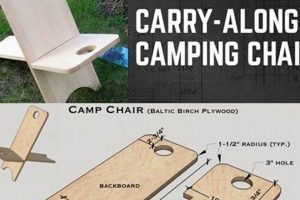
Projects that combine ease of construction with practical application represent an accessible entry point into the craft. These endeavors typically require minimal tools, basic skills, and readily available materials, resulting in finished items that serve a purpose within the home or daily life. A small wooden box, a simple bookshelf, or a basic birdhouse are examples of this type of undertaking.
Undertaking these crafts offers several benefits, ranging from skill development and creative expression to tangible outcomes and potential cost savings. They provide an opportunity to learn fundamental woodworking techniques, such as measuring, cutting, joining, and finishing. Historically, such projects have served as a means of self-sufficiency and resourcefulness, empowering individuals to create functional items tailored to their specific needs.
The subsequent sections will explore specific project ideas, providing detailed instructions and material lists. Focus will be placed on techniques suitable for beginners, emphasizing safety and efficiency in the construction process. Considerations for wood selection, finishing options, and design modifications will also be addressed.
Guidance for Efficient Project Execution
The following points emphasize best practices for achieving successful outcomes in beginner-friendly woodworking tasks. Adhering to these guidelines enhances efficiency and minimizes potential complications during the construction process.
Tip 1: Precise Measurement: Accuracy in measurement is paramount. Utilizing a reliable measuring tape and double-checking dimensions before cutting prevents material waste and ensures proper fit during assembly. A mistake at this stage can propagate through the entire project.
Tip 2: Tool Maintenance: Sharp tools are safer and more efficient. Regularly sharpen chisels, planes, and saws to ensure clean cuts and reduce the force required, minimizing the risk of slippage or injury. Dull tools are a common source of errors and accidents.
Tip 3: Wood Selection: Choose wood appropriate for the intended use. Softwoods like pine are easier to work with for beginners, but hardwoods like oak or maple offer greater durability for projects subject to wear and tear. Consider the wood’s grain pattern and knot placement for aesthetic and structural integrity.
Tip 4: Secure Work Holding: Employ clamps and vises to securely hold the workpiece during cutting, sanding, and assembly. This prevents movement and ensures precise results. An unstable workpiece increases the likelihood of mistakes and potential injury.
Tip 5: Pre-Drilling Pilot Holes: Before driving screws, pre-drill pilot holes to prevent wood splitting, especially when working near the edges or ends of boards. This technique is crucial for maintaining structural integrity and ensuring a clean, professional finish.
Tip 6: Sanding Progression: Use a logical sanding progression, starting with coarser grits to remove imperfections and gradually moving to finer grits to achieve a smooth surface. This ensures a uniform finish and optimal adhesion for paints or stains.
Tip 7: Proper Joint Selection: Choose a joint appropriate for the strength requirements of the project. Simple butt joints are suitable for low-stress applications, while more complex joints like rabbets or dados provide greater strength and stability. Consider the aesthetics and skill level required for each joint type.
Adhering to these principles leads to more satisfying and durable results, fostering a sense of accomplishment and encouraging continued exploration of woodworking techniques. Diligence in these areas minimizes errors and maximizes the potential for creating functional and aesthetically pleasing items.
The subsequent sections will delve into specific project plans, building upon these foundational concepts to provide practical guidance for creating a variety of functional items.
1. Functionality

Functionality is the cornerstone of straightforward and practical woodworking endeavors. The core principle dictates that the finished piece must serve a discernible purpose, addressing a specific need or enhancing an activity. This purpose-driven design contrasts with purely decorative items, emphasizing utility as the primary objective. A project lacking in inherent usefulness diminishes its value proposition, rendering it less compelling than alternatives offering tangible benefits.
The pursuit of functionality directly influences design choices and construction methods. For example, a simple wooden step stool prioritizes stability and load-bearing capacity, dictating the use of sturdy wood and robust joinery techniques. Similarly, a spice rack must be designed to accommodate various container sizes while remaining accessible and space-efficient. These practical requirements inform the overall dimensions, material selection, and assembly processes. Ignoring these functional considerations results in a product that fails to adequately fulfill its intended role, regardless of its aesthetic appeal.
The symbiosis between simplicity and utility ensures that the barrier to entry remains low, making woodworking an accessible and rewarding activity. By prioritizing function, designs can be streamlined, construction simplified, and the resulting product provides meaningful value to the user. Recognizing the primacy of functionality transforms a woodworking exercise into a deliberate act of creation, empowering individuals to address everyday needs with ingenuity and skill. This targeted approach results in durable, useful items that are a testament to practicality, skill, and thoughtful design.
2. Simplicity

Simplicity, in the context of woodworking, significantly enhances accessibility and promotes successful project completion. When designs prioritize ease of construction, individuals with limited experience can confidently engage in the craft, producing functional and satisfying results. This focus minimizes frustration and fosters a positive learning experience, encouraging further exploration of woodworking techniques.
- Reduced Tool Requirements
Simplified projects often require fewer specialized tools. A basic hand saw, chisel, measuring tape, and drill can suffice for many designs. This accessibility lowers the initial investment barrier, enabling more individuals to participate without incurring significant expenses. Projects requiring extensive machinery can be intimidating and prohibitively expensive for novices.
- Straightforward Joinery
Simple joinery techniques, such as butt joints, lap joints, and screw connections, are easier to learn and execute than more complex methods like dovetails or mortise-and-tenon joints. These fundamental connections provide adequate strength for many applications, while minimizing the risk of errors and ensuring quicker assembly. Masterful joinery is achievable but not a prerequisite to initial involvement.
- Minimal Material Waste
Simplified designs typically involve fewer intricate cuts and complex shapes, resulting in less material waste. This is both economically and environmentally beneficial, as it reduces the cost of materials and minimizes the environmental impact of woodworking. Efficient use of resources is a core tenet of responsible crafting.
- Faster Project Completion
Simplified projects require less time to complete, providing a sense of accomplishment and immediate gratification. This positive feedback loop motivates individuals to continue exploring woodworking and tackling more challenging projects in the future. Extended timelines and complicated procedures can lead to discouragement and project abandonment.
The integration of simplicity into woodworking projects streamlines the learning curve and empowers individuals to create functional items with minimal resources and expertise. The emphasis on fundamental techniques and efficient designs maximizes the chances of success and fosters a lasting appreciation for the craft. Success will bring more complex and advanced projects in the future.
3. Durability

Durability, regarding uncomplicated and functional woodworking creations, directly influences long-term value and utility. It determines the lifespan of a project, its resistance to damage, and its ability to withstand regular use. Selecting appropriate materials and construction methods is critical in ensuring that these items endure over time.
- Wood Selection and Its Impact
The choice of wood significantly dictates the overall durability. Hardwoods like oak, maple, or walnut offer greater resistance to wear and tear compared to softwoods such as pine or fir. For projects intended for outdoor use or subject to heavy loads, hardwoods are a necessity. Incorrect wood selection can lead to premature failure, reducing the project’s lifespan and negating its intended function. For example, a simple bookshelf constructed from pine might sag or warp under the weight of books, while one made from oak would maintain its structural integrity.
- Joinery Techniques and Structural Integrity
The methods used to join wood pieces play a crucial role in the structural integrity and long-term durability. Strong, well-executed joints, such as mortise-and-tenon or dovetail joints, distribute stress evenly and prevent separation. Simple butt joints, while easier to construct, are inherently weaker and may require additional reinforcement to ensure stability. A poorly executed joint can become a point of failure, compromising the entire project. Simple projects, a strong joinery is a must.
- Protective Finishes and Environmental Resistance
Applying appropriate finishes protects wood from moisture, sunlight, and physical abrasion, extending its lifespan and maintaining its aesthetic appeal. Exterior projects require finishes designed to withstand the elements, while interior projects may benefit from simpler varnishes or oils. Neglecting to apply a protective finish leaves the wood vulnerable to damage, leading to deterioration and eventual failure. Protective stain is a must to have.
- Design Considerations for Longevity
Designing with durability in mind involves anticipating potential points of stress or weakness and incorporating design features to mitigate those risks. This includes using thicker materials in high-stress areas, reinforcing corners with additional supports, and ensuring proper drainage for outdoor projects. Thoughtful design can significantly enhance the longevity and functionality, contributing to its lasting value.
These considerationsmaterial selection, joinery techniques, protective finishes, and thoughtful designare fundamental to creating woodworking projects that endure over time. Investing in durability not only extends the lifespan of the item but also ensures its continued utility, ultimately maximizing its value and minimizing the need for frequent repairs or replacements. A durable structure leads a long lifespan.
4. Affordability
Affordability is intrinsically linked to the appeal and accessibility of basic, functional woodworking projects. The economic accessibility of these projects determines their viability for a broad range of individuals and communities. Projects requiring expensive materials or specialized tools inherently limit participation, undermining the goal of creating readily accessible and useful items. The correlation between affordability and accessibility is direct: lower costs equate to wider participation. For example, constructing a simple garden planter box using reclaimed lumber and basic hand tools represents an affordable project, whereas building a complex cabinet requiring exotic hardwoods and power tools is significantly more expensive.
The significance of affordability extends beyond mere cost savings. It enables resourcefulness and creativity, encouraging individuals to utilize readily available materials and adapt designs to suit their budgetary constraints. This approach promotes sustainability through the reuse of materials and reduces reliance on expensive, commercially produced items. A practical illustration involves constructing shelving from repurposed wooden pallets, transforming discarded materials into a functional storage solution. The economic feasibility of such projects empowers individuals to meet their needs while minimizing environmental impact and financial burden. Understanding that affordability unlocks wider participation.
In conclusion, affordability constitutes a critical component of the “simple useful woodworking projects” framework. By prioritizing cost-effectiveness in material selection, tool requirements, and design, woodworking becomes an accessible and empowering activity. This emphasis not only broadens participation but also encourages resourcefulness, creativity, and sustainable practices. However, maintaining a balance between affordability and durability presents a challenge, requiring careful consideration of material properties and construction techniques to ensure both economic viability and long-term functionality. The goal is to ensure the affordability and sustainability of a simple project.
5. Accessibility

Accessibility functions as a cornerstone, determining the potential reach and impact of simple and useful woodworking projects. This concept encompasses several critical factors: the availability of materials, the complexity of required tools, and the skill level demanded for successful completion. High accessibility ensures a broader audience can engage with woodworking, fostering creativity and self-sufficiency within communities. The absence of accessibility restricts participation, limiting the benefits to a select few with specialized resources or training. If there is no accessibility, woodworking is not useful for a beginner.
Projects that prioritize readily obtainable materials, such as reclaimed lumber or inexpensive softwoods, inherently increase accessibility. Similarly, designs that minimize the need for specialized power tools, relying instead on basic hand tools like saws, chisels, and measuring tapes, lower the barrier to entry. Projects requiring advanced joinery techniques or intricate designs demand a higher level of skill, effectively excluding beginners or individuals with limited woodworking experience. Constructing a birdhouse from scrap wood using nails and a handsaw represents an accessible project, whereas building a complex piece of furniture with dovetail joints and a table saw demands greater resources and expertise. A simple birdhouse, an example of project accessibility.
Understanding the connection between accessibility and the overall value of simple woodworking projects is critical for promoting widespread engagement. By actively designing with accessibility in mind, creators can empower a wider range of individuals to develop practical skills, address everyday needs, and contribute to a culture of making and resourcefulness. Striking a balance between simplicity, functionality, durability, and accessibility ensures that woodworking remains a relevant and empowering activity for all. Accessibility ensures a wider audience can engage with woodworking.
6. Sustainability

Sustainability is an increasingly crucial aspect when considering woodworking activities. It impacts material choices, construction methodologies, and project lifecycles, influencing environmental impact and resource consumption. Incorporating sustainable practices into woodworking aligns with responsible resource management and reduces ecological footprint.
- Reclaimed and Repurposed Materials
Utilizing reclaimed lumber, salvaged wood, or repurposed materials reduces the demand for newly harvested timber, conserving forests and minimizing deforestation. Examples include using old barn wood for shelving or repurposing shipping pallets for garden furniture. This practice extends the life of existing materials and reduces waste sent to landfills.
- Sustainably Sourced Wood
Choosing wood certified by organizations like the Forest Stewardship Council (FSC) ensures that timber comes from responsibly managed forests. These forests adhere to strict environmental and social standards, promoting biodiversity and protecting ecosystems. Selecting FSC-certified lumber supports sustainable forestry practices and mitigates the negative impacts of logging.
- Low-Impact Finishes and Adhesives
Traditional wood finishes and adhesives often contain volatile organic compounds (VOCs) that contribute to air pollution and pose health risks. Opting for low-VOC or water-based finishes and adhesives reduces environmental impact and improves indoor air quality. Natural oil finishes and plant-based adhesives offer sustainable alternatives to conventional products.
- Design for Longevity and Repairability
Designing projects with durability and repairability in mind extends their lifespan and reduces the need for frequent replacements. Using robust joinery techniques, selecting durable materials, and creating designs that are easily repairable minimizes waste and promotes a circular economy. A well-designed and maintained wooden item can last for generations, reducing the demand for new resources.
Integrating these sustainable practices into straightforward woodworking projects reduces environmental impact and promotes responsible resource consumption. Prioritizing reclaimed materials, sustainably sourced wood, low-impact finishes, and durable designs aligns with broader sustainability goals, ensuring woodworking remains an environmentally conscious and socially responsible activity. A focus on sustainability ensures responsible and long-term results.
7. Aesthetics

Aesthetics, when considered alongside basic, functional woodworking projects, represents a nuanced balance between utility and visual appeal. While the primary purpose of these projects resides in their functionality, neglecting aesthetics can diminish their overall value and acceptance. The visual characteristics of a crafted item influence its integration into a user’s environment, impacting satisfaction and long-term utilization. A poorly designed and unattractive object, despite its functional proficiency, may be relegated to storage or discarded, negating the intended purpose. Conversely, incorporating pleasing aesthetic elements can elevate a utilitarian object, increasing its perceived worth and ensuring its integration into daily life. Consider, for instance, two wooden storage boxes of identical dimensions and function. One, constructed from roughly cut, unfinished lumber, lacks aesthetic consideration. The other, crafted from smoothly sanded wood with a carefully applied stain, possesses visual appeal. The latter is more likely to be prominently displayed and frequently used, despite both serving the same purpose.
The consideration of aesthetic principles does not necessitate elaborate designs or advanced woodworking techniques. Simple adjustments, such as carefully selecting wood grain patterns, rounding sharp edges, applying a smooth finish, or incorporating subtle design details, can significantly enhance the visual appeal of a project. Furthermore, the choice of hardware, such as hinges and handles, can contribute to the overall aesthetic. A set of handcrafted shelves, constructed from simple pine boards, can be elevated aesthetically through the application of a visually pleasing stain and the addition of decorative shelf brackets. These adjustments require minimal additional effort or expense but can significantly impact the perceived quality and desirability of the finished product. Attention to detail during the finishing process contributes to a feeling of a well-made project.
In summary, aesthetics plays a vital role in the success of simple useful woodworking projects. While functionality remains paramount, incorporating visually pleasing elements can significantly enhance a project’s overall value, increasing its likelihood of integration into daily life and ensuring its long-term utilization. The integration of aesthetics requires careful consideration of material selection, design details, and finishing techniques, demanding a balanced approach that prioritizes both functionality and visual appeal. The combination of utility and visual appeal makes woodworking a rewarding hobby.
Frequently Asked Questions
The following addresses frequently encountered inquiries regarding basic, functional woodworking projects. The information provided aims to clarify common points of confusion and offer guidance on various aspects of project planning and execution.
Question 1: What constitutes a “simple” woodworking project?
A “simple” project is defined by its limited tool requirements, straightforward construction techniques, and relatively short completion time. Projects typically involve basic joinery, minimal material waste, and designs easily understood by individuals with limited woodworking experience.
Question 2: What are the essential tools required for basic woodworking projects?
Essential tools typically include a measuring tape, hand saw or circular saw, drill, screwdriver, chisel, sandpaper, and clamps. Additional tools may be required depending on the specific project, but the aforementioned represent a foundational set.
Question 3: How does one select suitable wood for a project?
Wood selection depends on the intended use of the project. Softwoods like pine are suitable for projects requiring ease of workability, while hardwoods like oak or maple offer greater durability. Consider the wood’s grain, knot placement, and moisture content when making a selection.
Question 4: What safety precautions are necessary when engaging in woodworking?
Eye protection, hearing protection, and dust masks are essential. Ensure adequate ventilation when working with finishes or adhesives. Maintain a clean and organized workspace. Always exercise caution when operating power tools and adhere to manufacturer’s instructions.
Question 5: How can projects be made more durable?
Durability can be enhanced through the selection of appropriate wood, the use of robust joinery techniques, and the application of protective finishes. Proper preparation of the wood surface and careful application of finishes are crucial for long-term protection.
Question 6: How can sustainability be incorporated into woodworking projects?
Sustainability can be enhanced by utilizing reclaimed lumber, sourcing wood from sustainably managed forests (FSC certified), and opting for low-VOC finishes and adhesives. Designing projects for longevity and repairability also contributes to sustainability.
These responses provide a foundational understanding of key considerations for pursuing basic, functional woodworking projects. Adhering to these principles can enhance project outcomes and promote a positive woodworking experience.
The subsequent section will address common pitfalls encountered during woodworking projects and offer strategies for mitigation.
Conclusion
The preceding exploration has illuminated the multifaceted nature of simple useful woodworking projects, highlighting the importance of functionality, simplicity, durability, affordability, accessibility, sustainability, and aesthetics. A comprehensive understanding of these elements is paramount for successful project execution and achieving desired outcomes. Prioritizing these aspects leads to the creation of items that are both practical and enduring.
Ultimately, engaging in simple useful woodworking projects offers opportunities for skill development, creative expression, and the production of tangible, functional items. Continued exploration and refinement of these skills contribute to self-sufficiency and resourcefulness. Emphasis on responsible resource management and adherence to sound construction principles remain essential for ensuring the long-term viability and positive impact of woodworking endeavors.
![Top Profitable Woodworking Projects to Sell [Guide] | Step-by-Step Guides, Tools & Inspiration to Build Beautiful Wooden Decor on a Budget](https://woodfromhome.com/wp-content/uploads/2026/04/th-243-300x200.jpg "Top Profitable Woodworking Projects to Sell [Guide] Step-by-Step Guides, Tools & Inspiration to Build Beautiful Wooden Decor on a Budget")