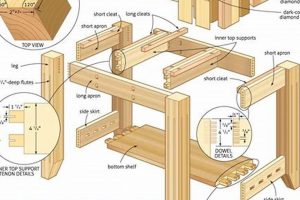
Seasonal woodworking endeavors undertaken during the spring commonly focus on projects that capitalize on the improved weather and increased daylight. These endeavors often involve outdoor furniture construction, garden-related structures, and decorative items intended to celebrate the season’s aesthetic. Examples include building planters for spring flowers, crafting outdoor benches, or creating birdhouses. The activities are inherently related to the spring season, encompassing both functional and ornamental constructions.
Undertaking these constructive activities offers several advantages. It provides opportunities for engaging in outdoor recreation, fostering creativity, and producing useful or aesthetically pleasing objects. Historically, these crafts have been a traditional way to prepare homes and gardens for the warmer months, reflecting a connection to nature and a practical application of skills. The output from these works increases the enjoyment of the outdoor spaces and can become family heirlooms, lasting beyond the season.
The subsequent discussion will explore specific areas of these seasonal pursuits, including considerations for material selection, joinery techniques suitable for outdoor use, and finishing methods that ensure longevity. The article will delve into project ideas appropriate for varying skill levels, offering guidance and instruction for achieving successful and durable results.
Guidance for Spring Woodworking Endeavors
The following are guidelines intended to enhance the success and longevity of constructions undertaken during the spring season. These suggestions address key areas, from material selection to finishing techniques.
Tip 1: Material Selection is Paramount: The choice of wood significantly impacts the project’s resilience. Opt for species naturally resistant to moisture and decay, such as cedar, redwood, or treated lumber. These materials minimize the risk of rot and insect infestation, ensuring the structure’s integrity over time.
Tip 2: Employ Weather-Resistant Joinery Techniques: Traditional joinery methods, such as mortise and tenon or dovetail joints, provide superior strength and stability. Ensure the use of exterior-grade adhesives in conjunction with mechanical fasteners to further reinforce the connections and withstand environmental stressors.
Tip 3: Prioritize Proper Sealing and Finishing: Application of a high-quality sealant or primer is crucial to protect the wood from moisture penetration. Follow with several coats of exterior-grade paint or stain to provide additional protection against UV radiation and water damage. Regular maintenance, including periodic reapplication of finish, is essential.
Tip 4: Incorporate Adequate Drainage: When constructing planters or other containers, ensure adequate drainage to prevent water from pooling around the base. This prevents root rot and prolongs the lifespan of the wood. Consider using a liner to separate the soil from the wood.
Tip 5: Consider Project Placement: The location of the finished piece can significantly influence its durability. Minimize exposure to direct sunlight and excessive moisture to prevent premature deterioration. Positioning structures under eaves or on covered patios can provide additional protection.
Tip 6: Secure Hardware Appropriately: When using screws, nails, or bolts, opt for stainless steel or coated hardware to prevent rust and corrosion. Predrill pilot holes to avoid splitting the wood and ensure a secure and lasting connection.
Tip 7: Account for Wood Movement: Wood expands and contracts with changes in humidity. Design projects to accommodate this natural movement to prevent warping, cracking, and joint failure. Allow for small gaps between boards and avoid rigidly fixing large surfaces.
These recommendations are designed to optimize the outcome of building tasks performed in the spring. Implementation of these guidelines will contribute to increased project durability and aesthetic appeal, resulting in constructions capable of withstanding the elements for years to come.
The article will continue with project ideas, skill development, and safety precautions to ensure a well-rounded understanding of the craft.
1. Material Selection

Material selection constitutes a critical determinant in the success and longevity of woodworking undertaken during the spring season. The inherent properties of different wood species and composite materials directly influence a project’s ability to withstand environmental conditions and maintain structural integrity over time.
- Wood Species and Natural Resistance
Certain wood species exhibit natural resistance to decay, insect infestation, and moisture absorption. Cedar, redwood, and cypress, for example, contain oils and compounds that inhibit the growth of fungi and deter pests, making them suitable for outdoor applications. Selecting these species reduces the need for chemical treatments and enhances the project’s environmental sustainability.
- Treated Lumber and Preservation
Pressure-treated lumber undergoes a chemical impregnation process that renders it resistant to decay and insect damage. While effective, it is imperative to select lumber treated with appropriate preservatives and to adhere to safety guidelines during handling and construction. The specific treatment formulation and retention level should be suitable for the intended application and environmental exposure.
- Composite Materials and Alternatives
Wood-plastic composites (WPCs) and other engineered materials offer alternatives to solid wood. These materials resist rot, warping, and splintering, requiring minimal maintenance. They are often manufactured from recycled content, contributing to resource conservation. However, considerations must be given to their structural properties, thermal expansion characteristics, and aesthetic compatibility with the project design.
- Hardware Compatibility and Durability
The selection of appropriate hardware, including fasteners, hinges, and connectors, is integral to the overall durability of woodworking. Stainless steel or coated hardware resists corrosion and maintains structural integrity in outdoor environments. The choice of hardware should be compatible with the selected material and designed to withstand the stresses and strains associated with the project’s intended use.
The careful consideration of material characteristics and their suitability for outdoor exposure is essential for constructing durable and aesthetically pleasing woodworking projects. Aligning material selection with the specific demands of the spring season and the intended function of the project ensures longevity and reduces the need for frequent repairs or replacements.
2. Project Planning

Effective project planning is paramount when undertaking woodworking during the spring season. This phase encompasses a structured approach to define objectives, allocate resources, and mitigate potential challenges that may arise due to seasonal factors.
- Detailed Design and Documentation
Comprehensive design documentation, including precise measurements, material lists, and assembly diagrams, is crucial. This reduces errors, ensures efficient material utilization, and provides a clear roadmap for construction. For spring-specific projects, this includes accounting for potential weather-related delays and material storage considerations.
- Resource Allocation and Procurement
Careful allocation of resources, including tools, materials, and labor, optimizes efficiency and minimizes downtime. Procuring materials in advance, considering potential supply chain disruptions due to weather conditions, is advisable. Budgetary considerations must also be factored into the planning phase to avoid cost overruns.
- Risk Assessment and Mitigation
Identifying and mitigating potential risks associated with outdoor construction during the spring is essential. This includes assessing the likelihood of inclement weather, accounting for fluctuating humidity levels, and implementing safety measures to protect workers and materials from exposure to the elements.
- Timeline Management and Scheduling
Developing a realistic timeline that accounts for potential delays due to weather or unforeseen circumstances is crucial. Breaking down the project into manageable tasks and assigning realistic deadlines to each task improves accountability and facilitates progress tracking. Periodic review and adjustment of the timeline may be necessary to accommodate unforeseen challenges.
By integrating meticulous planning, woodworking endeavors planned for the spring have an enhanced probability of success, resulting in durable and aesthetically pleasing structures that withstand the seasonal elements. Project planning increases the efficiency of building and reduces the impact of possible set backs of woodworking ventures, allowing a well-managed woodworking experiences.
3. Joinery Strength

The durability and longevity of creations depend critically on joinery strength. Outdoor structures, planters, furniture, and decorative items crafted during spring are inherently subject to environmental stressors: moisture, temperature fluctuations, and wind. Insufficient joint strength will lead to premature structural failure, rendering the construction unusable and negating the time and resources invested.
The selection of appropriate joinery techniques is therefore paramount. Mortise and tenon joints, dovetail joints, and adequately reinforced rabbet joints are examples of robust methods well-suited for projects intended to withstand outdoor conditions. The efficacy of these joints is further enhanced by the application of exterior-grade adhesives and corrosion-resistant fasteners. A poorly executed joint, conversely, provides an entry point for moisture, accelerating rot and weakening the overall structure. Consider, for example, an outdoor bench constructed with simple butt joints held together by standard wood screws. Under the weight of regular use and exposure to rain, these joints are likely to fail within a relatively short timeframe, while a similar bench utilizing mortise and tenon joints, properly glued and sealed, would provide years of service.
In summary, the connection between joinery strength and spring woodworking activities is direct and consequential. Adequate joint strength serves as the foundation for durable outdoor creations, while inadequate joinery invites premature failure. Project planning must, therefore, prioritize the selection and execution of appropriate joinery techniques to ensure the longevity and utility of finished works. This is not only a matter of structural integrity but also of resource conservation and responsible craftsmanship.
4. Finishing Techniques
Finishing techniques represent an indispensable component of woodworking projects undertaken during the spring season. The application of appropriate finishes directly influences the longevity, aesthetics, and protective qualities of crafted items. Spring-specific projects, often intended for outdoor use, necessitate finishes that can withstand environmental stressors such as moisture, ultraviolet radiation, and temperature fluctuations.
- Protection Against Moisture Intrusion
Finishes designed to impede moisture intrusion are crucial for preventing rot, warping, and delamination in wood. Exterior-grade paints, stains, and sealants create a barrier against water absorption, minimizing the risk of structural damage. Proper application techniques, including thorough surface preparation and multiple coats, are essential for maximizing the protective effect. The specific finish selected should be compatible with the wood species and the intended use of the item. An inadequately sealed picnic table, for example, will be prone to water damage and premature failure.
- Resistance to Ultraviolet Radiation
Prolonged exposure to ultraviolet (UV) radiation can cause fading, discoloration, and degradation of wood surfaces. Finishes containing UV inhibitors or stabilizers mitigate these effects, preserving the aesthetic appearance and structural integrity of the wood. Clear finishes, in particular, require UV protection to prevent yellowing and cracking over time. Outdoor furniture, birdhouses, and planters all benefit from finishes that offer robust UV resistance, maintaining their visual appeal and structural soundness.
- Enhancement of Aesthetic Appeal
Finishes contribute significantly to the aesthetic appeal of woodworking. Stains enhance the natural grain patterns of wood, while paints offer a wide range of color options. The selection of an appropriate finish can transform the visual character of a project, complementing its design and enhancing its overall attractiveness. A well-applied finish not only protects the wood but also elevates the project’s aesthetic value, creating a visually pleasing and durable product.
- Maintenance and Longevity
The selection and application of appropriate finishes impact the ease of maintenance and the overall longevity of woodworking. Durable finishes resist scratches, stains, and abrasions, reducing the need for frequent repairs or refinishing. Regular cleaning and periodic reapplication of finish can extend the lifespan of the project, ensuring its continued functionality and aesthetic appeal. A thoughtfully chosen and properly maintained finish contributes to the long-term value and enjoyment of woodworking creations.
In summary, the correct finishing ensures the aesthetic and functional durability of woodworking in the spring and promotes structures that will withstand time and weather conditions. Without proper application, even the best material woodworking materials are in danger of failing with prolonged weathering, thus stressing the need of following the appropriate finishing methods during the construction process.
5. Weather Resistance

Weather resistance constitutes a critical factor in the success and longevity of woodworking creations undertaken during the spring season. The inherent vulnerability of wood to environmental elements necessitates careful consideration of design, materials, and construction techniques to mitigate the detrimental effects of moisture, temperature fluctuations, and ultraviolet radiation. Structures intended for outdoor use must possess inherent resilience to withstand these challenges and maintain their structural integrity over extended periods.
- Material Selection and Natural Durability
The selection of naturally durable wood species, such as cedar, redwood, and teak, provides an initial layer of protection against decay and insect infestation. These species contain natural oils and compounds that inhibit fungal growth and deter pests, reducing the need for chemical treatments. The inherent weather resistance of these materials contributes significantly to the long-term performance of outdoor structures. For example, a planter constructed from cedar will exhibit greater resistance to rot and decay compared to one built from untreated pine, extending its lifespan and minimizing maintenance requirements.
- Protective Coatings and Sealants
The application of protective coatings and sealants provides a barrier against moisture penetration and ultraviolet radiation. Exterior-grade paints, stains, and varnishes create a film that shields the wood surface from direct exposure to the elements, preventing warping, cracking, and discoloration. Regular maintenance, including periodic reapplication of these coatings, is essential for preserving their protective properties. A wooden garden bench treated with a UV-resistant sealant will maintain its color and structural integrity for a longer period than one left untreated, resisting the fading and degradation caused by sunlight exposure.
- Construction Techniques and Design Considerations
Construction techniques that promote water runoff and minimize moisture accumulation enhance weather resistance. Sloping surfaces, adequate drainage systems, and elevated platforms prevent water from pooling and accelerating decay. Design considerations, such as overhanging roofs and covered areas, provide additional protection from rain and snow. A well-designed birdhouse with a sloped roof and drainage holes will remain drier and more resistant to rot compared to one with a flat roof and no drainage, providing a more hospitable environment for birds and extending its lifespan.
- Hardware Selection and Corrosion Resistance
The selection of corrosion-resistant hardware, such as stainless steel or coated fasteners, is essential for maintaining structural integrity in outdoor environments. Standard steel screws and nails are prone to rust and degradation when exposed to moisture, weakening joints and compromising the overall stability of the structure. Corrosion-resistant hardware maintains its strength and appearance over time, ensuring the long-term durability of woodworking. An outdoor gate secured with stainless steel hinges and latches will function smoothly and resist corrosion, providing reliable access and enhancing the aesthetic appeal of the entryway.
The integration of weather-resistant materials, protective coatings, thoughtful construction techniques, and durable hardware is critical for ensuring the success of woodworking. These considerations collectively contribute to the creation of outdoor structures that withstand the challenges of the spring season and provide lasting value and enjoyment.
6. Tool Maintenance

The intersection of tool maintenance and endeavors undertaken during the spring season is defined by a causal relationship: the state of woodworking implements directly influences the quality and efficiency of resulting constructions. Neglecting to maintain tools, particularly after periods of winter storage, can lead to decreased performance, increased safety risks, and a diminished final product. For example, rust accumulation on saw blades results in ragged cuts and increased effort, while dull planer blades produce uneven surfaces requiring additional sanding. This relationship underscores the importance of systematic inspection and restoration of tools prior to their use in spring projects. Ensuring proper calibration, sharpening, and lubrication not only improves the precision and speed of work but also extends the lifespan of the tools themselves, representing a long-term investment in woodworking capability.
Practical applications of this understanding are manifold. Spring represents an optimal period to conduct a comprehensive tool inventory and implement necessary maintenance procedures. This might involve dismantling power tools to clean and lubricate internal components, sharpening hand tools using appropriate honing techniques, or replacing worn-out parts such as belts or bearings. Further, recognizing the specific demands placed on tools during outdoor woodworking exposure to moisture, dust, and potentially abrasive materials dictates that maintenance protocols should be tailored accordingly. For instance, applying a rust-inhibiting coating to tools used outdoors, or frequently cleaning blades exposed to sap, are practical steps that mitigate environmental damage and ensure optimal performance throughout the season.
In summary, rigorous attention to the upkeep of instruments is a critical component of woodworking tasks carried out during the season of growth and renewal. Although perceived as a preliminary step, thorough attention paid to the functional readiness of saws, planes, chisels, and drills serves to minimize difficulties, promote safety, and maximize the quality of building outcomes. This practice not only enhances immediate results, but sustains the effectiveness and usefulness of woodworking equipment over extended durations. Addressing these problems helps promote better performance and safer work environment.
Frequently Asked Questions
The following elucidates common inquiries regarding woodworking tasks undertaken during the spring season, providing detailed answers to promote successful and safe project completion.
Question 1: What wood species offer optimal weather resistance for outdoor creations?
Wood species naturally resistant to decay and insect infestation are optimal for outdoor applications. Cedar, redwood, cypress, and teak possess inherent oils and compounds that deter pests and inhibit fungal growth, minimizing the need for chemical treatments and extending the lifespan of structures.
Question 2: Which finishes provide the most effective protection against ultraviolet (UV) radiation?
Finishes formulated with UV inhibitors or stabilizers are crucial for mitigating the damaging effects of sunlight on wood surfaces. Exterior-grade paints, stains, and varnishes containing these additives prevent fading, discoloration, and degradation, preserving the aesthetic appearance and structural integrity of the wood.
Question 3: How does proper tool maintenance contribute to the quality of woodworking?
Sharpening and lubricating tools ensures precise cuts and smooth surfaces, reduces the effort required for tasks, and minimizes the risk of accidents. Rust removal and corrosion prevention protect tools from environmental damage, extending their lifespan and maintaining their performance.
Question 4: What joinery techniques provide superior strength and stability for outdoor structures?
Mortise and tenon joints, dovetail joints, and properly reinforced rabbet joints offer exceptional strength and resistance to stress. These techniques create robust connections that withstand the forces exerted by weather and usage, ensuring the longevity and structural integrity of outdoor woodworking creations. Exterior-grade adhesives in conjunction with mechanical fasteners further reinforce these connections.
Question 5: How can proper drainage mitigate the effects of moisture on structures such as planters?
Adequate drainage systems prevent water from pooling around the base of structures, reducing the risk of rot and decay. Drainage holes, gravel layers, and elevated platforms promote water runoff, minimizing moisture absorption and extending the lifespan of woodworking creations. Liners separating soil from the wood in planters can further reduce moisture exposure.
Question 6: What safety precautions are essential when undertaking woodworking tasks during the spring?
Appropriate personal protective equipment, including safety glasses, dust masks, and hearing protection, is crucial for minimizing the risk of injury. Maintaining a clean and organized workspace reduces the likelihood of accidents. Following manufacturer’s instructions for operating power tools and using sharp tools safely is essential for preventing cuts, abrasions, and other injuries. Awareness of weather conditions can also minimize the risk during exterior construction tasks.
Adherence to these guidelines will facilitate the creation of durable, aesthetically pleasing, and safe creations. The importance of comprehensive planning, suitable materials, and safe work processes cannot be overstated.
The subsequent section will explore advanced woodworking concepts, addressing intricate design principles and specialized techniques.
Conclusion
The preceding examination of spring woodworking projects has underscored the critical considerations necessary for successful execution. From material selection and joinery techniques to appropriate finishing and weather resistance strategies, each element contributes significantly to the longevity and aesthetic value of resulting works. The discussion emphasizes the importance of pre-planning, diligent maintenance, and adherence to safety protocols to mitigate risks and optimize outcomes. The selection of appropriate materials and careful construction practices guarantee the construction of projects capable of withstanding the weather.
While this exploration provides a comprehensive overview, ongoing learning and adaptation to emerging technologies and sustainable practices remain essential. Further investigation into advanced design principles and specialized woodworking methods is encouraged to refine skills and expand creative possibilities. Diligence, when combined with information, leads to successful completion of building-related activities planned for the season. Such tasks include building furniture, decorating homes and gardens, and building heirlooms. The diligent application of sound principles will ensure the creation of durable, aesthetically pleasing projects for years to come.