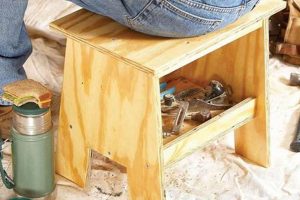
Constructing items for angling using wood combines the precision of woodworking with the practical demands of the sport. This craft involves creating a range of items, from simple tackle boxes and rod holders to more elaborate structures like custom boats or pier extensions. An example includes building a personalized fly-fishing box with compartments tailored to specific fly patterns.
The practice offers several advantages. Functionally, it provides anglers with customized gear suited to their individual needs and preferences. Historically, crafting wooden tools for fishing represents a long-standing tradition, reflecting resourcefulness and a connection to natural materials. Moreover, engaging in this type of project can be a cost-effective alternative to purchasing commercially produced items, while also fostering creativity and skill development.
Further discussion will explore specific project ideas, essential tools and materials, safety considerations, and techniques for preserving wooden items used in aquatic environments. Considerations for design and functionality will also be addressed, enabling the effective creation of durable and practical angling equipment.
Tips for Successful Angling-Related Woodcraft
Effective construction of angling equipment requires careful planning and execution. The following tips aim to improve the durability, functionality, and aesthetic appeal of projects within this domain.
Tip 1: Material Selection is Critical. Choose wood species resistant to moisture and decay, such as cedar, cypress, or treated lumber. This will extend the lifespan of the finished item, particularly when used in or near water.
Tip 2: Precise Joinery Enhances Strength. Employ robust joinery techniques, such as mortise and tenon joints or dovetail joints, to ensure structural integrity. These methods offer greater resistance to stress and separation compared to simpler joints.
Tip 3: Apply a Protective Finish. Utilize marine-grade varnish or epoxy resin to seal the wood and prevent water damage. Multiple coats, properly applied, will provide enhanced protection against the elements.
Tip 4: Consider Ergonomics in Design. Prioritize comfort and ease of use when designing items like rod holders or tackle boxes. Thoughtful design contributes to a more enjoyable angling experience.
Tip 5: Incorporate Corrosion-Resistant Hardware. Select stainless steel or brass hardware to avoid rust and corrosion, which can compromise the integrity of the project and contaminate the surrounding environment.
Tip 6: Plan for Drainage and Ventilation. Design enclosed structures, such as tackle boxes, to allow for adequate drainage and ventilation. This minimizes moisture build-up, preventing mold growth and prolonging the life of the contents.
Tip 7: Prioritize Safety Throughout the Process. Employ appropriate safety measures when using power tools and handling potentially hazardous materials. Eye protection, hearing protection, and dust masks are essential.
Following these guidelines can significantly improve the quality and longevity of angling-related woodcraft. Careful attention to detail and a commitment to sound construction principles will result in functional and aesthetically pleasing equipment.
The subsequent section will delve into specific project plans, offering step-by-step instructions for creating a variety of angling tools and accessories.
1. Material Selection
In the domain of angling-related woodworking, the selection of appropriate materials is paramount to the success and longevity of any project. The aquatic environment presents significant challenges to wooden structures, necessitating careful consideration of wood species and their inherent properties.
- Water Resistance
The capacity of a wood species to resist water absorption and subsequent decay is a primary factor. Woods with high natural oil content, such as cedar and cypress, exhibit superior water resistance compared to less dense hardwoods. Their use in constructing items like tackle boxes or boat components directly translates to extended service life and reduced maintenance requirements.
- Strength and Durability
Beyond water resistance, the structural integrity of the chosen wood is crucial. Dense hardwoods like oak or ash offer greater strength and impact resistance, making them suitable for load-bearing elements such as boat frames or pier supports. However, the increased density can also affect workability and weight, factors that must be balanced against the need for durability.
- Workability
The ease with which a wood can be shaped, joined, and finished is another important consideration. Softwoods like pine are relatively easy to work with but may lack the durability required for demanding applications. The optimal choice often involves a compromise between workability and the necessary physical properties for the intended use. Proper tool selection and technique are crucial when working with denser, more challenging woods.
- Preservation Treatments
The application of preservatives can significantly enhance the resistance of wood to decay and insect infestation. Pressure-treated lumber, for example, is commonly used in outdoor structures to extend its lifespan. However, the use of certain preservatives may raise environmental concerns, necessitating careful consideration of the potential impact on aquatic ecosystems.
Ultimately, the selection of materials for angling-related woodworking projects represents a complex decision-making process that balances factors of water resistance, strength, workability, and environmental impact. Informed choices based on a thorough understanding of wood properties will contribute to the creation of durable, functional, and sustainable angling equipment.
2. Joint Strength

In the context of fishing woodworking projects, joint strength is a critical factor determining the longevity and functionality of constructed items. Exposure to moisture, varying temperatures, and the stresses of angling activities necessitate robust joinery techniques capable of withstanding these demanding conditions.
- Mortise and Tenon Joints
This traditional joint, characterized by a projecting tenon fitted into a mortise (a corresponding hole), offers exceptional resistance to racking forces. In fishing woodworking, it is suitable for constructing boat frames or sturdy rod racks, providing a durable connection that can withstand significant stress from wave action or heavy equipment.
- Dovetail Joints
Known for their interlocking design, dovetail joints excel at resisting tensile forces, making them ideal for constructing tackle boxes or drawers. The angled “tails” and “pins” create a mechanical lock that prevents the joint from pulling apart, even under significant load or repeated opening and closing.
- Lap Joints with Epoxy
Lap joints, where two pieces of wood overlap, can be significantly strengthened with the addition of marine-grade epoxy. This adhesive provides exceptional water resistance and bonding strength, making it suitable for joining planks in boat construction or creating waterproof seams in fishing crates. The epoxy fills gaps and creates a continuous bond, enhancing the joint’s overall durability.
- Screwed and Glued Joints
Combining screws with waterproof glue provides a strong and reliable joint for various fishing woodworking applications. Screws offer mechanical fastening, while the glue fills gaps and creates a chemical bond. This combination is effective for constructing simpler structures like fish cleaning stations or bait boxes, providing adequate strength and water resistance without requiring complex joinery techniques.
The selection of an appropriate jointing method should consider the specific demands of each fishing woodworking project. Proper execution of the chosen technique, coupled with the use of high-quality materials and adhesives, ensures that the finished product can withstand the rigors of the aquatic environment and the demands of angling activities.
3. Water Resistance

The effectiveness of any woodworking project intended for fishing is intrinsically linked to its resistance to water. The consistent exposure to moisture in aquatic environments creates conditions that accelerate wood decay, compromising structural integrity and shortening the lifespan of constructed items. Consequently, the selection of water-resistant materials and the application of appropriate protective measures are paramount considerations.
The interplay between water and wood initiates a chain of events. Water penetration fosters the growth of fungi and other microorganisms that decompose wood fibers, leading to rot. This process weakens the material, making it susceptible to breakage under stress. For example, a fishing pier constructed from untreated wood will degrade rapidly due to fungal attack, ultimately posing a safety hazard. Conversely, using naturally water-resistant wood species, such as cedar or cypress, or applying effective waterproofing treatments significantly prolongs the pier’s structural integrity and extends its usable life. A practical illustration of this is the longevity of wooden boats built with epoxy encapsulation, a technique that prevents water from reaching the wood fibers.
The importance of water resistance cannot be overstated. Without it, woodworking projects intended for angling will inevitably succumb to degradation, resulting in wasted resources and potential hazards. By prioritizing material selection, employing effective protective coatings, and understanding the mechanisms of wood decay, craftsmen can ensure the durability and safety of their creations, supporting sustainable and enjoyable angling practices. Further research into advanced wood preservation techniques is crucial for mitigating the challenges posed by aquatic environments.
4. Ergonomic Design

Ergonomic design principles, when applied to fishing woodworking projects, directly influence the user’s comfort, efficiency, and long-term physical well-being. Careful consideration of human factors in the design process ensures that the final product is not only functional but also minimizes strain and maximizes ease of use.
- Handle Design and Grip
The shape and material of handles on items like fishing nets, gaffs, or rod holders directly impact grip strength and hand fatigue. Handles should be shaped to fit the natural curvature of the hand, and materials should provide a secure, non-slip grip even when wet. Poorly designed handles can lead to hand cramps, reduced control, and increased risk of injury, especially during prolonged use.
- Weight Distribution and Balance
The distribution of weight in items like tackle boxes or fishing crates significantly affects the ease of carrying and maneuvering. An imbalanced design can place undue stress on certain muscle groups, leading to fatigue and potential injury. Ergonomic design aims to distribute weight evenly, minimizing strain and allowing for comfortable carrying over extended periods. Examples include centering the weight in a tackle box or using lightweight materials.
- Accessibility and Reach
The placement of compartments, drawers, and other features within fishing woodworking projects influences the user’s reach and accessibility. Ergonomic design prioritizes easy access to frequently used items, minimizing the need for bending, stretching, or awkward movements. This is particularly important in tackle boxes, where anglers need quick access to lures, hooks, and other essential gear.
- Posture and Body Alignment
Items like fishing rod stands or workstations for cleaning fish can influence posture and body alignment during angling activities. Ergonomic design aims to promote a neutral spine and reduce the risk of back pain and other musculoskeletal issues. This can be achieved by designing surfaces at appropriate heights, providing adequate legroom, and incorporating features that support proper posture.
The implementation of ergonomic design principles in fishing woodworking projects extends beyond mere comfort; it promotes physical well-being, enhances efficiency, and improves the overall angling experience. By considering the human body’s capabilities and limitations during the design process, craftsmen can create tools and equipment that are both functional and ergonomically sound. This approach contributes to a more sustainable and enjoyable angling pursuit.
5. Hardware Durability

The selection and application of durable hardware components are crucial to the success of any woodworking project designed for fishing. The aquatic environment presents a uniquely corrosive atmosphere, demanding materials that can withstand prolonged exposure to moisture, salt, and the stresses associated with angling activities. The longevity and reliability of these projects hinge significantly on the hardware employed.
- Corrosion Resistance
The primary concern for hardware used in fishing-related woodworking is its ability to resist corrosion. Stainless steel, particularly 316 grade, and marine-grade brass are preferred due to their inherent resistance to rust and degradation in saline environments. Fasteners, hinges, and other metal components must be manufactured from these alloys to prevent premature failure. An example is the use of stainless steel screws in constructing boat seats, where the constant exposure to water would rapidly corrode standard steel screws, leading to structural weakness.
- Load-Bearing Capacity
Hardware must be selected based on the anticipated load it will bear. Hinges on a tackle box, for example, must be sized appropriately to support the weight of the lid and its contents without bending or breaking. Shackles and cleats used for securing boats must have a sufficient working load limit to withstand the forces exerted by waves and wind. Failure to consider load-bearing capacity can result in catastrophic failure and potential safety hazards.
- Material Compatibility
Hardware materials must be compatible with the wood species used in the project. Galvanic corrosion can occur when dissimilar metals are in contact, especially in the presence of an electrolyte like saltwater. Using aluminum hardware with certain woods can accelerate corrosion of the aluminum. Careful consideration must be given to the electrochemical properties of both the hardware and the wood to prevent premature degradation.
- Secure Fastening
The method of fastening hardware to the wood is as important as the durability of the hardware itself. Screws should be of sufficient length to penetrate deeply into the wood, and pre-drilling pilot holes can prevent splitting. Bolts should be secured with lock washers to prevent loosening due to vibration. Improper fastening techniques can compromise the integrity of the entire project, even if the hardware itself is of high quality. An example is the use of through-bolting with backing plates for securing cleats on a wooden boat, providing a much stronger and more reliable attachment than screws alone.
The selection and proper installation of durable hardware are essential to ensure the longevity, safety, and functionality of fishing woodworking projects. Disregarding these factors can lead to premature failure, costly repairs, and potentially hazardous situations. By prioritizing corrosion resistance, load-bearing capacity, material compatibility, and secure fastening, craftsmen can create durable and reliable equipment for the demanding environment of angling.
6. Drainage Systems
Effective drainage systems are a critical yet often overlooked component of fishing woodworking projects, particularly those intended for outdoor use or contact with water. The accumulation of moisture within enclosed structures, such as tackle boxes, bait containers, or boat compartments, fosters an environment conducive to mold growth, wood rot, and corrosion of metallic components. This, in turn, reduces the lifespan of the project and can compromise the integrity of its contents. The inclusion of well-designed drainage systems mitigates these risks by facilitating the removal of accumulated water, thereby promoting ventilation and reducing humidity levels within the structure.
Consider a wooden bait container designed without drainage. Residual water from thawing bait or condensation will collect at the bottom, creating a breeding ground for bacteria and accelerating the decomposition of the wood. Over time, this can lead to structural failure and the loss of stored bait. Conversely, a similar container equipped with strategically placed drainage holes allows water to escape, preventing the build-up of moisture and preserving both the bait and the integrity of the container. Similarly, boat compartments without drainage can trap rainwater or spray, leading to the deterioration of the wood and potential damage to stored equipment. Properly designed drainage channels and scuppers prevent this accumulation and ensure the longevity of the vessel. The design of these systems must account for the anticipated volume of water and the angle of the structure when in use.
In summary, drainage systems are an indispensable element of durable and functional fishing woodworking projects. Their integration is not merely an aesthetic consideration but a practical necessity for preserving the structural integrity of the wood and protecting stored contents from the damaging effects of moisture. Overlooking this aspect can lead to premature degradation and costly repairs, whereas thoughtful planning and implementation of effective drainage solutions will significantly extend the lifespan and utility of the project. Furthermore, the design should consider the prevention of invasive species transfer through water drainage, promoting responsible environmental practices.
7. Safety Measures

The creation of fishing woodworking projects inherently involves risks associated with power tools, sharp implements, and potentially hazardous materials. Proper adherence to safety measures directly mitigates the likelihood of injury and ensures a secure working environment. Failure to implement these precautions can result in cuts, abrasions, eye injuries, or more severe accidents, undermining the success and enjoyment of the craft. For instance, neglecting to wear safety glasses while operating a router can lead to wood chips or debris lodging in the eyes, causing significant harm. Similarly, inadequate ventilation during the application of chemical finishes can result in respiratory irritation or long-term health problems. The connection between safety and project outcome is undeniable: a safe working environment promotes focus and precision, leading to higher quality finished products.
Specific safety protocols tailored to fishing woodworking projects include the proper use of personal protective equipment (PPE), such as respirators for dust and fume protection, and gloves appropriate for the materials being handled. Safe operation of power tools requires thorough knowledge of their functionalities and limitations, along with strict adherence to manufacturer’s guidelines. Secure clamping of workpieces prevents slippage and reduces the risk of accidents. Proper storage and disposal of chemicals and waste materials minimizes environmental impact and prevents accidental exposure. A practical example includes the safe disposal of used sandpaper containing varnish residue to avoid spontaneous combustion. Regular maintenance and inspection of tools ensure their safe and efficient operation, identifying and addressing potential hazards before they escalate.
In summary, safety measures are not merely an ancillary concern but a fundamental component of successful fishing woodworking projects. By prioritizing safety, craftsmen protect themselves, their surroundings, and the integrity of their creations. Adherence to safety protocols reduces the risk of accidents, promotes a more productive working environment, and contributes to the overall quality and sustainability of the craft. Continuous education and reinforcement of safety practices are essential for fostering a culture of safety within the woodworking community, ensuring a secure and rewarding experience for all participants.
Frequently Asked Questions About Fishing Woodworking Projects
This section addresses common inquiries regarding the design, construction, and maintenance of woodworking projects specifically tailored for angling environments. The information presented aims to clarify best practices and address potential challenges encountered when combining woodworking with the demands of fishing activities.
Question 1: What wood species are most suitable for projects exposed to saltwater?
Cypress, cedar, and certain types of marine-grade plywood exhibit superior resistance to saltwater degradation. These species possess natural oils and densities that inhibit water absorption and fungal growth, extending the lifespan of structures built in marine environments. Treated lumber can also be employed, but its use requires careful consideration of potential environmental impacts.
Question 2: What joinery techniques provide the greatest strength and water resistance?
Mortise and tenon joints, particularly when reinforced with waterproof adhesives, offer exceptional strength and stability. Dovetail joints are also effective in resisting tensile forces. For projects requiring maximum water resistance, lap joints sealed with marine-grade epoxy provide a robust and watertight connection.
Question 3: How can a protective finish extend the life of a woodworking project used in fishing?
Multiple coats of marine-grade varnish or epoxy resin create a barrier against water intrusion, protecting the wood from decay and UV damage. Regular maintenance and reapplication of the finish are necessary to maintain its effectiveness over time. Proper surface preparation, including sanding and cleaning, is essential for optimal adhesion of the protective coating.
Question 4: What hardware materials are recommended for preventing corrosion in a marine environment?
Stainless steel, specifically 316 grade, and marine-grade brass are highly resistant to corrosion caused by saltwater. Avoid using dissimilar metals in contact, as this can accelerate galvanic corrosion. Regularly inspect hardware for signs of wear or corrosion and replace components as needed.
Question 5: How can drainage be effectively incorporated into fishing woodworking projects?
Strategically placed drainage holes or channels allow water to escape from enclosed structures, preventing the build-up of moisture and reducing the risk of rot and mold growth. The size and placement of drainage features should be tailored to the specific design and anticipated use of the project. Consider incorporating a slight slope to facilitate water runoff.
Question 6: What safety precautions are essential when working with wood preservatives and finishes?
Always work in a well-ventilated area when applying wood preservatives or finishes. Wear appropriate personal protective equipment, including respirators, gloves, and eye protection. Follow the manufacturer’s instructions carefully regarding application methods, drying times, and disposal procedures. Store chemicals safely and out of reach of children.
These FAQs provide a foundation for understanding key aspects of fishing woodworking projects. Careful planning and execution are essential for creating durable, functional, and safe equipment for angling activities.
The subsequent section will delve into specific project plans, offering step-by-step instructions for creating a variety of angling tools and accessories.
Conclusion
The preceding exploration has outlined the critical considerations inherent in constructing durable and functional items. From material selection to joint strength and safety protocols, a comprehensive understanding of these elements is vital for successful project execution. Emphasis on water resistance, ergonomic design, and hardware durability directly contributes to the longevity and utility of items employed in aquatic environments.
The application of informed woodworking techniques to angling equipment presents a compelling opportunity for customization and craftsmanship. Continued refinement of methods and materials will undoubtedly lead to further innovation in this specialized domain. Prioritizing responsible practices, including sustainable material sourcing and environmentally conscious finishing, ensures the long-term viability of this craft and its integration with responsible resource management.
![Profitable Small Woodworking Projects to Sell Ideas [Easy!] | Step-by-Step Guides, Tools & Inspiration to Build Beautiful Wooden Decor on a Budget](https://woodfromhome.com/wp-content/uploads/2026/04/th-355-300x200.jpg "Profitable Small Woodworking Projects to Sell Ideas [Easy!] Step-by-Step Guides, Tools & Inspiration to Build Beautiful Wooden Decor on a Budget")

![DIY Woodworking Projects Christmas Gifts Ideas [Beginner] | Step-by-Step Guides, Tools & Inspiration to Build Beautiful Wooden Decor on a Budget](https://woodfromhome.com/wp-content/uploads/2026/04/th-342-300x200.jpg "DIY Woodworking Projects Christmas Gifts Ideas [Beginner] Step-by-Step Guides, Tools & Inspiration to Build Beautiful Wooden Decor on a Budget")