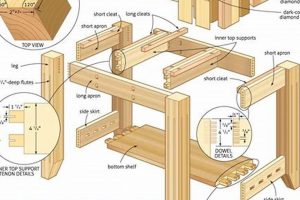
Creative endeavors in carpentry often involve crafting visually appealing and functionally innovative items from wood. Examples range from complex furniture pieces with intricate joinery to smaller, decorative objects featuring unique designs. These undertakings commonly require a combination of skill, patience, and an eye for detail.
The advantages of engaging in such activities include the development of problem-solving abilities, enhanced hand-eye coordination, and the satisfaction of creating tangible objects. Historically, woodworking has been a fundamental craft, evolving from basic tool production to intricate artistry, shaping cultural expression and technological advancement.
The following sections will delve into specific examples of inventive carpentry, providing insight into techniques, materials, and potential challenges involved in bringing these concepts to fruition. The exploration aims to equip readers with the knowledge to potentially embark on their own creative woodworking journeys.
Essential Woodworking Guidance
This section provides pertinent advice for individuals contemplating inventive carpentry, designed to mitigate common challenges and promote successful project completion.
Tip 1: Prioritize Detailed Planning: Before initiating any carpentry endeavor, a comprehensive plan is paramount. This includes precise measurements, material selection, and a clear understanding of the intended design. Neglecting this step often results in material waste and structural inaccuracies.
Tip 2: Master Fundamental Joinery Techniques: Solid proficiency in basic joinery, such as mortise and tenon, dovetail, and miter joints, is foundational. These techniques provide the structural integrity necessary for enduring pieces. Consistent practice with scrap wood is recommended to refine these skills.
Tip 3: Select Appropriate Wood Species: The choice of wood significantly impacts the final product’s appearance and durability. Hardwoods like oak and maple offer superior strength for load-bearing elements, while softwoods such as pine are easier to work with for decorative purposes. Consider the project’s intended environment and usage when selecting wood.
Tip 4: Employ Precise Cutting and Measuring Tools: Accuracy is crucial. Invest in quality measuring tapes, squares, and saws. Regular calibration of these tools ensures dimensional consistency and reduces the likelihood of errors. A sharp blade is essential for clean, safe cuts.
Tip 5: Implement Proper Finishing Techniques: A well-executed finish enhances the wood’s natural beauty and provides protection against moisture and wear. Sanding thoroughly prior to applying stain, paint, or varnish is essential. Consider multiple coats for optimal results.
Tip 6: Ensure Workplace Safety: Woodworking inherently involves the use of potentially hazardous tools. Always wear appropriate safety gear, including eye protection, hearing protection, and a dust mask. Maintain a clean and organized workspace to minimize the risk of accidents.
Tip 7: Start with Simpler Projects: Avoid overly ambitious undertakings initially. Beginning with smaller, less complex designs allows for skill development and familiarization with tools and techniques. Gradual progression to more intricate projects is advisable.
Effective execution in carpentry requires meticulous attention to detail, adherence to safety protocols, and a commitment to continuous learning. By focusing on these key areas, individuals can significantly increase their chances of creating high-quality, aesthetically pleasing pieces.
The subsequent section will provide an overview of popular carpentry design styles, offering inspiration for future projects.
1. Precision

Woodworking projects categorized as innovative or highly desirable inherently require a high degree of accuracy. Precision, in this context, is not merely a desirable attribute but a fundamental prerequisite. The connection between dimensional correctness and aesthetic appeal is direct; deviations from planned measurements frequently result in structural instability or visual discordance. For instance, an intricately designed table featuring uneven leg lengths immediately loses its intended elegance and utility. The cause-and-effect relationship is clear: inadequate precision leads to compromised outcomes. The importance of careful measurements and execution is amplified as project complexity increases. Intricate joinery, such as mortise-and-tenon joints in a sculpted chair, demands exactitude to ensure structural integrity and visual harmony.
The practical significance of understanding this relationship lies in the selection and application of appropriate techniques and tools. Employing digital measuring devices, laser levels, and precision saws becomes essential for achieving desired outcomes in complex designs. Furthermore, a commitment to meticulousness in every phase of the project, from initial layout to final assembly, is vital. An example is the creation of segmented bowls, where each individual piece must be cut to a precise angle to form a cohesive and visually appealing circular form. Without precise cuts, the resulting bowl will appear irregular and lack the desired aesthetic impact. Similarly, complex inlays depend on precisely cut cavities and perfectly fitted inlay pieces to achieve a seamless and visually striking effect.
In summary, precision is not just a component of innovative woodworking projects; it is a cornerstone upon which their success rests. Challenges associated with achieving high levels of accuracy can be mitigated through the diligent application of proper tools, techniques, and a unwavering commitment to detail. By prioritizing precision, woodworkers can transform their concepts into tangible objects that exhibit both functional excellence and enduring beauty, thereby realizing the full potential of “really cool woodworking projects”.
2. Innovation

Innovation serves as a catalyst for transforming conventional carpentry into exceptional woodworking endeavors. The incorporation of novel concepts, techniques, and materials elevates projects beyond mere functionality, imbuing them with unique aesthetic and practical value. This infusion of originality is a defining characteristic of what is deemed “really cool woodworking projects”.
- Material Integration
The integration of unconventional materials expands design possibilities and introduces unique textural and visual elements. Combining wood with materials such as resin, metal, or concrete yields striking contrasts and functional advantages. For example, embedding resin rivers into wooden tabletops creates visually stunning focal points, while reinforcing wooden structures with metal accents enhances durability and load-bearing capacity.
- Hybrid Joinery Techniques
The development and application of hybrid joinery methods can improve structural integrity, streamline assembly processes, and introduce distinctive aesthetic features. Combining traditional joinery techniques, such as mortise and tenon, with modern fastening systems offers the strength of classic methods with the efficiency of contemporary hardware. This approach is exemplified by using concealed fasteners in conjunction with traditional dovetail joints for a seamless yet robust connection.
- Parametric Design Implementation
The adoption of parametric design software facilitates the creation of complex geometries and intricate patterns that would be difficult or impossible to produce manually. This technology allows for the customization of designs based on variable parameters, enabling the creation of unique and highly adaptable pieces. Examples include generating intricate lattice structures for furniture or creating organic, flowing forms for decorative objects, pushing the boundaries of traditional woodworking.
- Multi-Functional Design
The incorporation of multiple functions into a single woodworking project enhances its utility and value. Designing furniture with integrated storage solutions, such as hidden compartments or transforming elements, maximizes space utilization and provides practical benefits. A table that converts into a desk or a storage bench that doubles as seating exemplifies this multi-functional design approach, elevating its inherent “coolness”.
These innovative facets collectively contribute to the creation of woodworking projects that transcend the ordinary. By embracing new materials, techniques, and design principles, woodworkers can transform commonplace objects into exceptional pieces that showcase both ingenuity and craftsmanship, thereby defining and realizing the essence of “really cool woodworking projects”.
3. Sustainability
Ecological responsibility is increasingly integral to innovative carpentry, shifting the focus beyond mere aesthetics and functionality. The alignment of environmentally conscious practices with high-caliber craftsmanship defines a new standard for exceptional woodworking endeavors.
- Sustainably Sourced Materials
The use of wood from responsibly managed forests is paramount. Certification programs, such as the Forest Stewardship Council (FSC), ensure timber originates from operations that prioritize biodiversity, water quality, and community well-being. Utilizing reclaimed or salvaged wood further reduces environmental impact by repurposing existing resources, thereby minimizing the demand for newly harvested timber. Examples include crafting furniture from reclaimed barn wood or using salvaged urban trees for intricate turning projects.
- Non-Toxic Finishes and Adhesives
Conventional wood finishes and adhesives often contain volatile organic compounds (VOCs) that contribute to air pollution and pose health risks. Opting for low-VOC or zero-VOC alternatives is essential for minimizing environmental impact and promoting a healthier indoor environment. Natural oil finishes, water-based stains, and formaldehyde-free adhesives are viable options. The selection of eco-friendly finishes does not compromise the aesthetic appeal or durability of the finished product.
- Waste Minimization and Recycling
Efficient resource utilization is a cornerstone of sustainable woodworking. Minimizing waste through careful planning, precise cutting, and the use of optimized layouts reduces the demand for raw materials and lowers disposal costs. Wood scraps can be repurposed for smaller projects, used as fuel for wood-burning stoves, or composted to enrich soil. Effective waste management systems contribute significantly to the overall sustainability of woodworking operations.
- Energy Efficiency
The energy consumed during the woodworking process, from milling lumber to operating power tools, contributes to the overall environmental footprint. Utilizing energy-efficient equipment, optimizing workshop layouts for natural light, and implementing renewable energy sources, such as solar panels, can significantly reduce energy consumption. Employing hand tools when feasible further minimizes reliance on electricity. Energy conservation measures enhance the sustainability of woodworking practices without sacrificing productivity.
Integrating sustainable practices enhances the value and appeal of exceptional woodworking. By prioritizing responsible sourcing, minimizing waste, and reducing environmental impact, artisans can create pieces that are not only visually stunning and functionally superior but also ethically sound, exemplifying a commitment to environmental stewardship.
4. Functionality

The correlation between practical application and outstanding woodworking is direct. An object’s utility is not merely a secondary consideration; it is a defining element. Pieces categorized as “really cool woodworking projects” transcend mere aesthetics; they serve a demonstrable purpose. The cause-and-effect relationship is evident: diminished usability diminishes the overall value and desirability of the item. A visually striking chair that proves uncomfortable negates its aesthetic appeal. Likewise, an intricately carved box that fails to securely contain its contents is ultimately deficient. Prioritizing practical implementation is, therefore, paramount.
Consider, for example, the Shaker style furniture. While often celebrated for its minimalist beauty, the enduring appeal stems from its practical design. Each piece is meticulously crafted to fulfill a specific need with efficiency and durability. This emphasis on practical value is evident in items such as the Shaker rocking chair, designed for comfort and relaxation, or the Shaker storage chest, built for optimal space utilization and organization. These examples demonstrate how a focus on utilitarian considerations contributes to the lasting appeal and functionality of woodworking creations. Furthermore, a modern interpretation of the standing desk, meticulously crafted from reclaimed wood, illustrates the intersection of sustainability, aesthetics, and ergonomic design, enhancing both user health and environmental responsibility.
In conclusion, functionality is not simply a feature of woodworking; it is an underlying principle that dictates the success and appeal of inventive projects. The challenges associated with designing and constructing pieces that balance both aesthetic beauty and practical utility can be overcome through thoughtful design, careful material selection, and a commitment to quality craftsmanship. By prioritizing practical considerations alongside visual appeal, woodworkers can create pieces that are not only admired for their beauty but also valued for their enduring usefulness and contribution to everyday life. This fusion of form and function ultimately defines the essence of “really cool woodworking projects”.
5. Durability

In the realm of innovative carpentry, structural integrity is not merely a practical consideration; it is a fundamental determinant of lasting value. Longevity and resilience are intrinsic to what defines an exceptional woodworking endeavor. The enduring quality of a piece directly influences its perceived value and long-term contribution.
- Material Selection and Structural Integrity
The choice of wood species directly impacts the durability of the final product. Hardwoods, such as oak, maple, and walnut, offer superior resistance to wear, impact, and decay compared to softwoods like pine or fir. Employing appropriate joinery techniques, such as mortise-and-tenon or dovetail joints, further enhances structural integrity, ensuring that the piece withstands the stresses of regular use. For example, a dining table constructed from solid oak with mortise-and-tenon joinery is significantly more resistant to warping and breakage than a similar table made from particleboard with screw construction.
- Protective Finishes and Environmental Resistance
The application of appropriate finishes safeguards wood against moisture, UV radiation, and abrasion, extending its lifespan. Exterior finishes, such as spar varnish or marine-grade epoxy, provide protection against the elements for outdoor furniture. Interior finishes, like polyurethane or lacquer, protect against scratches and stains. Consistent maintenance, including periodic cleaning and reapplication of finishes, is essential for preserving the integrity of woodworking projects exposed to harsh environmental conditions.
- Hardware Quality and Corrosion Resistance
The quality of hardware components, such as hinges, screws, and fasteners, directly influences the long-term performance and reliability of woodworking projects. Using corrosion-resistant materials, such as stainless steel or brass, is crucial for preventing deterioration in humid or marine environments. Inferior hardware can lead to premature failure of joints and mechanisms, compromising the overall durability of the piece. Properly selected and installed hardware enhances the functionality and longevity of woodworking projects.
- Design for Longevity and Repairability
Thoughtful design considerations can significantly contribute to the durability of woodworking projects. Designing pieces with replaceable components or accessible joints facilitates repairs and extends the lifespan of the object. Avoiding overly complex or fragile designs minimizes the risk of breakage and simplifies maintenance. A well-designed chair, for example, with easily replaceable seat cushions or legs, can be repaired and refurbished multiple times, extending its useful life by decades.
These aspects converge to form a cohesive strategy for ensuring the longevity of fine woodworking. The integration of durable materials, protective finishes, quality hardware, and intelligent design results in pieces that not only captivate visually but also withstand the test of time. The pursuit of longevity in craftsmanship is not merely a practical consideration, it is a defining characteristic of “really cool woodworking projects”.
6. Aesthetics
The aesthetic dimension is inextricably linked to superior woodworking endeavors. Visual appeal is not simply a decorative element; it is a crucial component. Pieces categorized as desirable are, by definition, visually engaging. The relationship between aesthetic quality and overall appeal is direct and undeniable. A skillfully constructed chair rendered in an unappealing style fails to capture attention. Similarly, a perfectly functional box with crude ornamentation lacks visual refinement. Aesthetic considerations are, therefore, indispensable.
Consider the intricate marquetry seen in Louis XV furniture. The delicate interplay of contrasting veneers, meticulously arranged to create elaborate patterns, exemplifies the fusion of technical skill and artistic vision. The result is a piece that is not merely functional but also a testament to the craftsman’s artistry. The application of contrasting colors, the selection of visually interesting wood grain patterns, and the creation of balanced compositions are all factors that contribute to a piece’s aesthetic success. A simple example is a butcher block countertop where end grain is used to achieve an intricate pattern.
In summary, aesthetics are not peripheral to innovative woodworking projects; they are integral to their very essence. Challenges associated with achieving high levels of visual appeal can be addressed through careful planning, thoughtful design, and a commitment to artistic expression. By prioritizing aesthetics, woodworkers can elevate their creations from functional objects to visually stunning works of art that inspire admiration and enrich the environment. The incorporation of aesthetic principles is essential for realizing the full potential of truly exceptional woodworking.
Frequently Asked Questions About Really Cool Woodworking Projects
The following questions address prevalent inquiries concerning engaging in carpentry activities.
Question 1: What distinguishes “really cool woodworking projects” from ordinary woodworking?
The distinguishing factor lies in the fusion of innovation, skillful execution, and aesthetic appeal. Pieces transcend mere functionality, demonstrating a high degree of creativity and craftsmanship.
Question 2: Is specialized equipment required to undertake inventive carpentry?
While complex projects may necessitate advanced tools, many innovative designs can be realized with basic equipment, including a saw, drill, measuring instruments, and hand tools. Investing in quality tools improves precision and efficiency.
Question 3: What are the key considerations for selecting wood for aesthetically pleasing creations?
Wood species impacts the final appearance, durability, and workability. Hardwoods offer superior strength and aesthetic grain patterns, while softwoods are easier to manipulate. Consider the wood’s color, grain, and suitability for the intended application.
Question 4: How can sustainability be integrated into woodworking endeavors?
Employing sustainably sourced lumber, using non-toxic finishes, minimizing waste, and implementing energy-efficient practices are essential. Prioritizing eco-friendly materials and methods aligns with responsible environmental stewardship.
Question 5: What strategies optimize the durability of imaginative carpentry objects?
Selecting durable materials, applying protective finishes, utilizing high-quality hardware, and designing for repairability enhance the longevity. Regular maintenance further extends the lifespan.
Question 6: How important is design knowledge in the creation of imaginative carpentry?
A foundational understanding of design principles, including proportion, balance, and composition, is essential for creating visually compelling pieces. Studying different design styles and experimenting with various forms enhances aesthetic sensibility.
A commitment to precision, innovation, sustainability, functionality, durability, and aesthetics is crucial for achieving high-quality craftsmanship. These six aspects of craftsmanship are pivotal to create a notable output.
The subsequent section will provide information about trends in woodworking.
In Summary
The preceding discussion has explored the defining characteristics of distinctive woodworking endeavors. Precision, innovation, sustainability, functionality, durability, and aesthetics were examined as essential components. Effective execution requires a commitment to balancing these factors, transforming conventional carpentry into exceptional craftsmanship.
As woodworking continues to evolve, integrating these principles remains crucial for creating pieces that endure both physically and aesthetically. Embracing a holistic approach, which considers both form and function, will continue to define the legacy of exceptional woodworking for generations to come.