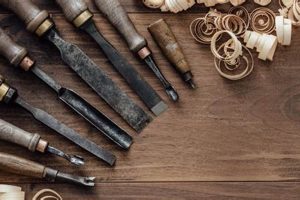
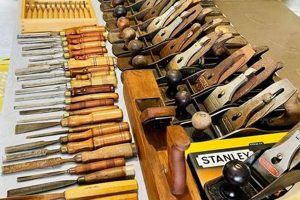
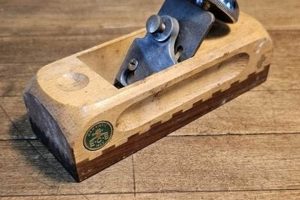
These implements, predating widespread mechanization, represent fundamental instruments employed in shaping and manipulating wood. Examples include axes for felling trees and hewing timber, adzes for smoothing surfaces, saws for dividing wood, and drills for creating holes. These hand-operated devices were essential for construction, furniture making, and various other crafts dependent on wood as a primary material.
The development and refinement of these implements were critical to the advancement of civilization. They enabled the creation of shelter, transportation, and tools for agriculture, contributing significantly to societal progress and economic development. Understanding their history provides insight into technological innovation and the resourcefulness of past societies.
The subsequent sections will delve into specific types of these instruments, examining their construction, usage, and evolution over time, further illustrating their impact on human ingenuity and material culture.
Working with Replicated Methods of Early Woodworking Tools
Replicating the methods of the past necessitates a careful understanding of the limitations and capabilities of historical implements. This section provides guidance on achieving accurate and functional results using reproductions.
Tip 1: Sharpening is Paramount: The effectiveness of any tool depends critically on its edge. Invest time in mastering sharpening techniques appropriate for the tool type and steel composition. Dull edges lead to inefficiency and increased risk of error.
Tip 2: Grain Direction Matters: Understanding the grain structure of wood is crucial when using hand tools. Working with the grain minimizes splitting and tearing, resulting in smoother surfaces and cleaner cuts.
Tip 3: Utilize Body Mechanics: Early woodworking relied heavily on leverage and efficient body movement. Focus on transferring power from the legs and core, rather than solely relying on arm strength. This reduces fatigue and improves control.
Tip 4: Practice Layout and Marking: Accurate layout and marking are essential for precise woodworking. Employ traditional marking tools, such as marking gauges and knives, to create clear and precise reference lines.
Tip 5: Manage Material Removal: Avoid attempting to remove too much material at once. Take shallow, controlled cuts to prevent tear-out and maintain accuracy. Patience is key to achieving quality results.
Tip 6: Secure Workholding: A stable workholding setup is critical for safety and accuracy. Utilize benches, vises, and clamps to firmly secure the workpiece during cutting, shaping, and joining operations.
Tip 7: Respect Tool Limitations: Recognize the inherent limitations of hand tools compared to modern power tools. Understand the appropriate applications for each tool and avoid forcing them beyond their capabilities.
Mastery of the craft demands diligent practice and an appreciation for the subtle nuances of working with hand tools. These skills are valuable and rewarding, so it is important to always respect them.
The subsequent sections will address safety considerations and ongoing maintenance, thus providing greater insights and understanding in the craft of woodworking.
1. Materials

The selection of materials for implements profoundly influenced the capabilities and longevity of early woodworking tools. The availability and properties of substances such as stone, bone, antler, and later, metals, directly determined the design and effectiveness of these implements. For instance, early axes were often fashioned from carefully knapped flint or ground stone, limiting their size and requiring frequent resharpening. The discovery and refinement of metals, particularly bronze and iron, represented a significant advancement, enabling the creation of stronger, more durable cutting edges capable of felling larger trees and shaping harder woods. This transition fundamentally altered woodworking practices, allowing for increased precision and efficiency.
The inherent limitations of available resources also spurred innovation. The scarcity of suitable flint in certain regions led to the development of alternative materials or the establishment of trade networks to procure the necessary resources. The properties of different wood species further influenced the tool design, requiring specialized shapes and cutting angles for efficient processing. The use of harder woods like oak necessitated stronger tools than softer woods like pine, leading to variations in tool construction and application. Consider the example of the adze; early versions made of stone were used for rough shaping, while later metal versions allowed for finer, more controlled removal of material. This evolution illustrates the interplay between material properties, tool design, and woodworking techniques.
In summary, the connection between materials and early woodworking implements is inextricable. The availability and characteristics of materials dictated the form, function, and performance of these tools, driving innovation and shaping woodworking practices. Understanding this relationship is essential for appreciating the ingenuity of early woodworkers and the technological advancements that transformed the craft. While challenges like material scarcity and the limitations of early metallurgy persisted, they spurred the development of resourceful solutions and laid the foundation for future advancements in toolmaking.
2. Functionality

Functionality in early woodworking tools refers to the specific purpose each tool served in manipulating wood, reflecting a direct response to the challenges of shaping, joining, and finishing this fundamental material. The effectiveness of each instrument was determined by its design and how well it addressed a particular woodworking task. Each tool had limited functionality in its current state.
- Material Removal
One core aspect was removing material to achieve a desired shape. Axes and adzes exemplified this, each employing different methods: the axe for felling and splitting, the adze for smoothing and shaping. The functionality of these tools was predicated on their ability to efficiently cleave wood fibers, informed by the angle of the blade and the force applied.
- Dividing and Separating
Saws, from early flint-toothed versions to later metal blades, served the crucial function of dividing wood. The design of the saw, including tooth geometry and set, directly influenced its ability to cut through wood along a specific line. The saw was limited and had the functionality of dividing the material.
- Creating Joinery
Drills, chisels, and specialized forming tools enabled the creation of precise joints. Drills, initially simple awls or bow drills, allowed for making holes for pegs or fasteners. Chisels, paired with mallets, facilitated the creation of mortises and tenons, essential for structural integrity in woodworking projects. The functionality of these tools was critical for assembling stable and durable wooden structures.
- Surface Preparation and Smoothing
Tools such as scrapers and early planes addressed the function of surface preparation. These implements allowed woodworkers to achieve smooth, even surfaces ready for finishing or further manipulation. The effectiveness of these tools depended on the sharpness of the blade and the control of the user in removing fine shavings.
These diverse functionalities, embodied in a range of early woodworking implements, collectively reflect a deep understanding of wood properties and the mechanics of shaping it. While the technology may appear rudimentary compared to modern methods, these tools were highly effective in their context and essential for enabling a wide range of construction and craft activities.
3. Ergonomics

Ergonomics, while not formally recognized as a distinct field of study until much later, was inherently embedded in the design and use of early woodworking tools. The efficiency and safety of these implements depended significantly on how well they aligned with the physical capabilities and limitations of the human body.
- Grip and Handle Design
The shape and size of handles directly influenced the user’s ability to exert force and maintain control. Handles crafted from wood, bone, or antler were shaped to fit comfortably in the hand, reducing strain and improving grip. An axe handle with poor ergonomics could lead to fatigue and inaccurate swings, increasing the risk of injury. Ergonomics were important for grip and handle design.
- Tool Weight and Balance
The distribution of weight within a tool affected the effort required to use it effectively. A well-balanced tool minimized the need for excessive force, allowing for more precise and controlled movements. An adze that was too heavy or unbalanced could lead to rapid fatigue and reduced accuracy in shaping wood. It was important to carefully consider the weight and balance of the tools.
- Posture and Body Mechanics
The design of certain tools dictated the posture and body mechanics required for their use. Axes, for instance, necessitated a stance that allowed for powerful and balanced swings, minimizing strain on the back and shoulders. Early workbenches, though rudimentary, facilitated more comfortable and efficient working positions compared to working on the ground. Ergonomics were important for proper posture and body mechanics.
- Repetitive Motion and Injury Prevention
The repetitive nature of many woodworking tasks made users susceptible to injuries. Tool designs that minimized strain and allowed for varied movements helped reduce the risk of carpal tunnel syndrome, tendonitis, and other repetitive stress injuries. Ergonomic considerations were essential for preventing long-term physical harm.
Although early woodworkers may not have explicitly analyzed ergonomic principles, their intuitive understanding of human biomechanics and the demands of their craft resulted in tools that, in many cases, were remarkably well-suited to their intended use. The inherent ergonomic qualities of these instruments contributed significantly to their efficiency, safety, and longevity, demonstrating the practical application of ergonomic principles long before the field was formally established.
4. Craftsmanship

Craftsmanship, in the context of early woodworking tools, transcends mere functionality. It embodies the skill, dedication, and aesthetic sensibility infused into both the creation of the implements and their application to woodworking projects. The quality of the final product was as much a testament to the artisan’s abilities as it was to the tool itself.
- Tool Creation as Art
The production of woodworking implements was often a specialized craft in itself. Bladesmiths, for example, possessed the knowledge and skill to forge steel tools with specific properties. The shaping of handles, the balancing of an axe head, and the precise setting of saw teeth all reflected a deep understanding of materials and their interaction. These implements are more than just their intended purposes, they are works of art.
- Mastery of Technique
Skilled woodworkers possessed a repertoire of techniques honed through years of practice. The ability to accurately split wood along the grain, to create precise joints with hand tools, and to achieve smooth, even surfaces required a mastery of both the tools and the materials. Craftsmanship meant not only using the tools, but also understanding when and how to apply them.
- Aesthetic Considerations
While functionality was paramount, aesthetic considerations were often incorporated into woodworking projects. The selection of wood with attractive grain patterns, the careful shaping of decorative elements, and the application of finishes all contributed to the overall beauty of the piece. Early craftspeople sought to create objects that were not only useful but also visually pleasing. An emphasis was put on making the product aesthetic.
The integration of skill, knowledge, and aesthetic sense elevates woodworking beyond simple utility. These methods involved more than just producing functional items; they were about preserving and developing traditions. By studying these tools and the items they created, one gains a deeper appreciation for the artistry and craftsmanship that shaped the material world.
5. Maintenance

Preservation of early woodworking implements requires a dedicated approach, given the materials and construction techniques employed. Neglecting maintenance leads to diminished functionality and accelerated degradation, potentially compromising the historical integrity of the artifacts.
- Edge Preservation and Sharpening
The cutting edge of any woodworking tool is paramount to its effectiveness. Early axes, adzes, chisels, and saws required frequent sharpening to maintain their ability to cleanly sever wood fibers. Sharpening techniques varied based on the tool’s material, ranging from the use of abrasive stones to more sophisticated methods involving metal files and honing. A dull edge not only reduces efficiency but also increases the risk of material damage and user injury.
- Rust Prevention and Control
Iron and steel components are susceptible to oxidation. Moisture exposure accelerates the formation of rust, weakening the metal and compromising its structural integrity. Preventative measures included the application of protective coatings, such as oils or waxes, to create a barrier against moisture. Regular cleaning to remove dirt and debris also minimized the risk of corrosion. Proper storage in dry environments was essential to prevent rust formation during periods of inactivity.
- Handle Care and Preservation
Handles crafted from wood, bone, or antler are prone to cracking, splitting, or loosening over time. Regular inspection for signs of damage was crucial. Wooden handles benefitted from occasional applications of linseed oil or beeswax to maintain their moisture content and prevent drying and cracking. Loose handles required re-seating or replacement to ensure safe and effective tool use. The condition of the handle directly impacted the tool’s balance and control.
- Structural Integrity and Repair
Tools with complex constructions, such as frame saws or drawknives, required periodic inspection to ensure the structural integrity of their components. Loose joints, cracked frames, or damaged hardware needed prompt attention to prevent further deterioration. Repair techniques often involved the use of adhesives, fasteners, or replacement parts crafted from similar materials. Maintaining structural integrity ensured the tool’s continued functionality and longevity.
Adherence to established preservation practices, tailored to the specific materials and construction of each implement, is imperative for safeguarding these artifacts. Proper maintenance not only extends the lifespan of early woodworking tools but also preserves their historical significance, enabling future generations to study and appreciate the craftsmanship of past eras.
6. Evolution

The evolution of early woodworking tools represents a gradual refinement driven by necessity, resource availability, and expanding technical knowledge. The progression from rudimentary stone implements to sophisticated metal tools showcases a direct response to the increasing demands of woodworking tasks. Initial tools, often fashioned from readily available materials like flint or bone, were limited in their effectiveness and required considerable effort to produce even basic results. The discovery and subsequent mastery of metalworking techniques, particularly the use of bronze and later iron, marked a pivotal shift, enabling the creation of stronger, more durable, and more precise implements. This transition facilitated advancements in construction, furniture making, and other wood-dependent crafts.
The evolution of specific tool types further illustrates this process. The adze, initially a heavy stone implement used for rough shaping, gradually evolved into lighter, more refined metal versions capable of producing smoother surfaces and more intricate details. Similarly, saws progressed from simple notched flints to toothed metal blades, allowing for more efficient and accurate division of wood. These incremental improvements were often driven by practical considerations, such as the need for greater efficiency, the availability of new materials, or the desire to achieve more complex designs. The development of specialized tools, like planes and chisels, further expanded the range of woodworking possibilities.
In summary, the evolution of early woodworking tools represents a continuous process of adaptation and innovation. Each stage of development built upon previous knowledge and experience, resulting in increasingly sophisticated implements that enabled woodworkers to achieve greater levels of precision, efficiency, and artistry. Understanding this evolutionary trajectory is essential for appreciating the ingenuity of early craftspeople and the technological advancements that shaped the development of woodworking as a craft and industry.
Frequently Asked Questions
This section addresses common inquiries regarding implements employed in woodworking prior to the widespread adoption of mechanized equipment. The answers provide factual information to aid in understanding the historical context and functionality of these tools.
Question 1: What materials were commonly used in the earliest woodworking tools?
The earliest implements were predominantly crafted from stone, bone, antler, and wood. These materials were readily available and, with appropriate shaping, served as effective cutting, scraping, and piercing tools.
Question 2: What were the primary functions of early woodworking tools?
The primary functions included felling trees, hewing logs, splitting wood, shaping surfaces, creating joints, and drilling holes. Each tool was designed for a specific task in the overall woodworking process.
Question 3: How did the advent of metalworking impact the development of woodworking tools?
The introduction of metalworking, particularly with bronze and iron, significantly enhanced the durability, sharpness, and precision of woodworking tools. Metal edges could be honed to a finer point and withstand greater stress than their stone counterparts.
Question 4: What were the key differences between an axe and an adze in early woodworking?
An axe was primarily used for felling trees and splitting wood along the grain, employing a chopping motion. An adze, on the other hand, was used for shaping and smoothing surfaces, employing a slicing or scooping motion.
Question 5: How were early saws constructed and used?
Early saws consisted of a blade, typically made of flint or metal, with sharpened teeth. The saw was drawn across the wood to create a kerf, gradually dividing the material. The effectiveness of the saw depended on the tooth geometry and the applied pressure.
Question 6: What considerations were important for maintaining early woodworking tools?
Maintenance involved regular sharpening of cutting edges, rust prevention for metal components, and proper care of handles to prevent cracking or loosening. These practices were essential for prolonging the lifespan and effectiveness of the tools.
Understanding these fundamental aspects of early woodworking tools provides a solid foundation for further exploration of historical woodworking techniques and technologies. The ingenuity of early craftspeople in adapting available materials to create functional and effective implements remains a testament to human resourcefulness.
The next section will examine the legacy of these tools and their influence on modern woodworking practices.
Conclusion
This exploration has illuminated the fundamental role early woodworking tools played in shaping human civilization. From the initial utilization of stone and bone to the transformative impact of metalworking, these implements were instrumental in constructing shelters, creating essential objects, and facilitating trade. The inherent design of these tools also reflected the cumulative knowledge and ingenuity of past societies, offering valuable insights into technological evolution and resource management. Mastery of these crafts demanded diligent practice and an appreciation for the subtle nuances of working with hand tools. These skills are valuable and rewarding, so it is important to always respect them.
The legacy of early woodworking tools extends far beyond their historical context. Their study informs modern woodworking practices, promoting sustainable resource utilization and a deeper appreciation for the craftsmanship of previous generations. Continued research and preservation efforts are critical to ensuring that the knowledge and skills associated with these tools are not lost, thereby contributing to a more informed and responsible approach to woodworking in the future.