The crafting of objects and structures from timber, a practice refined over centuries, showcases the versatility of natural materials. One example includes the construction of a dovetailed chest from walnut, demonstrating joinery techniques applied to a specific material.
This practice contributes significantly to both artistic expression and practical application. Historically, it has shaped construction methods, furniture design, and tool development. The resultant pieces can offer both aesthetic appeal and functional longevity, representing a tangible connection to traditional craftsmanship.
The subsequent sections will delve into specific timber types suitable for this craft, explore fundamental joinery methods, and present strategies for finishing surfaces to enhance durability and visual appeal.
Essential Guidance for Timber-Based Craft
The following recommendations are intended to optimize project outcomes, ensuring both structural integrity and aesthetic quality in the resulting work.
Tip 1: Material Selection is Paramount: The inherent characteristics of timber impact workability and final appearance. Dense hardwoods, such as oak, offer superior durability for high-stress applications, while softer woods, like pine, are more easily shaped and suitable for decorative elements.
Tip 2: Prioritize Accurate Measurement and Cutting: Precise dimensions are crucial for proper joinery and structural stability. Employ calibrated measuring tools and ensure blades are sharp and properly aligned to minimize material waste and prevent cumulative errors.
Tip 3: Master Fundamental Joinery Techniques: Strong, well-executed joints are essential for long-lasting construction. Mortise and tenon, dovetail, and rabbet joints each offer specific advantages depending on the application and desired aesthetic.
Tip 4: Understand Wood Grain Orientation: The direction of the wood grain significantly affects its strength and susceptibility to warping. Orient grain strategically to maximize structural integrity and minimize potential for deformation due to moisture changes.
Tip 5: Proper Moisture Control is Critical: Timber is hygroscopic, meaning it absorbs and releases moisture from the surrounding environment. Allow lumber to acclimate to the workshop’s humidity levels before construction to minimize shrinkage or expansion after assembly.
Tip 6: Finishing Enhances Protection and Appearance: Applying a protective finish safeguards against moisture, UV damage, and wear. Select a finish appropriate for the timber type and intended use, and follow manufacturer instructions for application.
Tip 7: Safe Practices Must Be Observed: Woodworking equipment can be hazardous if operated improperly. Always wear appropriate safety gear, including eye and ear protection, and adhere to established safety protocols for each tool.
Adhering to these guidelines contributes to the creation of high-quality, enduring pieces, reflecting sound construction principles and a respect for the material.
The subsequent section will cover case studies where these tips have been successfully implemented in real-world projects.
1. Material Selection

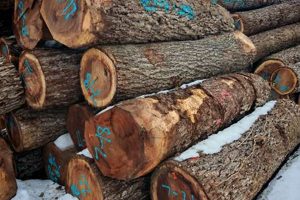
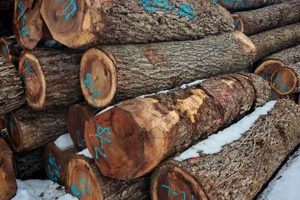
Material selection exerts a foundational influence on any undertaking involving timber construction. The choice of timber directly dictates the structural integrity, workability, and final aesthetic appearance of the finished object. For example, utilizing oak for exterior furniture provides superior resistance to weathering compared to pine, albeit at the cost of increased difficulty in shaping and joining. Conversely, crafting delicate inlays benefits from the fine grain and pliability of woods like cherry or maple. The inherent properties of different species thus necessitate careful consideration, as an inappropriate choice can compromise the project’s durability and visual appeal. Selecting the proper type of timber impacts the complexity of joinery, the type of finishes that can be applied, and the lifespan of the work.
Practical application of this understanding is evident in historical and contemporary woodworking practices. Shipbuilders have long favored teak for its water resistance and strength, while musical instrument makers often employ spruce for its resonant qualities. Furniture makers commonly use hardwoods like walnut and mahogany for high-end pieces due to their durability and rich color. These examples illustrate the deliberate matching of material properties to specific performance requirements, maximizing the benefits of each chosen material. A poorly considered selection, such as using a softwood for a heavily stressed structural element, can result in premature failure and significant financial loss.
In summary, material selection forms a critical link. Disregarding the specific characteristics of each type of timber can lead to substandard results. While challenges exist in sourcing specific species and understanding their nuances, the rewards of informed material choice, including enhanced durability, improved aesthetics, and efficient workability, significantly outweigh the potential drawbacks. A comprehensive understanding of this area is essential for successful execution in this field.
2. Joinery Techniques
Joinery techniques represent a fundamental component of timber-based construction, directly influencing the structural integrity, longevity, and aesthetic presentation of finished pieces. The effectiveness of any woodworking project hinges on the appropriate selection and execution of these techniques. For instance, a poorly executed mortise and tenon joint in a chair leg can lead to structural failure under stress, rendering the piece unusable. Conversely, well-crafted dovetail joints in a drawer provide exceptional strength and resistance to racking forces, ensuring smooth operation and prolonged lifespan. The choice of joinery method must consider the type of wood, the intended use of the piece, and the desired aesthetic.
Specific examples illustrate the practical significance of mastering joinery. Traditional Japanese woodworking, renowned for its intricate designs and structural resilience, relies heavily on complex joinery methods that minimize the need for fasteners. These techniques, such as the kumiko and tsugite, demonstrate the potential for creating aesthetically pleasing and structurally sound connections using only timber. In contrast, mass-produced furniture often utilizes simpler, less robust joinery methods like butt joints secured with screws or dowels, prioritizing speed and cost-effectiveness over long-term durability. The difference in longevity and craftsmanship between these two approaches highlights the critical role of joinery in determining the quality and value of the final product.
In summary, the application of joinery techniques is intrinsically linked to the success of this craft. Competent understanding of this area is non-negotiable for achieving structural stability and realizing design intentions. While mastering advanced joinery requires significant time and practice, even a basic grasp of fundamental methods dramatically enhances the quality and longevity of any project involving timber. The subsequent study of wood grain will provide a deeper understanding of how grain orientation affects joint strength.
3. Wood Grain

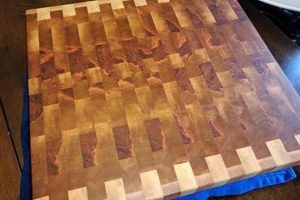
Wood grain, the visible pattern of growth rings and cellular structure in timber, profoundly impacts its behavior and suitability for specific woodworking applications. The orientation and characteristics of the grain influence strength, stability, workability, and aesthetic appearance. Straight grain, where the wood fibers run parallel to the length of the piece, offers the greatest strength and ease of splitting, making it ideal for structural components. Conversely, figured grain, such as burl or curly grain, presents unique visual appeal but can be more challenging to work with due to its irregular fiber direction. Understanding grain direction is crucial when planning cuts and joinery to prevent tear-out, splitting, or warping. Failure to account for grain orientation can result in weakened joints, uneven surfaces, and a compromised final product.
Practical applications demonstrate the significance of considering wood grain. The construction of longbows, for example, traditionally relies on carefully selected timber with straight, consistent grain to ensure maximum tensile strength and prevent catastrophic failure under tension. Similarly, crafting tabletops often involves arranging boards with alternating grain patterns to minimize cupping or warping caused by moisture changes. Cabinetmakers exploit the visual patterns of wood grain to create decorative effects, such as bookmatching veneer panels to achieve symmetrical designs. Mismatched or poorly aligned grain patterns can detract from the overall aesthetic, while deliberate manipulation of grain can enhance the visual appeal and perceived value of the finished piece.
In conclusion, wood grain represents a critical element within the broader context of crafting with timber. A comprehensive understanding of its properties and behavior is essential for optimizing structural integrity, workability, and aesthetic outcomes. While the inherent variability of wood grain presents challenges, informed manipulation and consideration of its characteristics contribute significantly to the quality, longevity, and visual appeal of crafted objects. The subsequent section will address finishing techniques, building on the foundational knowledge of material selection, joinery, and grain orientation to complete the crafting process.
4. Finishing
Finishing, the final stage in the construction of objects from natural materials, is integral to both the preservation and enhancement of the completed piece. It represents a culmination of decisions made throughout the woodworking process, influencing not only the aesthetic appeal but also the long-term durability of the work.
- Protection Against Environmental Factors
Finishes act as a barrier against moisture, ultraviolet radiation, and physical abrasion. Penetrating oils and varnishes, for example, seal the timber, minimizing water absorption and preventing dimensional changes that can lead to warping or cracking. Exterior finishes often incorporate UV inhibitors to protect against fading and degradation caused by sunlight. Without adequate finishing, timber is vulnerable to decay, insect infestation, and surface damage, significantly reducing its lifespan. A properly applied finish extends the service life of woodworking projects, preserving their structural integrity and appearance.
- Enhancement of Aesthetic Qualities
Finishes accentuate the natural grain and color variations inherent in different timber species. Stains can be used to modify the color, achieving a desired aesthetic or creating a uniform appearance across different pieces. Clear finishes, such as lacquer or varnish, enhance the depth and clarity of the grain, bringing out the inherent beauty of the material. The selection of a finish directly impacts the visual impression of the final product, contributing to its perceived value and artistic merit. Certain finishes, like shellac, offer a high-gloss sheen, while others, like matte polyurethane, provide a more subdued appearance, allowing for a range of design expressions.
- Surface Preparation and Application Techniques
The effectiveness of any finish depends heavily on proper surface preparation. Sanding, scraping, and cleaning are essential to remove imperfections and create a smooth, uniform surface for optimal adhesion. The application method, whether brushing, spraying, or wiping, also influences the final result. Each method offers distinct advantages and disadvantages in terms of speed, consistency, and finish quality. Incorrect application can lead to runs, drips, or uneven coverage, compromising both the aesthetic and protective qualities of the finish. Careful attention to surface preparation and application techniques is critical for achieving a professional and durable finish.
- Considerations for Specific Timber Species
Different types of wood respond differently to various finishes. Oily woods, such as teak or rosewood, may require specific preparation techniques or specialized finishes to ensure proper adhesion and prevent discoloration. Porous woods, like pine or ash, may require multiple coats of finish to achieve adequate protection and a uniform appearance. Understanding the specific characteristics of each timber species is essential for selecting the appropriate finish and application methods. Failing to account for these variations can result in adhesion problems, uneven color, or premature finish failure.
These considerations underscore the significance of finishing as an integral element within the broader field. Successful application of finishing techniques requires a synthesis of technical knowledge, practical skills, and an understanding of the materials involved. These skills are necessary to add significant value to the process and to preserve the products being made with time, in a visual pleasing perspective.
5. Tool Maintenance
The relationship between proper equipment upkeep and successful projects is a critical determinant of quality and efficiency. Degradation of cutting edges, misalignment of components, and the presence of rust or residue directly impact the precision and smoothness of cuts, influencing the fit of joints and the overall aesthetic. A dull saw blade, for instance, can cause tear-out, requiring additional sanding and compromising the sharpness of details. Similarly, a poorly maintained hand plane may produce uneven surfaces, necessitating corrective measures that add time and complexity to the process. Regular cleaning, sharpening, and lubrication are therefore essential to preserving the functionality and extending the lifespan of tools. These practices minimize material waste, reduce the risk of accidents, and contribute to the creation of superior finished pieces.
Real-world examples demonstrate the practical significance of rigorous attention to equipment care. Professional cabinetmakers routinely sharpen their chisels and plane blades before each project to ensure clean, precise cuts. Failure to do so can lead to splintering, uneven surfaces, and increased physical exertion. Wood turners carefully hone their gouges and skews to maintain optimal cutting angles, preventing catches and ensuring smooth, controlled shaping of the work piece. Likewise, proper calibration of power tools, such as table saws and jointers, is essential for achieving accurate dimensions and consistent results. A misaligned fence or blade can compromise the squareness of cuts, leading to cumulative errors and structural instability. The economic impact of neglected maintenance is substantial, encompassing increased material costs, reduced productivity, and the potential for tool replacement.
In conclusion, tool maintenance is not merely a supplementary activity but an integrated element. Neglecting tool maintenance introduces variability and potential for error. The challenges of equipment upkeep, while sometimes perceived as time-consuming, are outweighed by the benefits of improved precision, reduced material waste, and enhanced safety. This understanding is vital for achieving consistent and high-quality results in all forms of timber craftsmanship. The next phase will address safety protocol.
6. Safety Practices

Adherence to stringent safety protocols is paramount in timber construction, serving as a non-negotiable foundation for preventing injuries and ensuring a secure working environment. The integration of these practices is directly proportional to the reduction of risk associated with the operation of machinery and the handling of materials.
- Personal Protective Equipment (PPE)
The consistent use of appropriate PPE, including safety glasses, hearing protection, and respirators, mitigates the potential for injury from flying debris, excessive noise levels, and airborne particles. Safety glasses shield the eyes from splinters and dust, while hearing protection reduces the risk of long-term auditory damage from loud machinery. Respirators filter harmful substances, safeguarding respiratory health. Failure to wear specified PPE increases the likelihood of preventable injuries and long-term health problems. The selection of PPE should align with the specific tasks undertaken and the inherent hazards involved.
- Machine Guarding and Operation
The proper functioning and utilization of machine guards are crucial for preventing accidental contact with moving parts. Guards should be in place and correctly adjusted before operating any machinery, including table saws, jointers, and routers. Operators must be thoroughly trained on the safe operation of each machine, adhering to established procedures and avoiding shortcuts that compromise safety. Regular inspection of machine guards is essential to ensure their effectiveness and prevent malfunctions. Disabling or circumventing machine guards significantly elevates the risk of serious injury or amputation. Responsible machine operation necessitates a commitment to adhering to safety guidelines and prioritizing personal safety.
- Workspace Organization and Housekeeping
Maintaining a clean and organized workspace minimizes the potential for slips, trips, and falls. Clear pathways, proper storage of materials, and regular removal of sawdust and debris create a safer working environment. Cluttered workspaces increase the risk of accidents and impede efficient workflow. Good housekeeping practices contribute to a more organized and productive work environment, reducing the likelihood of injuries and promoting a culture of safety consciousness. A well-maintained workspace reflects a commitment to safety and professionalism.
- Emergency Procedures and First Aid
Knowledge of emergency procedures and basic first aid is essential for responding effectively to accidents. Workers should be familiar with the location of first aid kits and emergency contact information. Training in CPR and basic wound care equips individuals to provide immediate assistance in the event of an injury. A well-defined emergency plan, including evacuation routes and communication protocols, facilitates a coordinated response to unforeseen events. Preparedness for emergencies minimizes the potential for escalation and ensures prompt and effective assistance for injured workers.
These facets are integral to establishing a safe and productive workspace. The consistent application of these guidelines, coupled with a proactive approach to risk assessment, is essential for minimizing the potential for injuries and promoting a sustainable culture of safety. Prioritizing safety not only protects individuals but also enhances productivity and minimizes the long-term costs associated with workplace accidents.
Frequently Asked Questions About Timber Craft
This section addresses common inquiries and misconceptions regarding the practice, offering insights into materials, techniques, and best practices.
Question 1: What is the optimal moisture content for timber prior to construction?
The ideal moisture content typically ranges between 6% and 8% for interior applications. This range minimizes dimensional changes after construction. A moisture meter provides accurate readings. Exterior applications require considerations for local climate conditions.
Question 2: Which type of adhesive offers the strongest bond for joinery?
Polyurethane glue provides a robust and waterproof bond, suitable for both interior and exterior use. Epoxy resins offer exceptional strength and gap-filling capabilities, advantageous for intricate or imperfect joints. Traditional hide glue provides reversible joints.
Question 3: How does wood grain affect the stability of a table top?
Alternating the grain direction of individual boards minimizes cupping and warping. Quarter-sawn lumber, with its vertical grain orientation, exhibits greater stability compared to plain-sawn lumber. Proper jointing and fastening techniques contribute significantly to overall stability.
Question 4: What are the best methods for preventing tear-out during planning?
Planning with the grain minimizes tear-out. Sharpening blades to a keen edge is crucial. Backer boards and sacrificial fences provide support and prevent splintering. Skewing the plane slightly relative to the direction of travel can also improve results.
Question 5: How can one achieve a smooth finish when applying varnish?
Proper surface preparation is essential. Multiple thin coats of varnish, sanded lightly between applications, produce a smoother surface than a single thick coat. Applying varnish in a dust-free environment prevents contamination. Using a high-quality brush or spray equipment ensures even coverage.
Question 6: What safety precautions are necessary when operating a table saw?
Eye protection and hearing protection are mandatory. Using push sticks and feather boards keeps hands away from the blade. Ensuring that all guards are in place and functioning correctly is crucial. Concentrating fully on the task at hand minimizes distractions and prevents accidents.
This FAQ provides a concise overview of essential considerations. Further research and practical experience contribute to mastery of this craft.
The subsequent section will explore case studies where these principles are successfully implemented.
Conclusion
This exploration of woods woodworking has addressed crucial aspects, including material selection, joinery techniques, the influence of wood grain, finishing procedures, essential tool maintenance, and the necessity of stringent safety practices. Each element contributes directly to the quality, durability, and aesthetic appeal of finished pieces. A comprehensive understanding of these principles is fundamental to proficient execution.
Continued dedication to refining skills, coupled with a commitment to safety and sustainable practices, ensures the continued relevance and evolution of this practice. Future endeavors in this domain should prioritize innovation in design and construction, fostering a deeper appreciation for the enduring legacy of timber craftsmanship.