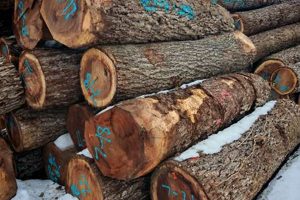
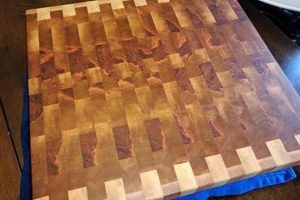
The process of acquiring walnut lumber for crafting projects is a foundational step for woodworkers. Sourcing this material effectively can influence the final product’s aesthetic appeal and structural integrity. Considerations include factors such as wood grade, dimensions, drying methods, and overall cost. Understanding these elements is crucial for making informed purchasing decisions.
Utilizing high-quality walnut enhances the visual impact and longevity of woodworking endeavors. Its rich color and distinctive grain patterns contribute to sophisticated designs, while its stability and workability make it a preferred choice for various applications, ranging from furniture making to smaller decorative items. Historically, walnut has been prized for its beauty and durability, cementing its value in woodworking traditions.
The subsequent sections will detail specific avenues for procuring this valuable resource, covering local lumberyards, specialty suppliers, online retailers, and considerations for sustainable sourcing. Each option presents distinct advantages and disadvantages that merit careful evaluation based on individual project requirements and budgetary constraints.
Tips for Acquiring Walnut Lumber
Careful consideration during the acquisition process of walnut lumber can significantly impact project success. Employing the following strategies can optimize selection and procurement.
Tip 1: Evaluate Moisture Content: Prior to purchase, confirm the moisture content of the walnut. Kiln-dried lumber with a moisture content between 6-8% is generally suitable for interior woodworking projects. This reduces the risk of warping or cracking post-construction.
Tip 2: Inspect for Defects: Scrutinize each board for imperfections such as knots, cracks, insect damage, or sapwood. Identifying these flaws early can minimize waste and ensure structural integrity in the final product.
Tip 3: Consider Grain Orientation: Assess the grain pattern and orientation of the walnut to match the project’s design. Straight-grained wood is typically easier to work with, while figured grain can add visual interest, depending on the intended aesthetic.
Tip 4: Compare Pricing: Obtain quotes from multiple suppliers, considering both local lumberyards and online retailers. Factor in shipping costs, delivery times, and return policies when comparing prices.
Tip 5: Inquire about Sustainability: Verify the source of the walnut and prioritize lumber from sustainably managed forests. This supports responsible forestry practices and ensures long-term availability of the resource.
Tip 6: Check Board Dimensions: Confirm the actual dimensions of the lumber meet the project’s specifications. Nominal dimensions may differ from actual measurements, potentially affecting project calculations.
Tip 7: Ask About Grading: Understand the lumber grading system used by the supplier. Walnut is typically graded based on the presence of defects and the amount of clear wood, influencing the cost and suitability for specific applications.
Adherence to these guidelines promotes informed decision-making, leading to the acquisition of suitable walnut for woodworking projects. By carefully evaluating lumber characteristics, comparing prices, and prioritizing sustainability, individuals can enhance the quality and longevity of their creations.
The subsequent section will address specific considerations related to storing walnut lumber to maintain its quality and prevent damage prior to use.
1. Local Lumberyards

Local lumberyards represent a traditional and often readily accessible avenue for acquiring walnut lumber. Their role in the supply chain significantly impacts the woodworker’s ability to select and procure materials for diverse projects.
- Direct Material Inspection
Local lumberyards afford the opportunity for direct, visual inspection of lumber before purchase. This allows the woodworker to assess grain patterns, identify defects, and evaluate moisture content firsthand. For example, a woodworker can manually check for warping, knots, or insect damage, ensuring the selected pieces meet the specific project requirements. This direct assessment mitigates risks associated with relying solely on online descriptions or photographs.
- Localized Expertise and Guidance
Staff at local lumberyards often possess significant knowledge about wood species, grading standards, and appropriate applications. They can provide valuable guidance on selecting the correct type and grade of walnut for a particular project, considering factors such as strength, appearance, and workability. An experienced lumberyard employee, for instance, can advise on the optimal walnut grade for furniture construction versus decorative trim, based on the project’s specific needs.
- Supporting Local Economies
Patronizing local lumberyards contributes to the economic stability of the community. This supports local businesses, creates employment opportunities, and fosters a sense of regional identity. By choosing a local supplier over a national chain, woodworkers contribute to the sustainability of their local economy and promote ethical business practices.
- Potential for Custom Milling
Some local lumberyards offer custom milling services, enabling woodworkers to obtain lumber in precise dimensions tailored to their project needs. This eliminates the need for extensive in-shop milling, saving time and reducing material waste. An example would be a lumberyard planing walnut boards to a specific thickness or ripping them to a precise width, according to the woodworker’s detailed specifications.
In conclusion, local lumberyards provide more than just a source for walnut wood; they offer expertise, quality control, and support for the local economy, all factors which contribute to the overall success of a woodworking project. This combination of tangible benefits makes them a compelling option when considering “where to buy walnut wood for woodworking”.
2. Specialty Wood Suppliers
Specialty wood suppliers occupy a distinct niche within the spectrum of sources for walnut lumber, influencing procurement options. These suppliers distinguish themselves through a focus on premium grades, unique cuts, and often, environmentally responsible harvesting practices. The connection to “where to buy walnut wood for woodworking” lies in their capacity to provide woodworkers with access to materials that are either unavailable or difficult to obtain from conventional lumberyards. For instance, a project requiring highly figured walnut for an elaborate tabletop would almost necessitate engaging a specialty supplier due to their expertise in sourcing and inventorying such rare material. The cause-and-effect relationship is evident: specific project needs drive the selection of a specialty supplier, ultimately dictating procurement decisions.
The value of specialty suppliers extends beyond mere availability. These establishments frequently maintain stringent quality control measures, ensuring that lumber meets exacting standards. For example, they may offer kiln-drying services tailored to specific wood species, minimizing the risk of warping or cracking post-installation. Furthermore, specialty suppliers are often knowledgeable about the provenance of their lumber, enabling woodworkers to make informed choices regarding sustainability and ethical sourcing. Consider a woodworker constructing a custom guitar; the tonal properties and aesthetic appeal of the wood are paramount, factors that specialty suppliers understand and cater to through careful selection and grading processes.
Ultimately, specialty wood suppliers represent a strategic option for woodworkers seeking to elevate the quality and uniqueness of their projects. Although often commanding higher prices than standard lumberyards, the enhanced selection, quality assurance, and specialized knowledge they provide can be indispensable. The decision to utilize a specialty supplier hinges on the projects budgetary constraints and the imperative for superior materials. This understanding reinforces the importance of considering all available avenues when determining “where to buy walnut wood for woodworking,” aligning material selection with project goals.
3. Online Retailers

Online retailers have become a significant, albeit potentially challenging, avenue for procuring walnut lumber. Their influence in the modern supply chain of woodworking materials necessitates a thorough evaluation of their advantages and disadvantages.
- Expanded Accessibility and Selection
Online platforms significantly broaden the geographic reach of potential suppliers, offering access to a wider selection of walnut lumber grades, dimensions, and sources than may be available locally. This expanded accessibility is particularly beneficial for woodworkers in remote areas or those seeking specialty cuts or rare grades. For instance, a craftsman in a rural area could access figured walnut from a supplier on the opposite coast through an online retailer, facilitating projects requiring specific aesthetic characteristics.
- Price Transparency and Competitive Bidding
The online marketplace fosters a degree of price transparency, allowing woodworkers to easily compare costs from multiple vendors. This competition can drive prices down, potentially offering cost savings compared to traditional brick-and-mortar establishments. Furthermore, some online platforms operate on a bidding system, enabling buyers to secure lumber at competitive rates. This competitive pricing mechanism can be a decisive factor for budget-conscious projects.
- Risks Associated with Remote Inspection
A primary disadvantage of online lumber purchases is the inability to physically inspect the material before purchase. Relying on photographs and descriptions introduces the risk of misrepresentation or undisclosed defects. For example, a photograph may not accurately depict the grain pattern, color variations, or presence of knots, leading to dissatisfaction upon delivery. Thoroughly scrutinizing vendor descriptions and requesting additional images can mitigate this risk, but physical inspection remains preferable.
- Shipping Costs and Logistics
Shipping large, heavy items like lumber can be expensive, significantly impacting the overall cost of the purchase. Furthermore, the logistics of shipping can introduce delays and potential damage during transit. Evaluating shipping costs, delivery times, and return policies is crucial when considering online lumber purchases. Some retailers may offer free shipping on large orders, while others may charge exorbitant rates, necessitating careful comparison before making a decision.
The role of online retailers in sourcing walnut lumber presents a mixed bag of opportunities and challenges. While they offer expanded accessibility and price transparency, the risks associated with remote inspection and shipping logistics demand careful consideration. Evaluating these factors in light of project requirements and budget constraints is essential for making informed decisions regarding “where to buy walnut wood for woodworking”.
4. Sustainable Sourcing

The selection of walnut lumber from sustainably managed sources constitutes a critical ethical and environmental consideration when determining “where to buy walnut wood for woodworking.” Sustainable sourcing ensures that the harvesting of trees occurs in a manner that maintains forest biodiversity, minimizes environmental impact, and supports the long-term health and productivity of the forest ecosystem. The cause-and-effect relationship is direct: unsustainable harvesting practices lead to deforestation, habitat loss, and climate change, while responsible forestry mitigates these negative consequences. The importance of sustainability in this context stems from the need to preserve walnut populations for future generations and to minimize the ecological footprint of woodworking practices. For example, purchasing walnut lumber certified by the Forest Stewardship Council (FSC) guarantees that the wood originates from a forest managed according to stringent environmental and social standards.
The practical significance of understanding sustainable sourcing lies in its influence on purchasing decisions. Woodworkers can actively support responsible forestry by seeking out suppliers who prioritize sustainable practices and offer certified lumber. This may involve researching the origins of the wood, inquiring about harvesting methods, and verifying certifications. Some suppliers actively promote their commitment to sustainability through transparent supply chains and partnerships with conservation organizations. A real-world example involves a furniture maker who exclusively uses walnut from a local forest that employs selective harvesting techniques to minimize disturbance to the surrounding ecosystem. This commitment to sustainability is marketed as a core value, attracting environmentally conscious customers and enhancing the company’s reputation.
In summary, sustainable sourcing is an integral component of ethical and responsible woodworking. By prioritizing sustainably harvested walnut lumber, woodworkers contribute to the long-term health of forests and minimize the environmental impact of their craft. The availability of certified lumber and the increasing awareness of sustainable forestry practices make it possible to integrate these considerations into purchasing decisions, thereby aligning woodworking practices with environmental stewardship. The challenge lies in ensuring transparency and traceability within the supply chain to verify the authenticity of sustainability claims, further underscoring the need for reputable certifications and supplier due diligence when deciding “where to buy walnut wood for woodworking”.
5. Grading and Quality

The grading and quality of walnut lumber are intrinsically linked to decisions regarding “where to buy walnut wood for woodworking.” Lumber grading systems, established by organizations such as the National Hardwood Lumber Association (NHLA), provide standardized criteria for evaluating the presence of defects, clear cuttings, and overall aesthetic characteristics. These grading standards directly influence the price and suitability of walnut for specific woodworking applications. Higher grades, such as FAS (Firsts and Seconds), indicate a higher percentage of clear, usable wood, while lower grades, like Common grades, contain more knots, mineral streaks, and other imperfections. Consequently, a woodworker undertaking a project demanding flawless surfaces, such as fine furniture, would prioritize purchasing higher-grade walnut, necessitating a search for suppliers specializing in quality materials. The cause-and-effect relationship is apparent: project requirements dictate the necessary grade of lumber, influencing the selection of appropriate sources.
The practical significance of understanding walnut grading lies in its ability to optimize material costs and minimize waste. A woodworker constructing a rustic piece where imperfections are desirable could opt for lower grades, thereby reducing material expenses without compromising the project’s aesthetic goals. Conversely, failing to adequately assess grading standards can lead to the acquisition of unsuitable lumber, resulting in increased waste, rework, and ultimately, higher project costs. For instance, purchasing lower-grade walnut for a project requiring precise joinery could result in structural instability and aesthetic inconsistencies. Therefore, the informed selection of suppliers based on their ability to provide lumber meeting specific grading requirements is paramount. Some suppliers specialize in specific grades, offering consistent quality and allowing woodworkers to confidently source materials that align with project needs. Understanding grade specifics is also critical when considering online purchases. While online retailers may offer competitive prices, accurately assessing the lumber’s grade based solely on photos can be challenging. Reputable online suppliers often provide detailed grading information and high-resolution images to facilitate informed decision-making.
In conclusion, the grading and quality of walnut lumber are essential determinants in “where to buy walnut wood for woodworking.” A thorough understanding of grading standards enables woodworkers to align material selection with project requirements, optimizing costs, minimizing waste, and ensuring the desired aesthetic and structural integrity. Whether sourcing from local lumberyards, specialty suppliers, or online retailers, prioritizing suppliers who offer transparent grading information and consistent quality control is crucial for achieving successful woodworking outcomes. The challenge lies in balancing cost considerations with the need for suitable material, requiring a careful assessment of project needs and supplier reputation.
Frequently Asked Questions
This section addresses common inquiries concerning the acquisition of walnut lumber for woodworking purposes. These questions are designed to provide clarity on pertinent issues and inform procurement strategies.
Question 1: What factors should be considered when determining “where to buy walnut wood for woodworking”?
Key considerations include wood grade, moisture content, lumber dimensions, sustainable sourcing practices, and the supplier’s reputation. The project’s specific requirements dictate the relative importance of these factors.
Question 2: How do lumber grading systems impact decisions regarding “where to buy walnut wood for woodworking”?
Grading systems provide standardized criteria for evaluating lumber quality, influencing price and suitability for various applications. Higher grades indicate fewer defects and a greater proportion of clear wood, justifying higher costs but potentially reducing waste. Suppliers specializing in specific grades offer consistency.
Question 3: What are the advantages and disadvantages of purchasing walnut from local lumberyards versus online retailers when considering “where to buy walnut wood for woodworking”?
Local lumberyards offer direct material inspection and localized expertise, but selection may be limited. Online retailers provide broader access and competitive pricing, but remote inspection poses risks, and shipping costs can be significant.
Question 4: Why is sustainable sourcing important when determining “where to buy walnut wood for woodworking”?
Sustainable sourcing ensures responsible forestry practices, minimizing environmental impact and supporting the long-term health of walnut populations. Certified lumber provides assurance that harvesting adheres to environmental and social standards.
Question 5: How can the risk of purchasing defective walnut lumber be minimized when deciding “where to buy walnut wood for woodworking”?
Direct material inspection (if possible) is paramount. Thoroughly scrutinize vendor descriptions, request additional images, and inquire about return policies. Reputable suppliers offer grading information and guarantees.
Question 6: What role do specialty wood suppliers play in decisions concerning “where to buy walnut wood for woodworking”?
Specialty suppliers offer premium grades, unique cuts, and specialized services such as custom milling. They cater to projects demanding specific aesthetic or structural properties that may not be available from conventional lumberyards.
In summary, informed decision-making when procuring walnut lumber necessitates a comprehensive understanding of grading systems, sourcing options, and supplier reliability. Balancing cost considerations with quality requirements is crucial for successful woodworking endeavors.
The following section will cover storage techniques for walnut lumber to maintain quality.
Concluding Remarks
The preceding discussion has explored various avenues for “where to buy walnut wood for woodworking,” emphasizing factors such as grading, sustainable sourcing, and supplier characteristics. A comprehensive understanding of these elements is crucial for informed decision-making, optimizing both cost-effectiveness and project outcomes. Considerations should encompass local lumberyards, specialty suppliers, and online retailers, evaluating each based on individual project demands and budgetary limitations.
The selection of walnut lumber is a pivotal step in woodworking. Diligence in assessing wood quality and sourcing practices will enhance the longevity and aesthetic value of finished pieces. Future endeavors should prioritize transparency within the supply chain and continued adherence to sustainable forestry practices to ensure the availability of this valuable resource. The commitment to informed procurement will invariably reflect in the caliber of finished work.