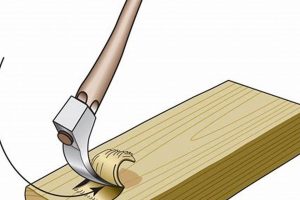
This implement, characterized by a curved blade set at a right angle to its handle, is a specialized cutting instrument employed primarily in shaping wood. The user swings it in an arc, removing material in controlled chips. Examples of its application include hollowing out canoes, shaping timbers for building construction, and crafting wooden bowls.
The significance of this tool lies in its ability to efficiently sculpt complex curves and contours, offering advantages over saws and axes in specific woodworking tasks. Historically, it played a critical role in various cultures for boat building, architectural construction, and the creation of functional and artistic objects, demonstrating its versatility and enduring utility.
The following sections will delve deeper into its various types, proper usage techniques, and maintenance requirements, providing a comprehensive understanding of this essential woodworking implement.
Adze Woodworking Tool
The effective and safe utilization of this woodworking implement requires careful attention to technique and maintenance. Adhering to the following guidelines will ensure optimal performance and longevity.
Tip 1: Secure Workpiece: The material being worked must be firmly anchored to prevent movement during the shaping process. Clamps, vises, or other securing mechanisms are essential.
Tip 2: Controlled Swing: Maintain a controlled and deliberate swing. Avoid excessive force, which can lead to inaccurate cuts and potential injury.
Tip 3: Proper Stance: Adopt a stable and balanced stance. This allows for controlled movement and reduces the risk of losing balance during the swing.
Tip 4: Sharpness is Paramount: A dull blade requires more force, increasing the risk of misdirected swings. Regular sharpening is crucial for efficient and safe operation.
Tip 5: Consider Grain Direction: Understanding the wood’s grain orientation is essential to prevent splitting or tear-out. Work with the grain whenever possible.
Tip 6: Use Protective Gear: Eye protection is indispensable. Gloves can improve grip and protect hands from splinters and accidental impacts.
Tip 7: Regular Maintenance: Clean and oil the blade after each use to prevent rust and maintain sharpness. Inspect the handle for damage and repair as needed.
By following these guidelines, the operator can maximize the tool’s potential, achieve precise shaping results, and minimize the risk of accidents.
The subsequent sections will explore specific techniques and advanced applications of this versatile tool, further enhancing the reader’s knowledge and skill.
1. Shaping Curved Surfaces

The capacity to create curved surfaces represents a fundamental application of the adze. Its design and method of operation lend themselves particularly well to tasks that would prove challenging or inefficient with other woodworking tools.
- Curved Blade Geometry
The adze’s curved blade facilitates the controlled removal of material in an arc, a motion inherently suited for producing concave or convex forms. This geometry enables the gradual and precise shaping of wooden surfaces, essential for crafting smooth, flowing contours.
- Hollowing and Excavation
The tool excels in hollowing out interiors and excavating material from solid wood. Examples include the creation of bowls, troughs, and canoes, where the curved blade allows for efficient removal of material to achieve the desired internal shape.
- Smoothing and Fairing
Following the initial shaping, the adze can be used to refine surfaces, removing irregularities and creating a fair, flowing line. This process is crucial in boatbuilding, where smooth surfaces are necessary for hydrodynamic efficiency. Precise use of the blade ensures evenness and consistency across the curve.
- Material Adaptation
The technique for shaping curved surfaces adapts depending on the wood species. Softer woods require shallower cuts and a sharper blade to prevent tearing, while hardwoods necessitate a more deliberate and forceful approach. Understanding the properties of the material allows for optimized efficiency and surface quality.
The ability to generate and refine curved surfaces stands as a hallmark of the adze’s utility. Its design inherently aligns with the production of these forms, making it an indispensable tool where flowing lines and complex shapes are required in wooden construction.
2. Blade Angle Variation

Blade angle variation constitutes a crucial design element within the “adze woodworking tool” category. The angle at which the blade is set relative to the handle directly impacts the tool’s functionality and suitability for specific tasks. A steeper angle, where the blade is closer to perpendicular to the handle, facilitates more aggressive material removal, suitable for rough shaping or hollowing. Conversely, a shallower angle provides a slicing action, ideal for smoothing and finishing surfaces. This variation isn’t arbitrary; it’s a deliberate design choice driven by the intended application of the tool.
Consider two distinct examples: the gutter adze, used for creating channels and grooves, often possesses a steeper blade angle to effectively scoop out material. In contrast, a cooper’s adze, employed in shaping barrel staves, typically features a shallower angle to achieve smooth, controlled curves without splitting the wood. Recognizing this variation is essential for selecting the appropriate tool for a given task. Improper selection can lead to inefficient work, damaged material, and increased risk of user injury. The choice of blade angle, therefore, must align with the desired outcome and the characteristics of the wood being worked.
In summary, blade angle variation is not merely a superficial difference between adzes; it represents a fundamental functional adaptation. Understanding this relationship allows woodworkers to choose the right tool for the job, optimize their efficiency, and achieve desired results. The challenge lies in recognizing the nuances of each blade angle and its impact on the wood, requiring experience and a thorough understanding of woodworking principles. The consideration extends the broader understanding of the adze woodworking tool and the intricacies involved in its design and use.
3. Handle Length Influence

The length of the handle on an “adze woodworking tool” directly influences the power and precision with which the tool can be wielded. A longer handle increases leverage, translating to greater force applied to the blade upon impact. This is advantageous for heavy material removal or working with dense hardwoods. Conversely, a shorter handle provides greater control and maneuverability, facilitating finer detail work and allowing the user to work in confined spaces. The optimal handle length, therefore, is contingent on the specific application. The correlation is a critical component of adze design, impacting both the tool’s functionality and the user’s technique.
For instance, a shipwright utilizing a large side adze to shape hull planks requires a substantial handle to generate the necessary force for removing significant amounts of wood. The increased leverage minimizes the physical exertion required for each stroke. In contrast, a bowl carver using a smaller foot adze benefits from a shorter handle, enabling precise control over the blade’s movement as they carefully sculpt the interior of the vessel. These contrasting examples highlight the practical implications of handle length selection. It’s crucial to match the handle length to the task at hand, thereby optimizing both efficiency and accuracy.
Ultimately, the influence of handle length on the performance of an “adze woodworking tool” cannot be overstated. It serves as a pivotal factor in determining the tool’s power, precision, and overall suitability for various woodworking applications. While there isn’t a universally ideal handle length, understanding the cause-and-effect relationship between handle length and tool behavior allows skilled craftspeople to make informed choices, contributing to the successful completion of their projects. Improper handle length selection can lead to fatigue, inaccurate cuts, or even damage to the workpiece.
4. Wood Removal Technique

The “adze woodworking tool’s” effectiveness is intrinsically linked to the wood removal technique employed. This technique dictates the efficiency, precision, and safety of the operation. The curvature of the blade, coupled with the angle of attack, dictates the size and shape of the removed material. A sweeping motion, with the blade entering the wood at a shallow angle, yields thin shavings suitable for smoothing. A more direct impact, utilizing a steeper angle, results in the removal of larger chips, appropriate for rapid material removal. The type of wood influences the required technique; softer woods necessitate shallower cuts to prevent tear-out, while hardwoods demand more forceful, controlled strokes. Improper technique leads to inefficient work, potential damage to the wood, and increased risk of injury to the user. The grasp of wood removal technique is therefore a pivotal competence for any woodworker employing an adze.
The cultural significance of this relationship can be observed in traditional boatbuilding. Indigenous peoples across the globe utilize adzes to shape dugout canoes and other watercraft. Their mastery of the tool, honed over generations, allows them to efficiently remove large quantities of wood while maintaining the structural integrity of the vessel. Their understanding of wood grain, coupled with their precise swing and angle control, exemplifies the importance of refined wood removal technique. Similarly, in the construction of timber-framed buildings, skilled carpenters use adzes to shape beams and posts. They rely on a combination of brute force and finesse to achieve the desired dimensions and joinery, further underscoring the need for mastery over wood removal technique.
In conclusion, the proficiency in wielding an “adze woodworking tool” is contingent on the wood removal technique implemented. The tool’s inherent design characteristics and the material properties of the wood coalesce to determine the optimum methodology. Mastering this relationship is essential for achieving desired results, ensuring safety, and upholding the legacy of traditional woodworking practices. The challenge for the modern woodworker lies in integrating the historical wisdom with contemporary knowledge of materials and ergonomics to maximize the tool’s potential.
5. Cultural Historical Significance

The “adze woodworking tool” holds substantial cultural historical significance, evident in its widespread use across diverse societies for millennia. Its presence in archaeological records provides tangible evidence of early woodworking technologies and the ingenuity of past civilizations. The specific form and application of the adze often reflect the unique environmental conditions, available resources, and technological capabilities of a given culture. For example, in coastal communities, it was instrumental in crafting boats and canoes, influencing trade routes, fishing practices, and exploration. Conversely, in forested regions, the adze played a pivotal role in building construction and the creation of essential tools and implements. The tools evolution mirrors the technological and societal advancements of humankind.
The importance of cultural historical significance as a component of understanding the “adze woodworking tool” extends beyond mere historical interest. It provides crucial context for appreciating the tool’s design, function, and application. For instance, examining the adzes used by indigenous populations for crafting totem poles reveals not only their woodworking skill but also the deep cultural and spiritual meaning embedded within these objects. Furthermore, understanding the historical usage of the adze sheds light on traditional ecological knowledge, such as sustainable forestry practices and the selection of appropriate wood species. The cultural historical context informs contemporary woodworking practices and serves as a valuable resource for preserving traditional crafts and techniques.
In conclusion, the cultural historical significance of the “adze woodworking tool” is an inseparable aspect of its identity. From its origins as a primitive shaping tool to its continued use in contemporary art and craft, the adze carries a rich legacy of human innovation and cultural expression. A comprehensive understanding of the adze necessitates recognizing its role in shaping societies, economies, and belief systems across diverse geographical regions and historical periods. The challenge lies in preserving this heritage and ensuring that future generations appreciate the enduring value of this essential woodworking implement.
6. Material Suitability

The selection of appropriate material constitutes a critical determinant in the successful utilization of an “adze woodworking tool.” The inherent properties of the wood species directly influence the ease of shaping, the quality of the finished surface, and the longevity of the tool itself. The interaction between the tool and the material underpins all facets of adze woodworking.
- Hardness and Density
Wood hardness and density significantly affect the force required to remove material. Dense hardwoods, such as oak or maple, necessitate a more forceful and controlled swing compared to softer woods like pine or cedar. Utilizing excessive force on softer woods can result in splintering or tearing, while insufficient force on hardwoods leads to inefficient work.
- Grain Direction
The direction of the wood grain exerts a considerable influence on the outcome of adze work. Working with the grain minimizes the risk of splitting and allows for smoother, more controlled cuts. Conversely, working against the grain increases the likelihood of tear-out and requires greater precision to avoid damaging the wood fibers. Understanding grain direction is therefore crucial for achieving a clean and accurate finish.
- Moisture Content
The moisture content of the wood significantly impacts its workability with an adze. Green or unseasoned wood is generally easier to shape due to its higher moisture content, which softens the fibers. However, this also introduces the risk of warping or cracking as the wood dries. Seasoned wood, with lower moisture content, provides greater stability but requires sharper tools and more effort to shape effectively.
- Species-Specific Properties
Each wood species possesses unique characteristics that affect its suitability for adze work. For example, certain species exhibit a higher resistance to splitting, making them ideal for tasks requiring aggressive material removal. Others have a finer grain, allowing for smoother, more detailed carving. A thorough understanding of these species-specific properties is essential for selecting the optimal wood for a given project and maximizing the adze’s potential.
These considerations related to material suitability highlight the importance of knowledge and experience in adze woodworking. The effective use of this tool requires a nuanced understanding of wood properties and how they interact with the adze’s blade. Careful material selection, informed by these factors, is paramount for achieving successful and aesthetically pleasing results.
7. Sharpening & Maintenance

The longevity and efficacy of any “adze woodworking tool” are inextricably linked to a rigorous regime of sharpening and maintenance. A dull blade compromises precision, increases the effort required for each cut, and elevates the risk of accidents. Consistent maintenance protects the tool from corrosion and structural degradation, preserving its operational integrity.
- Edge Alignment and Geometry
Maintaining proper edge alignment and geometry is crucial for optimal performance. Irregularities in the cutting edge lead to uneven material removal and reduced control. Regular honing with appropriate stones restores the intended bevel angle, ensuring a clean, efficient cut. Ignoring edge alignment leads to inefficient shaping and increased user fatigue.
- Rust Prevention and Corrosion Control
The steel composition of most adze blades makes them susceptible to rust and corrosion, particularly in humid environments. Regular cleaning and the application of protective oils prevent oxidation, extending the tool’s lifespan. Neglecting rust prevention can compromise the structural integrity of the blade and render the tool unusable.
- Handle Integrity and Security
The handle of the “adze woodworking tool” serves as the primary interface between the user and the blade. Regular inspection for cracks, splinters, or loose connections is essential. A compromised handle presents a significant safety hazard. Replacing or repairing damaged handles ensures the tool remains secure and controllable.
- Sharpening Frequency and Technique
The frequency of sharpening depends on the type of wood being worked and the intensity of use. Regular touch-ups with a honing stone are preferable to infrequent, drastic re-sharpening. Employing proper sharpening techniques, such as maintaining a consistent angle and using progressively finer grits, preserves the blade’s temper and ensures a keen edge. Incorrect sharpening techniques can damage the blade and shorten its lifespan.
These facets of sharpening and maintenance are not merely ancillary tasks; they are integral to the effective and safe use of an “adze woodworking tool.” Neglecting these procedures diminishes the tool’s performance, reduces its lifespan, and increases the risk of accidents. A commitment to proper sharpening and maintenance is a testament to respect for the tool and dedication to the craft of woodworking.
Frequently Asked Questions About the Adze Woodworking Tool
The following addresses common inquiries regarding the adze, its usage, and maintenance. These responses aim to clarify its role in woodworking and dispel potential misconceptions.
Question 1: What distinguishes an adze from an axe?
The primary distinction lies in the orientation of the blade relative to the handle. An adze possesses a blade set at a right angle, designed for scooping or shaving wood, whereas an axe has a blade aligned with the handle, intended for splitting or chopping.
Question 2: What are the different types of adzes?
Adzes are categorized based on blade shape and intended use. Common types include foot adzes (used while seated), hand adzes (held and swung by hand), and gutter adzes (specialized for creating channels and grooves).
Question 3: What safety precautions should be observed when using an adze?
Essential safety measures encompass wearing eye protection, securing the workpiece firmly, maintaining a controlled swing, and ensuring the blade is sharp. A stable stance is also crucial to avoid losing balance.
Question 4: How does one properly sharpen an adze blade?
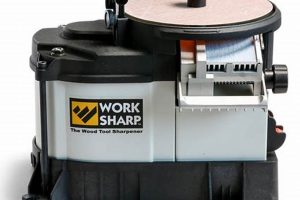
Sharpening involves using progressively finer grit stones to maintain the blade’s bevel angle. Consistent honing after each use is recommended. Specialized jigs can assist in maintaining a consistent angle during sharpening.
Question 5: What types of wood are best suited for adze work?
The suitability of wood depends on the specific task. Softer woods are easier to shape but require a sharper blade to prevent tear-out. Hardwoods demand more force but can produce cleaner cuts with proper technique.
Question 6: How does handle length affect adze performance?
Longer handles generate more force, advantageous for heavy material removal. Shorter handles offer greater control, facilitating finer detail work. The appropriate handle length depends on the task at hand.
The adze remains a valuable tool in woodworking, offering unique capabilities for shaping and sculpting wood. Its proper use requires knowledge, skill, and adherence to safety guidelines.
The subsequent section will explore advanced techniques and applications of the adze, further enhancing the understanding of this versatile implement.
Conclusion
This exploration of the “adze woodworking tool” has illuminated its multifaceted nature, encompassing its design variations, historical significance, material suitability, and essential maintenance procedures. The tools unique capabilities in shaping curved surfaces, coupled with the nuanced wood removal techniques it demands, underscore its enduring relevance in woodworking traditions and contemporary practices. A clear understanding of these factors is essential for maximizing the implement’s potential and ensuring safe, efficient operation.
The sustained use of the “adze woodworking tool” across diverse cultures and historical periods attests to its versatility and adaptability. It serves as a reminder of the ingenuity and resourcefulness of past generations, while also offering valuable lessons for present-day craftspeople. Continued engagement with the tool and its associated knowledge will not only preserve this rich heritage but also foster innovation and creativity in woodworking practices for years to come.