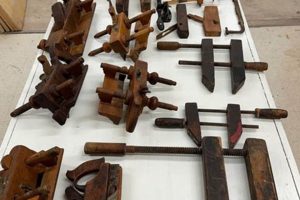
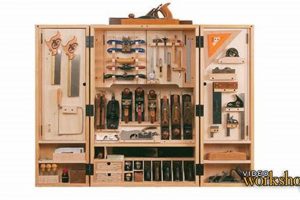
The evolution of implements employed in shaping and manipulating wood constitutes a significant narrative in the chronicle of human technological advancement. These implements, designed to cut, shape, join, and finish wood, have undergone continuous refinement, reflecting concurrent developments in metallurgy, engineering, and the understanding of material properties. The progression is marked by innovations that enhanced efficiency, precision, and the complexity of wooden artifacts achievable.
Understanding the development of these tools offers insight into societal progress, economic shifts, and the changing relationship between humans and the natural world. From basic stone axes to intricate power tools, each stage in the progression reveals how the capacity to transform wood has influenced architecture, furniture construction, transportation, and countless other aspects of civilization. Moreover, the study of these advancements highlights the ingenuity and resourcefulness of artisans throughout the ages.
The subsequent sections will delve into specific eras and tool categories, examining the pivotal innovations and cultural influences that have shaped the craft. From ancient hand tools to the modern power equipment, each advancement is explored in detail, and it reveals how this essential aspect of craftsmanship has evolved over centuries.
Tips for Studying the Evolution of Carpentry Instruments
Understanding the development of implements for working timber requires a systematic approach. By focusing on key aspects, researchers and enthusiasts can gain a comprehensive understanding of this vital area.
Tip 1: Categorize by Function: Analyzing these tools by function, such as cutting, shaping, joining, or finishing, reveals evolutionary trends within each category. For example, consider the progression of saws from early flint versions to modern power saws.
Tip 2: Examine Material Science: The composition of implements directly impacts their efficacy and lifespan. Trace how material innovations, such as the introduction of bronze, iron, and steel, revolutionized tool performance and design.
Tip 3: Investigate Regional Variations: Local resources, traditions, and technological exchanges resulted in significant regional differences in tool design and usage. Examine how climate and available materials influenced the development of specific tool types in different geographic areas.
Tip 4: Study Ergonomics and Design: Advancements in the understanding of human biomechanics led to improved ergonomics and tool designs that enhanced user comfort and efficiency. Analyze how handles, grips, and overall tool shapes evolved to reduce strain and improve precision.
Tip 5: Analyze Depictions in Art and Literature: Visual representations in paintings, sculptures, and literature provide valuable insights into how specific implements were used in different historical periods. Scrutinize such depictions for clues about techniques, social context, and the role of woodworkers in society.
Tip 6: Explore the Impact of Mechanization: The introduction of water and steam power, followed by electricity, transformed timber processing and enabled the creation of more complex and precise tools. Examine the socio-economic effects of mechanization on the craft.
Tip 7: Preservation and Museums: Visit local and national museums. Examine the collection of carpentry instruments, for the past tools.
By focusing on functional categorization, material science, regional variations, ergonomic considerations, and artistic representations, a comprehensive understanding of the evolution in carpentry can be achieved. Each perspective offers valuable insights into the technological and cultural forces that shaped this vital craft.
The following sections will explore specific examples and case studies that illustrate these key concepts, offering a more detailed look at the history of tools used in the process.
1. Materials

The narrative of woodworking tools is inextricably linked to the materials from which they are constructed. The availability and properties of specific substances have fundamentally dictated tool design, functionality, and ultimately, the capabilities of woodworkers throughout history. Early woodworking relied heavily on stone, bone, and antler. Stone axes, for instance, were employed for felling trees and rough shaping, though their effectiveness was limited by the material’s inherent brittleness and difficulty in creating precise edges. The transition to copper and later bronze marked a significant advancement, enabling the creation of more durable and refined tools such as saws and chisels. The discovery of iron ore and subsequent development of ironworking techniques ushered in a new era of woodworking. Iron tools, stronger and capable of holding a sharper edge than their bronze counterparts, facilitated more intricate and efficient woodworking practices.
The impact of materials extends beyond the primary cutting edges of tools. The handles and bodies of implements have also evolved in tandem with material science. Early handles were often made of wood, secured with rawhide or plant fibers. The development of composite materials and advanced adhesives allowed for stronger, more ergonomically designed handles, enhancing user comfort and control. Furthermore, the use of steel alloys in modern tools, combined with manufacturing techniques like tempering and hardening, has resulted in implements with exceptional durability and edge retention. The properties of different types of steel can be tailored to specific applications, such as high-speed steel for power tools or carbon steel for hand planes, optimizing performance.
In summation, the selection of materials is a foundational element in the evolution of woodworking tools. From the earliest stone implements to the advanced alloys used in modern tools, each material innovation has expanded the possibilities of woodworking. Understanding this connection provides insights into the constraints and opportunities faced by woodworkers throughout history, and the constant drive for improved tools to meet ever-evolving demands.
2. Functionality

The functional aspect of implements utilized in shaping and manipulating wood has served as a primary driver of their historical development. Each advancement in tool design and construction directly reflects the need for enhanced capabilities in specific woodworking tasks. The earliest stone axes, for instance, provided a rudimentary means of felling trees and splitting timber, but their limitations in precision and control necessitated the development of more refined tools. The subsequent introduction of metal tools, such as saws and chisels, enabled more intricate cuts and shaping, expanding the range of achievable woodworking projects. Thus, the demand for improved functionality, whether it be increased cutting efficiency, enhanced precision, or the ability to perform specialized tasks, has been the catalyst for ongoing innovation. The progression from hand-powered tools to mechanized equipment represents a further example of this dynamic, driven by the desire to increase productivity and reduce physical labor. Each iteration in functionality reveals a distinct stage in the history.
Consider the evolution of the plane, a tool used for smoothing and shaping wood surfaces. Early planes consisted of simple blades held in wooden stocks, offering limited control and producing uneven results. Over time, improvements in blade metallurgy, stock design, and adjustment mechanisms led to more sophisticated planes capable of producing extremely flat and smooth surfaces. The development of specialized planes, such as molding planes and rabbet planes, further expanded the functionality of this tool category, allowing woodworkers to create intricate profiles and joinery details. Examining this evolution underscores the practical significance of understanding the interplay between functionality and design. Increased knowledge allows for more effective techniques and results in more sophisticated output.
In summation, the functionality of woodworking tools constitutes a critical element in their history. It is through the persistent pursuit of enhanced capabilities that advancements in tool design, materials, and manufacturing techniques have occurred. The ongoing quest for improved functionality, driven by both practical necessity and artistic ambition, ensures continued innovation in the field, reflecting the enduring human drive to shape and transform wood.
3. Ergonomics

Ergonomics, the science of designing and arranging things so that people can use them easily and safely, has exerted an increasingly profound influence on the trajectory of implements employed in shaping and manipulating wood. Early tools, often rudimentary and lacking in ergonomic considerations, frequently led to user fatigue, discomfort, and even injury. The evolution of tool design reflects a growing awareness of these issues, resulting in implements that are more comfortable, efficient, and safer to use.
- Handle Design and Grip
Early tool handles were often simple wooden shapes, lacking contours or features to promote a secure grip. Over time, handles have been refined to incorporate ergonomic curves, textured surfaces, and materials that reduce slippage. The development of pistol-grip handles on saws and contoured grips on hand planes exemplifies this trend, allowing for greater control and reduced strain on the user’s hands and wrists.
- Weight and Balance
The weight and balance of an implement significantly impact its usability and the amount of force required to operate it effectively. Early tools were often heavy and unbalanced, requiring significant physical effort. Modern designs emphasize lighter materials and optimized weight distribution, reducing fatigue and improving precision. The use of lightweight alloys and composite materials in power tools reflects this emphasis.
- Posture and Movement
Prolonged use of poorly designed woodworking tools can lead to musculoskeletal disorders and chronic pain. Ergonomic tools are designed to promote natural body postures and minimize repetitive movements. Adjustable-height workbenches, for example, allow woodworkers to maintain a comfortable posture while working, reducing strain on the back and neck. Similarly, power tools with vibration-dampening features reduce the risk of hand-arm vibration syndrome.
- Safety Features
Ergonomics extends to the incorporation of safety features that protect users from potential hazards. Guarding mechanisms on power saws, dust collection systems, and anti-kickback devices are all examples of ergonomic considerations aimed at preventing accidents and injuries. The increasing prevalence of personal protective equipment, such as safety glasses and hearing protection, further underscores the importance of ergonomic principles in ensuring a safe woodworking environment.
In conclusion, ergonomics have played a transformative role in the evolution of implements utilized in shaping and manipulating wood. By prioritizing user comfort, safety, and efficiency, ergonomic tool designs have not only reduced the risk of injury but have also enhanced the overall quality and enjoyment of woodworking. As technology continues to advance, ergonomic principles will likely continue to shape the development of tools, creating a safer and more productive environment for woodworkers.
4. Automation

Automation, the utilization of machines to execute tasks previously performed by humans, represents a pivotal chapter in the history of woodworking tools. Its integration has fundamentally altered the scale, precision, and efficiency of woodworking processes, driving advancements across various facets of the craft.
- Mechanization of Repetitive Tasks
Automation initially manifested in the mechanization of repetitive tasks. Early examples include water-powered sawmills and steam-driven lathes, which significantly accelerated the production of lumber and turned components. These innovations reduced reliance on manual labor, thereby increasing output and decreasing production costs. The subsequent adoption of electric motors further expanded the possibilities for automated machinery, enabling more complex and precise operations.
- Computer Numerical Control (CNC) Technology
The advent of Computer Numerical Control (CNC) technology introduced a new paradigm in woodworking. CNC machines employ computer-programmed instructions to control the movements of cutting tools, enabling the creation of intricate designs and complex geometries with unparalleled accuracy. CNC routers, milling machines, and laser cutters have become indispensable in modern woodworking, facilitating mass production of identical parts and enabling the realization of designs that would be virtually impossible to execute by hand.
- Robotics in Woodworking
Robotics represent a further evolution of automation in woodworking. Robotic arms can be programmed to perform a wide range of tasks, from material handling and assembly to sanding and finishing. These systems offer significant advantages in terms of speed, consistency, and safety, particularly in high-volume production environments. The integration of robotics also enables the automation of tasks that are physically demanding or hazardous for human workers.
- Software Integration and Design Automation
Automation extends beyond the physical realm of machinery to encompass software integration and design automation. Computer-Aided Design (CAD) software allows woodworkers to create detailed 3D models of their projects, which can then be directly translated into instructions for CNC machines. Parametric design tools enable the creation of complex designs based on user-defined parameters, streamlining the design process and facilitating customization. This integration of software and hardware represents a holistic approach to automation, maximizing efficiency and design flexibility.
In summary, automation has profoundly reshaped the landscape of woodworking, influencing tool development and processes across a broad spectrum. From the initial mechanization of repetitive tasks to the integration of CNC technology, robotics, and design automation software, each advancement has expanded the capabilities of woodworkers and propelled the craft into new realms of precision, efficiency, and creativity. The continued evolution of automation promises further transformation, ushering in a future where woodworking is increasingly characterized by seamless integration of human skill and machine precision.
5. Specialization

The refinement of tools for woodworking has been intrinsically linked to the increasing specialization within the craft. As woodworking evolved from a general skill to encompass diverse sub-disciplines, the demand for tools tailored to specific tasks spurred innovation and diversification. This specialization not only enhanced efficiency and precision but also enabled the creation of more complex and refined wooden objects.
- Carpentry Tools
Carpentry, focused on structural elements and building construction, necessitated tools robust enough to handle large timbers and create strong joints. Specialized saws for framing, heavy-duty mallets, and precise measuring instruments became essential for carpenters. The development of these tools reflected the need for durability and accuracy in constructing buildings and other load-bearing structures.
- Joinery Tools
Joinery, the art of connecting pieces of wood without mechanical fasteners, demanded tools capable of creating tight-fitting, aesthetically pleasing joints. Dovetail saws, chisels of various sizes and shapes, and specialized planes for creating precise rebates and grooves were crucial for joiners. The evolution of these tools mirrored the increasing complexity and sophistication of joinery techniques.
- Cabinetmaking Tools
Cabinetmaking, concerned with the construction of fine furniture and cabinetry, required tools that prioritized precision and finish quality. Smoothing planes, finely honed chisels, and specialized measuring and marking tools were essential for achieving flawless surfaces and intricate details. The development of these tools reflected the emphasis on aesthetic appeal and high-quality craftsmanship in cabinetmaking.
- Turning Tools
Woodturning, involving the shaping of wood on a lathe, necessitated specialized tools designed to cut and shape rotating wood. Gouges, skews, and parting tools, each with a specific profile and function, allowed turners to create a variety of forms, from simple spindles to intricate bowls and vessels. The evolution of turning tools reflected the increasing complexity and artistry of woodturning techniques.
The history of woodworking tools clearly illustrates how specialization within the craft has driven innovation and diversification. The development of tools tailored to specific woodworking tasks has enabled artisans to achieve greater precision, efficiency, and artistry, leading to the creation of increasingly complex and refined wooden objects. This reciprocal relationship between specialization and tool development continues to shape the landscape of woodworking today.
6. Cultural Influence

The implements employed in shaping and manipulating wood are not solely products of technological advancement; they are also deeply interwoven with the cultural values, traditions, and environmental realities of specific societies. These influences manifest in tool design, usage, and the social context surrounding woodworking practices, shaping both the material characteristics and the symbolic significance of these instruments.
- Regional Materials and Techniques
The availability of local resources and the evolution of indigenous techniques significantly influence the design and construction of tools. For example, in regions with abundant hardwoods, tools designed for heavy shaping and durable construction are prevalent, whereas areas with softer woods may favor tools optimized for finer carving and detailing. Similarly, traditional joinery techniques, passed down through generations, often dictate the specific types and shapes of chisels, planes, and saws utilized within a given culture. The influence of regional materials and techniques are vital in the history.
- Symbolic and Ritualistic Significance
In many cultures, woodworking tools transcend their utilitarian function and acquire symbolic or ritualistic meaning. Certain tools may be associated with specific deities, ceremonies, or social roles, reflecting the importance of woodworking in the community’s spiritual or social fabric. The decoration of tools with intricate carvings or the use of specific materials can also imbue them with cultural significance, transforming them from mere implements into objects of veneration or status.
- Social Organization of Woodworking
The social organization of woodworking, including apprenticeship systems, guild structures, and patterns of knowledge transmission, influences tool design and usage. In some cultures, woodworking is a highly specialized profession with strict hierarchies and standardized tool sets, while in others, it is a more egalitarian practice with greater individual variation. The social context shapes not only the tools themselves but also the knowledge and skills associated with their use, impacting the overall quality and character of woodworking traditions.
- Architectural and Design Preferences
Prevailing architectural and design preferences within a culture significantly shape the tools used by woodworkers. For example, cultures that favor ornate, intricately carved furniture and architectural elements tend to employ specialized carving tools and techniques, while those with simpler, more functional designs may prioritize tools for efficient material removal and basic joinery. The tools are influenced by design preferences.
In conclusion, the implements reflect the unique interplay between technological innovation and cultural expression. By examining the tools within their specific cultural contexts, it is possible to gain a deeper understanding of the values, beliefs, and practices that have shaped the craft throughout history.
7. Accessibility
The scope and character of woodworking across history have been significantly shaped by the degree to which instruments used were available. The ease with which individuals could obtain tools, coupled with the cost associated with their acquisition and maintenance, has directly influenced who could participate in the craft and the scale of woodworking endeavors achievable within a given society. Periods marked by restricted access witnessed woodworking primarily confined to elite artisans or specialized trades, while eras of increased accessibility saw a broader participation and proliferation of woodworking skills across various social strata.
Early woodworking tools, such as those crafted from stone or bone, were relatively accessible due to the widespread availability of raw materials and the simplicity of manufacturing processes. However, with the advent of metalworking, the accessibility of tools became more constrained. The production of metal tools demanded specialized skills and resources, concentrating their availability among skilled blacksmiths and merchants. This scarcity resulted in higher costs, effectively limiting ownership to those with sufficient financial means or those engaged in specific trades that necessitated their use. The Industrial Revolution brought about mass production techniques, leading to reduced manufacturing costs and increased availability. However, economic disparities continued to dictate accessibility, with affordability remaining a barrier for many. Contemporary woodworking benefits from a wide range of readily available tools, from affordable hand tools to sophisticated power equipment. Nonetheless, economic inequalities and access to educational resources continue to influence participation in the craft.
The history of woodworking tools reveals a fluctuating pattern of accessibility, driven by technological advancements, economic forces, and social structures. A comprehensive understanding of woodworking’s past necessitates acknowledging how access to essential implements has shaped the craft’s evolution, its social distribution, and its cultural significance. Ensuring greater accessibility to tools and training remains a crucial factor in fostering broader participation and preserving woodworking traditions for future generations.
Frequently Asked Questions
This section addresses common inquiries regarding the development and significance of implements used in shaping and manipulating wood. The answers provided aim to offer clarity and insight into this facet of human technological advancement.
Question 1: What were the earliest materials used to construct woodworking tools?
The earliest woodworking tools were predominantly crafted from materials such as stone (flint, obsidian), bone, and antler. These materials were utilized to create axes, adzes, and other basic implements for felling trees and shaping wood.
Question 2: How did the introduction of metal impact the evolution of woodworking tools?
The introduction of metal, particularly copper, bronze, and iron, marked a significant advancement in woodworking tool development. Metal tools offered greater durability, sharpness, and precision compared to their stone and bone counterparts, enabling more complex and efficient woodworking practices.
Question 3: What role did the Industrial Revolution play in the history of woodworking tools?
The Industrial Revolution led to mass production of woodworking tools, reducing costs and increasing availability. This period also saw the development of power tools, driven by steam and later electricity, which transformed woodworking from a primarily manual craft to one increasingly reliant on mechanized equipment.
Question 4: How did cultural factors influence the design and use of woodworking tools?
Cultural factors, including regional material availability, traditional woodworking techniques, and social organization, played a significant role in shaping the design and use of tools. Different cultures developed specialized tools and techniques adapted to their specific needs and environments.
Question 5: What is the significance of ergonomics in the design of woodworking tools?
Ergonomics, the science of designing tools for human comfort and efficiency, has become increasingly important in woodworking tool design. Ergonomic tools reduce fatigue, improve precision, and minimize the risk of injury, enhancing the overall woodworking experience.
Question 6: How has automation affected the woodworking industry?
Automation, including CNC technology and robotics, has revolutionized the woodworking industry, enabling the creation of complex designs with unparalleled accuracy and efficiency. Automation has also facilitated mass production and reduced reliance on manual labor, transforming the scale and scope of woodworking operations.
The evolution of tools reflects ingenuity, adaptation, and the enduring human desire to shape the natural world. From early axes to automated equipment, each tool’s iteration marks progress in humanity.
The subsequent section will provide resources for further exploration of woodworking tools.
Conclusion
The preceding discussion has illuminated the multifaceted trajectory of implements employed in shaping and manipulating wood. From rudimentary stone axes to sophisticated, computer-controlled machinery, the evolution of these instruments reflects ongoing advancements in material science, engineering, and an evolving understanding of human factors. Examination of specific tool categories, influential eras, and prevailing cultural forces underscores the significant role this progression has played in shaping human civilization.
The detailed narrative of “history of woodworking tools” reveals an enduring commitment to ingenuity and adaptation in the face of ever-evolving needs and constraints. It serves as a reminder of the profound impact that seemingly simple implements can have on the course of human history. Continued study and preservation of this knowledge is essential for informing future innovation and ensuring that the legacy of craftsmanship endures.