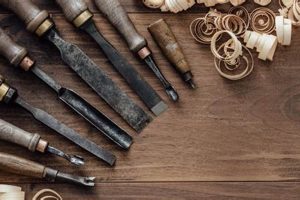
A specialized instrument employed in woodworking creates decorative rounded profiles. This implement, often handheld or machine-mounted, shapes the wood surface to produce a raised, ornamental edge. Examples include scratch stock, beading planes, and router bits designed for this specific purpose.
These instruments are fundamental to adding visual interest and refined detail to furniture, trim, and various woodworking projects. Their use dates back centuries, demonstrating a consistent desire for embellishment and craftsmanship. The resulting decorative edges can enhance both the aesthetic appeal and perceived value of finished products.
The subsequent sections will delve into the different types of these instruments, their proper usage, and the techniques employed to achieve optimal results, ensuring woodworkers can effectively incorporate decorative profiles into their projects.
Guidance on Utilizing Instruments for Decorative Wood Edges
The following guidelines are designed to optimize the use of implements dedicated to creating rounded profiles on wood. These insights will assist in achieving precise and aesthetically pleasing results.
Tip 1: Material Selection: The choice of wood species significantly impacts the ease of achieving a clean, consistent profile. Softer woods may require sharper cutting edges and shallower passes to prevent tearing, while harder woods may necessitate slower feed rates and more frequent sharpening.
Tip 2: Sharpness is Paramount: A dull cutting edge can lead to tear-out, splintering, and inconsistent profiles. Prioritize maintaining a keen edge on the instrument through regular honing and sharpening. Employ appropriate sharpening techniques based on the instrument type.
Tip 3: Grain Direction Awareness: Working with the grain is crucial for preventing tear-out. Observe the grain direction of the wood and adjust the cutting direction accordingly. In some cases, multiple passes may be required to achieve the desired profile without damaging the wood.
Tip 4: Gradual Shaping: Avoid attempting to create the full profile in a single pass. Instead, make several shallow passes, gradually increasing the depth of cut with each pass. This reduces stress on the wood and the instrument, resulting in a cleaner, more controlled cut.
Tip 5: Consistent Feed Rate: Maintain a consistent feed rate when using a handheld or machine-mounted instrument. Erratic movement can lead to uneven profiles and inconsistencies in the final result.
Tip 6: Secure Workpiece Fixation: Ensure the workpiece is securely clamped or held in place to prevent movement during the shaping process. Movement can compromise the accuracy of the profile and potentially cause injury.
Tip 7: Practice on Scrap Material: Before working on the final piece, practice using the instrument on scrap material of the same species. This allows for refining technique and making necessary adjustments before committing to the finished project.
Adhering to these guidelines will facilitate the effective application of instruments used in decorative wood edging, leading to improved precision, reduced material waste, and enhanced project outcomes.
The succeeding segments will address specific instrument types and advanced techniques for achieving intricate and complex decorative profiles.
1. Cutting edge profile

The cutting edge profile is a defining characteristic of any instrument designed to create decorative rounded profiles in woodworking. It directly dictates the shape and size of the resulting bead. Whether the instrument is a hand plane, a router bit, or a scratch stock, the precise geometry of the cutting edge determines the aesthetic quality and functionality of the resulting profile. A complex ogee profile, for instance, requires a cutting edge meticulously ground to match that specific curvature. In contrast, a simple round-over necessitates a cutting edge with a radius matching the desired round-over dimension. Therefore, the cutting edge profile constitutes a primary element in selecting and utilizing these woodworking tools effectively.
The impact of the cutting edge profile extends beyond mere aesthetics. The profile also influences the strength and durability of the bead. A poorly designed or improperly sharpened cutting edge can lead to tear-out, leaving a weak or aesthetically unappealing bead. A properly shaped cutting edge, on the other hand, will create a smooth, clean cut, resulting in a bead that is both visually pleasing and structurally sound. Consider the example of creating a bead along the edge of a tabletop: a precisely shaped cutting edge will produce a bead that is resistant to chipping and wear, enhancing the longevity of the furniture piece. The selection of the right profile is therefore of paramount importance. A cutting edge will create a smooth, clean cut, resulting in a bead that is both visually pleasing and structurally sound. The selection of the right profile is therefore of paramount importance.
In summary, the cutting edge profile is an integral component of any instrument used to create rounded profiles on wood. Its shape directly influences the aesthetic qualities and structural integrity of the final bead. Understanding the relationship between the cutting edge profile and the resulting bead is crucial for achieving precise, durable, and visually appealing results in woodworking. The ongoing challenge lies in maintaining the sharpness and correct geometry of the cutting edge throughout the tool’s lifespan, requiring consistent maintenance and a thorough understanding of sharpening techniques.
2. Material compatibility

The interaction between the material being worked and the instrument employed for creating rounded profiles is a critical determinant of the outcome’s quality. Incompatibility can lead to substandard results, damage to the instrument, or both. Therefore, a thorough understanding of material properties and their relationship to instrument design and operation is essential.
- Wood Density and Hardness
Variations in wood density and hardness significantly influence the ease and quality of bead formation. Softer woods, like pine, require sharper cutting edges and gentler pressure to prevent tearing, while hardwoods, such as maple, demand robust instruments capable of withstanding greater resistance. The choice of a router bit with an appropriate flute design or a hand plane with a suitable cutting angle directly addresses these differences in material hardness.
- Grain Orientation
The direction of the wood grain relative to the cutting direction affects the smoothness of the resulting profile. Cutting against the grain can cause splintering and tear-out, necessitating adjustments in technique, such as shallower passes or the use of a back bevel on the cutting edge. When utilizing a scratch stock, for example, the woodworker must carefully consider grain direction to achieve a clean, crisp bead.
- Resin Content
Wood species with high resin content, such as certain pines and firs, can pose challenges due to the resin clogging the cutting edge of the instrument. This necessitates frequent cleaning and maintenance to ensure optimal performance. Selecting instruments with coatings designed to resist resin buildup, or employing lubricants during the shaping process, can mitigate this issue.
- Moisture Content
The moisture content of the wood influences its workability. Wood that is too wet may be difficult to shape cleanly, while wood that is too dry can be brittle and prone to cracking. Ideally, the wood should be properly seasoned to a stable moisture content before shaping. This is particularly crucial when creating delicate or intricate profiles.
These facets underscore the importance of considering material properties when selecting and employing tools for creating rounded profiles. Proper consideration of wood density, grain orientation, resin content, and moisture content ensures optimal results, minimizes the risk of material damage, and extends the lifespan of the woodworking instrument.
3. Sharpening frequency

The regularity with which a woodworking beading tool requires sharpening is a critical factor influencing its performance, longevity, and the quality of the resulting decorative profiles. Insufficient sharpness leads to compromised cut quality and increased tool wear. Regular maintenance is therefore paramount.
- Impact on Cut Quality
A dull cutting edge can tear wood fibers instead of cleanly severing them, resulting in rough, uneven bead profiles. The degree of sharpness directly correlates with the smoothness and precision achievable. For example, a dull beading plane will produce a fuzzy, ill-defined bead, while a sharp one yields a clean, crisp profile. The deviation in end product quality is substantial.
- Increased Tool Wear
Using a dull beading tool necessitates increased force to achieve the desired cut. This heightened pressure accelerates wear on the cutting edge, reducing the tool’s lifespan and requiring more frequent and extensive sharpening. Continued use of a dull tool can also deform the tool body, rendering it unusable.
- Material-Specific Considerations
The species of wood being worked dictates the sharpening frequency. Harder woods, such as maple or oak, dull cutting edges faster than softer woods like pine or basswood. Woodworkers must adjust their sharpening schedule based on the specific material being processed to maintain optimal tool performance.
- Safety Implications
A dull woodworking beading tool requires more force to operate, increasing the risk of slippage and potential injury. Maintaining a sharp cutting edge reduces the physical exertion required, providing greater control and improving safety during use. Moreover, a controlled cut is predictable, reducing the likelihood of unexpected tool movement.
The connection between sharpness and a beading tool’s effectiveness is direct and significant. A consistent sharpening regimen ensures optimal cut quality, extends the tool’s operational life, mitigates material-specific challenges, and enhances user safety. Therefore, understanding and implementing a proper sharpening schedule is essential for anyone employing these instruments.
4. Depth control
The ability to regulate the depth of cut is paramount when utilizing instruments designed for creating decorative rounded profiles. Consistent and precise depth control directly influences the uniformity, accuracy, and overall aesthetic quality of the finished product. Failure to maintain adequate depth control results in inconsistent profiles and compromised craftsmanship.
- Adjustable Fences and Guides
Many specialized instruments incorporate adjustable fences or guides to precisely limit the cutting depth. These mechanisms allow for incremental adjustments, enabling the creation of consistent profiles across multiple workpieces. For example, a beading plane with an adjustable fence ensures that the bead is formed at a uniform distance from the edge, resulting in a visually cohesive design. Misalignment or improper setting of these guides can lead to uneven or asymmetrical beads.
- Cutting Depth Limiters
Some instruments feature built-in depth limiters to prevent over-cutting. These limiters establish a physical barrier that restricts the cutting edge’s travel, ensuring that the profile does not exceed the desired depth. Router bits with bearings act as depth limiters, following the contour of the workpiece to create consistent profiles. Without such limiters, the potential for error and material waste increases significantly.
- Incremental Cutting Techniques
Achieving precise depth control often involves employing incremental cutting techniques. This approach entails making multiple shallow passes rather than attempting to remove all the material in a single cut. This method reduces the risk of tear-out and allows for finer adjustments to the profile’s depth. A scratch stock, for instance, is typically used with incremental passes to gradually achieve the final bead profile.
- Visual Inspection and Measurement
Even with the aid of adjustable fences and limiters, visual inspection and precise measurement remain critical components of depth control. Regular monitoring of the profile’s depth using calipers or other measuring instruments ensures that the desired dimensions are maintained. This is particularly important when working with intricate or complex bead profiles where minor variations in depth can significantly impact the overall aesthetic.
These elements highlight the indispensable role of depth control in achieving consistent and aesthetically pleasing results with woodworking beading tools. The integration of adjustable mechanisms, the application of incremental techniques, and the implementation of rigorous measurement protocols are essential for mastering the art of decorative profile creation.
5. Workpiece stability

Maintaining a stable workpiece is paramount when utilizing tools designed to create decorative rounded profiles on wood. The precision and safety of shaping these profiles are directly contingent upon preventing movement or vibration during the cutting process. Any instability can lead to inaccurate results, material damage, and potential injury.
- Clamping Mechanisms
Effective clamping mechanisms are essential for securing the workpiece to a stable surface. These devices, including bench vises, clamps, and specialized jigs, prevent movement during tool operation. The choice of clamping method depends on the size and shape of the workpiece, as well as the specific shaping task being performed. For example, when using a router with a beading bit, the workpiece must be firmly clamped to prevent it from shifting under the router’s vibration, which could result in an uneven profile.
- Surface Friction and Non-Slip Materials
Increasing friction between the workpiece and the supporting surface enhances stability. Non-slip materials, such as rubber mats or adhesive pads, can be used to prevent the workpiece from sliding during shaping. This is particularly important when working with smaller or irregularly shaped pieces that are difficult to clamp securely. Applying a thin rubber mat beneath a piece of trim being shaped with a hand-held beading tool, for instance, can significantly reduce the risk of movement.
- Support Structures and Jigs
Employing support structures and specialized jigs can provide additional stability, particularly when shaping complex or delicate profiles. These structures offer added support and prevent flexing or vibration of the workpiece. A jig designed to hold a chair leg while shaping a decorative bead with a router bit, for instance, ensures consistent and accurate results. The presence of such supports is crucial for maintaining profile integrity and dimensional accuracy.
- Operator Technique and Control
Even with robust clamping mechanisms and support structures, the operator’s technique plays a vital role in maintaining workpiece stability. Applying consistent pressure and avoiding jerky movements during tool operation minimizes the risk of shifting or vibration. A controlled and deliberate approach when using a hand-held beading tool ensures that the workpiece remains stable throughout the shaping process, leading to a smoother, more accurate profile.
These elements underscore the critical relationship between workpiece stability and the effective utilization of woodworking beading tools. Proper clamping techniques, surface friction enhancement, supportive structures, and refined operator technique are all essential for achieving precise and safe decorative profile creation. Neglecting these aspects invariably leads to compromised results and increased risk of accidents.
6. Grain orientation
The direction of wood grain significantly influences the outcome when using instruments designed for creating decorative rounded profiles. Grain orientation dictates the ease with which the instrument cuts, the smoothness of the resulting surface, and the propensity for tear-out or splintering. Cutting with the grain, where the cutting edge moves parallel to the wood fibers, generally produces a cleaner cut. Conversely, cutting against the grain, or “uphill,” tends to lift and tear the fibers, leading to a rough or uneven profile. A beading plane, for instance, will function optimally when used in the direction of the grain, yielding a smooth, well-defined bead. Attempting to plane against the grain can result in significant tear-out, requiring extensive sanding or even rendering the workpiece unusable. Grain orientation, therefore, acts as a critical factor that can determine the success or failure of decorative profiling operations.
In practice, understanding grain orientation involves careful observation and strategic planning. Woodworkers often assess the grain direction visually before commencing any shaping operations. Complex projects, such as those involving curved surfaces or changes in grain direction, may necessitate multiple passes with the instrument, adjusting the cutting direction to maintain a favorable angle relative to the grain. Additionally, techniques such as back-beveling the cutting edge or wetting the wood surface can help to minimize tear-out when cutting against the grain becomes unavoidable. For instance, on a curved tabletop edge, the grain may change direction continuously, requiring constant adjustments in tool handling and cutting direction to achieve a consistent, tear-free bead.
In summary, the interplay between grain orientation and decorative profile creation represents a fundamental aspect of woodworking. Recognizing and adapting to grain patterns is essential for achieving high-quality results. While cutting with the grain is generally preferred, strategies exist for mitigating the negative effects of cutting against the grain when necessary. This understanding not only enhances the aesthetic quality of woodworking projects but also minimizes material waste and promotes safer working practices. The ongoing challenge lies in developing the experience and intuition necessary to accurately assess grain orientation and adjust techniques accordingly.
Frequently Asked Questions
The following questions address common inquiries regarding the selection, application, and maintenance of instruments designed for creating decorative rounded profiles on wood. The information provided aims to enhance understanding and improve the quality of woodworking projects.
Question 1: What types of woodworking beading tools are available?
Available instruments include beading planes, scratch stocks, specialized router bits, and molding machines. The appropriate tool depends on the complexity of the desired profile, the scale of the project, and the woodworker’s skill level. Each type offers distinct advantages in terms of precision, efficiency, and versatility.
Question 2: How does one select the appropriate cutting edge profile for a given project?
The selection of the cutting edge profile is dictated by the desired aesthetic and the functional requirements of the project. Consider factors such as the size and shape of the bead, its relationship to adjacent elements, and the overall style of the piece. Reference books and online resources offer a wide range of profile designs.
Question 3: What are the key considerations regarding material compatibility?
Material compatibility involves matching the beading tool to the properties of the wood being worked. Softer woods require sharper cutting edges and gentler pressure to prevent tear-out, while hardwoods demand more robust tools and techniques. The presence of knots or irregular grain patterns may necessitate specialized strategies.
Question 4: How frequently should woodworking beading tools be sharpened?
Sharpening frequency depends on the type of wood being worked and the intensity of use. Dull tools lead to compromised cut quality and increased wear. Inspect the cutting edge regularly and sharpen as needed to maintain optimal performance. A consistent sharpening regimen is essential for extending tool life.
Question 5: What techniques are employed to ensure consistent depth control?
Depth control is achieved through the use of adjustable fences, depth limiters, and incremental cutting techniques. Employ precise measurement and visual inspection to monitor the profile’s dimensions throughout the shaping process. Consistent pressure and a steady hand are also crucial for maintaining uniformity.
Question 6: How does grain orientation influence the outcome of beading operations?
Grain orientation directly impacts the smoothness and quality of the finished profile. Cutting with the grain generally produces cleaner results, while cutting against the grain increases the risk of tear-out. Adjust tool handling and cutting direction to minimize this risk and consider techniques such as back-beveling or wetting the wood surface.
In summary, effective use of woodworking beading tools requires careful consideration of tool selection, profile design, material properties, sharpening practices, depth control techniques, and grain orientation. A thorough understanding of these factors is essential for achieving precise and aesthetically pleasing results.
The subsequent section will provide detailed instructions on specific beading techniques and advanced applications.
Conclusion
This exploration has illuminated the multifaceted nature of the woodworking beading tool, detailing its purpose, function, and the crucial elements that dictate its effective use. From the intricacies of cutting edge profiles and material compatibility to the necessity of consistent sharpening, depth control, workpiece stability, and an understanding of grain orientation, each aspect plays a pivotal role in achieving desirable outcomes. Mastering these elements elevates the quality and precision of woodworking endeavors.
The consistent application of the principles outlined herein will empower woodworkers to achieve refined and aesthetically pleasing results. Continued dedication to skill development and a commitment to quality craftsmanship are essential for realizing the full potential of decorative profile creation, ensuring enduring beauty and value in finished works.