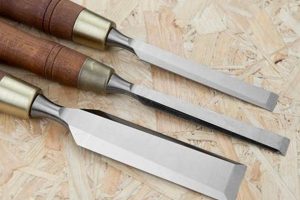
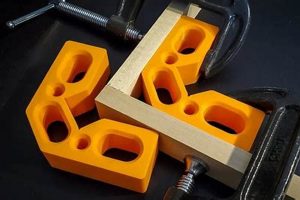
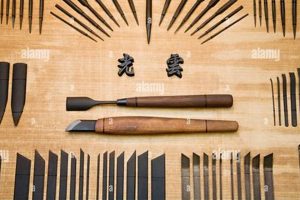
Specialized implements, often overlooked in modern woodworking practices, represent a category of tools designed for specific tasks or techniques. These items, unlike common saws or chisels, may include molding planes for creating intricate profiles, specialized measuring devices for precise layouts, or hand-powered machines for repetitive operations. For example, a complex scratch stock designed to cut a very specific bead profile would fall into this category.
The value of these less-familiar instruments lies in their capacity to achieve results that are difficult or impossible to replicate with contemporary power tools or more common hand tools. They offer a degree of control and precision that allows for historically accurate restoration work and the creation of unique, handcrafted pieces. Moreover, understanding their function provides insight into the evolution of woodworking as a craft and industry, connecting practitioners to a rich lineage of skills and ingenuity.
The following sections will delve into specific examples, exploring their function, history, and potential applications in both traditional and modern woodworking contexts. The goal is to provide a resource for woodworkers seeking to expand their skillset and appreciate the depth and breadth of available tools.
Tips for Utilizing Specialized Woodworking Implements
This section provides guidance on effectively incorporating less common woodworking instruments into projects. Proper use ensures efficiency, precision, and preservation of these valuable tools.
Tip 1: Research Thoroughly: Before acquiring or using an unfamiliar tool, dedicate time to understanding its intended purpose and proper operation. Consult historical texts, online resources, or experienced woodworkers for guidance. Misuse can lead to damage or injury.
Tip 2: Sharpen Appropriately: Many of these tools rely on exceptionally sharp edges for optimal performance. Invest in appropriate sharpening equipment and techniques tailored to the specific tool’s geometry and steel type. A dull edge renders even the best-designed tool ineffective.
Tip 3: Practice on Scrap Material: Avoid using valuable stock for initial trials. Practice cuts, adjustments, and techniques on scrap wood until a comfortable level of proficiency is achieved. This minimizes errors and conserves material.
Tip 4: Secure Work Holding: Ensure the workpiece is securely held in place. Specialized tools often require greater force or precise manipulation. Adequate work holding prevents movement and ensures clean, accurate results.
Tip 5: Understand Grain Direction: As with any woodworking, understanding grain direction is critical. Improper orientation can lead to tear-out, splitting, or other undesirable effects, especially when using tools designed for specific grain patterns.
Tip 6: Maintain and Store Properly: These tools are often historical artifacts or valuable investments. Clean them after each use, apply protective coatings to prevent rust, and store them in a dry environment to ensure longevity.
Tip 7: Respect the Tool’s Limitations: Each tool is designed for a specific task. Attempting to force a tool beyond its intended use can result in damage to the tool, the workpiece, or the user. Understand the tool’s capabilities and limitations.
These tips emphasize the importance of preparation, precision, and respect when working with specialized woodworking implements. Applying these principles ensures successful outcomes and preserves the integrity of these valuable tools.
The following sections will conclude this exploration, summarizing the key benefits and offering further resources for continued learning.
1. Functionality

The functionality of specialized woodworking implements is paramount to their value and differentiates them from general-purpose tools. Each is designed for a specific purpose, often performing a task with a level of precision or efficiency unattainable through other means. Understanding a tool’s intended function is critical before attempting to use it. For example, a specific type of spokeshave designed for shaping chair spindles will not perform effectively on flat surfaces, and attempting to adapt it will likely result in damage to the tool or the workpiece. Similarly, the distinct curvature and cutting angle of a bowl adze are optimized for hollowing out wooden bowls, a task for which a standard axe would be unsuitable and hazardous.
The specialized function often dictates the tool’s design and construction. A complex molding plane, intended to create intricate profiles, incorporates a precisely shaped sole and blade, often requiring considerable skill to manufacture and sharpen. The effectiveness of the plane hinges on maintaining the exact profile of the cutting edge and ensuring it aligns perfectly with the sole. Deviation from the intended parameters compromises the quality of the cut and renders the tool ineffective. Furthermore, the material selection is often crucial to functionality. Some carving tools, designed for delicate work, utilize specific alloys that maintain a keen edge and resist chipping, while others prioritize durability for rougher applications.
In conclusion, the functionality of these tools is not merely a characteristic but the defining aspect of their value. Recognizing and respecting the intended purpose of each implement is essential for achieving optimal results, preserving the tool’s integrity, and appreciating the ingenuity of its design. A failure to understand its designed purpose often leads to incorrect application, poor workmanship and irreparable tool damage.
2. Material Compatibility
The performance and longevity of specialized woodworking implements are significantly influenced by their compatibility with different wood species. Understanding the interaction between tool and material is crucial for achieving desired results and preventing damage to both. The choice of wood directly impacts the cutting action, required force, and potential for tear-out.
- Hardness and Density
The hardness and density of wood significantly affect the ease with which specialized tools can be used. Denser hardwoods, such as maple or oak, require sharper edges and greater force than softer woods like pine or basswood. Tools designed for intricate work, like fine carving tools, are particularly susceptible to damage when used on excessively hard materials. Conversely, tools with aggressive cutting angles may cause splintering in softer woods.
- Grain Direction and Angle
Grain direction plays a vital role in achieving clean cuts with hand tools. Cutting against the grain, particularly with tools like molding planes, can result in tear-out and uneven surfaces. Understanding the grain angle and adjusting the tool’s approach accordingly is essential. Quarter-sawn lumber, with its consistent grain orientation, is often preferred for intricate work as it minimizes the risk of tear-out.
- Resin and Oil Content
The resin and oil content of certain wood species can affect the performance and maintenance of specialized tools. Resinous woods, such as pine or fir, can cause blades to gum up and require more frequent cleaning. Oily woods, like teak or cocobolo, can impart a lubricating effect, but also may require special finishes to ensure proper adhesion. The chemical properties of some woods may also corrode certain metals, necessitating specific tool materials or protective coatings.
- Moisture Content
The moisture content of wood directly affects its workability. Wood that is too wet can be difficult to cut cleanly and may warp or shrink after being shaped. Conversely, excessively dry wood can become brittle and prone to splitting. Maintaining the appropriate moisture content for the specific wood species and application is crucial for achieving optimal results and preventing damage to both the tool and the workpiece.
The interaction between wood species and tool design underscores the need for careful consideration when employing specialized woodworking implements. Experience and a thorough understanding of wood properties are essential for achieving the desired outcome and preserving the tool’s functionality. Selecting the right tool for a specific wood significantly minimizes the risk of errors and maximizes the quality of the finished project, ensuring the obscure woodworking tools remain effective through extended use.
3. Sharpening Technique

The effectiveness of specialized woodworking tools is inextricably linked to the precision and consistency of the employed sharpening technique. Unlike modern power tools where replaceable blades mitigate the need for meticulous sharpening, traditional hand tools, particularly those considered uncommon, depend entirely on a properly maintained cutting edge. The intended function of these tools often necessitates specific edge geometries and sharpness levels that deviate from those required for more common woodworking implements. A molding plane, for instance, requires an extremely keen and precisely shaped cutting edge to produce crisp, detailed profiles. Without the appropriate sharpening technique, the tool will tear the wood fibers rather than cleanly severing them, resulting in a flawed profile and rendering the tool useless for its intended purpose. Similarly, a carving gouge demands a specific bevel angle and polished edge to allow for controlled cuts in intricate designs. A dull or improperly sharpened gouge will require excessive force, increasing the risk of slipping and damaging the workpiece or causing injury. The sharpening process for these implements, therefore, is not merely a maintenance task but an integral component of their operational effectiveness.
Different types of specialized tools necessitate varying sharpening approaches. A burnisher used to create a hook on a cabinet scraper demands a different technique compared to honing the back of a plane iron to ensure it is perfectly flat. Furthermore, the steel composition of the tool itself influences the choice of sharpening abrasives and methods. High-speed steel, commonly found in modern carving tools, may require different sharpening techniques than the carbon steel used in older hand planes. The correct sequence of grits, the application of appropriate pressure, and the maintenance of a consistent angle are all critical factors. Mastery of these techniques often requires specialized training and the use of precision sharpening jigs to ensure consistent and repeatable results. The lack of proper sharpening skills often results in the abandonment of these tools, relegated to display pieces rather than functional instruments.
In summary, the successful utilization of obscure woodworking tools relies heavily on a thorough understanding and skillful execution of appropriate sharpening techniques. The inherent precision required by these tools demands a level of edge maintenance that surpasses that of common implements. From selecting the correct abrasives to mastering the appropriate sharpening angles, this process is a fundamental aspect of achieving high-quality results and preserving the tool’s functionality. Ignoring this essential component ultimately diminishes the tool’s value and relegates it to obsolescence, highlighting the intrinsic link between sharpening technique and the practical application of specialized woodworking implements.
4. Historical Context

The functionality and design of uncommon woodworking tools are inextricably linked to the historical period and cultural context in which they were developed. Understanding this historical context is not merely an academic exercise; it directly informs the proper use, maintenance, and appreciation of these implements. The availability of materials, technological capabilities, and prevailing aesthetic preferences of a given era profoundly shaped the tools’ form and function. For example, the complex molding planes of the 18th and 19th centuries reflect both the availability of high-quality steel and the demand for ornate architectural details in furniture and building construction. The decline of elaborate molding work led to a corresponding decline in the production and use of these specialized planes, rendering them “obscure” in the modern woodworking landscape. Similarly, the tools used in shipbuilding during the age of sail, such as specialized adzes and caulking irons, were highly specific to the demands of that industry and have largely fallen out of common use with the advent of modern shipbuilding techniques.
Furthermore, historical context sheds light on the intended purpose and limitations of these tools. Attempting to use a cooper’s jointer, designed for creating perfectly angled staves for barrel making, for a different task would be both inefficient and potentially damaging to the tool. Knowing that this tool was specifically developed for the unique demands of barrel construction provides insight into its design and the techniques required for its proper use. Likewise, understanding the social and economic factors that influenced the development of particular tools can inform their value and rarity. A tool produced by a renowned maker or associated with a specific historical event will command a higher price and be treated with greater care than a mass-produced item. Preserving these tools also allows for the replication of historical building techniques or the restoration of antique furniture. For instance, replicating a specific type of molding on a historic building requires the use of a molding plane that matches the original profile, necessitating either the acquisition of an antique tool or the creation of a reproduction based on historical models.
In conclusion, historical context is a critical component in understanding and appreciating uncommon woodworking tools. It provides insight into their function, limitations, and appropriate application, as well as informing their value and rarity. Neglecting the historical context can lead to misuse, damage, or a fundamental misunderstanding of the tool’s purpose, ultimately diminishing its value as both a functional object and a historical artifact. A deep understanding of its historical development will enable woodworkers to appreciate the craftsmanship, ingenious designs, and cultural significance of these niche implements.
5. Maintenance Procedures

The longevity and functionality of specialized woodworking tools hinge directly on the consistent application of appropriate maintenance procedures. These implements, often characterized by intricate designs, delicate materials, or historical significance, require attentive care to prevent deterioration and ensure continued effectiveness. Neglecting maintenance can result in rust, corrosion, wood rot (in the case of wooden components), and ultimately, the tool’s functional demise. For example, a finely crafted molding plane, if left unprotected in a humid environment, can develop rust on its cutting iron, rendering it incapable of producing clean, precise profiles. The direct consequence of inadequate maintenance is a loss of both the tool’s utilitarian value and its potential historical significance.
Specific maintenance protocols vary depending on the tool’s composition and intended use. Tools with metal components, such as hand planes and chisels, require regular cleaning and oiling to prevent rust. Wooden components, such as the bodies of planes or handles of saws, may need occasional waxing or oiling to prevent drying and cracking. Edge tools, crucial for tasks like carving or shaping, necessitate frequent sharpening and honing to maintain their cutting efficiency. An example is a set of antique carving gouges, which, if properly cared for, will last through generations; conversely, neglect and improper storage could diminish their value and utility. A failure to sharpen carving tools on a regular basis might lead to frustration, or damage to wood, so maintanance is necessary.
In summary, maintenance procedures are not merely ancillary tasks but rather integral components of preserving specialized woodworking implements. These instruments represent a connection to woodworking history. Proper maintenance ensures their continued functionality, and protects their value as historical artifacts. A dedication to consistent maintenance, therefore, is essential for responsible ownership and utilization of these specialized implements.
Frequently Asked Questions
This section addresses common queries regarding the acquisition, application, and preservation of specialized woodworking instruments, offering concise answers to frequently encountered concerns.
Question 1: How does one identify a genuine specialized woodworking tool versus a reproduction or imitation?
Authenticity can be determined by examining maker’s marks, material composition, construction techniques, and historical records. Consulting experienced collectors or historical woodworking experts can also provide valuable insight. Discrepancies in any of these areas may indicate a reproduction.
Question 2: Where can specialized woodworking tools be sourced?
Sources include antique tool dealers, online auction sites, estate sales, and specialized woodworking shows. Thorough inspection of the tool’s condition and authenticity is crucial before purchase.
Question 3: What are the key considerations when storing specialized woodworking tools to prevent damage?
Proper storage involves cleaning tools after each use, applying rust preventative coatings to metal parts, and storing them in a dry, climate-controlled environment. Wooden components should be protected from excessive dryness or humidity to prevent warping or cracking.
Question 4: Is it necessary to have extensive woodworking experience to effectively use specialized tools?
While prior woodworking experience is beneficial, it is not always essential. A willingness to research, practice, and learn the specific techniques associated with each tool is crucial for successful utilization.
Question 5: How can one determine the appropriate sharpening angle for a specialized woodworking tool?
The sharpening angle is dictated by the tool’s intended function and the type of wood being worked. Historical texts, manufacturer’s specifications, and guidance from experienced woodworkers can provide accurate information on recommended sharpening angles.
Question 6: What resources are available for learning more about the history and application of specialized woodworking tools?
Numerous resources exist, including historical woodworking texts, online forums, woodworking guilds, and museums specializing in antique tools. Workshops and demonstrations offered by experienced woodworkers can also provide valuable hands-on learning opportunities.
These questions address fundamental aspects of specialized woodworking tools, providing guidance for both novice and experienced woodworkers seeking to expand their knowledge and skills.
The following section provides the conclusion.
Conclusion
This article has explored the realm of obscure woodworking tools, emphasizing their functionality, material compatibility, sharpening techniques, historical context, and maintenance procedures. These specialized implements, often overlooked in contemporary practice, offer unique capabilities and connect modern woodworkers to a rich heritage of craftsmanship. Understanding these tools empowers individuals to achieve levels of precision and detail difficult to replicate with modern machinery alone.
The continued study and preservation of obscure woodworking tools is essential for maintaining the integrity of traditional woodworking techniques and fostering innovation in the craft. Woodworkers are encouraged to seek out and explore these implements, integrating them into their practice to both honor the past and expand the possibilities of the future. The knowledge and skills associated with these tools represent a valuable legacy that deserves to be preserved and passed on to future generations.
![Buy Woodworking Tools Sales Online - [Your Brand] | Step-by-Step Guides, Tools & Inspiration to Build Beautiful Wooden Decor on a Budget](https://woodfromhome.com/wp-content/uploads/2026/05/th-213-300x200.jpg "Buy Woodworking Tools Sales Online - [Your Brand] Step-by-Step Guides, Tools & Inspiration to Build Beautiful Wooden Decor on a Budget")