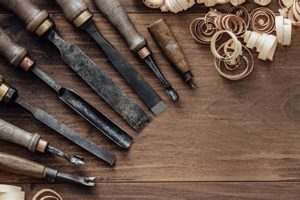
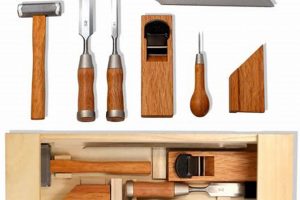
Instruments employed in the craft of shaping wood originating from Japan represent a distinct approach to the discipline. These implements, characterized by unique designs and methods of application, often prioritize sharpness, precision, and efficient material removal. Examples include saws designed to cut on the pull stroke, planes with laminated blades, and chisels meticulously crafted for detailed work.
The significance of these instruments lies in their capacity to achieve refined joinery and smooth surface finishes. Benefits derived from their use encompass enhanced control, reduced physical exertion, and ultimately, a superior quality of finished product. Historically, the development of these specialized tools has been intrinsically linked to traditional Japanese architectural practices and woodworking techniques, reflecting a deep respect for natural materials and meticulous craftsmanship.
The following sections will delve into specific categories of these implements, examining their design principles, usage, and maintenance. Further discussion will explore the influence these tools have had on woodworking traditions both within and beyond Japan.
Tips on Utilizing Japanese Woodworking Tools
The effective use of these instruments necessitates an understanding of their specific design and intended application. Adherence to proper techniques will ensure optimal performance and longevity.
Tip 1: Sharpening is Paramount. Sharpness is critical for achieving clean cuts and minimizing effort. Regular honing and occasional sharpening are essential for maintaining the cutting edge. Utilize water stones of varying grits for optimal results.
Tip 2: Master the Pull Stroke. Japanese saws are designed to cut on the pull stroke, which allows for thinner blades and cleaner cuts. Avoid excessive force; let the saw do the work. A smooth, controlled motion is key.
Tip 3: Understand Blade Lamination. Many Japanese planes and chisels feature laminated blades with a hard steel cutting edge and a softer steel body. This construction allows for a very hard, sharp edge while maintaining the overall durability of the tool. Avoid excessive grinding, which can remove the hardened layer.
Tip 4: Respect the Grain. Like any woodworking practice, understanding the grain direction is essential when using these tools. Planing against the grain can result in tear-out. Adjust the blade depth and angle accordingly.
Tip 5: Properly Maintain Camellia Oil. Camellia oil is traditionally used to protect these instruments from rust and corrosion. Apply a thin coat after each use, particularly on exposed metal surfaces. This preventative measure will extend the lifespan of the tools.
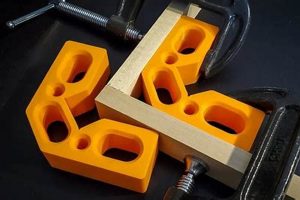
Tip 6: Avoid Over-Clamping. When using these implements in joinery, excessive clamping pressure can damage the wood. Use only the necessary force to secure the pieces, and consider using cauls to distribute the pressure evenly.
Tip 7: Seek Knowledge From Experienced Craftsmen. The nuances of these methods are best learned through hands-on instruction. Seek out workshops or mentorship from experienced woodworkers to refine technique and understanding.
Consistent adherence to these principles will result in improved precision, reduced material waste, and a higher quality of finished projects when employing these woodworking instruments.
The subsequent sections will explore the history and cultural significance of these tools in greater detail.
1. Sharpness and Japanese Woodworking Tools

Sharpness constitutes a foundational element in the efficacy and cultural significance of implements utilized in Japanese woodworking. It is not merely a desirable attribute but an intrinsic requirement for achieving the precision, clean cuts, and smooth finishes characteristic of this craft.
- Enhanced Cutting Efficiency
The exceptional sharpness of Japanese woodworking tools enables efficient material removal with minimal force. This reduces operator fatigue and allows for greater control over the cutting process. For example, a razor-sharp nomi (chisel) effortlessly pares away wood fibers, resulting in clean, crisp joints with minimal risk of crushing or tearing.
- Improved Surface Finish
Sharp tools produce smoother surface finishes compared to dull implements. A keen cutting edge severs wood fibers cleanly, leaving a surface that requires less sanding or further refinement. The smoothness achieved with a sharp kanna (plane) is often so refined that it is ready for finishing without additional treatment, showcasing the material’s natural beauty.
- Precision Joinery
The accuracy demanded in traditional Japanese joinery necessitates extremely sharp tools. Precise cuts are essential for creating tight-fitting joints that maximize structural integrity and aesthetic appeal. A perfectly sharp dozuki (backsaw) allows for exceptionally fine cuts, vital for intricate dovetails and other complex joinery techniques.
- Safety Considerations
Paradoxically, sharp tools are often safer than dull ones. A sharp tool requires less force to operate, reducing the likelihood of slips or uncontrolled movements. Dull tools, on the other hand, require excessive force, increasing the risk of injury. Maintaining a keen edge on all Japanese woodworking implements is thus a critical safety practice.
The inherent sharpness of these instruments is not simply a matter of functionality but reflects a cultural ethos emphasizing respect for the material and dedication to meticulous craftsmanship. The pursuit of sharpness in Japanese woodworking tools underscores the profound connection between technique, aesthetics, and cultural values within this discipline.
2. Precision and Japanese Woodworking Tools

Precision is an indispensable attribute of Japanese woodworking tools, fundamentally shaping the quality and character of the resulting craftsmanship. These instruments are engineered and employed with a relentless focus on accuracy, enabling woodworkers to achieve tight-fitting joinery, intricate details, and impeccably smooth surfaces. The pursuit of precision is not merely a technical objective; it is intrinsically linked to the aesthetic values and philosophical underpinnings of traditional Japanese woodworking. For example, the creation of complex kumiko patterns, with their interlocking wooden components, necessitates tolerances measured in fractions of a millimeter, a feat attainable only with tools designed for extreme accuracy and wielded with meticulous skill. Similarly, achieving flawless mortise and tenon joints, essential for structural integrity in traditional architecture, requires precise chisels and saws that leave minimal room for error.
The emphasis on precision directly influences the design and manufacturing of these implements. Japanese saws, for instance, feature thin, precisely set blades that minimize material waste and allow for extremely fine cuts. Planes are meticulously constructed to maintain consistent blade angles and flatness, ensuring uniform shaving of the wood surface. Chisels are carefully forged and sharpened to achieve razor-sharp edges capable of executing clean, controlled cuts in even the most challenging grain patterns. The selection of appropriate materials, the rigor of the manufacturing process, and the techniques employed in sharpening and maintaining these tools all underscore the commitment to achieving unparalleled accuracy.
Ultimately, the link between precision and Japanese woodworking tools transcends mere technical proficiency. It embodies a philosophy of respect for the materials, dedication to craftsmanship, and the pursuit of perfection. The understanding of this connection is crucial for appreciating the historical and cultural significance of these tools and for effectively utilizing them to create works of enduring beauty and functionality. While the path to mastering these instruments is demanding, the resulting precision in the finished product is a testament to the enduring value of this approach.
3. Blade Material
The selection and treatment of blade material are critical determinants of the performance and longevity of woodworking instruments originating from Japan. This direct correlation stems from the inherent demands placed on these tools: they must maintain an exceptionally sharp edge, withstand repeated use, and resist deformation under stress. Consequently, traditional Japanese blades frequently employ laminated steel, a composite structure designed to optimize these characteristics. A hard, high-carbon steel forms the cutting edge, providing superior sharpness and edge retention. This is then bonded to a softer, more ductile steel body, offering resilience and shock absorption, preventing catastrophic failure under pressure. For instance, the blade of a high-quality kanna (plane) utilizes shirogami (white paper steel) or aogami (blue paper steel) for the cutting edge, known for their ability to achieve and maintain extreme sharpness, while the body is often made of softer iron.
The practical significance of this construction manifests in several key areas. First, it allows for the creation of blades that are exceptionally hard and sharp without sacrificing overall durability. Second, the differential hardening process, a common technique in Japanese toolmaking, further enhances performance. This process involves selectively hardening the cutting edge while leaving the rest of the blade relatively softer, optimizing both sharpness and toughness. For example, the distinctive wavy pattern ( hamon) visible on some Japanese chisels is a direct result of differential hardening, indicating the precise control over the blade’s metallurgical properties. Finally, the laminated structure simplifies sharpening; the user focuses on honing the hard steel cutting edge without having to reshape the entire blade, making maintenance more efficient.
In summary, the choice of blade material and its subsequent treatment profoundly influence the functionality and value of instruments crafted for woodworking. This intricate relationship highlights the emphasis placed on material science and metallurgical expertise in traditional Japanese toolmaking. Understanding the principles behind blade lamination and differential hardening is essential for both appreciating the craftsmanship involved and for properly selecting and maintaining these tools to maximize their performance. Challenges in modern production include maintaining the traditional skillsets and accessing high-quality materials, necessitating ongoing efforts to preserve these valuable techniques.
4. Pull-Stroke Design

The prevalence of pull-stroke mechanisms in implements used in Japanese woodworking represents a significant departure from the push-stroke designs common in many Western tools. This design choice fundamentally influences the user’s interaction with the material, the tool’s construction, and the resulting cut quality.
- Thinner Blades and Reduced Kerf
Saws designed to cut on the pull stroke can utilize significantly thinner blades. Because the tensile force is applied to the blade during the cutting action, the blade is less prone to buckling. This allows for a narrower kerf, the width of the cut, which translates to less material waste and greater precision. For example, a kataba saw with its single row of teeth designed for rip cuts, utilizes a pull-stroke action to make deep cuts with minimal material loss.
- Enhanced Control and Accuracy
The pull-stroke action allows the user to maintain greater control over the saw. The force is directed towards the user, offering a more intuitive feel for the cutting process. This enhanced control contributes to improved accuracy, especially when executing fine joinery. An example includes the use of a dozuki saw, with its reinforced back, allowing users to create clean, precise dovetails and other intricate joints with confidence.
- Reduced Effort and Fatigue
While seemingly counterintuitive, the pull-stroke design can reduce the amount of effort required to cut through wood. By pulling the blade, the user leverages body weight and momentum more effectively. This can lead to less fatigue over extended periods of use. When using a ryoba saw, woodworkers can switch between cross-cut and rip-cut teeth using a pull action, reducing the need to reposition and change tools, thereby improving overall efficiency.
- Blade Tension and Stability
The act of pulling the blade creates tension, which helps to stabilize it during the cutting process. This tension minimizes blade vibration and contributes to a smoother, more controlled cut. This is particularly crucial for saws with long, thin blades, such as those used for cutting large panels or boards. The sugihara saw exemplifies this as it requires controlled blade tension to perform straight cuts.
The deliberate implementation of pull-stroke mechanics in these woodworking instruments reflects a nuanced understanding of materials and ergonomics. It represents a commitment to precision, efficiency, and the creation of high-quality finished products. Understanding the principles and advantages of this design is essential for effectively utilizing and appreciating the unique characteristics of Japanese woodworking tools. The continued relevance and adoption of this pull-stroke system, even in modern woodworking contexts, underscores its enduring value.
5. Ergonomics
Ergonomic considerations significantly influence the design and application of implements originating from Japan. The emphasis is placed on optimizing the interaction between the user and the tool, minimizing strain, and maximizing efficiency and control.
- Handle Design and Grip
Handles are meticulously shaped to fit comfortably within the hand, promoting a secure and controlled grip. The materials used, such as seasoned wood, provide tactile feedback and reduce slippage. Examples include the octagonal or oval shapes commonly found on chisel and plane handles, designed to prevent rolling and provide a stable grip. The choice of handle material and shape directly impacts user fatigue and precision during prolonged use.
- Balance and Weight Distribution
The distribution of weight within the instrument is carefully considered to minimize strain on the user’s wrist and arm. A well-balanced tool requires less force to control, reducing the risk of repetitive strain injuries. The placement of the blade relative to the handle, for instance, affects the overall balance and stability during use. Achieving optimal weight distribution is vital for tasks requiring sustained precision, such as carving or fine joinery.
- Pull-Stroke Mechanics
As previously noted, saws designed for pull-stroke cutting inherently offer ergonomic advantages. This action allows the user to engage larger muscle groups in the back and shoulders, distributing the workload more evenly. The pull stroke reduces strain on the wrist and forearm compared to push-stroke saws, which rely more heavily on smaller muscles. The shift in force application significantly contributes to reduced user fatigue over extended periods.
- Tool Height and Working Posture
The height and angle at which woodworking implements are used are vital ergonomic factors. Traditional Japanese woodworking often involves working on low benches or the floor, necessitating tools designed to accommodate these postures. The length of plane bodies and the angles of chisel blades are designed to optimize comfort and efficiency when working in these positions. Proper alignment and working posture are crucial for preventing back pain and other musculoskeletal issues.
These ergonomic considerations are integral to the overall design philosophy behind these implements. They reflect a commitment to creating tools that not only perform effectively but also promote the well-being of the user. Understanding the ergonomic principles underpinning the design of these instruments is essential for their proper use and appreciation.
6. Maintenance

The operational effectiveness and longevity of woodworking instruments from Japan are inextricably linked to diligent maintenance practices. The unique design characteristics, particularly the use of laminated steels and thin, hardened edges, necessitate specific care routines to preserve performance. Failure to adhere to appropriate maintenance protocols results in diminished cutting ability, increased susceptibility to corrosion, and ultimately, premature tool failure. For example, neglecting to regularly hone a kanna (plane) blade will cause the cutting edge to dull, leading to tear-out and uneven surfaces. Similarly, allowing moisture to accumulate on a nomi (chisel) blade can initiate rust formation, compromising its structural integrity and cutting precision. This demonstrates a direct cause-and-effect relationship where maintenance acts as a critical intervention to mitigate potential degradation.
The importance of maintenance extends beyond simple preservation; it is integral to realizing the intended benefits of these specialized tools. Correct sharpening techniques, using water stones of varying grit, are paramount for maintaining the razor-sharp edge essential for clean cuts. Oiling, typically with camellia oil, prevents rust and lubricates moving parts, such as the blade adjustment mechanism on a plane. Proper storage, away from moisture and excessive temperature fluctuations, minimizes the risk of corrosion and warping. Adjustments, such as flattening the back of a plane blade or realigning the teeth of a saw, ensure optimal performance and prevent uneven wear. These interventions are not merely ancillary tasks; they are essential components of the overall woodworking process, enabling the user to achieve the precision and finesse for which these tools are renowned. For example, a craftsman using a dozuki saw would need to maintain the blades set with specialized pliers to ensure the saw cuts straight and true in fine joinery applications.
In conclusion, maintenance is not an optional addendum to the use of instruments for woodworking; it is a fundamental requirement for maximizing their potential and ensuring their continued usability. Neglecting these practices leads to a decline in performance and ultimately negates the benefits afforded by their specialized design. The challenges lie in acquiring the necessary knowledge and developing the discipline to consistently implement these maintenance routines. The longevity and precision of these implements stand as a testament to the value of meticulous care. Further research into blade metallurgy and sharpening techniques will continue to refine best practices and enhance the lifespan of these invaluable woodworking assets.
Frequently Asked Questions
The following addresses common inquiries regarding instruments used in Japanese woodworking, aiming to provide concise and factual answers.
Question 1: What distinguishes Japanese saws from Western saws?
Japanese saws typically cut on the pull stroke, allowing for thinner blades and finer cuts. Western saws generally cut on the push stroke, requiring thicker blades to prevent buckling. The pull-stroke design often results in reduced material waste and greater precision.
Question 2: Why are Japanese plane blades often laminated?
Lamination combines a hard, high-carbon steel cutting edge with a softer steel body. This allows for exceptional sharpness and edge retention while providing resilience and shock absorption. The softer body also facilitates easier sharpening.
Question 3: How frequently should Japanese woodworking tools be sharpened?
The frequency depends on usage and material. Regular honing is recommended before each use. Sharpening with water stones is necessary when the cutting edge becomes noticeably dull. Consistent maintenance is crucial for optimal performance.
Question 4: What is the purpose of camellia oil in tool maintenance?
Camellia oil acts as a protective barrier against rust and corrosion. Applying a thin coat to exposed metal surfaces, especially after use, helps to prevent oxidation and prolong the tool’s lifespan. It also lubricates moving parts.
Question 5: Are specialized sharpening stones required for Japanese blades?
While various sharpening methods exist, water stones are generally preferred for Japanese blades. They offer a controlled and effective means of achieving and maintaining the desired sharpness. Different grits are used for sharpening and honing.
Question 6: Can Japanese woodworking tools be used effectively by beginners?
While possessing unique characteristics, these can be effectively wielded by beginners. Initial use will benefit from focused instruction to properly maintain and operate them. With experience, beginners can get good results, even if they do not start with traditional tools from Japan.
In summary, the proper use and maintenance of woodworking instruments requires an understanding of their unique design and construction. Adherence to recommended practices will ensure optimal performance and longevity.
The subsequent section will explore the historical evolution and cultural context of these tools.
Conclusion
This exploration of Japanese woodworking tools has illuminated the unique design principles, material science, and cultural significance underpinning their creation and application. From the pull-stroke mechanics of saws to the laminated construction of plane blades, each element reflects a deliberate pursuit of precision, efficiency, and aesthetic refinement. The emphasis on meticulous maintenance and the ergonomic considerations embedded in their design further underscore the commitment to both the quality of the finished product and the well-being of the craftsman. Effective execution of these tools require sharp focus on details.
The enduring relevance of these tools in contemporary woodworking contexts testifies to their inherent value. Further research into traditional techniques and ongoing efforts to preserve these skills are essential for ensuring that future generations can benefit from this rich legacy. Mastery represents not only the acquisition of technical skill, but also an appreciation for the profound connection between craftsmanship, culture, and the natural world. Continuous use and study are warranted to get the best result.