The assemblage of implements initially acquired for engaging in the craft of shaping wood constitutes a fundamental element for any aspiring woodworker. This initial collection often includes a selection of hand tools like a saw, chisel, and plane, complemented by essential measuring tools such as a ruler and square, and a means for securing workpieces, typically a vise or clamps. For example, a new enthusiast might begin with a backsaw, a set of bench chisels, a combination square, and bar clamps to construct simple boxes or shelving units.
Possessing an appropriate set of introductory equipment is crucial for establishing a solid foundation in woodworking. It facilitates the development of essential skills, encourages safe working practices, and enables the successful completion of early projects. Historically, the acquisition of tools marked a rite of passage for apprentices, signifying their entry into the trade and granting them the means to create and contribute. A well-chosen set minimizes frustration, reduces the likelihood of errors, and maximizes learning potential.
The ensuing discourse will explore the key considerations in selecting appropriate equipment, examine the types of tools generally included in an introductory set, and provide guidance on maintaining and utilizing these implements effectively.
Guidance on Initial Woodworking Implements
The subsequent recommendations offer insights into procuring a practical and effective initial set of woodworking implements, emphasizing quality, versatility, and long-term value.
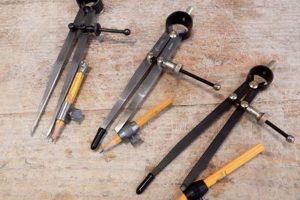
Tip 1: Prioritize Essential Hand Tools. Rather than acquiring a multitude of specialized power tools, focus on core hand tools such as a sharp hand saw, a set of chisels in varying sizes, a smoothing plane, and a reliable marking gauge. Mastering these fundamentals is crucial before advancing to more complex techniques.
Tip 2: Invest in Quality Measurement Instruments. Accurate layout and measurement are paramount for precise woodworking. A high-quality combination square, a steel rule, and a reliable tape measure are indispensable for ensuring accuracy in all project phases.
Tip 3: Acquire Adequate Clamping Pressure. Securely holding workpieces is critical for safety and precision. A selection of bar clamps, pipe clamps, and spring clamps provides the necessary clamping force for assembling and securing various project types.
Tip 4: Sharpness is Paramount. A dull tool is a dangerous tool. Invest in sharpening equipment, such as sharpening stones or a honing guide, and learn to maintain a keen edge on all cutting tools. This will improve both safety and the quality of the work.
Tip 5: Begin with a Versatile Selection of Wood. Instead of purchasing large quantities of exotic hardwoods, opt for readily available and affordable softwoods, like pine or poplar, for practicing basic techniques and joinery. As skills develop, more specialized materials can be incorporated.
Tip 6: Explore Used Tool Markets. High-quality vintage tools can often be found at estate sales, flea markets, and online auction sites at significantly lower prices than new tools. Thoroughly inspect used tools for damage and ensure they can be restored to proper working condition.
Tip 7: Consider a Starter Kit. Some manufacturers offer packaged sets designed for novice woodworkers. These kits can provide a cost-effective way to acquire a basic set of essential implements. However, carefully evaluate the quality and contents of the kit before purchasing.
Adhering to these guidelines will contribute to a more effective and enjoyable introduction to woodworking, fostering both skill development and project success.
The following section will address the safe and responsible use of woodworking implements, underscoring the importance of safety equipment and proper technique.
1. Tool Functionality

The operative capacity of each implement significantly influences the efficacy of a beginner’s foray into woodworking. The practical application and inherent capability of an implement directly impact the user’s ability to learn fundamental techniques and complete projects successfully. Therefore, understanding the functional scope of individual tools is paramount in selecting a suitable initial set.
- Cutting Efficiency
The ability of a tool to efficiently remove material is critical. A backsaw, for instance, must cut cleanly and accurately for joinery. The sharpness and tooth geometry directly impact the effort required and the quality of the cut. An inadequate saw necessitates excessive force, leading to inaccuracies and user fatigue. Poor cutting functionality hinders the development of fundamental cutting skills.
- Planing Accuracy
A hand plane’s functionality is measured by its ability to create flat, smooth surfaces. A well-tuned plane enables the removal of thin shavings, resulting in a refined surface finish. Conversely, a poorly designed or maintained plane may chatter, tear the wood fibers, or fail to achieve the desired flatness. This deficiency undermines the user’s ability to prepare stock accurately, a cornerstone of woodworking.
- Fastening Reliability
The functionality of clamps resides in their ability to securely hold workpieces during assembly. Insufficient clamping pressure results in gaps in joints, weakening the structure and compromising the visual appeal. Clamps must maintain consistent pressure and resist slippage under load. Unreliable fastening directly impedes the creation of strong and aesthetically pleasing assemblies.
- Measuring Precision
Accurate layout and measurement are fundamental to all woodworking projects. A combination square’s functionality lies in its ability to provide precise 90-degree angles and accurate length measurements. An inaccurate square introduces errors throughout the project, leading to misaligned joints and dimensional inaccuracies. Deficient measuring tools prevent the achievement of accurate and repeatable results.
Each of these functional aspects contributes directly to the overall success of an initial woodworking endeavor. The selection of implements must prioritize demonstrable functionality to facilitate learning, promote accurate execution, and foster a positive experience, thereby establishing a strong foundation for future skill development.
2. Material Quality

Material quality directly influences the performance, durability, and safety of woodworking implements, especially for those beginning in the craft. The correlation between the composition of a tool and its effectiveness is profound. For example, a hand plane constructed from high-carbon steel retains its edge longer than one made from inferior steel, requiring less frequent sharpening and ensuring smoother, more consistent results. Similarly, a poorly constructed chisel, made from brittle or inadequately hardened steel, is prone to chipping or breaking under stress, presenting a safety hazard and hindering the user’s ability to execute precise cuts. The selection of implements crafted from durable materials is not merely a matter of longevity but also a determinant of accuracy and user safety.
The impact of material quality extends beyond the tool’s cutting edge or structural integrity. The handle material of a hand tool also plays a critical role. A well-designed handle made from dense hardwood, such as ash or hickory, provides a comfortable and secure grip, reducing fatigue and increasing control. Conversely, a handle made from low-quality plastic or poorly finished wood can be slippery, leading to accidents. The materials used in measuring instruments, such as the steel in a combination square, dictate the accuracy and reliability of those instruments. A warped or poorly calibrated square renders it useless for precise layout, undermining the foundation of any woodworking project.
In summary, prioritizing implements made from high-quality materials is an investment in safety, accuracy, and long-term performance. While initial cost may be a factor, the enhanced functionality and extended lifespan of quality tools ultimately provide greater value. The selection of initial woodworking equipment should carefully consider the composition and construction of each implement, recognizing that material quality is a fundamental component of its overall suitability for the task. Selecting the correct high material quality woodworking tool provides a foundation of woodworking craft skill development.
3. Ergonomic Design

Ergonomic design, when applied to starter woodworking implements, directly affects user comfort, safety, and efficiency, influencing the learning process and overall enjoyment of the craft. Prioritizing ergonomic features in tool selection is a key factor in facilitating a positive and sustainable introduction to woodworking.
- Handle Geometry and Grip
The shape and texture of a tool’s handle significantly impact grip strength and hand fatigue. Handles should be designed to fit comfortably in the hand, allowing for a secure grip without excessive force. Contoured handles, often found on quality chisels and hand planes, distribute pressure evenly, reducing the risk of blisters and strain. A well-designed grip promotes better control, enhancing accuracy and reducing the likelihood of accidents.
- Weight and Balance
The distribution of weight within a tool influences its handling characteristics. A well-balanced tool feels natural in the hand, requiring less effort to control. Excessive weight can lead to fatigue, while insufficient weight may compromise stability. For example, a hand saw with optimal weight distribution allows for smoother, straighter cuts, reducing the need for excessive force. The appropriate balance enhances both precision and user endurance.
- Tool Size and Reach
The dimensions of a tool must be appropriate for the user’s physical size and the intended task. Overly large or small tools can be difficult to manipulate, leading to awkward postures and increased strain. A beginner should select tools that fit comfortably within their reach and allow for a natural range of motion. Selecting appropriate tool sizes promotes efficient movement and minimizes the risk of musculoskeletal injuries.
- Vibration Dampening
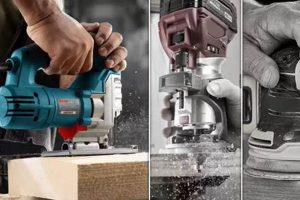
Certain power tools, such as sanders and routers, generate significant vibration, which can lead to hand-arm vibration syndrome (HAVS) with prolonged use. Ergonomically designed power tools incorporate vibration-dampening features, such as cushioned grips and internal dampening mechanisms. These features minimize the transmission of vibration to the user’s hands, reducing the risk of long-term health problems. The inclusion of vibration dampening enhances user comfort and promotes safer working conditions.
The integration of ergonomic principles into the design of woodworking implements, particularly those intended for novice users, is essential for promoting safety, comfort, and efficiency. Thoughtful consideration of handle geometry, weight balance, tool size, and vibration dampening can significantly enhance the overall woodworking experience, encouraging skill development and reducing the risk of injury. Therefore, ergonomic design represents a critical aspect of the selection process.
4. Safety Features

The inclusion of safety features in initial woodworking implements directly mitigates the inherent risks associated with the craft, thereby enhancing user well-being and promoting a secure learning environment. Substandard tools lacking adequate safety mechanisms can lead to accidents, injuries, and a deterred interest in woodworking. Conversely, implements designed with safety as a priority minimize the potential for harm, fostering confidence and encouraging continued skill development. For example, a hand saw with a blade guard reduces the risk of accidental cuts when the saw is not in use. A chisel with a mushroomed handle is likely to cause slippage and potential injury, highlighting the importance of robust handle construction.
The presence of safety features extends beyond basic physical protection. Ergonomically designed tools, discussed previously, inherently contribute to safety by reducing strain and fatigue. Proper dust collection systems, when integrated with power tools, minimize the inhalation of harmful wood particles, protecting respiratory health. Work-holding devices, such as vises and clamps, securely stabilize workpieces, preventing movement during cutting or shaping operations, thereby reducing the risk of tool slippage and injury. Adherence to safety protocols, coupled with the utilization of implements incorporating relevant protective elements, is crucial for a safe woodworking practice.
In summary, safety features represent an indispensable component of introductory woodworking equipment. Their presence fosters a secure working environment, minimizes the likelihood of accidents, and promotes confidence in skill development. Selection criteria for initial woodworking implements must prioritize safety features to ensure the well-being of the user and facilitate a positive, injury-free learning experience, ultimately supporting continued engagement with the craft. Neglecting safety features can have substantial, adverse consequences.
5. Long-Term Value
Long-term value, in the context of woodworking implements, signifies the sustained utility, reliability, and financial prudence associated with the selection of initial equipment. Evaluating long-term value extends beyond the immediate purchase price, encompassing factors such as durability, maintainability, and the potential for future expansion.
- Durability and Longevity
The inherent lifespan of an implement significantly contributes to its long-term value. Tools constructed from high-quality materials and designed for sustained use provide years of service, reducing the need for frequent replacements. For example, a well-maintained hand plane made from high-carbon steel can last for generations, while a poorly constructed plane may require replacement within a few years. The initial investment in durable tools translates into reduced long-term expenses.
- Adaptability and Versatility
Implements capable of performing multiple functions or adapting to a range of tasks offer enhanced long-term value. A versatile tool, such as a combination square, can serve as a ruler, protractor, and square, reducing the need to purchase individual instruments for each function. Similarly, a set of interchangeable blades for a hand saw increases its adaptability to different materials and thicknesses. The capacity to adapt to evolving project needs extends the useful life of the tool.
- Maintenance and Repair Costs
The ease and cost of maintaining and repairing woodworking implements influence their long-term value. Tools designed for simple maintenance, such as sharpening blades or replacing worn parts, minimize downtime and reduce the expense of professional servicing. Implements with readily available replacement parts offer greater long-term utility compared to those that are difficult or impossible to repair. Low maintenance requirements contribute to a tool’s overall cost-effectiveness.
- Resale Value and Market Demand
The potential to resell used woodworking implements at a reasonable price contributes to their long-term financial value. Tools from reputable manufacturers, known for their quality and durability, often retain their value on the secondary market. The ability to recoup a portion of the initial investment through resale provides a financial benefit, particularly when upgrading to more specialized equipment. Strong market demand enhances the financial value of well-maintained woodworking implements.
These facets of long-term value directly impact the selection of what constitutes useful initial woodworking tools. Investing in durable, adaptable, and maintainable implements, and recognizing their potential resale value, ensures that the initial investment yields sustained benefits over an extended period, supporting skill development and project completion while optimizing resource allocation.
Frequently Asked Questions
The following addresses common inquiries regarding the selection and use of implements for those beginning in the woodworking craft. These answers are intended to provide clarity and informed guidance.
Question 1: Is purchasing an entire pre-packaged set advisable for a beginner?
Pre-packaged sets can offer a cost-effective entry point; however, scrutiny of the contents is essential. The quality of the individual tools within the set should be evaluated. It may prove more beneficial to acquire individual, higher-quality implements rather than a comprehensive but subpar collection.
Question 2: What is the minimal set of hand tools required to begin basic woodworking?
A fundamental set includes a hand saw (preferably a backsaw), a set of chisels (typically three sizes), a combination square, a marking gauge, and a sharpening stone. Clamps for securing workpieces are also essential.
Question 3: How important is it to sharpen woodworking tools?
Sharpness is paramount. A dull tool is not only less effective but also more dangerous. Maintaining a keen edge on all cutting tools is essential for both safety and precision. Invest in sharpening equipment and learn proper sharpening techniques.
Question 4: What types of wood are best suited for beginner woodworking projects?
Softwoods such as pine and poplar are generally recommended for initial projects due to their affordability and ease of workability. These materials allow for practice of basic techniques without the expense associated with hardwoods.
Question 5: Is it necessary to invest in expensive power tools at the outset?
Acquiring a collection of power tools is not necessary for beginning. Focus on mastering hand tool techniques first. Once fundamental skills are established, power tools can be introduced strategically to enhance efficiency and expand project possibilities.
Question 6: How can the risk of injury be minimized when using woodworking tools?
Adherence to safety protocols is essential. Always wear appropriate safety gear, including eye protection and hearing protection. Ensure that workpieces are securely clamped. Maintain sharp tools, and concentrate fully on the task at hand. Thoroughly familiarize oneself with the operation of each tool before use.
Prioritizing safety, quality, and fundamental skills is essential for a successful introduction to the craft. Investing in these values facilitates long-term enjoyment and proficiency.
The following section will provide information on the maintenance and storage of woodworking tools, ensuring their longevity and continued performance.
Considerations in Woodworking Implement Selection
This discourse has explored critical factors in the selection of implements for beginning woodworkers. Emphasized throughout were the importance of material quality, ergonomic design, integrated safety features, and the consideration of long-term value. These elements contribute significantly to the user’s experience and the quality of resulting projects.
The judicious selection of foundational implements represents a crucial first step in developing woodworking proficiency. A commitment to quality and safety will establish a strong platform for ongoing skill acquisition and creative expression within the craft. Future success rests upon this foundation.