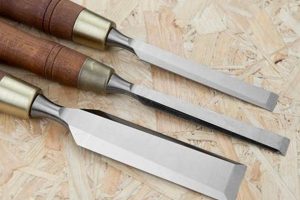
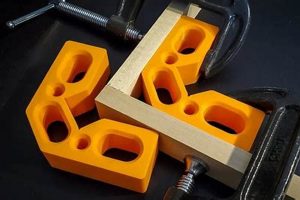
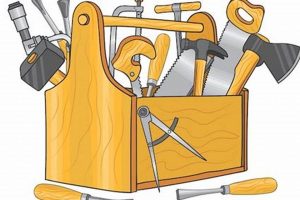
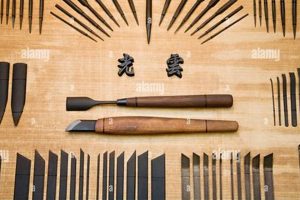
The primary subject of this discussion is the optimal storage solution for woodworking tools. Such a unit provides organized space for implements, fasteners, and measuring devices essential to the craft. Examples range from portable cantilever boxes to rolling cabinets with multiple drawers and integrated work surfaces.
Effective tool storage is crucial for maintaining an efficient and safe workshop. It protects valuable tools from damage, prevents loss, and significantly reduces time spent searching for necessary equipment. Historically, simple wooden boxes sufficed, but modern options offer increased durability, enhanced organization, and improved portability. These advancements contribute to a more productive and enjoyable woodworking experience.
Therefore, a comprehensive evaluation of various storage systems is warranted. This analysis will consider factors such as capacity, durability, mobility, organizational features, and overall value. Subsequent sections will delve into specific types of units, their strengths and weaknesses, and the criteria for selecting the most appropriate option based on individual woodworking needs and preferences.
Essential Considerations for Optimal Woodworking Tool Storage
Selecting an appropriate storage solution is a critical step for any woodworking enthusiast or professional. This section provides key considerations to ensure the chosen unit effectively supports workflow and preserves valuable tools.
Tip 1: Assess Tool Inventory: Before purchasing any unit, conduct a thorough inventory of all woodworking tools. Categorize them by size, frequency of use, and fragility. This assessment dictates the required storage capacity and organizational features.
Tip 2: Prioritize Durability: The storage unit must withstand the rigors of a workshop environment. Look for heavy-gauge steel construction, reinforced corners, and durable finishes. Powder-coated surfaces offer superior resistance to scratches and corrosion.
Tip 3: Evaluate Mobility Requirements: Determine whether the unit needs to be easily moved around the workshop or transported to job sites. If mobility is a concern, select a rolling cabinet with sturdy casters and a comfortable handle. Ensure the casters are lockable for stationary use.
Tip 4: Optimize Organizational Features: Drawers, trays, and dividers are essential for maintaining a well-organized workspace. Consider the number and configuration of drawers. Dividers allow for customization and prevent tools from shifting during movement.
Tip 5: Consider Security: If tool theft is a concern, select a storage unit with a secure locking mechanism. Internal locking bars and keyed entry systems deter unauthorized access. Reinforcement around lock areas further enhances security.
Tip 6: Plan for Future Expansion: As the tool collection grows, the storage needs will evolve. Select a system that can be expanded or supplemented with additional components. Modular systems offer flexibility and scalability.
Tip 7: Factor in Workspace Constraints: The size of the workshop dictates the physical dimensions of the storage unit. Measure the available space before making a purchase. Consider vertical storage solutions to maximize limited floor space.
Effective tool storage leads to increased efficiency, reduced frustration, and prolonged tool life. These considerations will assist in selecting a unit that meets specific woodworking needs and maximizes the utility of the workshop.
The following sections will explore specific types of storage solutions in greater detail, providing a comprehensive guide to selecting the ideal option.
1. Capacity

Capacity, in the context of woodworking tool storage, directly relates to the total volume available for storing tools and related accessories. A storage unit’s capacity dictates the range and quantity of tools a woodworker can keep organized and readily accessible. Insufficient capacity leads to overcrowding, disorganization, and difficulty locating needed items, hindering workflow. Conversely, excessive capacity for a limited tool collection results in wasted space and potential instability, particularly in mobile units.
The required capacity of a woodworking storage solution is contingent upon the size and scope of the user’s tool collection. A hobbyist with a small set of hand tools may find a portable tool chest or a small rolling cabinet sufficient. In contrast, a professional woodworker with a diverse array of power tools, hand tools, measuring instruments, and fasteners requires a larger, multi-drawer cabinet or a modular system that can be expanded as needed. A cabinet lacking sufficient space forces tools to be stored elsewhere, diminishing the benefits of having dedicated storage and increasing the risk of damage or loss.
Ultimately, capacity serves as a primary determinant in selecting an appropriate storage system. It’s not merely about the physical dimensions of the unit, but also how effectively the internal space is utilized. Drawers, trays, and dividers all contribute to maximizing usable space. Selecting a storage unit with an adequate, but not excessive, capacity ensures efficient organization, streamlined workflow, and the long-term protection of valuable woodworking tools. A well-chosen capacity ensures the longevity and utility of the investment in both the tools and the storage solution.
2. Durability

Durability is a critical attribute of any storage solution, directly influencing its longevity, protective capabilities, and overall value. For woodworking professionals and enthusiasts, a durable storage unit is essential for safeguarding valuable tools from damage and environmental factors, thereby preserving their functionality and extending their lifespan.
- Material Composition and Structural Integrity
The core materials used in construction significantly impact durability. Heavy-gauge steel, known for its resistance to bending and impact, is a common choice. Reinforced corners and welded seams enhance structural integrity, preventing deformation under heavy loads or during transport. Substandard materials or construction techniques compromise the unit’s ability to withstand the demands of a workshop environment.
- Finish and Corrosion Resistance
Surface finishes protect against rust, corrosion, and scratches. Powder coating, a common application, provides a durable and even layer of protection against environmental elements. Untreated metal surfaces are vulnerable to oxidation, potentially leading to structural weakening and aesthetic degradation over time. Proper surface treatment is therefore essential for long-term durability.
- Load Capacity and Weight Distribution
A durable unit must be capable of supporting the weight of its contents without buckling or collapsing. Exceeding the manufacturer’s stated load capacity can lead to structural failure, damaging both the unit and its contents. Weight distribution within drawers and compartments is also a factor. Uneven loading can strain hinges, slides, and support structures, accelerating wear and tear.
- Caster Quality and Mobility Endurance (if applicable)
For mobile units, caster quality is paramount. Heavy-duty casters with robust bearings and durable tires ensure smooth rolling and prevent premature failure. Repeated movement over uneven surfaces can stress casters, leading to wobble, binding, or breakage. Locking mechanisms are crucial for maintaining stability during use and preventing unintended movement.
In summary, durability encompasses material quality, structural design, finish protection, and load-bearing capacity. These factors collectively determine the lifespan and protective capabilities of the unit. Investing in a storage solution constructed with durable materials and robust engineering ensures long-term reliability, protects valuable tools, and contributes to a more efficient and organized woodworking environment. The relationship between durability and a optimal woodworking tool storage solution is direct and vital.
3. Organization

Organization, within the context of woodworking tool storage, directly correlates with efficiency, safety, and the longevity of tools. A storage unit optimized for organization facilitates rapid retrieval of necessary implements, reduces the risk of misplacing items, and minimizes the potential for damage caused by improper storage. Ineffective organization, conversely, leads to wasted time searching for tools, increased frustration, and a higher likelihood of accidents due to cluttered workspaces. A hallmark of the optimal storage is its ability to promote order and accessibility. For instance, a cabinet with clearly labeled drawers and custom-fitted compartments allows a woodworker to quickly locate a specific chisel or measuring device, saving valuable time and minimizing disruptions to workflow. This streamlined approach is absent in disorganized storage systems, where tools are often piled haphazardly, requiring extensive searching and increasing the risk of injury when rummaging through sharp or heavy objects.
The practical application of organizational principles extends beyond simple placement. Dedicated spaces for specific tool types, such as hand planes, saws, or fasteners, prevent cross-contamination and potential damage. Dividers within drawers prevent tools from shifting and colliding during movement, while specialized racks accommodate items like chisels and screwdrivers in an orderly fashion. Further contributing to organizational efficiency are labeling systems that permit quick and precise identification of contents. Clear labeling eliminates guesswork and reduces the time spent opening drawers to locate a needed tool. These carefully planned systems translate to increased productivity and reduced stress for the woodworker, creating a more enjoyable and efficient working environment. This meticulous ordering stands in stark contrast to randomly placed tools, which are at a greater risk of damage and loss.
In conclusion, effective organization is not merely a desirable attribute, but a fundamental requirement of the solution. It’s a critical factor in maximizing efficiency, minimizing risks, and preserving the integrity of valuable woodworking tools. The challenges of maintaining a well-organized space require continuous effort and thoughtful planning, but the benefits in terms of productivity and safety are undeniable. A investment that prioritizes organization is an investment in a streamlined, safe, and ultimately more rewarding woodworking experience. Moreover, the principle of organization links directly back to the broader goals of efficiency, safety, and tool preservation, which are central to an optimal woodworking setup.
4. Mobility

Mobility, as a feature of woodworking tool storage, directly addresses the need for adaptability within a workspace. The ability to reposition tools and supplies readily contributes to workflow efficiency and reduces physical strain. A stationary tool chest, while offering ample storage, can become a fixed constraint, limiting accessibility and requiring the user to transport materials and partially completed projects to the tools. Conversely, a mobile unit facilitates bringing the tools to the work, minimizing unnecessary movement and potentially improving precision. The necessity of mobility is exemplified in larger workshops or on job sites where projects span significant distances. For instance, a cabinetmaker working on built-in cabinetry might benefit from a rolling tool chest that can be moved alongside the evolving project, keeping necessary tools within immediate reach. The absence of such mobility translates into increased setup time, reduced productivity, and the potential for errors resulting from repeated interruptions.
The practical application of mobility in storage units extends beyond mere transportation. Locking casters provide stability during use, preventing unintended movement and ensuring safety. Heavy-duty casters, constructed from durable materials, are essential for navigating uneven surfaces or supporting substantial weight. Handle designs that facilitate easy maneuverability are also critical, particularly for larger units. The addition of features like side handles or strategically placed grips can significantly improve control and reduce the risk of tipping or accidental damage during transport. The implementation of these features highlights that mobility is more than just an ability to move a unit, it is a key design aspect for a optimal experience.
In conclusion, mobility is not merely a convenience but an essential characteristic for optimal woodworking tool storage, particularly in dynamic or expansive work environments. It contributes directly to efficiency, safety, and adaptability. While stationary units offer stability and concentrated storage, mobile units offer flexibility, ensuring that tools are readily available where and when they are needed. The selection between stationary and mobile storage solutions depends largely on the individual’s specific workflow and workspace characteristics. Regardless, understanding the benefits of mobility can inform the choice of a storage solution that maximizes productivity and minimizes physical strain. Mobility therefore plays a crucial role and should not be underestimated.
5. Security

Security, as it pertains to woodworking tool storage, represents a critical consideration due to the value, both monetary and functional, of the tools contained within. The presence of effective security measures directly correlates with the prevention of theft, unauthorized access, and potential misuse of potentially dangerous implements. A substandard or absent security system renders the contents vulnerable, leading to financial loss, disruption of workflow, and, in extreme cases, potential harm resulting from the misuse of stolen tools. This vulnerability is amplified in shared workshops or on job sites where access control is inherently more challenging. For instance, a construction site experiencing frequent tool theft necessitates robust security features in tool storage to safeguard against ongoing losses and project delays.
The implementation of security measures in tool storage manifests in various forms, each offering different levels of protection. Locking mechanisms, such as keyed entry systems or combination locks, provide a primary barrier against unauthorized access. Reinforcement around lock areas, including hardened steel plates and tamper-resistant designs, further deters forced entry. Internal locking bars or multiple locking points enhance security by securing drawers or compartments at multiple locations. Biometric access control, while less common, offers a high level of security by restricting access to authorized individuals. A robust locking system alone, however, is insufficient. Physical construction must also withstand attempts at forced entry, including prying, cutting, or drilling. The use of heavy-gauge steel, welded seams, and reinforced corners contributes to the overall security of the storage unit. These preventative steps highlight security’s vital role and positive influence in protecting valuables.
In conclusion, security is not merely an optional feature but an essential component of woodworking tool storage, directly impacting the safety, financial stability, and operational efficiency of the user. The potential consequences of inadequate security extend beyond simple theft, encompassing disruption of workflow, increased insurance costs, and potential liability resulting from the misuse of stolen tools. Prioritizing security in the selection of a tool storage solution is a proactive measure that protects valuable assets and minimizes the risks associated with tool ownership. Robust security features provide a strong deterrent to theft, protecting tools from unauthorized access. Securing valuable investments like woodworking tools is essential for longevity and efficient productivity.
Frequently Asked Questions
This section addresses common inquiries and misconceptions surrounding the selection and utilization of storage solutions.
Question 1: What is the optimal material for a woodworking tool chest?
Heavy-gauge steel is widely regarded as a superior material due to its strength, durability, and resistance to impact and corrosion. Alternatives include reinforced plastics, which offer lighter weight but may compromise long-term durability.
Question 2: How should the weight be distributed within a rolling tool cabinet?
Heavier tools should be placed in lower drawers to maintain a low center of gravity, preventing tipping. Lighter items can be stored in upper drawers. Uneven weight distribution can compromise stability and maneuverability.
Question 3: What locking mechanism is most effective for preventing tool theft?
A combination of a keyed entry system and internal locking bars provides a high level of security. The keyed entry deters casual theft, while the internal bars prevent forced entry by securing multiple drawers simultaneously.
Question 4: How can a tool chest be organized to maximize efficiency?
Utilize drawer dividers, trays, and custom-fitted inserts to create dedicated spaces for specific tool types. Labeling each drawer clearly enhances accessibility and reduces search time. Categorizing tools by function streamlines workflow.
Question 5: What are the key considerations when selecting casters for a mobile tool cabinet?
Caster diameter, load capacity, and material composition are crucial. Larger diameter casters roll more easily over uneven surfaces. Load capacity must exceed the total weight of the cabinet and its contents. Durable materials, such as polyurethane, offer long-term reliability.
Question 6: How does workspace size impact the selection of a tool storage solution?
Limited workspace necessitates vertical storage solutions, such as tall cabinets or wall-mounted units. Larger workspaces accommodate rolling cabinets or modular systems that can be expanded as needed. Accurate measurements are essential to ensure proper fit.
Effective tool storage is crucial for maintaining an efficient and safe workshop. These considerations will assist in selecting a unit that meets specific woodworking needs and maximizes the utility of the workspace.
The following section will explore specific types of units in greater detail, providing a comprehensive guide to selecting the ideal option.
Selection of the Optimal Woodworking Tool Storage
The preceding exploration has elucidated critical factors in the selection of an appropriate woodworking tool storage solution. Capacity, durability, organization, mobility, and security are paramount considerations. The optimal unit effectively balances these attributes to meet the specific demands of the user’s workspace, tool collection, and workflow requirements. The integration of these features allows the woodworker to focus on their craft, rather than dealing with organization problems.
The investment in a high-quality unit represents a commitment to efficiency, safety, and the preservation of valuable tools. Continual evaluation of storage needs is essential to maintain an organized and productive workspace. As woodworking evolves, so too must the strategies employed for tool management. The dedication to proper storage contributes to the longevity of tools and the realization of woodworking endeavors.