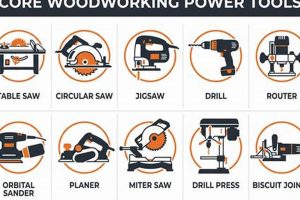
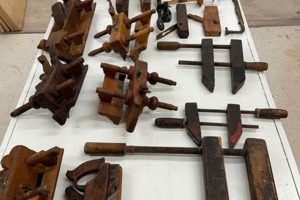
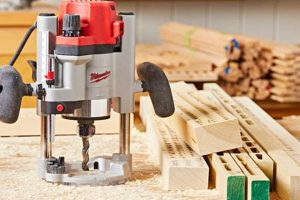
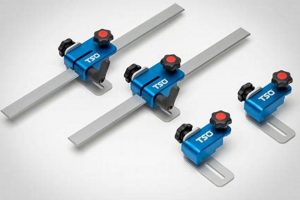
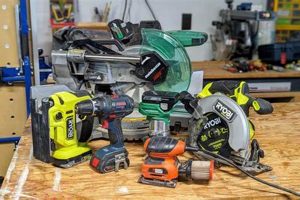
Essential implements form the foundation of any woodworking endeavor. These implements, encompassing items like saws, planes, measuring devices, and fastening tools, are the initial investment for individuals entering the craft. For example, a beginner might acquire a hand saw, a combination square, a block plane, and a selection of screwdrivers as initial acquisitions. These items allow for basic cutting, measuring, shaping, and joining of wood components.
The availability and proper use of fundamental implements provide several advantages. They enable the creation of projects ranging from simple repairs to intricate constructions, fostering skill development and creative expression. Historically, proficiency with these tools was a prerequisite for numerous trades and continues to be a valuable asset. The capability to manipulate wood effectively contributes to problem-solving abilities and a sense of accomplishment.
Subsequent sections will detail specific categories of these implements, discussing their functionalities, selection criteria, and maintenance requirements, allowing the aspiring woodworker to make informed decisions when building their tool collection.
Essential Guidance for Woodworking Beginners
The following guidelines provide fundamental advice for individuals initiating their journey into woodworking. These suggestions aim to facilitate a safe and productive learning experience.
Tip 1: Prioritize Safety. Woodworking involves inherent risks. The consistent use of safety glasses, hearing protection, and dust masks is paramount. Understanding the operational procedures of each implement before use is crucial to prevent injury.
Tip 2: Begin with Simplicity. Start with basic projects like a cutting board or a small shelf. These projects require fewer complex techniques and allow for the gradual development of skills and familiarity with implements.
Tip 3: Invest in Quality Implements. While a comprehensive collection is unnecessary initially, prioritize purchasing well-made, reliable implements. Quality tools offer improved performance and durability, ultimately enhancing the woodworking experience.
Tip 4: Master Sharpening Techniques. Sharp implements are safer and more effective. Learning to sharpen blades, chisels, and plane irons is essential for maintaining their performance and reducing the risk of accidents.
Tip 5: Practice Proper Wood Selection. Different wood species possess varying characteristics in terms of hardness, grain pattern, and workability. Understanding these differences allows for informed wood selection based on project requirements.
Tip 6: Utilize Measuring Instruments Accurately. Precision is vital in woodworking. Employing accurate measuring instruments, such as rulers, squares, and calipers, ensures that components fit together correctly and projects are aesthetically pleasing.
Tip 7: Develop Consistent Joinery Techniques. Sound joinery is the foundation of durable woodworking projects. Practice common joinery methods, such as mortise and tenon, dovetails, or rabbets, to create strong and aesthetically appealing connections.
Tip 8: Maintain a Clean and Organized Workspace. A tidy workspace promotes safety and efficiency. Cleaning up sawdust, organizing implements, and properly storing materials minimize clutter and the potential for accidents.
Adherence to these guidelines promotes a safer, more efficient, and ultimately more rewarding initiation into the craft of woodworking. Consistent application of these principles will facilitate skill development and project success.
The subsequent sections will delve into the specifics of tool maintenance and advanced woodworking techniques.
1. Initial Investment

The initial investment represents a critical juncture for anyone commencing a woodworking practice. The quality and appropriateness of these early acquisitions directly impact the learning curve and the potential for successful project completion. A poorly chosen or inadequate selection of implements can hinder progress, leading to frustration and potentially discouraging continued engagement with the craft. Conversely, a judicious investment in fundamental, high-quality tools establishes a solid foundation for skill development and project execution. For instance, purchasing a high-quality hand saw, while potentially more expensive initially, provides superior cutting performance and longevity compared to a cheaper alternative, ultimately contributing to a more positive and efficient woodworking experience.
The composition of the initial investment should reflect the intended scope and complexity of early projects. While a comprehensive set of specialized tools is unnecessary, acquiring versatile implements capable of performing a range of basic tasks is advisable. A combination square, for example, can function as a measuring device, a marking tool, and a square, thereby reducing the need for multiple specialized instruments. Prioritizing quality over quantity in the initial investment allows for the development of fundamental skills and an appreciation for the precision and control afforded by well-crafted implements. Furthermore, starting with essential safety equipment is a part of the initial investment, and is paramount.
Therefore, understanding the relationship between the initial investment and the trajectory of a woodworking endeavor is crucial. The wise allocation of resources towards quality, versatile implements and essential safety equipment streamlines the learning process, fosters skill development, and ultimately contributes to a more fulfilling and productive experience. The initial investment is not merely a financial transaction; it is a commitment to the craft and a foundation for future success.
2. Safety Equipment

The integration of safety equipment is paramount when initiating woodworking activities. Protective measures are not ancillary considerations but fundamental requirements for anyone engaging with potentially hazardous implements and materials. The absence of appropriate safety gear elevates the risk of injury and compromises the integrity of the woodworking process.
- Eye Protection
Woodworking generates particulate matter, including dust, chips, and splinters, which pose a significant threat to ocular health. Safety glasses or goggles provide a physical barrier, preventing these particles from entering the eyes and causing irritation, abrasions, or more severe injuries. The selection of appropriate eye protection should consider the specific tasks being performed; for example, grinding or sanding necessitates the use of goggles that provide a tighter seal around the eyes.
- Hearing Protection
The operation of power tools, such as saws and routers, generates significant noise levels that can lead to noise-induced hearing loss over time. Earplugs or earmuffs attenuate these sound levels, reducing the risk of auditory damage. The level of protection required depends on the intensity and duration of noise exposure; higher decibel levels necessitate the use of more robust hearing protection.
- Respiratory Protection
Sanding, sawing, and finishing operations release fine dust particles and volatile organic compounds (VOCs) into the air. Inhalation of these substances can irritate the respiratory system, exacerbate existing respiratory conditions, and potentially lead to long-term health problems. Dust masks or respirators filter out these harmful particles, protecting the lungs from exposure. The selection of appropriate respiratory protection depends on the type and concentration of airborne contaminants; finer particles require respirators with higher filtration efficiency.
- Hand Protection
Woodworking involves handling sharp implements and rough materials, which can cause cuts, abrasions, and splinters. Gloves provide a protective barrier, reducing the risk of these injuries. The selection of appropriate gloves should consider the dexterity and grip required for specific tasks; heavier gloves provide greater protection but may reduce dexterity, while lighter gloves offer improved tactile sensitivity.
The consistent and proper utilization of safety equipment is integral to responsible woodworking practices. Prioritizing safety not only protects individuals from potential harm but also fosters a more focused and productive work environment. Neglecting safety protocols undermines the entire woodworking endeavor, exposing individuals to unnecessary risks and compromising the integrity of the craft.
3. Essential Hand Tools

The acquisition of fundamental hand tools forms the bedrock of any woodworking practice, representing the tangible manifestation of the phrase “start woodworking tools”. These implements enable precise manipulation of wood, facilitating tasks ranging from rough shaping to intricate detailing. Mastery of these tools provides a foundational understanding of woodworking principles, a skill set that remains relevant regardless of subsequent adoption of power tools.
- Saws
Hand saws, encompassing crosscut and rip saws, are indispensable for dividing wood. The crosscut saw severs wood fibers perpendicularly to the grain, while the rip saw cuts parallel to the grain. Proficiency with these saws enables accurate and controlled cuts, dictating the dimensions and form of woodworking components. A practical example is using a crosscut saw to trim a board to its final length, ensuring precise alignment with project specifications.
- Planes
Hand planes, such as block planes and smoothing planes, refine wood surfaces, eliminating imperfections and achieving desired smoothness. These tools remove thin shavings of wood, allowing for precise adjustments to the shape and texture of the material. Smoothing a rough-sawn board with a hand plane enhances its aesthetic appeal and prepares it for finishing.
- Chisels
Chisels are employed for shaping wood, creating joints, and removing waste material. Beveled-edge chisels facilitate intricate detailing, while mortise chisels excel at creating mortises for joinery. Carving a mortise-and-tenon joint with a chisel exemplifies its role in creating strong and durable connections between wood components.
- Measuring and Marking Tools
Accurate measurements and precise markings are paramount in woodworking. Measuring tapes, squares, marking gauges, and knives ensure that wood components conform to specified dimensions and align correctly. Utilizing a marking gauge to scribe a consistent line for a dovetail joint guarantees a tight and aesthetically pleasing fit.
The selection and proficient use of these essential hand tools represent a critical first step in woodworking. These implements provide the means to shape, join, and refine wood, enabling the creation of projects ranging from simple repairs to intricate constructions. The knowledge and skills acquired through the use of these implements form a valuable foundation for further exploration of woodworking techniques and the adoption of more advanced tools.
4. Measuring Precision
Accurate measurement constitutes an indispensable element within the purview of fundamental woodworking implements. Inaccurate measurements directly propagate errors throughout the construction process, culminating in misaligned joints, unstable structures, and aesthetically displeasing outcomes. The quality of a completed woodworking project is intrinsically linked to the precision with which its components are measured and cut. For example, if a table leg is cut even slightly shorter than specified, the resulting table will be unstable and prone to wobbling. Similarly, inaccuracies in the dimensions of a drawer front will lead to a poor fit within its frame, compromising both functionality and appearance. Therefore, proper measurement is essential for achieving the desired results in any woodworking project.
Several tools are necessary to achieve this precision. A steel rule, for instance, provides a reliable standard for linear measurements. A combination square facilitates the establishment of right angles and the accurate marking of perpendicular lines. A marking gauge ensures consistent parallel lines for joinery, and calipers are employed for precise internal or external dimensioning. The effective use of these measuring implements mandates a thorough understanding of their functionalities and limitations. Careful attention must be paid to reading scales accurately, accounting for blade thickness, and avoiding parallax errors. Moreover, the calibration of measuring instruments is a crucial step in maintaining accuracy and minimizing discrepancies.
In summary, the connection between measuring precision and essential woodworking tools is one of cause and effect. Accurate measuring is the cause, and sound construction is the effect. Accurate measurement is a fundamental requirement for all woodworking endeavors. Prioritizing precision through the selection and skillful application of appropriate measuring implements ensures that woodworking projects meet their intended design specifications and provide lasting utility. The understanding and application of meticulous measuring practices are central to realizing a successful woodworking endeavor.
5. Maintenance Practices

The longevity and efficacy of woodworking implements are inextricably linked to consistent and appropriate maintenance. Neglecting regular maintenance diminishes performance, increases the risk of tool failure, and can compromise safety, transforming initial investments into liabilities. Implementing proper maintenance protocols ensures that these essential items remain dependable and precise, maximizing their utility and extending their lifespan.
- Sharpening Edged Tools
Blades of saws, chisels, and planes require periodic sharpening to maintain their cutting ability. A dull blade necessitates greater force, increasing the likelihood of errors and accidents. Sharpening techniques, utilizing whetstones, files, or specialized sharpening systems, are vital for preserving the tools’ efficiency. A properly sharpened chisel, for instance, cleanly slices through wood fibers, while a dull chisel crushes them, resulting in a ragged cut.
- Cleaning and Lubrication
Wood dust, resin, and moisture accumulate on implements, impeding their function and promoting corrosion. Regular cleaning with appropriate solvents and lubricants prevents these detrimental effects. Oiling moving parts of saws and planes, for example, reduces friction, facilitating smoother operation and minimizing wear. Removing resin from saw blades prevents binding and enhances cutting efficiency.
- Rust Prevention
Exposure to moisture leads to rust, which compromises the integrity of steel components. Applying protective coatings, such as wax or oil, prevents rust formation. Storing implements in a dry environment further minimizes the risk of corrosion. Regularly inspecting tools for signs of rust and addressing them promptly prevents extensive damage.
- Handle and Body Care
Wooden handles and bodies can crack or loosen with use. Applying linseed oil or other suitable finishes preserves the wood, preventing it from drying out and cracking. Tightening loose handles ensures a secure grip and reduces the risk of slippage. Regularly inspecting implements for damage and addressing it promptly prevents further degradation.
These maintenance practices, though seemingly simple, significantly impact the performance and lifespan. Prioritizing regular maintenance ensures that the implements function optimally, contributing to accurate results, safer working conditions, and a more enjoyable woodworking experience. A dedication to these practices is an investment, yielding returns through prolonged tool utility and enhanced woodworking outcomes.
6. Project Appropriateness

The concept of project appropriateness is intrinsically linked to the selection and utilization of essential implements when embarking on woodworking endeavors. The degree to which a proposed project aligns with the capabilities of available tools and the skills of the woodworker directly influences the likelihood of successful completion and the overall quality of the finished product. Therefore, a careful assessment of project suitability is paramount before initiating any woodworking activity. The available means should align with the ends proposed.
- Complexity of Design
The intricacy of a project’s design should be commensurate with the capabilities of the available tools. Intricate designs often necessitate specialized implements and advanced woodworking techniques. Attempting a complex project with a limited toolset or insufficient skills will likely result in frustration and substandard results. A novice woodworker, for instance, should avoid projects involving complex joinery, such as intricate dovetails, until proficiency with basic joinery techniques is established. Simple projects like boxes or shelves are more fitting starting points.
- Scale of the Project
The physical size of a project should be considered in relation to the capacity of the available workspace and the dimensions of the existing tools. Attempting to construct a large piece of furniture in a confined workspace or with inadequate clamping systems can pose logistical challenges and compromise structural integrity. Smaller-scale projects are generally more manageable for beginners, allowing for greater control and precision.
- Material Selection
The choice of wood species should align with the intended use of the project and the capabilities of the tools. Certain wood species are significantly harder or more difficult to work with than others. Attempting to shape hardwoods with dull or inadequate tools can lead to tool damage and substandard results. Softer wood species, such as pine or poplar, are generally more forgiving and suitable for beginners.
- Jointing Requirements
The type and complexity of joints required for a project should be considered in relation to skill level and the type of the essential implement. Projects that need complex joints, such as mortise and tenon require more specialized tools than other projects. It is important to take these into consideration while using the tools to prevent serious injury.
In conclusion, the alignment of project parameters with available resources and expertise is fundamental to a successful woodworking experience. Carefully considering project complexity, scale, material selection, and joinery requirements in relation to the phrase of starting woodworking tools is essential for achieving satisfactory outcomes and fostering continued engagement with the craft. The selection and planning phase should ensure that the proposed project can realistically be completed with the available means and within a reasonable timeframe.
Frequently Asked Questions
This section addresses common queries regarding the selection, utilization, and maintenance of implements for individuals commencing their journey into woodworking. The following questions aim to clarify key considerations and dispel potential misconceptions.
Question 1: What is the minimum set of implements required to begin woodworking?
A basic set typically includes a crosscut saw, a rip saw, a combination square, a marking gauge, a block plane, a set of chisels, a mallet, and a sharpening stone. This collection facilitates fundamental tasks such as cutting, shaping, measuring, and joining wood.
Question 2: Are power tools essential for starting out in woodworking?
Power tools are not essential for beginners. Proficiency with hand tools provides a deeper understanding of woodworking principles and fosters greater control over the shaping and manipulation of wood. Power tools can be introduced later as skills develop.
Question 3: What safety precautions are paramount when using woodworking tools?
Eye protection (safety glasses or goggles), hearing protection (earplugs or earmuffs), and respiratory protection (dust mask or respirator) are non-negotiable. A well-lit and organized workspace further minimizes the risk of accidents.
Question 4: How frequently should woodworking tools be sharpened?
The frequency of sharpening depends on the type of wood being worked and the intensity of use. As a general guideline, edged tools should be sharpened whenever they exhibit a noticeable decrease in cutting performance or begin to tear the wood fibers.
Question 5: What is the best method for storing woodworking implements?
Woodworking implements should be stored in a dry, well-ventilated location to prevent rust and corrosion. Hand tools should be stored in a manner that protects their cutting edges from damage. Specialized tool chests or wall-mounted racks are suitable storage solutions.
Question 6: How can beginners determine if a project aligns with their skill level and available tools?
Beginners should start with simple projects involving basic joinery techniques and readily available materials. Consulting woodworking plans and instructional resources can provide valuable guidance on project complexity and required tools.
The information provided in this FAQ section is intended to serve as a general guideline. Specific circumstances may warrant alternative approaches. Always prioritize safety and consult experienced woodworkers for personalized advice.
Subsequent sections will delve into advanced woodworking techniques.
Start Woodworking Tools
This exploration of implements underscores their vital role in the initiation of woodworking. From initial investment considerations to the importance of meticulous maintenance, these points emphasize the necessity for careful planning and informed execution. The selection of quality equipment, coupled with consistent adherence to safety protocols, directly influences both the learning curve and the eventual success of projects undertaken.
Therefore, a dedicated and well-prepared approach to acquiring and employing these essential implements serves as the cornerstone of any woodworking endeavor. Mastery of fundamental implements and techniques, coupled with a commitment to safety, provides the means to transform raw materials into functional and aesthetically pleasing creations. The foundation built through a focused understanding on the phrase of “start woodworking tools” determines the skill of woodworking craft for beginner.