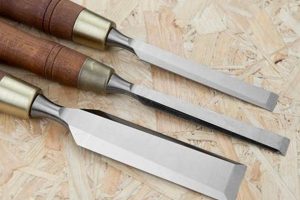
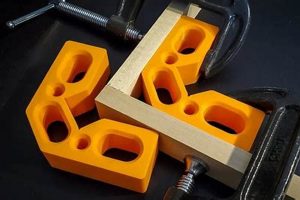
The capability of equipment used in shaping wood is derived from various sources. This energy enables cutting, shaping, joining, and finishing wood materials. For example, a stationary table saw utilizes electricity to rotate a blade, allowing for precise and efficient lumber dimensioning.
The availability of effective energy sources has dramatically improved woodworking productivity and precision throughout history. From hand-cranked devices to advanced electrical and pneumatic systems, the application of external energy reduces manual labor, increases the complexity of possible projects, and ultimately enhances the quality and consistency of finished wood products.
The remainder of this discussion will examine specific types of equipment and the mechanism by which they operate, the relationship between input and output, safety considerations relating to operation, and factors influencing overall efficiency.
Optimizing Woodworking Equipment Performance
The effective application of energy to woodworking processes is paramount for achieving optimal results. The following guidelines emphasize operational efficiency and safety when utilizing various types of equipment.
Tip 1: Ensure Adequate Power Supply. Insufficient voltage or amperage can lead to motor overheating and reduced performance. Verify that the electrical circuit meets the equipment’s specified requirements.
Tip 2: Maintain Sharp Cutting Edges. Dull blades or bits require more force to cut, increasing motor load and potential for kickback. Regularly sharpen or replace worn cutting tools.
Tip 3: Optimize Feed Rate. Forcing material through a machine too quickly overloads the motor, while feeding too slowly can cause burning. Adjust feed rate based on wood density and equipment specifications.
Tip 4: Implement Dust Collection Systems. Accumulation of sawdust can clog machinery, reduce airflow, and increase the risk of fire. Utilize dust collectors to maintain a clean and efficient working environment.
Tip 5: Regularly Inspect and Lubricate Equipment. Friction increases energy consumption and accelerates wear. Adhere to the manufacturer’s maintenance schedule for lubrication and component inspection.
Tip 6: Utilize Appropriate Safety Devices. Blade guards, push sticks, and other safety mechanisms are crucial for preventing accidents. Ensure all devices are properly installed and functioning correctly.
Tip 7: Manage Power Cord Condition. Damaged or frayed cords pose a significant safety hazard. Regularly inspect cords for damage, and replace them as needed.
By adhering to these recommendations, operators can maximize the effectiveness of woodworking equipment, minimize downtime, and enhance overall project quality.
This section has provided practical guidance for the optimal use of equipment. The subsequent section addresses advanced techniques and emerging technologies in the field.
1. Voltage Requirements

Voltage requirements represent a critical parameter in the effective and safe operation of woodworking equipment. The specified voltage must be consistently supplied to ensure optimal performance and prevent damage to the equipment. Fluctuations or deficiencies in voltage can lead to reduced functionality, increased wear, and potential hazards.
- Standardization and Compatibility
Woodworking equipment is designed to operate within specific voltage parameters, typically aligned with regional electrical standards (e.g., 120V in North America, 230V in Europe). Mismatched voltage can result in immediate equipment failure or long-term degradation of performance. Adapters or transformers may be necessary to ensure compatibility between the power source and the equipment.
- Motor Performance and Efficiency
Electric motors, the primary components providing power in many woodworking tools, are sensitive to voltage variations. Undervoltage can reduce motor torque, leading to stalling or inefficient cutting. Overvoltage can cause overheating and premature failure of motor windings. Maintaining the correct voltage level is vital for maximizing motor lifespan and efficiency.
- Safety Implications
Incorrect voltage supply can compromise the safety features of woodworking equipment. For example, safety interlocks or emergency stop mechanisms may malfunction if the voltage is outside the designed operating range. This increases the risk of accidents and injuries. Proper grounding and circuit protection, in conjunction with correct voltage, are essential for ensuring a safe working environment.
- Cordless Equipment Considerations
While cordless woodworking tools do not directly draw power from a wall outlet during operation, their chargers must still adhere to voltage requirements. Using an incorrect charger can damage the battery or the tool itself. Furthermore, the voltage of the battery determines the power output of the cordless tool. Higher voltage batteries generally deliver more power and longer runtime.
Therefore, a thorough understanding and adherence to voltage requirements are indispensable for the safe, reliable, and efficient operation of woodworking equipment. Neglecting these specifications can lead to equipment damage, safety hazards, and reduced productivity. Investing in voltage testers and surge protectors is advisable to safeguard equipment and ensure a stable power supply.
2. Amperage Capacity

Amperage capacity, measured in amperes (A), directly correlates with the available electrical current a woodworking tool can draw from a power source. This capacity dictates the amount of electrical energy the tool can utilize to perform its intended function, shaping, cutting, or joining wood. Insufficient amperage limits the tool’s power, reducing efficiency and potentially causing damage to the motor or electrical system. For example, a table saw with a high horsepower motor requires a significant amperage capacity to operate effectively, particularly when cutting dense hardwoods. If the circuit supplying the saw cannot provide the necessary amperage, the saw may stall, overheat, or trip the circuit breaker.
The amperage capacity of a circuit is determined by the circuit breaker or fuse rating. Selecting woodworking equipment with amperage requirements that exceed the circuit’s capacity creates a potential safety hazard. Overloading a circuit can lead to overheating, electrical fires, and damage to both the equipment and the building’s electrical system. Conversely, understanding the amperage requirements of various tools enables informed decisions regarding the electrical infrastructure needed for a woodworking shop. Heavy-duty equipment, such as large dust collectors or industrial-grade planers, typically require dedicated circuits with higher amperage capacity.
In summary, amperage capacity is an indispensable component of woodworking equipment’s power. A proper understanding of the amperage requirements of different tools and the amperage capacity of available circuits is crucial for ensuring safe, efficient, and reliable operation. Neglecting this relationship can result in reduced performance, equipment damage, and potentially hazardous conditions. Proper circuit planning and adherence to electrical codes are essential for maintaining a safe and productive woodworking environment.
3. Motor Horsepower

Motor horsepower (HP) serves as a primary determinant of the available output within woodworking equipment. Higher HP ratings signify the ability to perform more demanding tasks. This capability arises from the direct relationship between HP and the torque generated by the motor, translating to increased force and cutting capacity. For example, a bandsaw equipped with a 1 HP motor may efficiently cut thinner stock, while a 3 HP model is better suited for resawing thicker hardwoods. Insufficient HP results in reduced material removal rates, potential motor stalling, and compromised cut quality.
Understanding the HP requirements of different woodworking applications is essential for selecting appropriate equipment. Jointing wide boards or planing rough lumber requires significant HP to maintain consistent cutterhead speed. Conversely, tasks like detail sanding or light routing necessitate less HP. Ignoring this parameter can lead to inefficient operation, premature wear, or inability to complete specific projects. Moreover, proper wiring and electrical circuits are necessary to supply adequate current to motors with higher HP ratings.
In conclusion, motor HP fundamentally dictates the power available for woodworking tasks. Careful consideration of HP requirements, based on project demands and material properties, is crucial for optimizing performance, preventing equipment damage, and ensuring operator safety. Selecting equipment with appropriate HP facilitates efficient and effective woodworking, contributing to the overall quality and productivity of the woodworking process.
4. Torque Output

Torque output, measured in units such as inch-pounds or foot-pounds, represents the rotational force a woodworking tool can deliver. This force is pivotal in determining the tool’s ability to overcome resistance during operations such as drilling, driving screws, or cutting dense materials. In the context of woodworking equipment, torque output directly influences the efficiency and effectiveness with which the tool performs its intended function. The power available is not solely determined by the motor’s horsepower but also by the torque it can generate and sustain under load. A tool with high horsepower but insufficient torque may struggle to maintain speed or complete tasks involving high resistance, such as drilling large-diameter holes in hardwoods.
The relationship between torque output and capabilities becomes particularly evident when comparing different types of drills. A standard drill may suffice for drilling small pilot holes in softwoods. However, an impact driver, designed with significantly higher torque output, excels at driving long screws or loosening stubborn fasteners due to its ability to deliver forceful rotational impacts. Similarly, in stationary equipment like lathes, adequate torque ensures consistent spindle speed during turning operations, especially when working with large or unbalanced workpieces. This consistent torque output minimizes the risk of stalling the motor or producing uneven cuts. Failure to account for the torque requirements of a given task can lead to equipment damage, increased operator fatigue, and substandard results.
Therefore, understanding torque output as a critical component is essential for selecting appropriate equipment and optimizing performance in woodworking applications. Proper consideration of torque requirements, based on the materials being worked and the tasks being performed, ensures efficient power delivery, minimizes strain on equipment, and ultimately enhances the quality and safety of woodworking projects. This knowledge aids in preventing equipment misuse and maximizing the lifespan of the power tools, aligning with the goal of efficient and effective woodworking practices.
5. Blade speed

Blade speed, a critical parameter in numerous woodworking operations, directly correlates with the efficiency and quality of material removal. Its relationship to woodworking equipments power manifests in multifaceted ways, influencing cutting performance, safety, and overall project outcomes. Proper understanding and management of blade speed are essential for optimizing tool operation and achieving desired results.
- Cutting Efficiency and Material Type
The optimal blade speed varies significantly depending on the material being cut. Softer woods typically require higher speeds for clean cuts, while denser hardwoods benefit from lower speeds to prevent burning and excessive wear on the blade. Matching the blade speed to the material ensures efficient material removal and minimizes the risk of splintering or tear-out. For example, cutting thin plywood often necessitates high blade speed and a specialized blade to prevent delamination, while sawing thick oak demands a slower speed and a more robust blade design.
- Motor Load and Power Consumption
Blade speed is intrinsically linked to the motor load of the woodworking tool. Maintaining a consistent blade speed, particularly under heavy cutting loads, requires a significant amount of power. Insufficient power can result in reduced blade speed, leading to inefficient cutting and potential motor stalling. Tools equipped with variable speed controls allow operators to adjust the blade speed according to the material and the complexity of the cut, optimizing power consumption and preventing overload. For example, during intricate scroll saw work, lower blade speeds minimize vibration and enhance control, while higher speeds are employed for faster, less detailed cuts.
- Heat Generation and Blade Durability
Excessive blade speed can generate significant heat, which can compromise the blade’s temper and reduce its lifespan. Overheating can also lead to burning of the wood and increased friction, further straining the motor. Proper blade speed selection, in conjunction with adequate lubrication and cooling techniques, helps to mitigate heat buildup and maintain blade sharpness. For instance, continuous use of a metal-cutting bandsaw at excessively high speed can cause the blade to dull quickly and potentially fracture, necessitating frequent blade replacements.
- Safety Considerations and Control
Appropriate blade speed plays a crucial role in ensuring operator safety. Excessive speed can increase the risk of kickback, splintering, and loss of control, while insufficient speed can lead to stalling and jerky movements. Selecting the correct blade speed enhances control and reduces the likelihood of accidents. Specific woodworking operations, such as routing or shaping, demand precise speed control to achieve desired profiles and minimize the risk of injury. Many routers are equipped with variable speed controls to allow the operator to match the blade speed to the bit size and the material being worked, enhancing both safety and precision.
The multifaceted relationship between blade speed and the power employed in woodworking tools underscores its importance in achieving optimal results. By carefully considering the material properties, motor load, heat generation, and safety implications, operators can maximize cutting efficiency, extend blade lifespan, and maintain a safe working environment. Mastery of blade speed control is essential for harnessing the full potential of woodworking equipment and realizing the desired outcomes in woodworking projects.
6. Air pressure
Air pressure is a fundamental component in the operation of many pneumatic woodworking tools, serving as the motive force that enables these tools to perform their functions. The effective utilization of such tools hinges upon a consistent and adequate supply of compressed air, typically measured in pounds per square inch (PSI). Insufficient air pressure compromises the tool’s power, reducing its ability to drive fasteners, sand surfaces, or shape wood efficiently. Conversely, excessive air pressure can damage the tool itself or create unsafe operating conditions. Nail guns, for example, require specific PSI levels to consistently drive nails to the correct depth without bending or damaging the surrounding wood. Similarly, pneumatic sanders rely on regulated air pressure to maintain consistent sanding speeds and prevent surface imperfections.
The relationship between air pressure and woodworking tools power is not merely a matter of quantity; the consistency of the air supply is equally important. Fluctuations in air pressure can lead to inconsistent tool performance, resulting in uneven finishes or unreliable fastening. This underscores the importance of proper air compressor maintenance and the use of pressure regulators to ensure a stable air supply. Furthermore, the choice of air hose diameter and length can significantly impact the available air pressure at the tool. Narrow or excessively long hoses restrict airflow, reducing the tool’s power. Air tools should be chosen and operated within their specified pressure ranges to ensure optimal performance and longevity. Examples include pneumatic drills, impact wrenches used in timber framing, and spray guns, all of which rely on a precise, consistent air supply to operate effectively.
In summary, air pressure acts as a critical energy source for pneumatic woodworking tools. Understanding its influence on tool power, consistency, and safety is paramount for achieving optimal results and maintaining a safe working environment. Challenges in managing air pressure effectively include selecting the appropriate compressor size, maintaining consistent pressure levels, and minimizing pressure loss through hoses and fittings. Addressing these challenges through careful planning and maintenance ensures that pneumatic woodworking tools operate at peak performance, maximizing their contribution to the woodworking process.
7. Battery life
Battery life significantly influences the operational effectiveness of cordless woodworking tools. As a primary power source for these tools, battery duration directly dictates the extent to which a task can be completed without interruption. Diminished battery life curtails woodworking tools power, leading to decreased efficiency and increased downtime for recharging. The correlation is evident in tasks such as extended drilling or sawing operations where consistent power output is crucial. A battery that depletes rapidly necessitates frequent pauses, impeding workflow and reducing overall productivity. For instance, a cordless circular saw with limited battery capacity may struggle to complete a long rip cut in hardwood without requiring a battery change, thus reducing its effective power and usefulness.
The type of battery technology employed plays a pivotal role in determining both battery life and available tool power. Lithium-ion (Li-ion) batteries, prevalent in modern cordless woodworking tools, offer higher energy density and longer cycle life compared to older nickel-cadmium (NiCd) batteries. This translates to extended runtimes and sustained power output throughout the discharge cycle. Battery voltage also impacts tool performance; higher voltage batteries generally provide more power and torque, enabling cordless tools to tackle demanding applications. For example, a 20V cordless drill typically exhibits greater drilling power and torque compared to a 12V model, resulting in more efficient and faster completion of tasks. Furthermore, battery management systems (BMS) integrated into cordless tools optimize power delivery and prevent over-discharge, extending battery life and enhancing tool reliability. Some newer systems even allow power to be dynamically shifted between the battery and the tool to optimise efficiency.
In summary, battery life is an inextricable component of cordless woodworking tools power. Optimal battery performance ensures uninterrupted operation, maximizing efficiency and productivity. The selection of tools with advanced battery technology, appropriate voltage, and effective battery management systems is crucial for realizing the full potential of cordless woodworking equipment. Addressing challenges associated with battery life, such as limited capacity and charging times, is essential for advancing the capabilities and practicality of cordless woodworking tools in diverse applications. Understanding the symbiotic relationship between battery life and power allows woodworkers to make informed decisions when selecting and utilizing cordless equipment, thus enhancing their craftsmanship and overall work output.
Frequently Asked Questions
This section addresses common inquiries regarding the selection, maintenance, and safe operation of woodworking equipment in relation to available power sources.
Question 1: What factors should influence selection of woodworking equipment voltage?
Electrical infrastructure requirements and regional standards primarily dictate voltage selection. Mismatching equipment voltage with supply voltage poses significant safety risks and equipment damage. Verify voltage compatibility before operation.
Question 2: How does amperage capacity impact the operation of machinery?
Amperage represents the amount of electrical current available to operate equipment. Insufficient amperage results in reduced power output, overheating, and potential circuit breaker tripping. Ensure circuits can supply the required amperage.
Question 3: Why is motor horsepower a crucial consideration when purchasing power tools?
Motor horsepower dictates the equipment’s ability to perform demanding tasks. Higher horsepower ratings enable greater force and cutting capacity, particularly when working with dense materials. Select horsepower appropriate for anticipated tasks.
Question 4: What is the significance of torque output in power tool performance?
Torque output represents the rotational force a tool can deliver. High torque is essential for overcoming resistance during drilling, driving screws, and cutting thick materials. Choose tools with adequate torque for specific applications.
Question 5: How does blade speed affect the efficiency and quality of woodworking cuts?
Optimal blade speed depends on the material being cut. Softer woods generally require higher speeds, while denser hardwoods benefit from slower speeds. Matching blade speed to the material minimizes burning and maximizes cutting efficiency.
Question 6: Why is consistent air pressure critical for pneumatic woodworking tools?
Consistent air pressure ensures reliable and repeatable tool performance. Fluctuations in air pressure can lead to inconsistent fastening, uneven finishes, and reduced tool power. Maintain proper air compressor maintenance and use pressure regulators.
The preceding responses address essential aspects of woodworking tools power, providing guidance for informed equipment selection, operation, and maintenance.
The following section provides a comprehensive glossary of terms.
Woodworking Tools Power
This discussion has explored the multifaceted aspects of woodworking tools power, encompassing electrical parameters, mechanical capabilities, and pneumatic considerations. Specific attention was given to voltage requirements, amperage capacity, motor horsepower, torque output, blade speed, and air pressure. Understanding these elements is crucial for optimizing equipment performance, ensuring operational safety, and maximizing project outcomes.
Effective implementation of these principles ensures the reliable, efficient, and safe application of woodworking equipment. A continued focus on technological advancements and adherence to safety protocols is essential for maintaining productive woodworking environments and achieving consistently high-quality results.
![Buy Woodworking Tools Sales Online - [Your Brand] | Step-by-Step Guides, Tools & Inspiration to Build Beautiful Wooden Decor on a Budget](https://woodfromhome.com/wp-content/uploads/2026/05/th-213-300x200.jpg "Buy Woodworking Tools Sales Online - [Your Brand] Step-by-Step Guides, Tools & Inspiration to Build Beautiful Wooden Decor on a Budget")