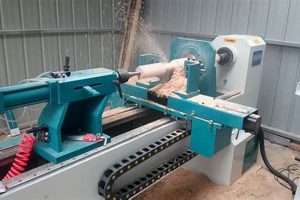
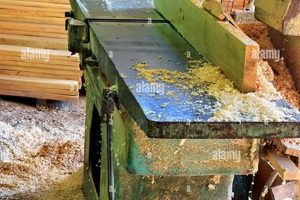
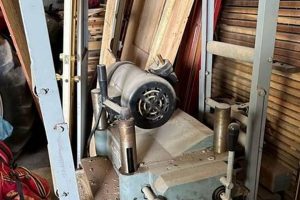
Older, often mechanically complex tools and equipment used in the shaping and fabrication of wood are the subject of increasing interest. These implements, ranging from hand-operated devices to large, belt-driven machines, represent a bygone era of craftsmanship. Examples include planers, jointers, lathes, and saws manufactured before the widespread adoption of computer numerical control (CNC) technology.
The preservation and utilization of these instruments offer several advantages. They provide a tangible link to the historical development of woodworking techniques, allowing for the replication of traditional designs and methods. Furthermore, many of these machines were built to exacting standards, resulting in robustness and longevity rarely found in modern equivalents. Their restoration and use contribute to sustainable practices by extending the lifespan of valuable resources and reducing reliance on new manufacturing.
The subsequent sections will examine specific categories of these historical woodworking devices, delving into their operational principles, restoration techniques, and the continuing relevance they hold for contemporary woodworking enthusiasts and professionals alike.
This section offers practical advice for those interested in acquiring, restoring, or utilizing mechanically-driven woodworking tools.
Tip 1: Thorough Inspection is Critical: Before acquiring any piece, conduct a meticulous examination for structural damage, excessive wear, and missing components. Pay particular attention to critical areas like bearings, gears, and cutterheads. Document any observed issues with photographs and detailed notes.
Tip 2: Prioritize Safety Mechanisms: Ensure that original safety features, such as blade guards and anti-kickback devices, are present and functional. If these are missing or damaged, consider fabricating replacements or retrofitting modern equivalents, understanding that modification may impact historical accuracy.
Tip 3: Research Original Specifications: Obtain original manuals, parts lists, and diagrams whenever possible. These documents provide crucial information regarding lubrication requirements, maintenance schedules, and proper operating procedures. Online forums and historical societies can be valuable resources.
Tip 4: Understand Power Requirements: Older machines often require specific voltage and amperage configurations. Verify that the electrical system in the workshop is compatible or that appropriate step-up/step-down transformers are used to prevent damage to the equipment and potential safety hazards.
Tip 5: Master Sharpening Techniques: Dull cutting edges compromise performance and increase the risk of accidents. Acquire the necessary skills and tools to properly sharpen blades, knives, and other cutting implements. Consider seeking instruction from experienced machinists or woodworking professionals.
Tip 6: Lubrication is Paramount: Consistent and appropriate lubrication is essential for maintaining the smooth operation and extending the lifespan. Use the recommended type of oil or grease, and adhere to the specified lubrication intervals outlined in the original documentation.
Tip 7: Factor in Restoration Costs: Restoration projects can be time-consuming and expensive. Accurately estimate the cost of replacement parts, repairs, and professional services before committing to a purchase. Obtain quotes from qualified machinists and electricians for complex repairs.
The careful application of these guidelines will improve the chances of successfully integrating restored tools and machines into a modern woodworking environment and ensure their continued contribution to the craft.
The concluding section will explore the enduring significance of this historical machinery in the context of modern woodworking practices.
1. Durability

Durability, a defining characteristic of older woodworking equipment, stems from design and manufacturing philosophies prioritizing longevity and robustness. These machines, constructed before the prevalence of planned obsolescence, were intended for decades of reliable service, a stark contrast to some modern counterparts.
- Material Selection and Construction Techniques
Vintage machines frequently employ heavier castings, thicker gauge steel, and higher quality components than contemporary equipment. These materials, combined with robust assembly methods such as dovetail joinery and meticulous hand-fitting, contribute to increased resistance to wear, stress, and vibration. For instance, a vintage cast iron jointer bed is less prone to warping or deflection under load compared to a modern aluminum equivalent.
- Simplicity of Design
The mechanical simplicity of older woodworking machines enhances their durability. Fewer complex electronic controls and intricate mechanisms reduce the potential points of failure. Basic designs are easier to maintain, repair, and understand, extending the operational lifespan. Consider the direct-drive motors common in vintage table saws, which are less susceptible to malfunction than belt-driven systems with complex speed controls.
- Ease of Maintenance and Repair
Design for maintainability characterizes older equipment. Readily accessible components, standardized fasteners, and comprehensive documentation facilitate routine maintenance and repair procedures. The availability of replacement parts, either original or fabricated, further extends the service life. In contrast, many modern machines are designed for easy replacement rather than repair, resulting in shorter lifespans and increased waste.
- Resistance to Obsolescence
The fundamental woodworking principles employed by older machines remain unchanged. Unlike electronics or software-driven devices, the functionality of a well-maintained jointer or planer does not diminish with time. This resistance to obsolescence, combined with their inherent durability, ensures these tools retain their utility and value for generations. A properly restored bandsaw from the early 20th century can still perform its intended function as effectively as a new model.
The emphasis on durable materials, simple designs, ease of maintenance, and resistance to obsolescence reinforces the value proposition of many restored machines. Their reliability ensures continued service in professional and hobbyist workshops, highlighting the enduring legacy of these tools.
2. Craftsmanship

The association between craftsmanship and older woodworking implements extends beyond mere functionality, representing a tangible connection to traditional values of precision, skill, and dedication to quality. These machines, often meticulously engineered and hand-assembled, reflect a commitment to excellence that resonates with contemporary artisans.
- Hand-Fitting and Precision Assembly
Unlike many modern mass-produced tools, vintage woodworking machines often exhibit evidence of hand-fitting and meticulous assembly. Components were individually adjusted and refined to ensure optimal performance. This level of attention to detail translates into smoother operation, tighter tolerances, and enhanced accuracy. An example is the hand-scraped ways on a vintage lathe, which provide exceptional precision and stability.
- Emphasis on Material Quality and Durability
The selection of materials for older woodworking equipment often prioritized quality and longevity over cost. Cast iron, known for its dimensional stability and vibration damping properties, was extensively used in the construction of machine frames and tables. This material choice reflects a commitment to producing tools that could withstand decades of rigorous use. The thickness and density of cast iron components in vintage planers contribute to their ability to produce consistently flat and smooth surfaces.
- Intricate Designs and Aesthetic Considerations
While functionality was paramount, older machine designs often incorporated aesthetic elements that are absent from modern utilitarian tools. The graceful curves of cast iron housings, the elaborate detailing on handwheels and levers, and the use of durable finishes all contribute to the visual appeal of these machines. Such design choices reflect a holistic approach to manufacturing, where form and function were equally valued. The ornamentation on a vintage bandsaw, for example, adds to its historical significance and artistic merit.
- Operator Skill and Machine Interaction
Operating these older tools often requires a deeper understanding of woodworking principles and a more direct connection with the machine. Manual adjustments, fine-tuning of settings, and careful attention to material feed rates are essential for achieving optimal results. This hands-on interaction fosters a sense of craftsmanship and allows the operator to develop a more intimate relationship with the woodworking process. The skill required to properly set up and operate a vintage mortising machine enhances the value of the resulting joinery.
The revival of interest in this kind of equipment represents a renewed appreciation for craftsmanship and a desire to reconnect with the traditions of woodworking. Utilizing restored vintage tools allows artisans to experience the satisfaction of working with machines built to exacting standards and to produce pieces that reflect a commitment to quality and enduring value.
3. Restoration

Restoration plays a pivotal role in preserving the functionality and historical value of vintage woodworking machinery. This process involves the meticulous repair, refurbishment, and, in some cases, reconstruction of these machines to return them to a usable or historically accurate state.
- Mechanical Overhaul and Component Replacement
A core aspect of restoration involves a thorough mechanical overhaul. This includes disassembling the machine, inspecting each component for wear or damage, and replacing worn bearings, gears, belts, and other parts. For example, a lathe restoration might require replacing worn spindle bearings and refinishing the ways to ensure smooth and accurate operation. Sourcing original replacement parts can be challenging, often necessitating the fabrication of custom components.
- Surface Refinishing and Corrosion Removal
Restoration also addresses cosmetic issues, such as rust, corrosion, and deteriorated paint. This typically involves removing rust using chemical or mechanical methods, followed by priming and repainting the machine. The goal is to protect the underlying metal from further corrosion while preserving or replicating the original finish. For instance, a bandsaw restoration might include sandblasting the frame to remove rust and applying a period-correct enamel paint to restore its original appearance.
- Electrical System Rewiring and Safety Upgrades
Electrical systems in older machines often require rewiring due to deteriorated insulation and outdated wiring practices. Restoration includes replacing wiring, switches, and motors to ensure safe and reliable operation. It may also involve adding modern safety features, such as emergency stop switches and blade guards, while minimizing disruption to the machine’s original design. An example is replacing the old cloth-covered wiring on a vintage table saw with modern, insulated wiring and adding a magnetic switch for enhanced safety.
- Historical Accuracy and Ethical Considerations
Restoration projects vary in their approach to historical accuracy. Some restorers prioritize returning the machine to its original factory condition, while others focus on functionality, making modifications as needed. The decision of whether to preserve original patina or to completely refinish a machine often involves ethical considerations. Maintaining historical accuracy can require extensive research and specialized skills, but it preserves the machine’s historical value.
The restoration of vintage woodworking machinery is a multifaceted undertaking that requires a blend of mechanical skills, historical knowledge, and aesthetic sensibility. Successfully restored machines not only provide a tangible link to the past but also offer a sustainable alternative to purchasing new equipment, preserving both woodworking traditions and valuable resources.
4. Functionality

The assessment of operational capability remains paramount when evaluating equipment of advanced age. Functionality, in the context of mechanically-driven woodworking tools, pertains to the capacity to perform intended tasks safely and accurately. Determining the functional viability of these tools requires careful consideration of various factors.
- Operational Precision and Accuracy
A primary aspect of functionality is the ability to execute cuts, shapes, or processes within acceptable tolerances. This depends on the condition of critical components such as bearings, cutterheads, and fences. A vintage jointer, for example, must be capable of producing flat and square edges to be considered functionally sound. Deviations from original specifications may compromise precision.
- Power Transmission and Mechanical Integrity
Functionality is intrinsically linked to the efficient transfer of power from the motor to the cutting tool. This necessitates the integrity of belts, pulleys, gears, and other mechanical linkages. Excessive wear, slippage, or misalignment can reduce power output and accuracy. A vintage lathe, for instance, must maintain consistent spindle speed under load to perform effectively.
- Safety Mechanisms and Operational Safeguards
The presence and proper operation of safety features are critical for assessing functionality. Blade guards, anti-kickback devices, and emergency stop mechanisms protect the operator from potential hazards. Missing or disabled safety components render the machine functionally deficient. A vintage table saw lacking a functioning blade guard poses a significant safety risk.
- Material Handling and Workpiece Support
Functionality also encompasses the ability to securely hold and manipulate workpieces during operation. Stable tables, adjustable fences, and effective clamping systems are essential for achieving accurate results. Deficiencies in material handling can compromise safety and precision. A vintage bandsaw with a warped table or a loose fence will produce inaccurate cuts.
The functional viability of restored woodworking tools hinges on addressing mechanical deficiencies, ensuring operator safety, and maintaining operational precision. Machines meeting these criteria represent a valuable and sustainable resource for contemporary woodworking practices.
5. Historical Significance
The enduring relevance of older mechanically-driven woodworking tools resides not only in their functionality but also in their capacity to represent technological and societal shifts. These machines offer tangible evidence of evolving manufacturing practices, labor conditions, and design aesthetics, thereby contributing to a broader understanding of industrial history.
- Technological Advancement and Innovation
Examination reveals the incremental advancements in engineering and design that shaped the woodworking industry. The transition from hand tools to powered machinery, for example, reflects a drive for increased efficiency and production capacity. The evolution of saw designs, from simple reciprocating saws to complex bandsaws, illustrates the ingenuity of engineers in addressing specific challenges. Each model reflects the technological context of its era, showcasing available materials, manufacturing techniques, and engineering principles. Patent dates and design features often provide clues to the technological influences shaping the development.
- Impact on Labor and Craftsmanship
The introduction of power tools into woodworking workshops had a transformative effect on labor practices and the nature of craftsmanship. While machines increased production speed, they also altered the skill sets required of workers. Some tasks became more specialized and repetitive, while others demanded a deeper understanding of machine operation and maintenance. The historical record provides insights into the impact of mechanization on wages, working conditions, and the social structure of the woodworking trades. Trade union records, apprenticeship agreements, and oral histories offer perspectives on the human impact of technological change.
- Design Aesthetics and Material Culture
Older machines often embody distinct design aesthetics that reflect the cultural values and artistic sensibilities of their time. The use of cast iron, ornate detailing, and durable finishes speaks to a commitment to quality and longevity. These aesthetic elements provide insights into the social and economic factors that influenced manufacturing practices. Machine designs, advertising materials, and period photographs reveal the cultural significance attached to woodworking tools.
- Preservation of Traditional Techniques
The restoration and use contribute to the preservation of traditional woodworking techniques. By working with these machines, artisans gain a deeper understanding of the processes and principles that underpinned earlier forms of woodworking. This knowledge can inform contemporary practices and inspire new approaches to design and construction. The replication of historical furniture styles and the revival of traditional joinery techniques depend on the availability and understanding of historic machinery.
The study provides valuable insights into technological progress, labor transformations, and design evolution within the context of woodworking. Its preservation not only maintains their utility but also safeguards a valuable component of industrial heritage.
6. Sustainability
The practice of restoring and utilizing older woodworking machinery aligns with principles of sustainability, offering an alternative to the environmental impacts associated with modern manufacturing. By extending the lifespan of existing equipment, resource consumption and waste generation are minimized.
- Reduced Manufacturing Demand
Utilizing existing tools reduces demand for new manufacturing, lessening the environmental impact of resource extraction, processing, and transportation. The energy-intensive processes involved in producing new machinery, including the smelting of metals and fabrication of components, are avoided. The use of an older machine eliminates the carbon footprint associated with the manufacture of its modern equivalent.
- Material Conservation
Older machines, often built with durable materials like cast iron and high-quality steel, represent a valuable store of embodied energy and resources. Restoration and maintenance extend the useful life of these materials, preventing them from entering the waste stream. Discarding serviceable machinery results in the loss of these resources and contributes to landfill accumulation.
- Waste Minimization
Restoration projects prioritize the repair and reuse of existing components, minimizing the need for replacement parts. This reduces waste associated with the production and disposal of defective or obsolete components. Salvaging parts from defunct machines further contributes to waste reduction. Reusing components reduces overall impact.
- Promotion of Circular Economy
Restoration practices contribute to a circular economy by keeping materials in use for as long as possible. This approach contrasts with the linear “take-make-dispose” model of consumption. The restoration market fosters a network of skilled technicians, suppliers, and enthusiasts who support the reuse and refurbishment of older machinery, promoting a more sustainable approach to woodworking.
The commitment to the repair, restoration, and utilization of older, mechanically-driven woodworking tools embodies environmental stewardship and promotes a responsible approach to resource management. It serves as a sustainable alternative within the woodworking industry.
Frequently Asked Questions About Vintage Woodworking Machinery
This section addresses common inquiries regarding the acquisition, restoration, and utilization of older mechanically-driven woodworking equipment, providing concise answers to facilitate informed decisions.
Question 1: What are the primary safety considerations when operating vintage woodworking machinery?
The operation of older machines requires heightened awareness of potential hazards. Ensure all original safety guards are in place and functioning correctly. Implement supplemental safety measures, such as push sticks and feather boards, as needed. Prioritize proper grounding of electrical systems and consistent maintenance to prevent malfunctions. Familiarize yourself with the machine’s operational characteristics and limitations before use.
Question 2: How does the performance of restored compare to that of modern equipment?
Well-restored models can often match or exceed the performance of modern equivalents, particularly in terms of precision and durability. However, modern machines may offer advantages in terms of automation, electronic controls, and energy efficiency. The choice depends on specific needs and priorities.
Question 3: Where can replacement parts for equipment be sourced?
Replacement parts can be obtained from a variety of sources, including specialized suppliers, online marketplaces, and machine tool salvage yards. In some cases, custom fabrication of parts may be necessary. Accurate identification of the machine’s make and model is essential for locating compatible components. Online forums and enthusiast communities can provide valuable resources and contacts.
Question 4: What are the key steps involved in restoring a woodworking machine?
Restoration typically involves disassembly, cleaning, inspection, repair or replacement of worn components, surface refinishing, electrical system rewiring (if necessary), and reassembly. Each step requires specialized knowledge and skills. Professional restoration services are available for those lacking the necessary expertise.
Question 5: How can the value of a used woodworking machine be assessed?
The value of a used machine depends on its condition, age, rarity, and functionality. Factors to consider include the presence of original components, the extent of any repairs or modifications, and the overall cosmetic appearance. Market research and consultation with experienced appraisers can provide accurate valuations.
Question 6: What is the best approach to maintaining equipment to ensure longevity?
Regular maintenance is crucial for extending the lifespan. This includes lubrication of moving parts, periodic inspection for wear or damage, and prompt repair of any detected issues. Following the manufacturer’s recommended maintenance schedule is essential. Keeping the machine clean and protected from the elements also contributes to its longevity.
Understanding these points is essential for anyone considering acquiring or working with this type of machinery.
The next section explores resources for further learning.
Conclusion
The preceding discussion has examined various facets of vintage woodworking machinery, from its durable construction and inherent craftsmanship to its historical significance and contribution to sustainable practices. This exploration highlights the enduring value of these tools beyond their functional capabilities.
Continued preservation and responsible utilization of this machinery represents a commitment to honoring both the ingenuity of past generations and the principles of resource conservation. Further research and educational initiatives are crucial to ensuring that the knowledge and skills associated with this equipment are passed on to future generations of woodworkers and machinists.