The core concept involves conceiving and developing crafted items from wood that are suitable for display and sale at organized artisan events. These events provide a venue for independent creators to connect with potential buyers, offering a unique opportunity to showcase handcrafted goods. For example, artisans may create wooden bowls, small decorative boxes, or personalized signage tailored for sale at such venues.
A focus on generating suitable concepts is crucial for artisans seeking to establish or expand their presence in the craft market. Success hinges on the ability to create items that appeal to event attendees, aligning with current trends and demonstrating a high standard of craftsmanship. Historically, these types of events have provided a valuable platform for artisans to sustain their livelihoods and contribute to local economies.
The following discussion will explore specific product categories and considerations crucial for maximizing success at these artisan markets, including insights into effective design principles, material selection, and pricing strategies.
Craft Fair Preparation Tips
Effective participation in artisan markets necessitates careful planning and execution. The following guidelines are designed to optimize product appeal and maximize sales potential.
Tip 1: Product Diversification: Offer a range of items at varying price points. This strategy caters to a broader spectrum of potential customers and increases the likelihood of a sale. For instance, a vendor might offer small, affordable keychains alongside more elaborate and expensive wooden clocks.
Tip 2: Quality Craftsmanship: Ensure all items exhibit meticulous attention to detail and a high level of finish. A well-crafted product communicates value and justifies the asking price. Avoid imperfections such as rough edges, visible glue, or uneven finishes.
Tip 3: Market Research: Analyze the target audience and prevailing trends within the specific event or market. Identifying popular styles, colors, and product types can inform design decisions and increase the probability of product resonance.
Tip 4: Strategic Pricing: Implement a pricing strategy that accounts for material costs, labor, overhead, and a reasonable profit margin. Research competitor pricing to ensure competitiveness while maintaining perceived value. Clearly display pricing for all items.
Tip 5: Attractive Display: Utilize visually appealing displays to showcase products effectively. Consider factors such as height, lighting, and organization to create an inviting and accessible presentation. Group similar items together and utilize risers to create visual interest.
Tip 6: Efficient Inventory Management: Maintain a detailed inventory log to track sales and identify popular items. This data informs future production decisions and ensures adequate stock levels at subsequent events. Consider using a simple spreadsheet or a dedicated inventory management system.
Tip 7: Professional Presentation: Project a professional image through booth setup, signage, and personal demeanor. A clean and organized booth, coupled with friendly and knowledgeable customer service, enhances the overall buying experience.
Tip 8: Payment Processing: Offer a variety of payment options, including cash, credit cards, and mobile payment platforms. Accepting multiple forms of payment increases accessibility and reduces potential barriers to purchase.
Adhering to these principles will enhance the artisan’s ability to effectively market and sell their woodworking creations, contributing to a positive and profitable experience. Careful consideration of product design, pricing, and presentation are key to securing customer interest and driving sales.
The subsequent sections will delve into specific project examples and explore advanced techniques for optimizing profitability at artisan markets.
1. Marketable Size

Marketable size, in the context of woodworking for artisan markets, refers to the physical dimensions and weight of the crafted items. It is a crucial consideration, directly influencing shipping costs, booth space requirements, and customer purchasing decisions. Products exceeding practical size or weight thresholds often face diminished market appeal.
- Portability and Transport
Small, easily transportable items are advantageous. Artisans are often responsible for transporting their inventory to and from events, frequently without assistance. Items that can be easily packed and carried in standard vehicles minimize logistical challenges and associated costs. For example, small wooden jewelry boxes or handcrafted wooden utensils are inherently more portable than large wooden sculptures or furniture pieces.
- Booth Space Constraints
Artisan market booths typically have limited dimensions. Overly large items can consume valuable display space, reducing the number of products that can be showcased. Compact designs and space-saving layouts are essential for maximizing product visibility within a constrained environment. Consider creating modular or stackable items to optimize vertical space utilization.
- Shipping Costs (for online sales or distant markets)
If online sales or participation in distant markets are anticipated, shipping costs become a significant factor. Larger and heavier items incur higher shipping fees, potentially deterring online purchases or diminishing profit margins. Smaller, lighter items are more cost-effective to ship, expanding market reach and improving profitability. Offer smaller, shippable versions of popular items to appeal to a broader audience.
- Customer Purchase Impulses
Smaller, less expensive items often trigger impulse purchases. Customers may be more inclined to purchase a small, handcrafted wooden toy or a decorative wooden ornament on a whim, compared to committing to a larger, more expensive piece of furniture. Offering a range of smaller, affordable items can generate incremental sales and increase overall revenue. Create collections of related small items to encourage multiple purchases.
In conclusion, marketable size directly impacts logistical feasibility, booth presentation, shipping costs, and customer purchasing behavior. Woodworking endeavors tailored for artisan markets should prioritize compact designs that are easily transportable, fit within constrained booth spaces, minimize shipping expenses, and encourage impulse purchases. Failure to account for these factors can significantly impede sales and overall market success.
2. Unique Design

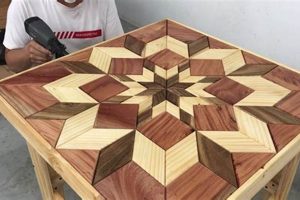
Within the context of woodworking for artisan markets, the element of unique design holds considerable significance. A design that deviates from commonplace offerings attracts attention, stimulates interest, and fosters perceived value among potential buyers. The presence of originality can directly influence sales performance, as customers often seek items that reflect individuality or distinctive craftsmanship. For example, a wooden clock incorporating unconventional geometric patterns or a bowl crafted from reclaimed wood with visible character possesses a higher likelihood of attracting buyers compared to mass-produced or generic alternatives.
The creation of a unique design necessitates a blend of artistic vision, technical skill, and market awareness. Artisans must possess the ability to conceive innovative forms and functionalities while simultaneously understanding prevailing aesthetic trends and customer preferences. Practical application involves sketching initial concepts, prototyping with readily available materials, and iteratively refining designs based on feedback and testing. Successful artisans often draw inspiration from nature, historical artifacts, or contemporary art movements, translating these influences into distinctive woodworking creations. Furthermore, incorporating personalized elements, such as custom engravings or handcrafted hardware, can further enhance the perceived uniqueness of the finished product.
In summary, unique design functions as a critical differentiator in the competitive landscape of artisan markets. Items exhibiting originality, innovation, and meticulous craftsmanship possess a distinct advantage in capturing customer attention and driving sales. The ability to conceive and execute unique designs requires a combination of artistic talent, technical proficiency, and a comprehensive understanding of market dynamics. While the pursuit of originality presents inherent challenges, the rewards, in terms of enhanced brand recognition and increased profitability, are substantial.
3. Production Efficiency

Production efficiency, when applied to woodworking for artisan markets, constitutes a pivotal determinant of profitability and scalability. The ability to produce high-quality items rapidly and cost-effectively is essential for maximizing returns on investment and meeting demand at craft shows. Efficient production processes allow artisans to offer competitive pricing while maintaining sustainable profit margins.
- Streamlined Workflow
A streamlined workflow necessitates optimizing each stage of the production process, from material preparation to finishing. This involves minimizing unnecessary steps, arranging the workspace for optimal ergonomics, and employing jigs or fixtures to accelerate repetitive tasks. An artisan creating multiple wooden cutting boards, for instance, benefits from a standardized cutting template and a pre-configured sanding station, significantly reducing overall production time. Bottlenecks within the process must be identified and addressed proactively to maintain a consistent flow of output.
- Tool Selection and Maintenance
Appropriate tool selection directly influences production speed and product quality. Investing in high-quality, well-maintained tools enhances efficiency and reduces the likelihood of errors or defects. For example, using a sharp, well-tuned bandsaw allows for precise and rapid cutting of intricate shapes, minimizing the need for subsequent sanding or corrective work. Regular tool maintenance, including sharpening blades and lubricating moving parts, is crucial for preserving optimal performance and extending tool lifespan.
- Material Optimization
Effective material optimization minimizes waste and reduces material costs. This involves careful planning of cuts to maximize yield from raw lumber, utilizing scrap pieces for smaller projects, and exploring alternative materials that offer comparable aesthetics at a lower price point. An artisan creating small wooden boxes can optimize material usage by nesting box components efficiently on a single sheet of plywood, significantly reducing material waste and overall production costs. Consideration should also be given to purchasing materials in bulk to secure volume discounts.
- Standardized Designs
Adopting standardized designs facilitates efficient production through repetition and prefabrication. Developing a limited range of designs that can be produced repeatedly allows for the creation of jigs, templates, and standardized cutting lists, further streamlining the production process. An artisan specializing in wooden birdhouses, for example, can create a standardized design with pre-cut components that can be quickly assembled, significantly increasing production volume. This approach also enables artisans to focus on improving production techniques for a limited set of designs, leading to increased efficiency and consistency.
The facets of streamlined workflow, judicious tool selection, material optimization, and design standardization are interconnected elements contributing to overall production efficiency. Successful woodworking endeavors for artisan markets will prioritize the effective implementation of these strategies, optimizing resource utilization and maximizing profitability. The ability to produce high-quality items efficiently is crucial for achieving sustained success in this competitive environment.
4. Material Cost

In the realm of woodworking for artisan markets, material cost serves as a foundational constraint impacting design choices, pricing strategies, and overall profitability. Effective management of material expenses is critical for artisans seeking to create viable and competitive product offerings.
- Wood Selection
The choice of wood species significantly influences material cost. Exotic hardwoods, such as ebony or rosewood, command premium prices compared to domestically sourced softwoods like pine or fir. Artisans must carefully balance aesthetic considerations with budgetary limitations when selecting wood. The use of readily available and less expensive woods can make certain project ideas more economically feasible. For instance, crafting small decorative items from reclaimed wood not only reduces material expenses but also adds a unique selling point related to sustainability.
- Hardware and Fittings
The cost of hardware, including hinges, knobs, fasteners, and other fittings, can substantially contribute to overall material expenses. High-end, handcrafted hardware often incurs a significant premium compared to mass-produced alternatives. Artisans must carefully consider the functional requirements and aesthetic objectives of their designs when selecting hardware. The strategic use of less expensive but visually appealing hardware can help to control material costs without compromising product quality. For example, utilizing standard brass hinges instead of custom-forged iron hinges on a small wooden box can significantly reduce material expenses.
- Finishing Supplies
Finishing supplies, encompassing stains, varnishes, paints, and sealers, constitute another component of material cost. The choice of finishing products impacts both the aesthetic appeal and the durability of the finished product. Premium-quality finishes often command higher prices but may provide superior protection and enhance the wood’s natural beauty. Artisans must carefully balance cost considerations with performance requirements when selecting finishing supplies. The use of environmentally friendly, water-based finishes can offer a cost-effective and aesthetically pleasing alternative to traditional solvent-based finishes.
- Waste Management
Effective waste management practices can significantly reduce material costs. Minimizing waste through careful planning of cuts, utilizing scrap wood for smaller projects, and exploring alternative material sources can contribute to substantial savings. Implementing efficient cutting layouts and employing woodworking techniques that generate minimal waste are essential for optimizing material utilization. For example, using a bandsaw instead of a circular saw for curved cuts can reduce material waste by producing a narrower kerf. Selling or repurposing wood shavings and sawdust can also generate additional revenue or reduce disposal costs.
A comprehensive understanding of material cost dynamics and the implementation of cost-effective strategies are essential for success in woodworking for artisan markets. By carefully selecting materials, optimizing hardware choices, managing finishing supplies, and minimizing waste, artisans can enhance profitability and ensure the long-term viability of their businesses.
5. Targeted Aesthetic

The concept of “targeted aesthetic” is paramount when formulating woodworking concepts intended for craft shows. A deliberately chosen aesthetic, attuned to prevailing market trends and consumer preferences, directly influences product appeal and sales potential. It necessitates a keen understanding of the demographic profile of typical craft show attendees and the styles they are most likely to embrace.
- Trend Analysis and Market Research
Trend analysis and market research are crucial for determining the targeted aesthetic. Examining current home dcor magazines, online marketplaces like Etsy, and competitor offerings provides insights into popular styles, colors, and motifs. For example, if minimalist Scandinavian designs are currently trending, woodworking ideas incorporating clean lines, natural wood finishes, and functional simplicity are more likely to resonate with craft show attendees. Neglecting this research can result in products that are aesthetically misaligned with market demand.
- Demographic Considerations
Demographic considerations play a significant role in shaping the targeted aesthetic. Different age groups, income levels, and geographic locations often exhibit distinct aesthetic preferences. For instance, a craft show held in a rural area might attract customers who appreciate rustic or farmhouse-style woodworking, while an event in a metropolitan area might cater to individuals seeking modern or contemporary designs. Understanding the demographic profile of the anticipated audience is essential for tailoring the aesthetic to maximize appeal.
- Material and Finish Selection
Material and finish selection are integral components of the targeted aesthetic. The choice of wood species, stains, varnishes, and other finishing products directly influences the overall look and feel of the finished product. A rustic aesthetic might necessitate the use of reclaimed wood with a distressed finish, while a modern aesthetic might call for the use of smooth hardwoods with a clear, protective coating. Careful consideration of material and finish choices is essential for achieving the desired aesthetic effect.
- Product Category Alignment
Product category alignment ensures that the targeted aesthetic is appropriate for the specific type of woodworking project being offered. Certain styles are more suitable for particular product categories than others. For example, a whimsical, folk-art aesthetic might be well-suited for children’s toys or decorative ornaments, while a sophisticated, contemporary aesthetic might be more appropriate for furniture or fine art pieces. Aligning the aesthetic with the product category enhances its perceived value and appeal.
The principles of trend analysis, demographic awareness, careful material selection, and product category alignment converge to define an effective targeted aesthetic. Integrating these considerations into the formulation of woodworking ideas for craft shows significantly enhances the likelihood of achieving market success by creating products that are visually appealing and resonate with the intended audience.
Frequently Asked Questions
The following section addresses common inquiries and clarifies key considerations regarding the development of woodworking projects suitable for artisan markets.
Question 1: What is the optimal size for woodworking projects intended for craft shows?
The size should be manageable for both transport and display. Overly large items consume excessive booth space and present logistical challenges. Smaller, easily portable items generally exhibit greater appeal.
Question 2: How important is unique design in attracting customers at craft shows?
Unique design is paramount. Products that distinguish themselves from mass-produced alternatives attract attention and justify higher prices. Originality and craftsmanship are key drivers of sales.
Question 3: What role does production efficiency play in profitability at craft shows?
Production efficiency directly impacts profitability. Streamlined workflows, efficient tool usage, and optimized material utilization enable higher production volumes and lower costs, leading to improved profit margins.
Question 4: How can material costs be effectively managed when creating woodworking projects for craft shows?
Effective material management involves selecting cost-effective wood species, utilizing hardware strategically, minimizing waste through efficient cutting layouts, and exploring alternative material sources to reduce expenses.
Question 5: Why is it crucial to consider a “targeted aesthetic” when developing woodworking projects for craft shows?
A targeted aesthetic aligns products with prevailing market trends and consumer preferences. Understanding demographic profiles and analyzing current design trends are essential for creating projects that resonate with the intended audience.
Question 6: What are some common mistakes to avoid when preparing woodworking projects for craft shows?
Common mistakes include neglecting market research, underestimating material costs, failing to prioritize production efficiency, and overlooking the importance of a cohesive and visually appealing booth display.
These FAQs provide essential guidance for artisans seeking to optimize their woodworking endeavors for craft shows. Understanding these key considerations contributes to enhanced profitability and sustainable success.
The concluding section will summarize the core principles discussed and offer final recommendations for maximizing effectiveness at artisan markets.
In Conclusion
The preceding discourse has explored critical facets of woodworking ideas for craft shows. Elements such as marketable size, unique design, production efficiency, material cost management, and targeted aesthetic choices have been examined in detail. Success in this arena hinges upon a balanced and informed application of these factors, fostering products that are both aesthetically appealing and commercially viable.
The capacity to translate creative vision into tangible, marketable wooden artifacts requires diligent planning, meticulous execution, and an unwavering commitment to quality. Sustained engagement with market trends, coupled with continuous refinement of production techniques, remains essential for artisans seeking to thrive within the dynamic landscape of craft exhibitions. Future endeavors should prioritize innovation and adaptability to maintain a competitive edge.