The utilization of lumber derived from the acacia tree in crafting projects is a practice favored by artisans and hobbyists alike. This natural resource, sourced from various species within the Acacia genus, offers a unique combination of aesthetic appeal and practical properties that make it suitable for a wide range of applications, from furniture construction to smaller decorative items. Its characteristic grain patterns and color variations contribute to the distinct visual character of the finished product.
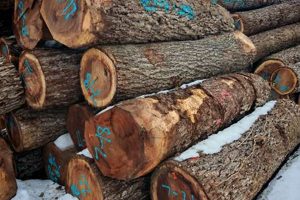
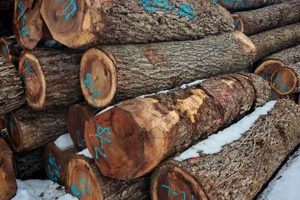
Its value lies in its durability and inherent resistance to moisture and decay, making it a long-lasting material for both indoor and outdoor creations. Historically, different varieties of this timber have been employed in diverse cultures for building, toolmaking, and even medicinal purposes. Its sustainable harvesting, when practiced responsibly, ensures the continued availability of this versatile resource for future generations of woodworkers.
The following sections will delve deeper into the specific properties of this type of lumber, explore its various applications in crafting, and provide guidance on best practices for working with it to achieve optimal results. Furthermore, aspects such as sourcing considerations and finishing techniques will be addressed to provide a comprehensive understanding of its use in woodworking endeavors.
Working with Acacia Lumber
The successful utilization of acacia wood in woodworking projects necessitates an understanding of its unique characteristics and the implementation of appropriate techniques. The following tips provide practical guidance to optimize the working experience and achieve desired results.
Tip 1: Acclimatization is Crucial: Ensure the lumber acclimatizes to the workshop environment prior to commencement of work. This minimizes warping or cracking due to moisture content changes. Allow a minimum of one week for proper acclimatization.
Tip 2: Pre-Drilling is Recommended: Due to the inherent hardness of this type of lumber, pre-drilling pilot holes for screws or nails is strongly advised. This prevents splitting and ensures secure fastening. Select drill bits appropriate for the fastener size.
Tip 3: Sharp Tools are Essential: Employ sharp blades and chisels to achieve clean cuts and avoid tear-out. Dull tools can lead to rough surfaces and compromised joinery. Regular sharpening or replacement of cutting edges is necessary.
Tip 4: Glue Selection Matters: Choose a high-quality wood glue suitable for hardwoods to ensure strong and durable bonds. Two-part epoxy adhesives may be considered for demanding applications. Follow the manufacturer’s instructions for optimal performance.
Tip 5: Sanding Techniques are Key: Start with coarser grit sandpaper and progressively move to finer grits for a smooth, even surface. Avoid excessive sanding pressure, which can cause unevenness. Inspect the surface frequently during sanding.
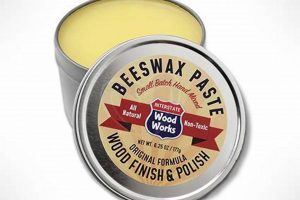
Tip 6: Finishing Considerations: Acacia timber accepts a variety of finishes well. Consider using oil-based finishes to enhance the natural grain and color. Water-based finishes offer good durability but may require multiple coats. Always test the finish on a scrap piece first.
Tip 7: Monitor for Movement: Even after acclimatization, the lumber may exhibit slight movement with changes in humidity. Design joints that accommodate potential expansion or contraction to prevent stress failures.
By adhering to these tips, woodworkers can effectively harness the inherent qualities of acacia lumber, creating durable and aesthetically pleasing pieces. The careful application of these techniques ensures a successful and rewarding woodworking experience.
These considerations provide a foundation for further exploration of specialized techniques and advanced applications utilizing this versatile material. The following sections will delve into project-specific guidance and troubleshooting strategies.
1. Durability

Durability, a crucial attribute of any material intended for woodworking, assumes particular significance when considering acacia lumber. Its inherent resistance to environmental factors and physical stress directly impacts the longevity and suitability of finished products.
- Resistance to Decay
Acacia possesses natural compounds that inhibit fungal growth and deter insect infestation. This inherent resistance to decay is vital for outdoor applications such as garden furniture or decking, where exposure to moisture and biological agents is constant. Without treatment, less durable woods quickly degrade in such environments. Acacia’s longevity minimizes the need for frequent replacement and reduces long-term maintenance costs.
- Hardness and Impact Resistance
The density and close grain structure of acacia contribute to its high hardness rating. This translates to enhanced resistance to dents, scratches, and general wear and tear. For example, a dining table constructed from acacia is less prone to damage from everyday use compared to a table made from softer woods like pine. This property makes it well-suited for high-traffic areas and furniture pieces intended for frequent use.
- Dimensional Stability
While no wood is entirely immune to moisture-induced movement, acacia exhibits relatively good dimensional stability. This means it is less prone to warping, twisting, or cracking under varying humidity levels compared to other hardwoods. This stability is essential for maintaining the structural integrity and aesthetic appeal of furniture pieces over time, particularly in climates with significant seasonal humidity fluctuations.
- Weather Resistance
Acacia’s natural oils and density provide a degree of protection against the elements, making it suitable for outdoor use. While not entirely waterproof, its resistance to water absorption minimizes swelling and cracking caused by exposure to rain and sun. Regular application of protective finishes can further enhance its weather resistance, extending its lifespan in outdoor settings.
The combined effect of these durability-related characteristics makes acacia a practical and reliable choice for a wide range of woodworking projects. Its inherent strength and resistance to degradation translate to long-lasting and aesthetically pleasing creations, minimizing the need for repairs or replacements, particularly where exposure to demanding environmental conditions is expected. This combination makes it attractive from both an economic and sustainability perspective.
2. Grain Pattern

The grain pattern observed in acacia wood significantly influences its aesthetic appeal and workability in woodworking applications. It constitutes a key factor in determining the suitability of this material for various projects and affects the final appearance of the crafted item.
- Figure Variation
Acacia exhibits a wide range of figure variations, from straight and uniform grains to highly figured patterns such as curl, fiddleback, or burl. These variations arise from growth patterns, stress, or genetic factors within the tree. The presence of such figure significantly enhances the visual interest of the wood, making it desirable for decorative applications like tabletops, cabinet doors, and accent pieces. However, highly figured wood can also be more challenging to work with, requiring careful planning and techniques to avoid tear-out during machining.
- Color Contrast
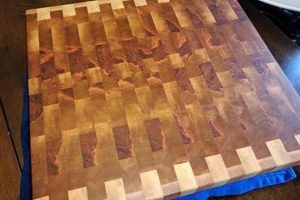
The grain pattern is often accentuated by variations in color within the wood. Acacia commonly displays heartwood ranging from light golden brown to deep reddish-brown, contrasting with lighter sapwood. This color contrast can create striking visual effects when the wood is sawn and finished, highlighting the grain’s direction and pattern. Woodworkers often exploit this color contrast through selective cutting and orientation of the wood to achieve specific aesthetic goals in their projects.
- Influence on Strength
The direction of the grain significantly affects the wood’s strength properties. Straight-grained acacia tends to be stronger and more stable than pieces with irregular or swirling grain patterns. Woodworkers must consider the grain direction when designing and constructing load-bearing components, such as chair legs or table supports. Aligning the grain parallel to the direction of stress maximizes the wood’s resistance to bending or breaking. Conversely, cross-grain can create weak points prone to splitting.
- Finishing Effects
The grain pattern interacts with wood finishes in unique ways. Open-grained acacia, with larger pores, tends to absorb more finish, resulting in a deeper, richer color. Conversely, close-grained pieces may require multiple coats to achieve the desired saturation. The grain pattern also influences the sheen of the finished surface, with smoother grains reflecting light more evenly than rougher or more textured grains. Woodworkers select finishing techniques and products based on the grain pattern to enhance the wood’s natural beauty and achieve the desired level of protection and gloss.
These aspects of the grain pattern, encompassing figure, color contrast, strength influence, and finishing effects, collectively contribute to the unique character and versatility of acacia lumber in woodworking. A thorough understanding of these characteristics enables woodworkers to make informed decisions regarding material selection, design, and construction, resulting in aesthetically pleasing and structurally sound finished products.
3. Workability
Workability, in the context of acacia lumber, refers to the ease with which it can be shaped, cut, joined, and finished. Its inherent properties as a dense hardwood dictate the specific techniques and tools required to achieve desired results in woodworking projects. Understanding its workability is crucial for predicting the effort and skill level necessary for successful manipulation.
- Density and Cutting Resistance
Acacia’s high density translates to significant resistance during cutting and shaping operations. Traditional hand tools may require frequent sharpening and considerable physical effort. Power tools, such as saws and routers, are generally more effective, but necessitate careful selection of appropriate blades and speeds to prevent overheating or tear-out. The hardness also increases wear on cutting edges, leading to more frequent maintenance requirements.
- Splitting Tendency
While acacia possesses considerable strength, its close grain can make it prone to splitting, particularly when driving fasteners close to the edge of a board. Pre-drilling pilot holes is essential to mitigate this risk. Furthermore, when using screws or nails, it is advisable to select fasteners with appropriate shank diameters and thread patterns for hardwoods. Careful clamping and support during assembly can also minimize the likelihood of splitting.
- Glue Adhesion
Acacia’s density and oily composition can sometimes impede glue adhesion. Surface preparation, such as sanding with a coarse grit, is crucial to create a mechanical bond. The selection of an appropriate adhesive specifically formulated for hardwoods is also important. Two-part epoxy adhesives often provide superior bond strength compared to standard wood glues. Clamping pressure should be sufficient to ensure intimate contact between the glued surfaces.
- Finishing Characteristics
Acacia readily accepts a variety of finishes, but its natural oils can sometimes interfere with the absorption of certain products, particularly water-based stains. Oil-based finishes tend to penetrate more effectively, enhancing the wood’s natural grain and color. Thorough sanding to a fine grit is essential for achieving a smooth, even finish. Applying a sealer or conditioner prior to staining can help to control the absorption rate and prevent blotching.
In summary, the workability of acacia requires a careful consideration of its inherent properties. While its density and potential for splitting present challenges, the use of appropriate tools, techniques, and materials can overcome these obstacles, resulting in durable and aesthetically pleasing woodworking projects. Its responsiveness to finishes, when properly prepared, further enhances its appeal, making it a suitable material for a range of applications despite its demanding nature.
4. Finishing Options

The selection of appropriate finishing options significantly impacts the aesthetic appeal, durability, and longevity of acacia lumber used in woodworking projects. The inherent properties of acacia, such as its grain pattern, color variations, and oil content, necessitate careful consideration when choosing finishing techniques to achieve optimal results and protect the wood from environmental factors.
- Oil-Based Finishes
Oil-based finishes, including penetrating oils and varnishes, excel at enhancing the natural grain and color variations of acacia. They penetrate the wood fibers, providing a rich, warm tone and offering moderate protection against moisture. Application requires proper ventilation and may necessitate multiple coats for desired saturation. Examples include tung oil and linseed oil, commonly used to highlight the wood’s character and impart a subtle sheen. Drawbacks can include longer drying times and potential yellowing over time.
- Water-Based Finishes
Water-based finishes offer a durable and environmentally conscious alternative, exhibiting lower VOC (volatile organic compound) emissions. While they may not penetrate as deeply as oil-based options, advancements in formulations provide enhanced adhesion and protective qualities. Water-based polyurethanes, for instance, create a hard, scratch-resistant surface suitable for high-traffic applications. Multiple coats are typically required, and sanding between coats is crucial for achieving a smooth, even finish. These finishes are generally less likely to yellow over time, preserving the wood’s original color.
- Protective Coatings
Protective coatings, such as lacquers and varnishes, provide a barrier against moisture, UV radiation, and physical abrasion. They form a film on the surface of the wood, offering a high degree of protection but potentially obscuring some of the natural grain. Spar varnish, designed for marine applications, provides excellent weather resistance for outdoor acacia furniture. The choice of coating depends on the intended use of the project, prioritizing durability in high-wear environments and aesthetic considerations for decorative pieces.
- Staining Techniques
Staining allows for the alteration of acacia’s color, enhancing or complementing its natural hues. However, the inherent oil content of the wood can impede stain absorption, leading to uneven coloration or blotching. Pre-conditioning the wood with a sanding sealer can mitigate this issue, creating a more uniform surface for stain application. Gel stains, due to their thicker consistency, can also provide more consistent coverage on oily woods. Careful testing and experimentation are essential to achieve the desired color and avoid undesirable results.
The effective application of these finishing options hinges on a thorough understanding of acacia’s properties and the specific characteristics of each finishing product. Ultimately, the chosen approach should balance aesthetic preferences with the need for protection, ensuring the longevity and beauty of acacia woodworking projects for years to come. Responsible selection and application of finishes also considers environmental impacts, favoring low-VOC options where appropriate.
5. Sourcing Ethics

Ethical considerations surrounding the procurement of acacia wood for woodworking are paramount. The industry’s responsibility to environmental sustainability and fair labor practices directly impacts the long-term viability of acacia as a resource and the well-being of communities involved in its harvesting and processing.
- Deforestation and Forest Management
Unregulated acacia harvesting can lead to deforestation, habitat loss, and soil erosion. Sustainable forest management practices are essential to ensure the long-term availability of acacia while preserving biodiversity. This involves implementing controlled logging, reforestation programs, and protecting sensitive ecosystems. Certification schemes, such as the Forest Stewardship Council (FSC), provide assurance that acacia lumber originates from responsibly managed forests.
- Labor Practices and Worker Welfare
The ethical sourcing of acacia necessitates fair labor practices throughout the supply chain. This includes ensuring safe working conditions, providing fair wages, and prohibiting child labor. Transparency in labor practices is crucial, allowing consumers to make informed choices about the products they purchase. Organizations dedicated to promoting fair trade principles can provide guidance on identifying ethically sourced acacia.
- Community Impact and Benefit Sharing
Acacia harvesting can have significant social and economic impacts on local communities. Ethical sourcing involves engaging with these communities, respecting their rights, and ensuring they benefit from the use of acacia resources. This may involve providing compensation for land use, supporting community development projects, and promoting local employment opportunities. Prioritizing community well-being contributes to the long-term sustainability of acacia harvesting operations.
- Chain of Custody Transparency
Maintaining a transparent chain of custody is vital for verifying the origin and ethical sourcing of acacia lumber. This involves tracking the wood from the forest to the final product, ensuring that it has not been mixed with illegally harvested timber or materials from unsustainable sources. Documentation, such as invoices and certificates, should be readily available to demonstrate the legitimacy of the supply chain. Transparency builds trust and allows consumers to support responsible forestry practices.
These facets of ethical sourcing are interconnected and essential for promoting a sustainable and responsible acacia woodworking industry. Consumers, woodworkers, and suppliers all have a role to play in ensuring that acacia lumber is sourced ethically, contributing to the preservation of forests, the well-being of communities, and the long-term availability of this valuable resource. Choosing certified acacia and supporting transparent supply chains are critical steps in promoting responsible practices.
Frequently Asked Questions About Acacia Wood for Woodworking
This section addresses common inquiries regarding the utilization of acacia wood in woodworking projects. The information presented aims to provide clarity and assist in making informed decisions regarding material selection and application.
Question 1: Is acacia wood suitable for outdoor furniture construction?
Acacia exhibits inherent resistance to moisture and decay, rendering it a viable option for outdoor applications. However, prolonged exposure to the elements necessitates the application of appropriate protective finishes to maintain its structural integrity and aesthetic appeal. Regular maintenance is recommended to extend its lifespan.
Question 2: Does acacia wood require special tools for woodworking?
Acacia’s hardness necessitates the use of sharp, high-quality tools. Carbide-tipped saw blades and chisels are recommended to ensure clean cuts and minimize tear-out. Pre-drilling pilot holes is advisable to prevent splitting, particularly when driving fasteners close to edges.
Question 3: How does the grain pattern of acacia wood affect its workability?
Acacia can exhibit varying grain patterns, ranging from straight to highly figured. Straight-grained acacia is generally easier to work with than pieces with irregular or swirling grain. Highly figured wood may require specialized techniques to avoid tear-out during machining and sanding.
Question 4: What are the recommended finishes for acacia wood?
Both oil-based and water-based finishes can be applied to acacia wood. Oil-based finishes tend to enhance the natural grain and color, while water-based finishes offer good durability and lower VOC emissions. Proper surface preparation is essential to ensure even finish absorption.
Question 5: Is acacia wood a sustainable material?
The sustainability of acacia wood depends on responsible sourcing practices. Selecting acacia lumber certified by organizations such as the Forest Stewardship Council (FSC) ensures that it originates from sustainably managed forests.
Question 6: How does acacia wood compare to other hardwoods commonly used in woodworking?
Acacia shares similarities with other hardwoods like teak and mahogany in terms of durability and aesthetic appeal. However, its specific properties, such as density and oil content, require consideration when selecting appropriate woodworking techniques and finishing options.
The information provided addresses key considerations relevant to the utilization of acacia wood in woodworking. Further research and experimentation may be necessary to optimize results for specific project requirements.
The following sections will explore specific project applications and case studies involving acacia wood, providing further insights into its practical uses.
Conclusion
This exposition has examined acacia wood for woodworking, elucidating its properties, workability, finishing options, and ethical sourcing considerations. The durable nature of the lumber, coupled with its varied grain patterns, positions it as a viable material for diverse applications. However, its density demands meticulous execution of woodworking techniques. Responsible procurement practices are crucial to ensure the long-term availability of acacia as a sustainable resource.
The judicious application of the information presented herein allows for informed decision-making in material selection and project execution. Continued adherence to sustainable sourcing principles will dictate the ongoing viability of acacia wood within the woodworking industry, promoting both ecological responsibility and the continued access to this material for future generations of artisans.