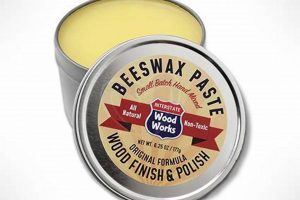
Materials applied to wooden surfaces in woodworking projects serve to protect the underlying material from environmental factors and enhance its aesthetic appeal. These applications range from transparent coatings that showcase the wood’s natural grain to opaque paints that completely alter its appearance. Examples include varnishes, lacquers, oils, waxes, and stains.
Properly applied coatings extend the lifespan of wooden objects by guarding against moisture, ultraviolet radiation, and physical abrasion. They also contribute significantly to the overall look and feel of a finished piece, influencing its texture, color, and sheen. Historically, formulations were derived from natural sources; modern chemistry has expanded the array of available options, improving durability and offering a wider spectrum of visual effects.
Subsequent sections will detail the various types available, exploring their characteristics, application methods, and suitability for different projects. Considerations such as durability, drying time, and environmental impact will also be addressed to assist in informed decision-making regarding the optimal protective and decorative treatment for woodwork.
Essential Application Guidelines
Achieving a professional-grade outcome relies not only on selecting the appropriate material but also on employing proper techniques throughout the finishing process. The following guidelines are critical for successful implementation and lasting results.
Tip 1: Surface Preparation is Paramount: Thoroughly sand the wood surface, progressing through increasingly finer grits of sandpaper. Remove all dust and debris before application. Imperfections at this stage will be magnified by the subsequent coating.
Tip 2: Adhere to Environmental Controls: Apply coatings in a well-ventilated area with temperatures within the manufacturer’s recommended range. Avoid application in high humidity or direct sunlight, as these conditions can adversely affect drying and curing.
Tip 3: Employ Thin, Even Coats: Multiple thin layers are superior to a single thick layer. Thin applications promote proper drying and prevent runs, sags, and bubbles. Allow each coat to dry completely before applying the next.
Tip 4: Agitate Products Before Use: Many formulations contain settling agents. Stir the product gently but thoroughly before application to ensure a uniform consistency and consistent color distribution.
Tip 5: Select Appropriate Application Tools: Choose brushes, rollers, or spray equipment designed for the specific type of material being used. Clean applicators thoroughly after each use to prevent contamination and ensure longevity.
Tip 6: Consider a Test Area: Before applying to the entire project, test the product on a hidden area or scrap piece of wood to verify color, adhesion, and overall appearance.
Tip 7: Proper Disposal of Waste: Dispose of used applicators, rags, and leftover materials according to local regulations and manufacturer’s instructions. Some products contain hazardous components that require special handling.
These guidelines, when diligently followed, will significantly enhance the quality and durability of any woodworking project. By attending to detail and employing best practices, a superior and long-lasting result can be reliably achieved.
The next section will delve into common problems encountered during application and offer solutions to address these challenges effectively.
1. Protection

The primary function of a woodworking coating is to safeguard the underlying wood from degradation. This protective action manifests in several ways, each crucial to extending the lifespan and maintaining the aesthetic integrity of wooden objects. Without appropriate safeguarding, wood is susceptible to moisture absorption, ultraviolet radiation damage, physical abrasion, and biological attack from fungi and insects. The absence of a protective layer initiates a cascade of detrimental effects, leading to warping, cracking, discoloration, and eventual structural failure. The specific type and formulation of the coating determine the level and type of safeguarding provided.
For instance, exterior applications necessitate coatings with robust UV resistance to prevent fading and embrittlement caused by prolonged sun exposure. Marine varnishes, designed for boats and other aquatic structures, offer exceptional water resistance and flexibility to withstand constant immersion and movement. Interior finishes, while not subject to the same environmental extremes, must still provide resistance to household chemicals, spills, and everyday wear and tear. The choice of a suitable coating is therefore a critical decision that directly impacts the long-term performance of any woodworking project. Selecting a finish without considering the environmental conditions it will face is a common cause of premature failure. Failing to protect against insect infestation will result in wood consumption and structural damage.
In summary, protection is an indispensable component of coatings, serving as the first line of defense against a multitude of destructive forces. Understanding the specific protective properties of different products and matching them to the intended application is paramount for ensuring the longevity, stability, and visual appeal of woodworking projects. Overlooking this core function compromises the entire endeavor, leading to costly repairs or premature replacement. Therefore, proper selection, application, and maintenance of the protective layer are essential investments in the enduring value of wood-based creations.
2. Appearance

Appearance is a critical attribute directly governed by the selection and application of woodworking coatings. It defines the aesthetic impact of the finished piece, influencing visual texture, color, and level of sheen. A carefully chosen and expertly applied surface treatment can enhance the inherent beauty of the wood, creating a desired mood or stylistic effect.
- Color and Tone Manipulation
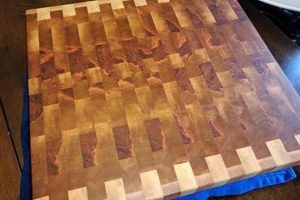
The use of stains, dyes, and tinted topcoats allows for significant alteration of the wood’s natural coloration. Stains penetrate the wood fibers, accentuating the grain and adding depth of color. Dyes, often more transparent, provide a uniform tint without obscuring the underlying grain. Tinted topcoats, such as lacquers or varnishes, add a subtle hue while also providing a protective layer. The choice depends on the desired intensity and opacity of the color. For example, a dark mahogany stain can transform inexpensive pine into a convincing imitation of the higher-priced hardwood, while a clear lacquer preserves the natural light tone of maple.
- Sheen Level and Reflectivity
The level of gloss or matte finish significantly affects the perceived elegance and practicality of the wood item. High-gloss finishes create a reflective surface, enhancing color saturation and highlighting detail, but also revealing imperfections. Matte or satin finishes diffuse light, minimizing glare and offering a softer, more understated look. The choice depends on the intended use and aesthetic preference. For example, a high-gloss finish might be suitable for a decorative tabletop, while a matte finish is preferred for a work surface that requires less glare.
- Grain Enhancement and Clarity
Transparent applications, such as clear varnishes or oils, are employed to accentuate the wood’s natural grain pattern. These coatings penetrate the wood, enriching the color and providing a protective layer without obscuring the underlying figure. The selection of a particular product can subtly alter the grain’s appearance. For example, oil-based products tend to darken and enhance the grain’s contrast, while water-based options may offer a more neutral appearance. The desired effect depends on the specific wood species and the overall design aesthetic.
- Texture and Surface Feel
The choice of finishing product and application method can influence the tactile experience of the wood surface. A thick application of varnish or lacquer creates a smooth, glass-like surface, while a wax or oil finish retains a more natural, textured feel. Different application techniques, such as brushing, spraying, or wiping, can further modify the final surface texture. The desired feel should align with the intended use and overall aesthetic. For example, a smooth, polished surface might be desirable for a dining table, while a textured surface is more appropriate for a rustic bookshelf.
These considerations demonstrate that manipulating appearance via woodworking finishing is not simply about covering the wood but about skillfully enhancing its intrinsic qualities to achieve a desired visual and tactile effect. Strategic selection and careful application are essential for optimizing the final product’s aesthetic appeal, confirming that coatings play a role beyond simple protection.
3. Application

The method of applying coatings is integral to achieving the desired aesthetic and protective qualities in woodworking projects. Optimal results are contingent upon selecting the appropriate technique and employing it with precision. Inadequate application can compromise the integrity of the finish, leading to premature failure and diminished visual appeal.
- Brush Application
Brush application is a widely used method, suitable for small to medium-sized projects and intricate details. The selection of brush type natural bristle for oil-based products, synthetic for water-based is crucial. Proper brushing technique involves applying even, thin coats, overlapping each stroke slightly to avoid streaks or pooling. Example: Applying varnish to a wooden chair requires careful brushwork to ensure uniform coverage on curved surfaces and intricate carvings. The implications of improper technique include brush marks, uneven sheen, and compromised protection in areas of insufficient coverage.
- Spray Application
Spray application, utilizing either compressed air or airless sprayers, is ideal for large surfaces and achieving a flawless, even finish. This method requires proper ventilation and safety precautions due to the potential for airborne particles. Settings such as pressure, nozzle size, and spray pattern must be adjusted to suit the specific coating being used. Example: Applying lacquer to a large tabletop demands a consistent spray pattern to avoid variations in color and sheen. Incorrect settings or improper technique can result in runs, orange peel texture, and overspray, leading to wasted material and subpar results.
- Wipe-On Application
Wipe-on application, typically used with oils and some varnishes, involves applying a thin coat with a cloth or pad and wiping off the excess. This method is suitable for achieving a natural, low-gloss finish and enhancing the wood’s grain. The choice of material for application lint-free cloth, foam pad influences the final texture. Example: Applying oil to a wooden bowl involves saturating the surface and then wiping away the excess to prevent a sticky or uneven finish. Insufficient wiping can lead to a buildup of product on the surface, while excessive wiping may remove too much, compromising protection.
- Roller Application
Roller application, while less common than brushing or spraying, is suitable for large, flat surfaces where a textured finish is desired. The nap of the roller determines the degree of texture imparted to the coating. This method requires careful attention to avoid creating excessive bubbles or uneven coverage. Example: Applying paint to a wooden door using a roller can provide a textured finish that hides minor imperfections. Improper roller technique or the use of an inappropriate roller nap can result in an uneven surface with visible roller marks.
These varied application methods demonstrate the critical link between technique and final outcome in woodworking finishes. The selection of the appropriate method, coupled with meticulous execution, ensures both aesthetic appeal and long-lasting protection. This underscores the importance of understanding the nuances of each method to achieve a superior finish on any woodworking project.
4. Durability

The longevity of woodworking projects is inextricably linked to the protective qualities of applied coatings. These materials serve as a primary defense against environmental stressors and physical wear, directly influencing the lifespan of the finished piece. Without a robust and appropriate coating, wood is vulnerable to degradation from moisture, ultraviolet radiation, abrasion, and biological attack, leading to structural compromise and aesthetic decline. The selection of a finish with adequate protective properties is therefore a fundamental consideration for ensuring the long-term performance and value of woodworking projects. For example, outdoor furniture exposed to sunlight and rain necessitates a UV-resistant and water-repellent coating to prevent fading, cracking, and decay. The absence of such protection results in accelerated deterioration, requiring frequent repairs or premature replacement.
Coatings contribute to resistance to scratches, impacts, and chemical exposure. For example, a durable polyurethane coating on a kitchen countertop protects against spills, stains, and abrasion from daily use. Conversely, a delicate wax finish on the same surface would offer minimal protection, leading to rapid wear and requiring frequent reapplication. The hardness, flexibility, and chemical resistance of the chosen coating are critical factors in determining its ability to withstand the intended use environment. Coatings also influence the resistance to biological threats. Incorporating biocides or selecting finishes inherently resistant to fungal growth and insect infestation is essential for projects in damp or insect-prone environments. Neglecting this aspect can lead to structural damage and costly remediation.
Proper selection and application practices are imperative for maximizing the durability of woodworking finishes. Thorough surface preparation, including sanding and cleaning, ensures optimal adhesion and prevents premature peeling or cracking. The application of multiple thin coats, rather than a single thick coat, promotes even drying and enhances the protective barrier. Regular maintenance, such as cleaning and periodic reapplication of topcoats, further extends the lifespan of the finish and preserves its aesthetic appeal. Therefore, durability is not merely an inherent property of a coating but rather a function of careful selection, skillful application, and ongoing maintenance, all of which contribute to the long-term resilience of woodworking projects.
5. Preparation
In woodworking, surface preparation dictates the ultimate success of any coating application. It is not merely a preliminary step but an integral component of the overall finishing process, significantly impacting adhesion, appearance, and longevity.
- Sanding and Surface Smoothing
The process of sanding removes imperfections, scratches, and mill marks from the wood surface, creating a smooth, uniform substrate for coating adhesion. Progressing through progressively finer grits of sandpaper is essential to avoid introducing new scratches. Without adequate sanding, the coating will highlight existing imperfections, resulting in a visually flawed finish. For instance, applying a high-gloss lacquer to an inadequately sanded surface will accentuate even the smallest scratches, detracting from the overall appearance.
- Cleaning and Decontamination
Removing dust, dirt, grease, and other contaminants from the wood surface is critical for ensuring proper coating adhesion. Residual contaminants can interfere with the bonding process, leading to peeling, blistering, or uneven coverage. Cleaning methods vary depending on the nature of the contaminant; solvents, detergents, or tack cloths are commonly employed. Example: Applying oil-based stain to a surface contaminated with silicone will result in a repellent effect, creating unsightly blotches and compromising the finish’s integrity.
- Filling and Repairing Imperfections
Addressing cracks, dents, and voids in the wood surface prior to coating application is essential for achieving a seamless and durable finish. Wood fillers, epoxy resins, or wood patches can be used to repair imperfections, creating a uniform surface. Failure to repair imperfections will result in the coating bridging the gaps, leading to cracking, chipping, or moisture intrusion. Example: Applying varnish to a knot hole without first filling it will result in a weak spot in the finish, prone to cracking and water damage.
- Sealing and Priming
Applying a sealer or primer before the final coating can enhance adhesion, block stain penetration, and create a uniform surface for the topcoat. Sealers fill the pores of the wood, preventing excessive absorption of the topcoat. Primers provide a smooth, even base for paint or other opaque coatings. Example: Applying paint directly to bare pine without a primer will result in uneven color absorption and a grainy texture. The primer creates a uniform surface, allowing the paint to adhere properly and provide full coverage.
These preparation steps, when executed with precision and attention to detail, lay the foundation for a successful woodworking finish. Neglecting these crucial processes compromises the aesthetic appeal, durability, and overall value of the finished piece. In essence, proper preparation is not simply a prerequisite but an indispensable element in the creation of high-quality woodwork.
6. Maintenance

The longevity and aesthetic appeal of woodworking projects are intrinsically linked to consistent and appropriate maintenance practices. The selection and initial application of a woodworking surface treatment represent only the first phase in ensuring lasting quality. Subsequent maintenance protocols are vital for preserving the integrity of the finish and preventing premature degradation.
- Regular Cleaning Regimen
Establishment of a routine cleaning schedule is paramount. The accumulation of dust, dirt, and grime can abrade the surface, diminishing the protective qualities of the finish and dulling its appearance. The frequency and intensity of cleaning should be tailored to the environment and usage of the wooden object. For example, furniture exposed to direct sunlight or frequent handling necessitates more frequent cleaning than decorative items stored in controlled environments. Gentle cleaning agents, free from harsh chemicals or abrasive particles, should be employed to avoid damaging the surface treatment.
- Periodic Reapplication of Protective Layers
Certain surface treatments, such as waxes and oils, require periodic reapplication to replenish the protective barrier. These substances gradually degrade or wear away over time, leaving the underlying wood vulnerable to environmental factors. The frequency of reapplication depends on the specific product and the level of exposure. For example, wooden cutting boards treated with mineral oil require frequent re-oiling to maintain their water resistance and prevent cracking. Neglecting this aspect can lead to premature wear and potential hygiene concerns.
- Prompt Repair of Damage
Addressing scratches, dents, and water damage promptly is essential for preventing further deterioration. Minor imperfections can be repaired using touch-up coatings or specialized repair kits. Delaying repairs allows moisture to penetrate the wood, potentially leading to swelling, warping, or fungal growth. For example, a scratch on a varnished tabletop should be addressed immediately to prevent moisture from penetrating the underlying wood. Untreated damage can escalate rapidly, necessitating more extensive and costly repairs.
- Environmental Control
Maintaining a stable environment can significantly prolong the life of woodworking finishes. Extreme fluctuations in temperature and humidity can cause the wood to expand and contract, leading to cracking or peeling of the surface treatment. Storing wooden objects in controlled environments, away from direct sunlight and excessive moisture, minimizes these stresses. For example, storing antique wooden furniture in a climate-controlled room prevents warping and cracking, preserving its value and aesthetic appeal.
These maintenance practices collectively ensure that woodworking finishes continue to provide optimal protection and aesthetic enhancement for years to come. The failure to adhere to appropriate maintenance protocols undermines the initial investment in surface treatments, leading to diminished longevity and compromised visual appeal. Therefore, maintenance is an integral and ongoing component of the woodworking process, essential for preserving the value and integrity of wooden objects.
Frequently Asked Questions About Woodworking Wood Finishes
This section addresses common inquiries regarding the selection, application, and maintenance of treatments, offering concise and factual answers.
Question 1: What factors determine the appropriate selection for a woodworking project?
The selection hinges on several factors, including the wood species, intended use of the project, environmental conditions, and desired aesthetic. Considerations include durability, moisture resistance, UV protection, and compatibility with the wood type. Projects exposed to outdoor elements necessitate coatings with enhanced UV and water resistance.
Question 2: How does surface preparation influence the final outcome?
Surface preparation is crucial for optimal adhesion and a flawless appearance. Proper sanding, cleaning, and filling of imperfections create a smooth, uniform substrate. Inadequate preparation can result in adhesion failures, uneven coverage, and accentuated surface flaws.
Question 3: What are the advantages and disadvantages of different application methods?
Brush application is suitable for small projects and intricate details, but may result in brush marks. Spray application provides a smooth, even finish on large surfaces, but requires proper ventilation and equipment. Wipe-on application is ideal for oils and creates a natural, low-gloss appearance, but offers less protection. Roller application works for large flat areas with textured finish.
Question 4: How can the longevity of coatings be maximized?
Longevity is achieved through proper selection, application, and maintenance. Selecting a durable, appropriate coating, following application guidelines, and implementing a regular cleaning and reapplication schedule significantly extends the life of the surface treatment.
Question 5: What are common causes of surface treatment failure?
Common causes of failure include inadequate surface preparation, use of incompatible materials, improper application techniques, and failure to provide adequate maintenance. Exposure to extreme environmental conditions or physical abuse can also compromise the integrity of the surface treatment.
Question 6: How can environmentally responsible practices be incorporated into the finishing process?
Environmentally responsible practices include selecting low-VOC (volatile organic compound) products, using water-based rather than solvent-based materials, employing efficient application techniques to minimize waste, and properly disposing of used materials according to local regulations.
Properly selected and applied treatments offer long-lasting protection and beauty, while neglecting essential procedures can lead to premature failure and unsatisfactory results.
The subsequent section will present a glossary of essential terms related to woodworking wood finishes.
Woodworking Wood Finishes
This exploration has detailed critical aspects of woodworking wood finishes, encompassing selection criteria, proper application techniques, and essential maintenance procedures. The interplay between protective properties, aesthetic enhancement, and durability has been thoroughly examined, emphasizing the significance of informed decision-making in the woodworking process. Surface preparation, application methods, and environmental control parameters have been elucidated to provide a comprehensive understanding of factors influencing the final outcome.
Effective implementation of the principles outlined herein directly impacts the longevity and visual appeal of woodworking projects. Therefore, a commitment to diligent practice and continuous learning is paramount. Continued advancements in material science and application technologies promise ongoing improvements in the performance and sustainability of these essential components of woodworking. The future of the craft hinges on a dedication to quality and a thorough understanding of these critical processes.