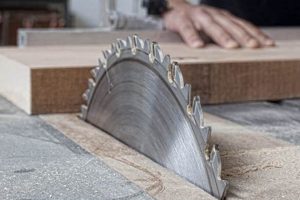
This tool, characterized by a blade held under tension within a rigid structure, serves as a fundamental implement in various woodworking tasks. It is typically employed for cutting curves, intricate shapes, and performing rip cuts in thinner materials. The tensioned blade allows for precise control and maneuverability, proving advantageous when executing detailed work that requires accuracy.
Its significance arises from its ability to execute cuts that are challenging or impossible with other types of saws. Historically, these tools have been crucial in furniture making, instrument building, and other crafts demanding fine detail. The ability to change blades easily allows for adaptation to different materials and thicknesses, enhancing versatility. This adjustability, coupled with its inherent precision, offers a distinct advantage in creating high-quality work.
Subsequent sections will delve into the specific components of this tool, examining blade selection criteria, optimal tensioning techniques, and recommended practices for maintaining peak performance. Further discussion will address common applications, highlighting the versatility of this tool in diverse woodworking projects.
Tips for Optimal Woodworking Frame Saw Use
The following recommendations are intended to enhance precision, efficiency, and safety when operating this tool. Adherence to these guidelines will promote superior results and extend the lifespan of the equipment.
Tip 1: Blade Selection. Employ a blade appropriate for the specific wood type and cut. Finer teeth are preferable for hardwoods and intricate patterns, while coarser teeth expedite material removal on softer woods.
Tip 2: Tensioning the Blade. Consistent and adequate tension is paramount. Insufficient tension results in blade wandering, while excessive tension risks blade breakage or frame damage. Aim for a resonant “ping” when plucked, indicating proper tightness.
Tip 3: Stance and Posture. Maintain a stable, balanced stance. Feet should be shoulder-width apart, with the workpiece directly in front. Proper posture minimizes fatigue and maximizes control during cutting.
Tip 4: Guiding the Cut. Employ a deliberate and controlled sawing motion. Avoid forcing the blade; allow the teeth to do the work. Gentle pressure combined with a steady rhythm yields optimal results.
Tip 5: Workpiece Securing. Securely clamp the workpiece to a stable surface. This prevents movement during cutting, enhancing safety and precision.
Tip 6: Regular Inspection. Before each use, inspect the frame and blade for damage. Replace worn or damaged components immediately to prevent accidents and ensure accurate cuts.
Tip 7: Blade Lubrication. Apply a small amount of lubricant (such as beeswax) to the blade periodically, particularly when cutting resinous woods. This reduces friction and prevents binding.
These tips collectively promote accuracy, safety, and longevity in usage. Consistent application of these principles will demonstrably improve the quality and efficiency of woodworking projects.
The subsequent section will explore advanced techniques and troubleshooting strategies for experienced users seeking to refine their skills with this valuable tool.
1. Precision

The intrinsic value of this woodworking tool lies significantly in its capacity to achieve high levels of precision in cutting operations. The design, featuring a blade tensioned within a rigid frame, directly contributes to minimizing blade deflection during use. This reduced deflection translates into cleaner, more accurate cuts, particularly when executing intricate curves or complex shapes. The ability to control the cut with a high degree of accuracy is essential for projects demanding tight joinery and aesthetically pleasing results. Examples include crafting delicate inlays, producing precisely fitted components for musical instruments, and creating complex curved moldings. Without the inherent precision offered by this saw, such tasks become significantly more challenging, often requiring alternative methods or accepting a lower standard of accuracy.
Further contributing to precision is the fine-toothed nature of blades typically used with this tool. These blades, designed for controlled material removal, allow the woodworker to follow intricate patterns with enhanced accuracy. The ability to easily rotate the blade during cutting, coupled with the narrow kerf produced, facilitates the creation of tight curves and complex shapes. This capability is particularly valuable in applications where minimal material loss is crucial or where the shape being cut is highly detailed. For instance, replicating historical furniture designs often necessitates precise curves and details, a task where this type of saw excels.
In summary, precision is not merely a desirable attribute but an integral component of the function and utility. The rigid frame, tensioned blade, and fine-toothed blade design collectively enable woodworkers to achieve levels of accuracy that are difficult to replicate with other sawing methods. This precision has profound implications for the quality, complexity, and aesthetic appeal of woodworking projects. The inherent challenges associated with alternative cutting techniques in intricate work underscore the practical significance of understanding and maximizing the precision capabilities of this fundamental woodworking tool.
2. Tension

Tension is a critical parameter directly influencing the performance and safety of a woodworking frame saw. It refers to the degree of tautness applied to the blade within the frame’s structure. Inadequate tension results in blade instability, characterized by wandering or buckling during cutting, thereby compromising accuracy and increasing the risk of binding. Conversely, excessive tension elevates the stress on both the blade and the frame, potentially leading to premature blade breakage or structural failure of the frame itself. Therefore, maintaining optimal tension is paramount for achieving precise cuts and ensuring the longevity of the tool.
The appropriate level of tension is contingent on several factors, including blade thickness, blade width, and the material being cut. Thinner blades generally require less tension than thicker blades, while wider blades typically withstand higher tension before becoming unstable. The type of wood also influences the ideal tension setting; harder woods often necessitate higher tension to facilitate efficient material removal without excessive blade deflection. Achieving the correct tension is often determined by experience, with seasoned woodworkers relying on auditory cues a specific “ping” when the blade is plucked to gauge the tautness. Real-world examples highlight the importance of this: a luthier crafting intricate scrollwork on a violin requires precisely tensioned blade to achieve clean curves without splintering the wood. Similarly, a furniture maker cutting tenons needs proper tension to ensure straight, square cuts for strong joinery.
In conclusion, tension in a woodworking frame saw is not merely a mechanical setting but a fundamental factor governing the tool’s performance, safety, and longevity. Understanding the interplay between tension, blade characteristics, and material properties is crucial for optimizing cutting accuracy and minimizing the risk of equipment failure. Regular adjustments and careful monitoring of blade tension are essential for any woodworker seeking to maximize the potential of this versatile tool. The consequences of improper tension extend beyond mere inconvenience, potentially resulting in damaged materials, inaccurate cuts, and, in severe cases, injury.
3. Blade Selection

The performance of this woodworking tool is inextricably linked to the selection of an appropriate blade. The blade directly mediates the interaction between the tool and the workpiece, dictating the efficiency, accuracy, and quality of the cut. Understanding the nuances of blade selection is, therefore, essential for maximizing the potential of this saw.
- Tooth Pitch and Material
Tooth pitch, measured in teeth per inch (TPI), dictates the aggressiveness of the cut and the smoothness of the resulting surface. Lower TPI blades are suited for rapid material removal in softer woods, while higher TPI blades are preferred for hardwoods and intricate work, minimizing tear-out. For example, a coarse blade might be selected for quickly dimensioning a softwood board, while a fine-toothed blade would be essential for cutting dovetails in a hardwood drawer front. The material of the blade (e.g., carbon steel, high-speed steel) also influences its durability and suitability for different wood types.
- Blade Width and Curve Cutting
Blade width directly impacts the tool’s ability to execute curved cuts. Narrower blades can navigate tighter radii, making them indispensable for shaping complex forms. Wider blades, while offering increased stability for straight cuts, are limited in their ability to cut curves. A cabinetmaker might use a very narrow blade to cut the curved legs of a chair, whereas a slightly wider blade could be chosen for making long, straight rip cuts in a panel. The selection must balance maneuverability with stability.
- Tooth Geometry and Cutting Direction
The geometry of the teeth influences the efficiency and directionality of the cut. Some blades are designed for cutting on the pull stroke, while others cut on the push stroke. The angle and shape of the teeth determine the aggressiveness of the cut and the amount of force required. Furthermore, specialized tooth geometries can reduce friction and heat buildup, improving cutting performance and blade life. A blade with aggressive teeth angled for pull-stroke cutting would be favored for efficient sawing in a traditional Japanese woodworking context, where pull-stroke saws are common.
- Blade Thickness and Stability
Blade thickness affects the stability of the blade and its susceptibility to deflection. Thicker blades are generally more resistant to bending and wandering, resulting in straighter cuts, especially in thicker materials. However, thicker blades also remove more material, creating a wider kerf. Blade selection must therefore consider the required precision and the acceptable amount of material loss. A thicker blade might be preferred when sawing a mortise in a thick table leg to ensure a clean, square cut, while a thinner blade could be used for delicate fretwork where minimal material removal is desired.
In essence, selecting the correct blade is not a trivial decision but a critical step in ensuring the success of any project utilizing this tool. Careful consideration of the factors outlined above, including tooth pitch, blade width, tooth geometry, and blade thickness, allows the woodworker to optimize performance, minimize errors, and achieve desired results. These considerations are particularly important when dealing with exotic hardwoods or when executing complex joinery, highlighting the vital role of blade selection in maximizing the potential of the woodworking frame saw.
4. Frame Integrity

Frame integrity constitutes a foundational requirement for optimal performance and safe operation. The frame, typically constructed from wood or metal, serves as the structural backbone, maintaining the blade under tension. Compromised frame integrity, characterized by cracks, warping, or loose joinery, directly undermines the saw’s ability to deliver accurate cuts. For instance, a warped frame will prevent uniform blade tension, leading to wandering cuts and inconsistent results. Similarly, loose joints introduce instability, increasing the risk of blade breakage and potential injury to the user. Therefore, the frame’s structural soundness is paramount to the saw’s functionality.
The choice of materials and construction techniques directly influences frame integrity. Traditional wooden frames, often crafted from hardwoods like beech or maple, require meticulous joinery and careful seasoning to resist warping and cracking. Metal frames, while offering increased durability, must be designed to withstand the tensile forces exerted by the tensioned blade. Regardless of the material, regular inspection and maintenance are crucial. This includes checking for signs of damage, tightening loose connections, and applying appropriate finishes to protect against environmental factors. For example, a furniture maker relying on a meticulously crafted tool for intricate inlay work cannot afford to compromise on frame integrity; even minor frame imperfections can propagate inaccuracies throughout the finished piece.
In conclusion, frame integrity is not merely a desirable attribute but a fundamental prerequisite for effective use. The structural stability of the frame directly impacts cutting accuracy, blade longevity, and user safety. Regular maintenance, careful material selection, and adherence to proper construction techniques are essential for preserving frame integrity and ensuring the long-term viability. Recognizing and addressing potential frame weaknesses is a proactive measure that promotes both efficiency and safety within a woodworking environment. Failure to prioritize frame integrity ultimately diminishes the tool’s capabilities and increases the risk of both material waste and personal injury.
5. Cutting Technique
Effective utilization of a woodworking frame saw hinges significantly on proper cutting technique. The tool’s design necessitates a nuanced approach to sawing, emphasizing control, rhythm, and understanding of material properties. Correct technique maximizes cutting efficiency, promotes accuracy, and minimizes the risk of blade breakage or workpiece damage.
- Stance and Posture
A stable, balanced stance is paramount. The woodworker should position themselves directly in front of the workpiece, with feet shoulder-width apart. Maintaining an upright posture minimizes fatigue and allows for consistent force application throughout the cutting stroke. An incorrect stance can lead to uneven pressure and inaccurate cuts. For example, leaning too far forward may cause the blade to bind, while slouching can diminish control over the saw’s trajectory.
- Initiating the Cut
Starting the cut with precision is crucial. Employ a controlled, gentle sawing motion to establish a clean kerf along the intended line. Avoid forcing the blade, allowing the teeth to gradually engage the wood fibers. A common technique involves tilting the saw slightly to focus pressure on a small area, facilitating a smooth and accurate start. Attempting to initiate the cut with excessive force can result in splintering or blade jumping, compromising accuracy from the outset.
- Sawing Motion and Rhythm
A consistent and rhythmic sawing motion is essential for efficient cutting. Employ a full arm movement, utilizing the entire blade length for each stroke. Avoid short, choppy strokes, which increase friction and reduce cutting speed. Maintaining a steady rhythm promotes even material removal and minimizes the risk of blade overheating. Deviations from a consistent rhythm can lead to uneven cuts and premature blade wear. Experienced woodworkers often develop a personalized rhythm that optimizes their cutting efficiency.
- Guiding and Steering the Blade
Precise guidance and steering are critical for achieving accurate cuts, particularly when executing curves or following intricate patterns. Utilize subtle adjustments in pressure and angle to guide the blade along the intended line. Maintain constant visual focus on the cutting path, anticipating changes in grain direction or material density. Attempting to force the blade in an unnatural direction can result in blade breakage or a wandering cut. Masterful control over blade guidance is a hallmark of skilled use.
Collectively, these facets of cutting technique underscore the importance of a holistic approach to woodworking. Mastery of these techniques not only enhances cutting efficiency and accuracy but also extends the lifespan of the blade and frame. Furthermore, proper technique reduces the risk of accidents, promoting a safer and more enjoyable woodworking experience. Recognizing and refining these techniques are essential for realizing the full potential of a woodworking frame saw and achieving consistently high-quality results.
6. Material Compatibility
The operational effectiveness of a woodworking frame saw is significantly determined by the compatibility between the blade and the material being cut. Incompatibility leads to diminished performance, increased risk of blade damage, and substandard results. Different wood species, possessing varying densities, grain structures, and resin contents, necessitate specific blade characteristics for optimal cutting. Hardwoods, such as maple or oak, demand blades with finer teeth and higher tensile strength to prevent tear-out and maintain cutting precision. Conversely, softwoods, like pine or cedar, can be efficiently processed with blades featuring coarser teeth designed for rapid material removal. Failure to account for these material properties results in inefficient cutting, increased friction, and compromised finish quality. For instance, attempting to cut a dense hardwood with a blade designed for softwood inevitably leads to blade dulling, increased effort, and a rough, splintered edge.
Furthermore, the presence of resins or oils in certain woods necessitates blade lubrication to mitigate friction and prevent binding. Exotic woods, such as teak or cocobolo, often contain oils that can accumulate on the blade surface, impeding its cutting action. Similarly, resinous softwoods, like pine, can cause the blade to stick or overheat if not properly lubricated. Applying a small amount of beeswax or specialized blade lubricant reduces friction, facilitates smoother cutting, and extends blade life. In practical applications, a luthier working with ebony, a dense and oily hardwood, understands that selecting a high-quality blade designed for hardwoods, coupled with frequent lubrication, is crucial for achieving the precise cuts required for instrument construction. Similarly, a furniture maker processing reclaimed lumber must consider the presence of embedded nails or other foreign objects, necessitating the use of a blade specifically designed for cutting through these materials.
In conclusion, material compatibility is not a passive consideration but an active determinant of a woodworking frame saw’s performance. Selecting the appropriate blade for the specific material, accounting for factors such as density, grain structure, and resin content, is essential for achieving efficient, accurate, and safe cutting. The consequences of neglecting material compatibility range from diminished cutting quality to potential damage to the blade and workpiece. A thorough understanding of these interactions empowers the woodworker to make informed decisions, maximizing the tool’s potential and ensuring consistently superior results. Addressing the inherent challenges of variable wood properties requires ongoing learning and adaptation, linking directly to the broader theme of continuous skill refinement in woodworking.
7. Historical Significance

The enduring presence of the frame saw within woodworking traditions reflects its fundamental utility and adaptability across diverse historical periods and geographical locations. Its development arose from the need for a portable, efficient tool capable of performing intricate cuts that larger, stationary saws could not achieve. The frame saw, in its various iterations, served as a crucial implement for joiners, cabinet makers, and shipwrights for centuries, enabling the creation of furniture, architectural elements, and nautical vessels. The rise of its prominence directly correlates with the increased demand for intricate wooden components and the limitations of earlier sawing technologies. The tool’s design, emphasizing a tensioned blade within a frame, represents a significant advancement in sawing technology, allowing for greater control and precision. Consequently, the influence of the frame saw extends beyond mere functionality, shaping the aesthetic and structural possibilities within woodworking practices.
Practical examples illustrating its historical significance abound. Consider the construction of intricate parquetry floors in 17th and 18th-century European palaces; such elaborate designs would have been impossible without the precision afforded by this type of saw. Similarly, the creation of curved furniture elements, such as cabriole legs or serpentine drawer fronts, relied heavily on the tool’s ability to execute controlled, curved cuts. Archaeological evidence from shipwrecks reveals the use of frame saws in shaping the complex hull components, highlighting their importance in maritime construction. Furthermore, the tool’s portability allowed itinerant craftsmen to bring their skills to various locations, facilitating the dissemination of woodworking techniques and styles across different regions. Its evolution, from simple wooden frames to more sophisticated metal designs, demonstrates a continuous adaptation to changing material availability and technological advancements.
Understanding the historical significance of the frame saw provides valuable context for contemporary woodworking practices. Appreciating its role in shaping past woodworking traditions allows modern craftspeople to connect with a rich heritage of skill and innovation. Furthermore, studying the tool’s design evolution can inform contemporary design choices and problem-solving approaches. While modern power tools offer increased speed and efficiency, the frame saw remains a relevant tool for specialized tasks and for woodworkers seeking to emulate historical techniques. Acknowledging its historical significance not only enriches the appreciation of woodworking but also fosters a deeper understanding of the enduring relationship between tools, craft, and cultural expression.
Frequently Asked Questions
The following questions address common inquiries regarding the application, maintenance, and selection criteria pertinent to this woodworking implement. The intent is to provide clear, concise answers based on established woodworking practices.
Question 1: What distinguishes the frame saw from other types of saws employed in woodworking?
The defining characteristic is its blade tensioned within a rigid frame. This configuration allows for greater control and precision compared to saws where the blade is unsupported over a significant length. The frame saw also facilitates the easy rotation of the blade, enabling intricate curved cuts.
Question 2: What are the primary applications for this particular saw?
It excels at cutting curves, intricate shapes, and thin stock. Its precision makes it suitable for tasks such as creating dovetails, shaping furniture components, and producing fine inlays. The ability to use a thin blade minimizes material waste.
Question 3: How does one properly tension the blade to achieve optimal performance?
Tensioning is critical. The blade should be taut enough to produce a clear, resonant tone when plucked. Insufficient tension results in blade wandering, while excessive tension risks blade breakage. The correct tension is a balance determined by blade thickness and frame design.
Question 4: What are the key considerations when selecting a blade for this saw?
Blade selection depends on the material being cut. Finer teeth are appropriate for hardwoods, while coarser teeth are suitable for softwoods. Blade width dictates the tightness of curves that can be cut. Blade thickness impacts stability and kerf width.
Question 5: What maintenance procedures are recommended to ensure the longevity of the frame saw?
Regular inspection of the frame for cracks or loose joints is essential. The blade should be sharpened periodically and lubricated during use. Proper storage in a dry environment prevents warping of wooden frames.
Question 6: Can the frame saw be effectively employed by novice woodworkers?
While requiring some practice, the frame saw is accessible to beginners. Starting with simple projects and gradually increasing complexity allows for the development of necessary skills. Proper instruction and adherence to safety guidelines are essential.
In summary, understanding these core aspects enables informed use and maintenance, maximizing the potential of the woodworking frame saw. Its enduring presence in woodworking stems from its precision, versatility, and adaptability.
Subsequent sections will explore case studies highlighting the application of this tool in specific woodworking projects.
Conclusion
The preceding exploration has illuminated the multi-faceted nature of the woodworking frame saw. Its significance extends beyond a simple cutting implement. The detailed examinations of tension, blade selection, frame integrity, cutting technique, material compatibility, and historical context underscore its role as a precision instrument demanding both knowledge and skill. Proficiency with this tool necessitates a comprehensive understanding of its mechanics and a commitment to proper maintenance.
Mastery of the woodworking frame saw offers distinct advantages in achieving refined and intricate woodworking outcomes. The discerning woodworker should leverage this knowledge to optimize their craft, ensuring that the tradition of precision and quality associated with this tool continues to thrive in contemporary woodworking practices. Continued refinement of technique and dedication to understanding the intricacies of its operation will ensure the longevity of its usefulness in demanding craft applications.