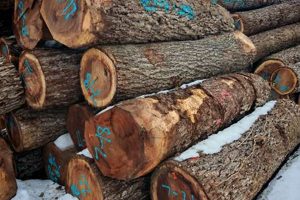
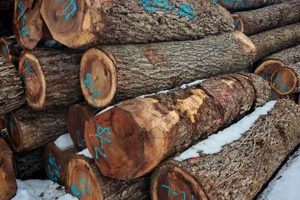
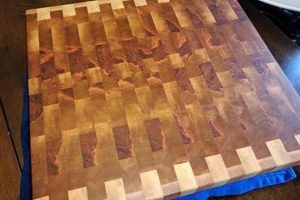
Selected timbers, originating from regions outside typical lumber-producing areas, are frequently employed in artisan crafting. These materials, often distinguished by unique coloration, grain patterns, and physical properties, are utilized in the creation of furniture, cabinetry, musical instruments, and decorative objects. Examples include ebony, known for its density and dark hue, and cocobolo, recognized for its vibrant, multi-toned appearance.
The utilization of these distinctive resources contributes to both the aesthetic appeal and potential value of finished projects. Their durability and resistance to wear can enhance the longevity of creations. Historically, access to and trade of these materials have influenced design trends and reflected global interconnectedness. The selection and proper handling of these resources are critical to achieving desired outcomes and ensuring structural integrity.
The subsequent discussion will delve into specific varieties of these timbers, focusing on their respective characteristics, appropriate applications, and best practices for working with them. Factors such as sourcing considerations, ethical implications, and finishing techniques will also be addressed to provide a well-rounded understanding of this material category within the context of woodworking.
Working with Specialized Timbers
Successful utilization of specialized timbers in artisanry requires careful consideration and adherence to best practices. The following tips offer guidance for achieving optimal results.
Tip 1: Proper Acclimation: Prior to commencement of any project, ensure the timber is acclimated to the environment in which it will ultimately reside. This minimizes the risk of warping, cracking, or other dimensional changes following completion.
Tip 2: Grain Direction Planning: Carefully evaluate grain direction when cutting and joining pieces. Understanding how the grain will react to stress and movement is crucial for structural integrity and aesthetic consistency.
Tip 3: Specialized Cutting Tools: Due to the density and hardness of many specialized timbers, employ sharp, high-quality cutting tools. Carbide-tipped blades and bits are frequently recommended to prevent premature dulling and ensure clean cuts.
Tip 4: Controlled Sanding Techniques: Avoid excessive pressure during sanding. Progress through progressively finer grits to achieve a smooth, uniform surface without introducing scratches or altering the material’s natural color.
Tip 5: Finish Selection and Application: Choose a finish compatible with the specific timber species. Test the finish on a small, inconspicuous area before applying it to the entire project. Multiple thin coats are generally preferable to a single thick coat.
Tip 6: Pre-Drilling for Fasteners: Always pre-drill pilot holes prior to inserting screws or nails. This prevents splitting and ensures a secure, long-lasting connection.
Tip 7: Dust Control: Many species can produce allergenic dust. Wear appropriate respiratory protection and ensure adequate ventilation during sawing, sanding, and other dust-generating operations.
Adhering to these guidelines will contribute to the creation of durable, aesthetically pleasing projects that showcase the inherent beauty and unique characteristics of specialized timbers.
The final segment will explore the ethical and environmental factors associated with sourcing these materials, emphasizing the importance of responsible procurement practices.
1. Aesthetic Qualities

The inherent visual appeal of specialized timbers constitutes a primary driver in their selection for woodworking projects. This encompasses elements such as color variations, intricate grain patterns, and unique figures often absent in domestic species. These qualities directly influence the perceived value and artistic merit of the finished creation. For example, the deep reddish-brown hue and striking figure of quilted maple can transform a plain cabinet into a focal point. Likewise, the swirling grain patterns characteristic of bubinga contribute to the distinctive character of furniture and decorative objects. The deliberate choice of a timber with particular aesthetic attributes is thus a critical component of the design process.
The impact of a timber’s aesthetic qualities extends beyond mere visual appeal. The selected grain orientation can influence how light is reflected, creating subtle variations in texture and tone. The inherent color of the wood can complement or contrast with surrounding elements, influencing the overall ambiance of a space. Furthermore, the presence of natural imperfections, such as knots or mineral streaks, can add character and authenticity to a piece. Consider, for instance, the use of spalted maple, where fungal discoloration creates unique patterns, adding visual interest while potentially compromising structural integrity, demanding careful selection and stabilization techniques.
In conclusion, aesthetic qualities are not merely superficial attributes but fundamental aspects that determine the impact and success of woodworking projects utilizing specialized timbers. The careful consideration and selection of timbers based on their inherent visual characteristics, coupled with appropriate finishing techniques, allows for the creation of pieces that are both functional and aesthetically compelling. The challenge lies in balancing visual appeal with structural requirements and responsible sourcing practices.
2. Material Properties

The inherent physical characteristics of specialized timbers, referred to as material properties, directly dictate their suitability for various woodworking applications. Density, hardness, dimensional stability, and moisture content are key determinants affecting workability, durability, and the final appearance of crafted objects. A dense species, such as lignum vitae, exhibits exceptional resistance to wear, rendering it ideal for demanding applications like bearings or mallet heads. Conversely, a less dense material might be preferable for intricate carvings where ease of shaping is paramount. Understanding these properties enables informed material selection and optimization of woodworking processes.
The practical significance of considering material properties is evident in numerous woodworking scenarios. For instance, selecting a timber with low dimensional stability for a large table top risks warping or cracking due to fluctuations in humidity. Similarly, attempting to machine a species with high silica content can rapidly dull cutting tools. By matching material properties to the intended use and adjusting woodworking techniques accordingly, artisans can mitigate potential problems and ensure the longevity of their creations. The utilization of kiln-dried material is crucial to avoiding checking and deformation, further enhancing stability and workability.
In summary, material properties are intrinsic to the successful utilization of specialized timbers in woodworking. A comprehensive understanding of these characteristics allows for informed material selection, optimized working methods, and ultimately, the creation of durable, aesthetically pleasing, and structurally sound projects. Ignoring these factors can lead to costly mistakes, reduced product lifespan, and compromised artistic integrity. Therefore, integrating knowledge of material properties into every stage of the woodworking process is essential for achieving optimal results.
3. Sourcing Legality

Sourcing legality constitutes a critical component of acquiring specialized timbers for artisan crafting. The extraction and trade of many species are subject to international regulations and national laws designed to protect endangered ecosystems and combat illegal logging. Failure to adhere to these legal frameworks can result in severe penalties, including fines, seizure of materials, and reputational damage. The rise of illegal logging activities, particularly in tropical regions, has led to increased scrutiny of the supply chains for these materials. This has resulted in heightened due diligence requirements for importers and distributors. The Lacey Act in the United States, for example, prohibits the import of illegally sourced plant and timber products.
The consequences of neglecting sourcing legality extend beyond legal repercussions. Utilizing illegally harvested materials contributes to deforestation, habitat destruction, and the displacement of indigenous communities. Responsible woodworking professionals therefore prioritize verifying the origin and legality of their timber purchases. This may involve obtaining certifications, such as those provided by the Forest Stewardship Council (FSC), or conducting independent audits of suppliers. Some specialized timbers are listed under the Convention on International Trade in Endangered Species of Wild Fauna and Flora (CITES), further restricting their trade and requiring specific permits.
In conclusion, sourcing legality is not merely a compliance issue but a fundamental ethical responsibility. By adhering to legal frameworks and promoting sustainable forestry practices, woodworkers contribute to the preservation of biodiversity, the protection of vulnerable communities, and the long-term availability of valuable timber resources. Challenges remain in tracing the origins of certain species and ensuring transparency throughout the supply chain. However, a commitment to due diligence and responsible sourcing practices is essential for the continued viability and integrity of woodworking as a craft.
4. Workability Considerations
Workability considerations are paramount when employing specialized timbers in woodworking projects. The unique physical properties of these materials necessitate careful planning and adaptation of traditional woodworking techniques to achieve desired results. Understanding these challenges is crucial for minimizing waste, ensuring structural integrity, and maximizing the aesthetic potential of these distinctive resources.
- Density and Hardness
Many specialized timbers exhibit significantly higher density and hardness compared to common domestic species. This increased resistance to cutting and shaping requires sharper tools, slower feed rates, and a greater degree of precision. Failure to account for these factors can result in tool dulling, tear-out, and increased operator fatigue. Examples include ebony and lignum vitae, which demand specialized cutting techniques due to their extreme density.
- Grain Direction and Interlocking Grain
Specialized timbers frequently possess complex and unpredictable grain patterns, including interlocking grain. This characteristic can make it challenging to achieve smooth surfaces and clean edges, particularly when planing or shaping against the grain. Careful consideration of grain direction and the use of appropriate cutting angles are essential for minimizing tear-out. Species such as sapele and mahogany are known for their interlocking grain.
- Silica Content and Abrasiveness
Certain specialized timbers contain elevated levels of silica or other abrasive minerals. These minerals can rapidly dull cutting tools and sanding abrasives, increasing the cost of tooling and extending project completion times. The selection of appropriate tool materials and the use of dust collection systems are critical when working with abrasive species. Teak is a notable example of a timber with high silica content.
- Splitting Tendency
Some specialized timbers are prone to splitting, particularly when driving fasteners or during drying processes. Pre-drilling pilot holes and employing gentle clamping techniques are essential for minimizing the risk of splitting. Proper acclimation of the timber to the environment is also crucial for reducing stress and preventing cracking. Species such as purpleheart and wenge can exhibit a tendency to split if not handled carefully.
Addressing these workability considerations is essential for successfully incorporating specialized timbers into woodworking projects. By adapting techniques and utilizing appropriate tools, artisans can overcome these challenges and unlock the unique aesthetic and structural benefits that these materials offer. Ignoring these factors can lead to frustration, wasted materials, and compromised project outcomes.
5. Finishing Techniques
The application of appropriate finishing techniques is integral to realizing the full potential of specialized timbers in woodworking. The inherent characteristics of these materials, such as unique grain patterns, vibrant colors, and variable densities, necessitate careful consideration of finishing options. Incorrect finish selection or application can obscure the wood’s natural beauty, compromise its structural integrity, or fail to provide adequate protection against environmental factors. The primary goal of finishing is to enhance the woods aesthetic appeal while simultaneously safeguarding it from moisture, ultraviolet radiation, and physical abrasion. For instance, the rich color of Padauk is highly susceptible to fading upon exposure to sunlight; therefore, a UV-resistant finish is essential for preserving its vibrancy.
Several factors influence the choice of finishing technique. The wood species itself plays a crucial role; open-pored timbers like wenge require different preparation and finishing methods compared to close-grained woods like ebony. The intended use of the finished piece also dictates the appropriate finish type. Furniture intended for outdoor use necessitates a durable, weather-resistant finish, while interior pieces may benefit from finishes that emphasize aesthetic qualities over durability. The application process itself is also critical. Proper surface preparation, including sanding and cleaning, is essential for achieving a smooth, even finish. Application techniques, such as brushing, spraying, or wiping, must be carefully controlled to avoid imperfections like runs, drips, or brush marks. The use of specific sealers or pore fillers can address the open-grain nature of species such as zebrawood, resulting in a smoother topcoat appearance.
In summary, the successful finishing of specialized timbers demands a nuanced understanding of the interplay between wood characteristics, finish properties, and application techniques. Selecting the appropriate finish and executing the application with precision are essential for maximizing the aesthetic appeal, durability, and longevity of woodworking projects utilizing these distinctive resources. Challenges include the identification of appropriate UV protection, pore-filling materials, and durable clear coats that work with the unique natural properties of each species. Ultimately, a well-executed finish is the culmination of the woodworking process, showcasing the inherent beauty and value of the chosen material.
Frequently Asked Questions
The following questions address common inquiries regarding the use of specialized timbers in woodworking, providing clarification and guidance for practitioners.
Question 1: What constitutes a “specialized timber” within the context of woodworking?
The term generally refers to wood species originating from regions outside traditional lumber-producing areas, often possessing unique characteristics such as distinctive coloration, grain patterns, or physical properties not commonly found in domestic species. Their use adds particular aesthetic or functional value to projects.
Question 2: Are these timbers inherently superior to domestic wood species?
Superiority is subjective and depends on the specific application. These timbers often offer unique aesthetic qualities or enhanced durability, but domestic species can be equally suitable or even preferable for certain projects due to factors such as cost, availability, and sustainability.
Question 3: What are the primary challenges associated with working with these materials?
Challenges include increased hardness and density, complex grain patterns, potential for tear-out, presence of abrasive minerals, and a tendency to split or warp. These factors necessitate specialized tools, techniques, and a greater degree of precision.
Question 4: How does one ensure the ethical and legal sourcing of these timbers?
Verifying the origin and legality of these materials is paramount. This involves obtaining certifications such as FSC, conducting due diligence on suppliers, and adhering to international regulations such as CITES and national laws such as the Lacey Act.
Question 5: What types of finishes are best suited for use on these materials?
The optimal finish depends on the species and intended use. Factors to consider include the wood’s porosity, color stability, and resistance to environmental factors. UV-resistant finishes are often recommended for species prone to fading, while durable, weather-resistant finishes are essential for outdoor applications.
Question 6: Can one use standard woodworking tools and equipment when working with these timbers?
While some standard tools can be employed, specialized tools, such as carbide-tipped saw blades and router bits, are frequently required to effectively cut and shape harder and denser species. Careful tool maintenance and the use of appropriate cutting speeds are also crucial.
In summary, the effective use of specialized timbers in woodworking requires a comprehensive understanding of their unique characteristics, adherence to ethical sourcing practices, and the application of appropriate tools and techniques. These considerations are crucial for achieving optimal results and ensuring the long-term value of finished projects.
The subsequent discussion will address potential misconceptions surrounding the use of specialized timbers in woodworking.
Exotic Wood for Woodworking
This exploration of exotic wood for woodworking has underscored several critical aspects of this specialized area. The selection and utilization of these materials necessitate a comprehensive understanding of aesthetic qualities, material properties, sourcing legality, workability considerations, and finishing techniques. Each element directly impacts project outcomes, ethical responsibilities, and the long-term value of finished pieces. The inherent beauty and unique characteristics of these resources demand a commitment to responsible practices and informed decision-making.
As the demand for distinctive woodworking materials continues, a renewed emphasis on sustainable sourcing and responsible utilization is paramount. The future of exotic wood for woodworking hinges on the collective commitment of artisans, suppliers, and consumers to prioritize ethical practices and environmental stewardship, ensuring these valuable resources remain available for generations to come. Continued education and awareness are essential for navigating the complexities of this field and fostering a sustainable approach to material selection and utilization.