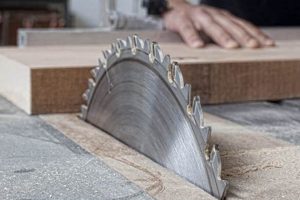
The array of cutting tools employed in shaping wood is extensive, each designed for specific tasks and achieving varied results. These implements range from hand-powered versions relying on human force to motorized options leveraging electrical or combustion power. Selecting the appropriate tool directly impacts efficiency, precision, and the quality of the final product. For example, a fine-toothed tool excels at creating smooth edges, while a coarser one is more efficient at rapid material removal.
The mastery of these tools is fundamental to woodworking. Historically, the choice of which cutting tool to utilize was constrained by availability and cost. However, advancements in manufacturing have expanded the options, enabling woodworkers to achieve increasingly intricate designs and complex joinery. The skillful application of these instruments can significantly reduce material waste, improve joint strength, and enhance the overall aesthetic appeal of crafted pieces.
This article will delve into several key categories of these tools, exploring their distinct features, optimal applications, and the techniques required for safe and effective operation. This includes an examination of hand-operated models, power-driven alternatives, and specialized variations tailored to niche tasks within the craft.
Essential Guidance
The proper selection and utilization of cutting instruments are paramount for achieving successful and professional results. The following guidance highlights key considerations for optimized performance and safe operation.
Tip 1: Blade Selection: Prioritize the appropriate blade type. Finer teeth are suited for delicate cuts and hardwoods, whereas coarser teeth excel at quickly processing softer materials. Ensure compatibility with the tool’s specifications.
Tip 2: Maintaining Sharpness: A sharp cutting edge is crucial for both efficiency and safety. Dull blades require excessive force, increasing the risk of kickback or material damage. Regularly sharpen or replace blades to maintain optimal performance.
Tip 3: Understanding Grain Direction: Cutting with the grain minimizes splintering and produces smoother results. Analyzing the grain pattern before initiating a cut can significantly improve the quality of the finish.
Tip 4: Proper Support: Securely clamping or supporting the workpiece prevents movement and ensures accurate cuts. Use appropriate jigs or fixtures for added stability and control.
Tip 5: Speed and Pressure: Apply consistent pressure and appropriate speed. Forcing the tool can lead to inaccurate cuts and increased risk of injury. Allow the tool to do the work without excessive force.
Tip 6: Safety Precautions: Always wear appropriate safety gear, including eye protection and hearing protection. Ensure the workspace is well-lit and free from obstructions before commencing work.
Tip 7: Tool Maintenance: Regularly clean and lubricate. Proper maintenance extends the lifespan of the tools and ensures consistent performance.
Adhering to these guidelines enhances both the quality and safety of woodworking endeavors. Careful consideration of these factors leads to more precise, efficient, and enjoyable crafting experiences.
The next section will explore specific applications and advanced techniques relevant to different project requirements.
1. Blade Tooth Geometry

Blade tooth geometry is a critical determinant in the performance characteristics of cutting tools in woodworking. The configuration of teeth directly influences the cutting speed, the smoothness of the cut, and the material suitability of a specific cutting tool. Variations in tooth angle, set, and pitch contribute to the functional diversity observed across different types.
- Tooth Pitch and TPI (Teeth Per Inch)
Tooth pitch, or TPI, refers to the density of teeth along the cutting edge. A higher TPI results in a finer cut, ideal for hardwoods and intricate work, while a lower TPI facilitates faster material removal in softer woods. A coping tool, for instance, features a high TPI blade for precise curves, contrasting with a rip implements, which employs a lower TPI for efficient longitudinal cuts.
- Tooth Angle (Rake Angle)
The tooth angle, also known as the rake angle, affects the aggressiveness of the cut. A positive rake angle is more aggressive, suitable for softer materials, while a negative or neutral rake angle provides a smoother, less aggressive cut, often preferred for hardwoods and delicate operations. Consider a crosscut implements using a more neutral rake for clean cuts across the wood grain compared to a rip implements featuring a steeper, more positive rake for faster cutting along the grain.
- Tooth Set
The tooth set describes the offset of teeth from side to side, creating a kerf (the width of the cut) wider than the blade’s body. This prevents binding and reduces friction. Different setting patterns, such as raker set, wave set, and alternate set, optimize performance for specific applications. For example, a hand implements typically has an alternate set, while some specialized implements might utilize a wave set for smoother cuts.
- Gullet Size and Shape
The gullet is the space between teeth that collects and removes material as it cuts. A larger gullet is more efficient at removing waste, preventing clogging when working with thicker materials or making deep cuts. Different shapes and sizes of gullets are optimized for different material and applications. For example, a rip implements will have large gullets for efficient waste removal when cutting along the grain.
In summary, blade tooth geometry is a fundamental element differentiating one tool from another. The interplay of tooth pitch, angle, set, and gullet design dictates its optimal application. The carpenter must be aware of these considerations to select the most suitable cutting tool, maximizing both efficiency and quality of the woodworking project.
2. Power Source Options

The method of power delivery significantly influences the functionality and application of diverse implements used in woodworking. The choice of power source impacts portability, power output, precision, and the overall suitability of a cutting tool for specific tasks. These choices range from human-powered hand tools to electrically driven and pneumatically operated devices.
- Manual Power (Hand Tools)
Human-powered implements offer control and precision, particularly suitable for delicate work and intricate cuts. These tools are portable and do not require electricity, enabling their use in remote locations. Examples include hand implements, coping implements, and dovetail implements. The limitations of manual power are the physical exertion required and the reduced cutting speed compared to motorized options.
- Electric Power (Corded)
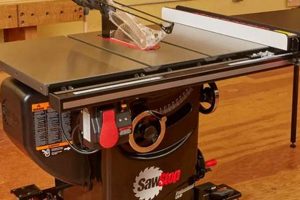
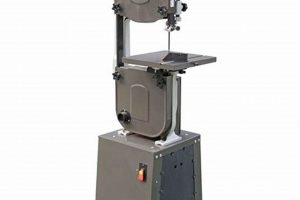
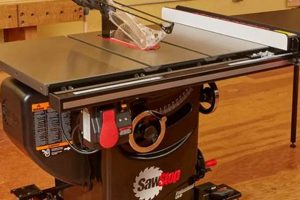
Electrically corded implements provide consistent power and are suitable for stationary workshop applications. Table implements, miter implements, and band implements are often corded, offering reliable performance for heavy-duty tasks. Corded power offers a constant power supply, but the limited mobility due to the cord can be a constraint in certain workspaces.
- Electric Power (Cordless)
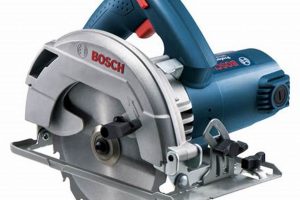
Cordless, battery-powered implements combine the benefits of electrical power with portability. These tools utilize rechargeable batteries, offering convenience and flexibility on job sites. Circular implements, reciprocating implements, and jigsaws are commonly available in cordless versions. The limitations include battery life and potential variations in power output as the battery discharges.
- Pneumatic Power (Air-Powered)
Air-powered implements, driven by compressed air, are known for their high power-to-weight ratio and durability. These tools are often used in industrial settings and for specialized applications, such as air-powered nailers and staplers. The requirement for an air compressor and air lines can limit mobility, but they offer consistent and high-torque performance.
In summary, the power source is a fundamental characteristic that defines the capabilities and limitations of cutting instruments in woodworking. Each option presents distinct advantages and disadvantages, influencing the selection process based on the specific requirements of the project and the working environment. The move toward cordless options offers enhanced convenience, while corded and pneumatic versions continue to provide dependable and high-power operation in stationary or industrial contexts.
3. Cutting Motion Variety

The operational method of a cutting tool, defined by its motion during material removal, directly determines its suitability for specific woodworking tasks. This variance, termed “Cutting Motion Variety,” is a fundamental characteristic differentiating implements and dictating their effectiveness. The selection of a tool with a particular motion is predicated upon the desired cut type, material properties, and project requirements. Understanding this connection enhances both efficiency and precision.
Consider the contrast between a reciprocating and a rotary cutting motion. A reciprocating tool, such as a jigsaw or reciprocating tool, employs a back-and-forth movement, useful for curved cuts or demolition work. The limited blade exposure and variable speed capabilities contribute to its versatility. Conversely, a rotary tool, exemplified by a circular tool or table tool, utilizes a spinning blade to create straight, consistent cuts. This motion provides greater speed and efficiency for tasks like ripping lumber or cutting sheet goods. Another variation is the linear motion observed in hand implements. Here, the user manually draws the blade across the workpiece, permitting fine control for joinery or intricate shaping. The type of motion directly causes specific cutting characteristics and influences the ultimate application of that tool.
In summary, the motion inherent to a cutting instrument is not an arbitrary feature, but an integral design element that dictates its optimal use. Whether reciprocating, rotary, or linear, the motion is inextricably linked to the intended application and expected outcome. Mastery of woodworking necessitates a comprehension of these diverse motions and their respective strengths and weaknesses to ensure correct tool selection and optimal results.
4. Material Capacity Range
The material capacity range of a woodworking implement directly dictates the size and type of workpiece it can effectively process. This specification, encompassing the maximum thickness and dimensions a tool can cut, is a critical determinant in selecting the appropriate implement for a given task. Failure to adhere to these limitations can result in substandard cuts, damage to the tool, or potential safety hazards. Therefore, understanding and respecting a tool’s material capacity is fundamental for successful woodworking outcomes.
Consider a bandsaw, designed for handling thicker stock and intricate curves. Its generous material capacity allows it to cut through lumber several inches thick, a feat impossible for many smaller hand implements or jigsaws. Conversely, a thin-kerf Japanese pull implements excels at precision cuts in thinner materials, where its fine blade and controlled action minimize material waste. The incompatibility of attempting to cut a thick timber with a coping implements, due to its limited throat depth, exemplifies the importance of matching material size to the implements’ capabilities. Table implements demonstrate versatility by accommodating larger sheet goods for cabinet making, while miter implements are specialized for precise angle cuts on framing materials, each tool optimized for specific dimensional requirements.
In conclusion, material capacity range forms an essential bridge between the available range of cutting tools and the demands of a particular woodworking project. The selection of an appropriate implement requires careful consideration of these dimensional limitations, aligning the tool’s capabilities with the intended material and cut. This alignment is crucial not only for achieving desired results but also for ensuring safe and effective operation, preserving both the integrity of the workpiece and the longevity of the tool.
5. Application-Specific Design
Application-specific design in woodworking dictates the specialized features and characteristics of various cutting instruments, tailoring them for precise tasks and materials. This design philosophy acknowledges that no single implement can effectively address the diverse range of cutting needs, thus necessitating a spectrum of tools, each optimized for specific applications.
- Joinery Implement Design
Joinery techniques, such as dovetails or mortise-and-tenon joints, demand precision and control. Implements like dovetail implements or Japanese pull implements are designed with fine teeth, thin blades, and ergonomic handles to facilitate accurate cuts in confined spaces. The narrow kerf minimizes material waste, while the controlled cutting action allows for tight-fitting joints. Their designs are not intended for rough stock removal, but for meticulous shaping essential to robust and aesthetically pleasing joinery.
- Curve-Cutting Implement Design
Creating curved shapes in woodworking requires implements capable of navigating intricate contours. Jigsaws and coping implements feature narrow blades and mechanisms allowing for controlled directional changes. Their designs prioritize maneuverability over cutting speed or thickness capacity. The adjustable speed settings on jigsaws and the pivoting frame on coping implements enable woodworkers to achieve precise and smooth curves, essential in furniture making or decorative work.
- Rip and Crosscut Implement Design
Rip cuts (along the grain) and crosscuts (across the grain) necessitate different blade geometries for optimal efficiency and finish quality. Rip implements have teeth designed to chisel away material quickly along the grain, while crosscut implements are designed to sever wood fibers cleanly across the grain. The tooth angle, gullet size, and set vary significantly between these implement types, reflecting their distinct cutting requirements. Failure to use the appropriate implements type for the cut results in slower progress and increased tear-out.
- Material-Specific Implement Design
Certain materials demand specialized cutting solutions. For example, cutting hardwoods requires implements with hardened teeth and robust construction to withstand the increased resistance. Similarly, implements designed for cutting plywood or laminates often feature tooth patterns that minimize splintering and chipping. Diamond-tipped blades are utilized for abrasive materials like carbon fiber or certain composites, extending the lifespan of the implements and maintaining cutting accuracy.
The principle of application-specific design underscores the comprehensive diversity within implements used in woodworking. Recognizing these distinctions allows woodworkers to select the most appropriate instrument for each task, optimizing efficiency, precision, and ultimately, the quality of the final product. The specialized nature of each design highlights that woodworking is a nuanced craft requiring a diverse toolkit and a deep understanding of the capabilities of each instrument.
Frequently Asked Questions About Cutting Tools in Woodwork
This section addresses common inquiries related to the selection and utilization of cutting instruments, offering clarifications and insights to enhance understanding.
Question 1: What are the primary differentiating factors between rip and crosscut models?
Rip instruments are designed to cut along the grain of wood, featuring teeth with a more aggressive angle for efficient material removal. Crosscut instruments, conversely, are intended for cutting across the grain, incorporating teeth with a steeper bevel for severing wood fibers cleanly. Selection depends on the orientation of the cut relative to the wood grain.
Question 2: How does the number of teeth per inch (TPI) affect the cutting performance?
A higher TPI indicates a greater number of teeth per inch, resulting in a finer, smoother cut, often preferable for hardwoods and detailed work. Lower TPI blades possess fewer teeth per inch, facilitating faster material removal in softer woods but producing a rougher finish. The appropriate TPI is contingent upon the material’s density and the desired cut quality.
Question 3: What are the advantages and disadvantages of using cordless, battery-powered tools?
Cordless tools offer enhanced portability and convenience, eliminating the restriction of power cords. However, they are limited by battery life and may experience diminished power output as the battery discharges. Corded implements provide consistent power but restrict mobility due to the cord.
Question 4: How important is blade sharpness in maintaining both safety and cut quality?
Blade sharpness is paramount for safety and cut quality. Dull blades require increased force, elevating the risk of kickback and potential injury. Sharp blades reduce the effort required, producing cleaner cuts and minimizing material damage. Regular maintenance and sharpening are essential.
Question 5: What is the purpose of tooth set and how does it impact cutting efficiency?
Tooth set refers to the offset of teeth from side to side, creating a kerf wider than the blade’s body. This prevents the blade from binding within the cut, reducing friction and improving cutting efficiency. Different set patterns are optimized for various applications and materials.
Question 6: What safety precautions are crucial when operating power-driven instruments?
Adherence to safety protocols is paramount. Always wear appropriate eye and ear protection. Ensure adequate lighting and a clear workspace. Securely clamp the workpiece to prevent movement. Never override safety guards or mechanisms. Understand the tool’s operating instructions thoroughly before use.
Mastery of these implements requires understanding their mechanics, maintenance, and safety aspects. This ensures not only the longevity of the tools but also the creation of high-quality woodworking projects.
The following section will examine case studies demonstrating applications of different implements in complex woodworking scenarios.
Different Saws in Woodwork
This exposition has illuminated the diverse array of implements employed in shaping wood, emphasizing the critical role each instrument plays in achieving specific outcomes. Blade geometry, power source, cutting motion, material capacity, and application-specific design are key considerations in selecting the optimal cutting tool for a given task. Mastery of these elements allows the woodworker to realize intricate designs and complex joinery with precision and efficiency.
The selection and skillful application of different saws in woodwork directly impact the quality and longevity of finished pieces. Continued exploration of these tools and techniques is crucial for advancing the craft and fostering innovation in woodworking. Further, a commitment to safety and continuous learning will ensure a lasting legacy of craftsmanship.