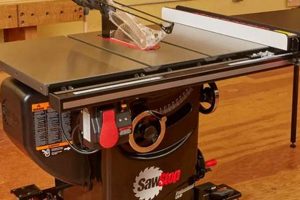
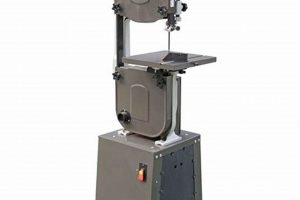
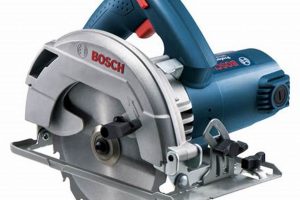
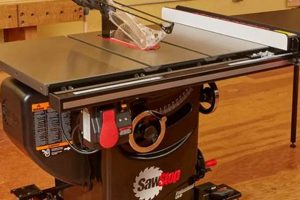
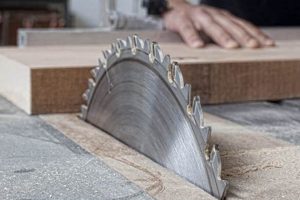
The array of cutting tools pivotal to shaping and manipulating wood are critical implements for any woodworking endeavor. These tools, each designed for specific cuts, materials, and precision levels, enable craftspeople to execute a wide range of projects, from rough shaping to intricate detailing. A well-curated selection forms the foundation of any efficient and capable woodworking shop.
Proficiency in woodworking relies heavily on the availability of the right tool for the task. Selecting the appropriate cutting implement ensures accuracy, minimizes material waste, and enhances the overall quality of the finished product. Historically, these instruments have evolved from rudimentary hand tools to sophisticated power tools, mirroring advancements in materials science and engineering, constantly influencing design capabilities and production speed.
To effectively navigate the diverse world of woodworking, understanding the characteristics and applications of various saws is paramount. The following sections will delve into specific types, exploring their strengths, limitations, and ideal use cases to provide a comprehensive guide to selecting the best tool for specific woodworking needs.
Essential Saws for Woodworking
Selecting and maintaining cutting implements is crucial for achieving precision and efficiency in woodworking projects. The following tips offer guidance on optimizing the use of these tools to enhance craftsmanship and ensure longevity.
Tip 1: Blade Selection Matters: Choosing the appropriate blade for the wood type is critical. Finer teeth are generally preferred for hardwoods to prevent splintering, while coarser teeth are suitable for softer woods. Always consult blade specifications before commencing a cut.
Tip 2: Maintain Sharpness: A dull blade requires more force, increasing the risk of injury and producing rough cuts. Regularly sharpen blades using appropriate tools and techniques, or replace them when sharpening is no longer effective.
Tip 3: Proper Cutting Technique: Employ steady, controlled motions and avoid forcing the saw through the wood. Let the blade do the work, and maintain a consistent cutting angle for accurate results.
Tip 4: Secure Workpiece: Ensure the workpiece is firmly clamped or secured to a stable surface. This prevents movement during cutting, reducing the risk of errors and accidents.
Tip 5: Dust Extraction: Equip power saws with dust collection systems to improve visibility and maintain a cleaner work environment. This also reduces the risk of respiratory irritation from sawdust.
Tip 6: Consider Cordless Options: Cordless power saws offer enhanced portability and maneuverability, particularly for outdoor or remote projects. Ensure batteries are fully charged before starting work.
Tip 7: Safety First: Always wear appropriate safety gear, including eye protection, hearing protection, and a dust mask. Familiarize yourself with the manufacturer’s safety guidelines before operating any power tool.
Mastering these techniques and adhering to safety protocols ensures that essential saws serve their purpose effectively, producing high-quality woodworking outcomes. The selection and application of appropriate cutting implements are key components in achieving accurate and efficient results.
By integrating these insights into your woodworking practices, you elevate both the precision of your work and the safety of your work environment. This knowledge serves as a cornerstone for continued skill development and refined woodworking techniques.
1. Types of cuts

The specific type of cut required for a woodworking project dictates the selection of appropriate cutting implements. Different types of cuts necessitate tools with distinct capabilities in terms of blade geometry, cutting action, and control.
- Rip Cuts
Rip cuts involve cutting along the grain of the wood. Saws designed for this purpose, such as rip saws and table saws equipped with rip blades, feature teeth designed to efficiently sever the wood fibers running parallel to the cut. The teeth are typically larger and set wider to remove material quickly and prevent binding.
- Crosscuts
Crosscuts involve cutting perpendicular to the grain of the wood. Saws optimized for crosscutting, such as crosscut saws and miter saws, possess teeth that are smaller and more closely spaced than those used for rip cuts. This configuration produces a cleaner cut across the wood fibers, minimizing splintering and tear-out.
- Curved Cuts
Curved cuts demand a saw capable of navigating intricate shapes. Jigsaws, bandsaws, and coping saws are commonly employed for this purpose. These saws feature narrow blades that allow for tight turns and precise following of curved lines. The blade type and speed must be adjusted according to the wood species and curve radius.
- Joinery Cuts
Joinery cuts, such as dovetails, mortise and tenons, and rabbets, necessitate a high degree of precision and control. Specialized saws like dovetail saws, backsaws, and joinery planes are preferred for these tasks. These tools are designed to create tight-fitting joints that provide structural integrity and aesthetic appeal.
The correlation between the desired type of cut and the selection of appropriate tools is paramount in woodworking. Employing the correct cutting implement not only enhances the efficiency and accuracy of the process but also contributes to the overall quality and longevity of the finished product. Selecting specific types of saws depends on the types of cuts needed.
2. Blade characteristics

The performance of any cutting tool in woodworking hinges critically on the characteristics of its blade. These characteristicsincluding blade material, tooth geometry, tooth count (TPI), blade thickness, and setdirectly influence the saws cutting speed, precision, smoothness of cut, and suitability for specific wood types and applications. A poorly chosen blade can lead to inefficient cutting, increased material waste, and even damage to the workpiece. For example, using a blade with coarse teeth (low TPI) on hardwood is likely to result in excessive splintering and a rough finish. Conversely, attempting to rip thick hardwood with a thin, high-TPI blade designed for crosscutting could lead to overheating, binding, and a compromised cut.
Selecting the appropriate blade necessitates a thorough understanding of these characteristics. High-speed steel (HSS) blades offer durability and heat resistance, making them suitable for demanding applications and harder materials. Carbide-tipped blades further extend blade life and maintain sharpness for prolonged periods, particularly when working with abrasive woods or composites. The geometry of the teeth, whether designed for ripping, crosscutting, or general-purpose use, dictates the efficiency and quality of the cut. The tooth set, the degree to which teeth are bent outward from the blade body, determines the width of the kerf (cut) and affects the saws ability to clear sawdust, prevent binding, and maintain a straight cut line. A saw with excellent motor power and proper design will be limited if the blade characteristics are not taken into consideration.
In summary, blade characteristics are inseparable from the overall functionality of woodworking implements. A meticulous understanding of blade material, tooth geometry, TPI, thickness, and set is vital for matching the right tool to the right task. Neglecting this understanding introduces unnecessary challenges and compromises the potential for achieving optimal results in woodworking projects. Ensuring proper blade selection is essential for safe, efficient, and precise woodworking.
3. Power vs. Hand

The decision between utilizing powered cutting implements and hand-operated versions significantly impacts woodworking outcomes. This choice dictates not only the speed and efficiency of the cutting process, but also the level of control, precision, and the types of projects that are feasible. Powered implements are typically employed for tasks requiring rapid material removal and consistent accuracy over long cuts. For instance, constructing large furniture pieces or milling lumber benefits from the speed and capacity of a table saw or a circular saw. Conversely, hand implements excel in situations demanding intricate detailing and a tactile connection with the material. Delicate joinery work, such as dovetailing or creating precise moldings, often relies on the control and feel afforded by hand saws.
The effectiveness of each approach is further influenced by the wood type, project scale, and desired finish. Hardwoods, while requiring more force, often yield cleaner results when cut with a hand saw due to the user’s ability to control the cutting speed and angle. Conversely, softwoods can be quickly and efficiently processed using power saws. The physical demands of hand sawing limit the scale of projects that can be realistically undertaken, whereas power saws enable the fabrication of larger and more complex structures. The choice between power and hand is deeply personal.
Ultimately, understanding the strengths and limitations of both powered and hand-operated instruments is critical for any woodworker. Selecting the appropriate tool for a given task necessitates a careful consideration of the specific requirements of the project, the material properties of the wood, and the desired level of precision and control. A balanced approach, integrating both powered and hand-operated tools, often leads to the most efficient and satisfying results. It is important to understand and know what essential saws are for your woodworking task.
4. Wood type

The selection of appropriate cutting implements in woodworking is inextricably linked to the specific type of wood being processed. The density, grain structure, and resin content of different wood species necessitate distinct blade geometries, cutting speeds, and saw designs to achieve optimal results. Neglecting to consider wood type leads to inefficient cutting, increased material waste, and compromised finish quality.
- Hardness and Tooth Count
Hardwoods, such as oak, maple, and cherry, require blades with a higher tooth count (TPI) to produce clean cuts and minimize splintering. The increased number of teeth reduces the amount of material removed per tooth, resulting in a smoother finish. Using a low-TPI blade on hardwood often results in tear-out and a rough surface. Conversely, softwoods, like pine, fir, and cedar, can be efficiently cut with blades featuring fewer teeth, facilitating faster material removal without sacrificing cut quality. A saw designed with this in mind is important.
- Grain Direction and Rip vs. Crosscut Saws
The direction of the wood grain significantly influences the type of saw best suited for a particular cut. Rip cuts, made parallel to the grain, benefit from saws with teeth designed to sever the long fibers effectively. Crosscuts, made perpendicular to the grain, require saws with teeth that slice through the fibers to minimize splintering. For example, a rip saw blade on a table saw is ideal for cutting long boards along the grain, while a crosscut blade on a miter saw is better suited for making precise angle cuts across the grain.
- Resin Content and Blade Material
Woods with high resin content, such as pine and cedar, tend to clog saw blades, reducing cutting efficiency and increasing heat buildup. Carbide-tipped blades are particularly advantageous when working with resinous woods due to their superior heat resistance and ability to maintain sharpness for extended periods. Regular cleaning of the blade is also essential to prevent resin buildup from impeding the cutting process.
- Exotic Woods and Specialized Saws
Exotic woods, characterized by their unique density, grain patterns, and potential for containing abrasive compounds, often require specialized cutting implements. For instance, when working with ebony or teak, a fine-toothed saw with hardened steel or carbide-tipped blades is essential to achieve clean cuts and prevent premature wear on the blade. In some cases, hand saws may offer greater control when processing delicate or highly figured exotic woods.
Therefore, a comprehensive understanding of wood types and their corresponding material properties is fundamental to selecting the appropriate saws for woodworking tasks. Optimizing tool selection based on wood characteristics not only improves the efficiency and quality of the cutting process but also extends the life of the implements and enhances overall woodworking outcomes.
5. Safety features

The integration of safety features into cutting implements is paramount for mitigating risks inherent in woodworking. These features are not merely add-ons but integral components of saws, designed to protect the operator from potential hazards and promote a safer working environment. The functionality and proper use of these features directly impact the likelihood of accidents and injuries when using essential saws.
- Blade Guards and Covers
Blade guards and covers serve as physical barriers, preventing accidental contact with the rotating blade. These mechanisms, often automatically retracting during operation and covering the blade when idle, significantly reduce the risk of lacerations and amputations. For example, table saws typically feature blade guards that enclose the blade while allowing the workpiece to pass through. Proper adjustment and maintenance of these guards are crucial for ensuring their effectiveness. They should never be removed or disabled.
- Anti-Kickback Mechanisms
Kickback, a sudden and forceful ejection of the workpiece during sawing, is a major cause of injury. Anti-kickback mechanisms, such as riving knives and pawls, are designed to prevent the workpiece from binding or lifting off the table, thereby minimizing the risk of kickback. Riving knives maintain a consistent gap behind the blade, while pawls grip the wood to prevent it from moving backward. Regular inspection and proper adjustment of these mechanisms are essential for their reliable operation.
- Emergency Stop Controls
Emergency stop controls provide a means to immediately halt the operation of the saw in the event of an emergency. These controls, typically large, easily accessible buttons or levers, allow the operator to quickly shut down the saw without having to search for the power switch. Their strategic placement within easy reach is crucial for rapid response in critical situations. Regularly testing the functionality of emergency stop controls ensures their readiness when needed.
- Dust Collection Systems
Dust collection systems, integrated into many power saws, are essential for maintaining a clean and healthy working environment. These systems remove sawdust and wood particles from the air, reducing the risk of respiratory irritation and improving visibility. Proper filtration and regular emptying of dust collection bags are necessary to maintain the system’s effectiveness. Furthermore, reducing dust accumulation minimizes the risk of fire hazards in the workshop.
The implementation and diligent maintenance of these safety features are indispensable for the safe and effective utilization of essential saws. These features, when properly employed, contribute significantly to minimizing risks, preventing injuries, and fostering a secure woodworking environment. Prioritizing safety through the use of these integrated mechanisms is paramount in any woodworking operation.
6. Maintenance Needs

The longevity and optimal performance of cutting implements are directly contingent on consistent and appropriate maintenance. Cutting implements, regardless of their design or application, are subject to wear and degradation, impacting their precision and safety if neglected. This necessitates a proactive approach to maintenance, encompassing cleaning, sharpening, lubrication, and component inspection. The frequency and intensity of maintenance tasks correlate directly with usage patterns and the materials processed.
A practical example underscores this relationship: a table saw, integral to many woodworking operations, requires regular cleaning to remove sawdust accumulation, preventing overheating and ensuring smooth operation of moving parts. Blades require periodic sharpening to maintain cutting efficiency, and the flatness of the table surface must be verified and adjusted to ensure accuracy. Neglecting these tasks can result in inaccurate cuts, increased risk of kickback, and ultimately, reduced lifespan. Similarly, hand tools, while less prone to mechanical failure, demand meticulous care. Hand saws require periodic sharpening and setting of the teeth to maintain their cutting efficiency. Proper storage is also vital, protecting them from rust and physical damage.
In conclusion, maintenance is not a peripheral consideration but an integral component of utilizing essential saws. Consistent adherence to recommended maintenance practices ensures the safety, accuracy, and longevity of these tools, ultimately enhancing the quality and efficiency of woodworking projects. The lack of proper tool care is a compromise of safety and financial investment.
7. Project complexity

The level of intricacy inherent in a woodworking undertaking directly dictates the range and type of cutting implements required. Project complexity, encompassing factors such as the number of components, the precision of joinery, and the diversity of materials, necessitates a careful selection of appropriate tools to ensure accuracy, efficiency, and structural integrity.
- Number of components and Required Saws
A project involving numerous individual components often demands a variety of implements to efficiently process the different elements. A simple box might only require a basic hand saw or a miter saw for cutting the sides to length. Conversely, a complex cabinet with multiple drawers, doors, and intricate moldings necessitates a table saw for dimensioning sheet goods, a band saw for shaping curved elements, a dovetail saw for joinery, and possibly a coping saw for fitting intricate details. The sheer volume of cuts in a larger project often justifies the investment in power saws to expedite the process without sacrificing accuracy.
- Joinery Type and Precision Cutting
The choice of joinery significantly influences the selection. Simple butt joints can be adequately executed with basic saws, while more complex joints, such as dovetails, mortise and tenons, or finger joints, demand specialized implements. Dovetail saws, with their fine teeth and precise control, are essential for creating tight-fitting dovetail joints. Mortise and tenon joints may require a mortising machine or a combination of saws and chisels for accurate execution. The level of precision required directly correlates with the need for specialized, high-quality instruments.
- Material Diversity and Specialized Blades
Projects incorporating a variety of materials, such as hardwoods, softwoods, plywood, and composites, often necessitate the use of different blades and saw types to achieve optimal results. Cutting plywood requires a blade with a high tooth count to minimize splintering, while cutting hardwoods may demand a blade with a different tooth geometry to prevent tear-out. Some composite materials may require specialized blades designed to reduce chipping and prolong blade life. The selection must consider these material-specific requirements.
- Scale and Ergonomics
Larger-scale projects may require power saws for efficient material processing, while smaller, more delicate projects may be better suited to hand saws for increased control and precision. The ergonomic considerations of saw selection also become more important with increasing project scale. Extended use of a poorly designed or ill-suited saw can lead to fatigue and potential injury. Selecting implements that are comfortable to use and appropriate for the scale of the project enhances both efficiency and safety.
In summary, project complexity serves as a primary driver in determining the appropriate suite of cutting implements required for woodworking. By carefully considering the number of components, joinery type, material diversity, and project scale, woodworkers can select the tools best suited to the task, ensuring accuracy, efficiency, and a high-quality finished product. Therefore, it is important to choose tools or essential saws that match the project complexity.
Frequently Asked Questions
This section addresses common inquiries regarding cutting implements used in woodworking, providing detailed and objective answers to enhance understanding and facilitate informed tool selection.
Question 1: What constitutes an “essential” saw for woodworking?
The classification of a tool as “essential” denotes its versatility and broad applicability across diverse woodworking tasks. Such tools typically possess the capability to perform fundamental cuts, such as ripping, crosscutting, and basic shaping, making them indispensable for a wide range of projects.
Question 2: How does blade selection affect the quality of the cut?
Blade selection directly influences the smoothness, precision, and efficiency of the cut. Factors such as tooth count, tooth geometry, and blade material must be carefully considered based on the wood type and the specific type of cut being performed. Inappropriate blade selection can lead to splintering, tear-out, and increased effort.
Question 3: What is the primary difference between a rip saw and a crosscut saw?
The primary distinction lies in the tooth geometry. Rip saws feature teeth designed to sever wood fibers running parallel to the grain, while crosscut saws possess teeth optimized for slicing fibers perpendicular to the grain. Using the incorrect type will result in inefficient cutting and a lower quality finish.
Question 4: Are power saws always superior to hand saws?
The superiority of power versus hand implements is context-dependent. Power saws offer speed and efficiency for large-scale projects, while hand saws provide greater control and precision for intricate tasks and delicate materials. The optimal choice depends on the specific demands of the project.
Question 5: How critical is maintenance for saws used in woodworking?
Maintenance is paramount for ensuring the safety, accuracy, and longevity of cutting implements. Regular cleaning, sharpening, and inspection of components are essential for maintaining optimal performance and preventing accidents. Neglecting maintenance can lead to reduced efficiency, increased risk of injury, and premature tool failure.
Question 6: What safety precautions are essential when operating cutting implements?
Essential safety precautions include wearing appropriate eye and ear protection, using blade guards and anti-kickback devices, ensuring proper workpiece support, and maintaining a clear and unobstructed work area. Familiarity with the tool’s operating manual and adherence to established safety protocols are indispensable for preventing accidents and injuries.
The selection and maintenance of appropriate cutting implements are integral to successful woodworking. A comprehensive understanding of the characteristics, applications, and safety protocols associated with diverse cutting implements is crucial for achieving precise and efficient results.
This information provides a foundation for selecting the optimal tools for specific woodworking needs. The subsequent section will explore advanced techniques for enhancing precision and efficiency in woodworking.
Essential Saws for Woodworking
The preceding exploration has elucidated the critical role of cutting implements in woodworking. The selection, application, and maintenance of the right saws, matched to specific tasks and materials, are foundational to achieving precision, efficiency, and safety. From the broad categorization of hand versus power tools to the nuanced characteristics of blade geometry and tooth count, a comprehensive understanding of these implements is indispensable for any woodworking endeavor. The information provided serves as a resource for making informed decisions, optimizing work processes, and ensuring the longevity of valuable tools.
The pursuit of excellence in woodworking necessitates a commitment to continuous learning and refinement of technique. The proper utilization and maintenance of these instruments are not mere suggestions but fundamental requirements for realizing woodworking goals. Continued diligence in this area will not only improve the quality of finished products but also contribute to a safer and more fulfilling experience in the craft.