Powered cutting tools significantly enhance efficiency and precision in shaping wood. These tools employ various blade designs and operating mechanisms to achieve different cuts and accommodate diverse project requirements. Selecting the appropriate equipment is critical for achieving desired outcomes in joinery, furniture making, and other wood-related endeavors.
The application of mechanized cutting devices has revolutionized the field of woodworking. They offer increased speed, accuracy, and repeatability compared to manual methods. From initial stock preparation to intricate detailing, these instruments facilitate project completion while reducing physical exertion. Their development has also enabled the creation of more complex and sophisticated designs.
A range of specialized instruments addresses specific cutting needs. Circular, reciprocating, and band-style mechanisms form the basis for numerous variations. Each type offers unique advantages in terms of cut capacity, accuracy, and material handling, influencing their suitability for particular tasks. The following sections detail several common varieties used in shops and on job sites.
Guidance on Power Cutting Instruments
Effective utilization necessitates a thorough understanding of equipment capabilities and limitations. Safety protocols and proper technique are paramount for optimal results and injury prevention.
Tip 1: Blade Selection: Select the appropriate blade for the material being cut. Wood species, thickness, and desired cut quality influence blade choice. A fine-toothed blade minimizes splintering on delicate hardwoods.
Tip 2: Maintain Blade Sharpness: Dull blades increase the risk of kickback and produce rough cuts. Regular sharpening or replacement ensures efficient and safe operation.
Tip 3: Secure Workpiece: Prior to commencing any cut, securely clamp the workpiece to a stable surface. Unsecured materials present a hazard and compromise cut accuracy.
Tip 4: Follow Manufacturer Guidelines: Adhere strictly to the operating instructions and safety precautions outlined in the tool’s manual. Deviations from recommended procedures can lead to equipment damage or injury.
Tip 5: Use Push Sticks and Featherboards: Employ push sticks and featherboards to maintain control of the workpiece while keeping hands clear of the blade. These accessories enhance safety and improve cut precision.
Tip 6: Dust Collection: Integrate a dust collection system to minimize airborne particulate matter. Prolonged exposure to sawdust poses respiratory health risks.
Tip 7: Perform Regular Maintenance: Routine maintenance, including cleaning and lubrication, extends the lifespan of equipment and ensures reliable performance.
Mastering these instruments requires consistent practice and a commitment to safety. Adherence to these guidelines enhances the user’s ability to achieve professional-quality results.
The concluding section will summarize key considerations when selecting and operating these vital tools.
1. Circular

The circular design represents a foundational element among the various instruments employed in the art of woodcraft. Its widespread adoption stems from its efficiency in performing straight cuts across diverse wood types and thicknesses.
- Blade Characteristics and Material Interaction
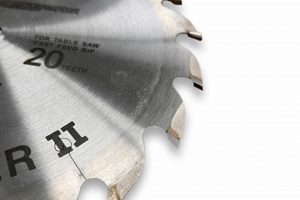
The configuration of the circular blade, including its diameter, tooth count, and kerf, dictates its performance characteristics. A higher tooth count yields smoother cuts but reduces cutting speed. The blade’s material composition, such as carbide-tipped teeth, determines its durability and suitability for different species and engineered wood products.
- Operational Mechanics and Safety Considerations
The rotational force applied to the blade necessitates stringent safety protocols. Proper guarding, blade selection, and feed rate are crucial for preventing kickback and ensuring operator safety. The speed at which the blade rotates correlates directly with the cutting efficiency, but it also influences the risk of burning or splintering the wood.
- Applications in Woodworking
The application ranges from ripping boards to crosscutting lumber to creating dadoes and rabbets when used with appropriate accessories. Its versatility makes it a mainstay in both professional workshops and home-based settings, addressing a wide spectrum of tasks.
- Types of Circular and Technological Advancements
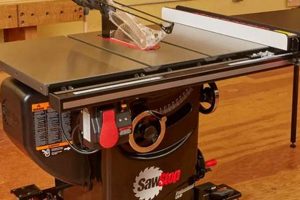
Variety of options, including table, handheld, and track. Each delivers specific performance capabilities. Recent advancements include brushless motors for enhanced power and battery-powered models for increased mobility. The choice depends upon the project requirements, budget constraints, and preference.
The fundamental principles governing its operation remain consistent, ensuring its continued relevance. Selection and utilization demand a comprehensive awareness of its characteristics and limitations.
2. Reciprocating
The reciprocating mechanism distinguishes a particular subset of tools within the broader categorization. Unlike rotary instruments, this variant employs a back-and-forth motion to achieve material separation. The consequences of this operational difference impact the type of cuts achievable, the materials that can be processed, and the overall application in wood-related tasks. The tool’s capacity for plunge cutting and demolition work, for example, makes it uniquely suited for tasks where precise, clean cuts are not the primary objective.
The importance of reciprocating designs in woodcraft lies in its adaptability to constrained spaces and rough-in applications. Demolition tasks often involve removing existing structures, such as walls or framing members, where access is limited. The tool’s ability to cut through nails and other embedded materials further enhances its utility in such scenarios. A common example is the remodeling of a home where walls are removed to create an open floor plan. The reciprocating device facilitates this by quickly cutting through wall studs and sheathing without requiring precise alignment or extensive preparation.
Effective utilization necessitates an understanding of blade selection and the inherent limitations of the mechanism. Blades designed for wood, metal, or composite materials are available, each optimized for specific cutting characteristics. However, the aggressive cutting action can result in splintering and a rough finish, making it less desirable for fine woodworking projects. Therefore, this model serves as a specialized instrument in the broader context of woodworking, best suited for tasks prioritizing speed and demolition over precision and aesthetics.
3. Band
The band instrument, an integral component within the range of powered wood-cutting tools, represents a distinct approach to shaping timber. Its continuous blade design and vertical orientation provide unique advantages in specific woodworking contexts. The following points elaborate on key characteristics and applications that define its role.
- Continuous Blade Operation and Material Handling
Unlike circular models, the band instrument employs a blade formed into a continuous loop, traveling in one direction. This design allows for prolonged cutting without interruption. The vertical orientation of the blade facilitates manipulation of the workpiece, enhancing control and precision during the cutting process. For instance, when creating curved furniture components, the operator can guide the wood along the blade’s path, achieving intricate profiles without needing to reposition the material frequently.
- Curved and Intricate Cutting Capabilities
The narrow blade width of many band instrument models enables the creation of tight curves and intricate shapes. This characteristic is particularly useful in crafting decorative elements, such as cabriole legs for furniture or custom moldings. While it is possible to achieve similar results with other instruments, the band type often provides greater efficiency and control when executing complex curves.
- Resawing and Thick Stock Processing
The band configuration is well-suited for resawing, a process involving the splitting of thick stock into thinner pieces. The blade’s stability and cutting capacity allow for the creation of veneer or thin lumber from larger timbers. This capability is especially valuable when working with expensive or rare wood species, as it maximizes material yield and reduces waste.
- Blade Selection and Maintenance Considerations
The performance depends significantly on blade selection and maintenance. Different blade widths, tooth pitches, and materials are available, each suited to specific cutting tasks. Regular blade sharpening or replacement is essential for maintaining cut quality and preventing blade breakage. Furthermore, proper blade tension and alignment are critical for accurate and safe operation.
In summary, the continuous blade and vertical orientation provide advantages for curved cuts, resawing, and intricate shaping. The selection and maintenance of blades play a crucial role in achieving optimal results. The choice between a band and other powered instruments depends on the specific requirements of the woodworking project, including the desired cut quality, material type, and production volume.
4. Miter
The miter constitutes a specific category characterized by its capacity to execute precise angled cuts, essential for creating seamless joints in frames, moldings, and other woodworking projects. This functional attribute significantly influences its design and operation, setting it apart from other powered cutting tools.
- Angle Cutting Precision and Joint Creation
The miter is primarily designed for making accurate angled cuts, known as miter cuts, which are critical for constructing tight-fitting joints. Examples include picture frames, door casings, and intricate trim work, where two or more pieces of wood are joined at an angle to form a corner. The implications of this precision extend to the overall structural integrity and aesthetic appeal of woodworking projects. Inaccurate miter cuts can lead to gaps, misalignment, and a compromised final product.
- Compound Miter Capabilities and Versatility
Some miter include the ability to make compound miter cuts, which involve cutting both an angle and a bevel simultaneously. This feature is particularly useful for creating complex joints in crown moldings and other architectural elements. Compound capabilities enhance the versatility of the cutting tool, allowing it to handle a wider range of woodworking tasks and reducing the need for additional tools or techniques.
- Types and Operational Mechanisms
Variations include standard, compound, and sliding compound configurations. Standard provide basic angle cutting capabilities, while compound versions add the ability to bevel the blade. Sliding compound increase the cutting capacity by allowing the blade to slide along a rail, enabling the cutting of wider boards. The choice depends on the types of projects undertaken and the desired level of precision and versatility.
- Material Handling and Safety Considerations
Proper material handling and safety precautions are essential for operating this instrument safely and effectively. Securing the workpiece firmly against the fence and using appropriate safety guards are critical for preventing accidents. Furthermore, selecting the correct blade for the material being cut and maintaining a slow, controlled cutting speed are important for achieving clean cuts and minimizing the risk of splintering or kickback.
The ability to execute precise angled cuts makes it an indispensable tool for a wide range of woodworking applications. Understanding its capabilities and limitations, along with proper technique, is essential for achieving professional-quality results. Integrating a miter into a woodworking toolkit expands the range of projects that can be undertaken and enhances the overall quality of craftsmanship.
5. Scroll

The scroll, within the spectrum of powered wood-cutting instruments, occupies a niche distinguished by its capacity for intricate and delicate cuts. Its design and operational characteristics cater to projects demanding high levels of precision and artistic detail, differentiating it from more general-purpose woodworking tools.
- Fine Detail Cutting and Artistic Applications
The primary function is executing fine detail cuts in thin materials. This makes it well-suited for creating intricate patterns, fretwork, and decorative elements in wood. Examples include crafting delicate inlays for furniture, producing ornamental signage, or cutting out complex shapes for model making. The implications extend to artistic and decorative woodworking, where the focus is on aesthetics rather than structural integrity.
- Blade Characteristics and Material Limitations
Utilizes a thin, narrow blade that moves in a reciprocating motion, allowing for tight turns and intricate cuts. However, the blade’s small size limits its ability to cut through thick materials. The materials typically processed are thin hardwoods, plywood, and other relatively soft substances. The limitations stem from the blade’s fragility, which restricts its use to projects where minimal force is required.
- Variable Speed Control and Precision Cutting
Variable speed control is a common feature, allowing the operator to adjust the cutting speed based on the material being used and the complexity of the cut. Slower speeds are generally preferred for intricate work, as they provide greater control and reduce the risk of blade breakage. Precision cutting is achieved through a combination of blade selection, speed control, and careful guidance of the workpiece. An example is creating a detailed silhouette from a thin sheet of wood, where a steady hand and precise movements are essential.
- Internal Cutting and Piercing Capabilities
Offers the capability to make internal cuts without starting from the edge of the material. This is accomplished by threading the blade through a pre-drilled hole, allowing for the creation of closed shapes and intricate designs within a solid piece of wood. An example is cutting out the inner sections of a decorative initial or creating a complex geometric pattern within a wooden panel. This unique feature expands the creative possibilities for woodworking projects.
The scroll’s specialization in fine detail cutting makes it a valuable, albeit niche, addition to a woodworker’s array of tools. Its ability to execute intricate designs and internal cuts distinguishes it from other types, catering to projects where precision and artistry are paramount. While not suitable for heavy-duty tasks, it opens up a realm of creative possibilities in woodworking.
6. Jig
The jig configuration represents a versatile cutting instrument characterized by its maneuverability and adaptability to curved and irregular shapes. Its design prioritizes control and precision in situations where straight, uniform cuts are not the primary objective. A reciprocating blade, driven by an electric motor, facilitates the cutting action, allowing the operator to follow intricate patterns and contours. The efficacy depends significantly on the operator’s skill and the quality of the blade utilized.
The application of the jig directly impacts the execution of various woodworking tasks. Cabinetmaking, for example, benefits from the instrument’s ability to create curved door panels or precisely shape components for custom furniture pieces. Shipwrights utilize it to fabricate complex hull sections, while luthiers rely on it to carve the delicate curves of stringed instruments. These examples illustrate the instrument’s significance in projects where accuracy and flexibility are paramount.
The inherent limitations of the jig, such as its reduced cutting capacity compared to other instruments and the potential for blade wander, necessitate a careful selection of materials and cutting techniques. Despite these challenges, its unique capabilities make it an indispensable asset for woodworkers engaged in specialized or artistic endeavors. Understanding these considerations is crucial for maximizing the tool’s utility and achieving desired outcomes in woodworking projects.
Frequently Asked Questions
This section addresses common inquiries regarding powered wood-cutting instruments, providing essential information for informed selection and operation.
Question 1: What are the primary factors to consider when selecting a power tool for woodworking?
Key considerations include the types of cuts required (straight, curved, angled), the thickness and density of the wood, the frequency of use, and the available power supply. Matching the instrument’s capabilities to the specific project requirements ensures optimal efficiency and safety.
Question 2: How does blade selection impact the performance of these instruments?
Blade selection significantly affects cut quality, speed, and material compatibility. Tooth count, blade material, and tooth geometry should be carefully considered based on the wood species and the desired finish. Using the incorrect blade can result in splintering, burning, or premature blade wear.
Question 3: What safety precautions are essential when operating these tools?
Essential precautions include wearing appropriate personal protective equipment (eye protection, hearing protection, dust mask), ensuring the workpiece is securely clamped, understanding the instrument’s operational characteristics, and adhering to the manufacturer’s safety guidelines. Proper training and awareness are critical for preventing accidents.
Question 4: What is the difference between a miter and a compound miter version?
A miter primarily makes angled cuts in a single plane, while a compound miter version can make angled cuts in two planes simultaneously (angle and bevel). Compound models offer greater versatility for creating complex joints in crown moldings and other architectural elements.
Question 5: How often should blades be sharpened or replaced?
Blade sharpness depends on usage frequency, the type of wood being cut, and the blade material. Dull blades increase the risk of kickback and produce rough cuts. Regular inspection and sharpening or replacement are necessary to maintain optimal performance and safety.
Question 6: What are the benefits of integrating a dust collection system when using these instruments?
Dust collection minimizes airborne particulate matter, reducing respiratory health risks associated with prolonged exposure to sawdust. A dust collection system also improves visibility and maintains a cleaner work environment, enhancing safety and efficiency.
In summary, selecting the appropriate model, choosing the correct blade, adhering to safety protocols, and maintaining the equipment are essential for successful and safe woodworking. A thorough understanding of these factors enables users to achieve professional-quality results.
The next article will provide a conclusion.
Conclusion
The exploration of powered wood-cutting instruments reveals a diverse array of tools, each characterized by specific operational mechanisms and applications. From the straight cuts facilitated by circular versions to the intricate designs achievable with scroll mechanisms, each instrument addresses distinct requirements within the field of woodcraft. Blade selection, safety protocols, and maintenance routines significantly influence performance and longevity. Furthermore, understanding the nuances of each device is essential for maximizing efficiency and minimizing potential hazards.
Selecting appropriate instrumentation for a given task remains paramount. Continued diligence in adhering to safety guidelines and pursuing ongoing education in wood-cutting techniques will contribute to both individual skill enhancement and the advancement of woodworking as a whole. The proper implementation of these tools translates directly to the quality and precision of the final product, underscoring their importance in the creation of durable and aesthetically pleasing wooden structures.