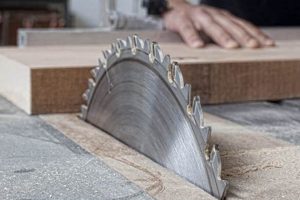
A specialized handsaw, designed with a thin, replaceable blade held taut within a frame, enables intricate cutting of curves and interior shapes in wood. This tool is commonly used for creating coped joints, where one piece of wood is shaped to precisely fit the contours of another. Precise cuts are achieved through controlled pushing and pulling motions, allowing for detailed work that is difficult to achieve with powered saws.
Its significance lies in providing artisans with a method for crafting complex designs and ensuring seamless connections between wood pieces. Historically, it facilitated furniture construction and decorative woodworking. The tool’s ability to create clean, tight joints enhances the aesthetic appeal and structural integrity of finished projects. Its enduring utility speaks to its value in both traditional and contemporary woodworking practices.
The following sections will elaborate on blade selection, proper technique, and various applications where this essential tool proves indispensable, providing woodworkers with a comprehensive understanding of its effective use.
Essential Techniques
Mastering the use of this tool requires attention to detail and adherence to specific techniques. The following guidance provides essential points for effective and precise operation.
Tip 1: Blade Selection: Employ the appropriate blade for the material being cut. Finer teeth are suitable for hardwoods, while coarser teeth are more effective for softer woods. A blade with more teeth per inch will generally create a smoother cut.
Tip 2: Frame Tension: Ensure adequate blade tension. Insufficient tension causes the blade to wander, leading to inaccurate cuts. Excessive tension can result in blade breakage.
Tip 3: Workpiece Securing: Firmly secure the workpiece to prevent movement during cutting. Bench vises or clamps provide stable support and enhance control.
Tip 4: Cutting Angle: Maintain a consistent cutting angle. Tilting the frame during cutting can result in uneven cuts and potential blade binding. Keep the frame perpendicular to the workpiece surface.
Tip 5: Gentle Pressure: Apply minimal pressure during cutting. Excessive force can cause the blade to buckle or break. Allow the blade to do the work, guiding it along the desired line.
Tip 6: Turning Technique: When cutting curves, rotate the workpiece rather than forcing the blade to turn. This minimizes stress on the blade and produces smoother curves.
Tip 7: Regular Blade Inspection: Periodically inspect the blade for signs of wear or damage. Replace dull or damaged blades to maintain cutting efficiency and accuracy.
Adherence to these techniques will significantly improve cutting accuracy and extend blade lifespan. Consistent practice reinforces muscle memory and enhances overall skill.
The subsequent discussion will explore maintenance procedures and strategies for troubleshooting common challenges encountered during operation.
1. Blade Tension

Blade tension within a woodworking coping saw directly impacts its performance and the quality of cuts achieved. Insufficient tension leads to blade wandering, resulting in inaccurate cuts and difficulty following intended lines. Conversely, excessive tension increases the risk of blade breakage, particularly when encountering dense materials or executing tight curves. The frame of the tool is designed to maintain the precise tension necessary for optimal blade stability. An adequately tensioned blade resists deflection, allowing for clean, controlled cuts, essential for intricate woodworking tasks.
Consider the task of creating a coped joint in a baseboard. Without proper blade tension, the saw will struggle to create the precisely angled profile required for a seamless fit against an adjacent piece. Similarly, when cutting complex curves in thin stock, a blade lacking sufficient tension is more likely to buckle and create a jagged edge, necessitating additional sanding or rework. Correct tension, therefore, minimizes material waste and enhances the precision of woodworking projects.
In summary, blade tension is a critical factor in achieving the desired results when using a woodworking coping saw. Maintaining appropriate tension, determined by the blade type and material being cut, is necessary for accurate, clean cuts. Proper tension reduces the risk of blade failure and enhances the tool’s overall efficiency. Attention to this essential component ensures optimal woodworking outcomes, reflecting in a finished product’s overall quality.
2. Cutting Direction
The efficiency and accuracy of a woodworking coping saw are significantly influenced by the direction in which the cut is made. This directional aspect dictates the smoothness of the cut edge and the control the user maintains over the tool. The saw typically cuts on the pull stroke, meaning the teeth are angled such that material is removed as the user draws the saw towards themselves. Employing the correct cutting direction is essential to prevent the blade from binding or wandering, particularly when navigating curves or intricate patterns. An incorrect approach can lead to rough edges, tear-out, and increased physical exertion, undermining the tool’s potential for precise work. In the context of coping joints, for example, cutting against the grain can result in splintering and a compromised joint fit.
The practical application of understanding cutting direction extends beyond simply following the saw’s intended motion. It involves recognizing the grain direction of the wood and adjusting the cutting approach accordingly. When cutting along the grain, the saw generally moves more smoothly with less resistance. Cutting across the grain, however, requires more deliberate control to avoid splintering. Expert woodworkers often slightly angle the saw during the pull stroke, a subtle technique that minimizes friction and enhances cut quality. They understand that the sharpness and set of the saw’s teeth, combined with the directional force, determine the final outcome. This knowledge is imperative when working with delicate or expensive hardwoods, where mistakes can be costly.
In summary, cutting direction is an integral component of effective woodworking with a coping saw. It affects the ease of use, the precision of cuts, and the quality of the finished piece. Challenges such as blade binding or tear-out can often be mitigated by simply adjusting the cutting approach to align with the saw’s intended direction and the wood’s grain. Masterful manipulation of cutting direction is paramount for professionals and hobbyists alike.
3. Frame Stability
Frame stability in a woodworking coping saw directly influences cutting accuracy and ease of operation. A rigid frame minimizes vibration and deflection during use, preventing blade wandering and ensuring the blade follows the intended cutting line. Instability in the frame introduces inaccuracies, requiring the user to exert more force to maintain control, resulting in fatigue and potentially compromised outcomes. This is critical when executing tight curves or intricate patterns, as any frame movement translates directly into imperfections in the final product. A robust frame, typically constructed from steel, provides the necessary support to maintain consistent blade tension and alignment, ultimately contributing to cleaner, more precise cuts.
Consider the task of cutting dovetail joints by hand. Accurate removal of waste material between the dovetail pins is crucial for a tight, seamless fit. A coping saw with an unstable frame introduces wobble and imprecision, making it difficult to remove the waste cleanly without damaging the surrounding wood. Conversely, a saw with a stable frame allows the user to confidently and accurately follow the cut line, ensuring a successful joint. Another example is in creating fretwork patterns. The intricate nature of these patterns demands a high degree of precision, which is only attainable with a stable, vibration-free frame.
In summary, frame stability is a critical element in a woodworking coping saw. It directly impacts the saw’s ability to perform precise cuts and is paramount for intricate woodworking tasks. A stable frame reduces vibration, prevents blade wandering, and allows for cleaner, more controlled cuts. Understanding the importance of frame stability enables woodworkers to select tools that meet their needs and achieve superior results in their projects.
4. Material Selection

Material selection profoundly affects the performance and longevity of woodworking coping saw blades, as well as the quality of the finished cut. Using an inappropriate blade material for a given wood species results in accelerated wear, reduced cutting efficiency, and potential damage to both the tool and the workpiece. Softer woods, such as pine or cedar, require blades with coarser teeth to effectively remove material without clogging. Conversely, hardwoods, like oak or maple, necessitate finer-toothed blades made from high-speed steel to withstand increased cutting resistance and deliver a cleaner edge. The selection of blade material is, therefore, a critical determinant of a woodworking coping saw’s operational efficacy and overall project success.
The cause-and-effect relationship between blade material and wood species is exemplified in specific woodworking scenarios. Attempting to cut hardwood with a blade intended for softwood often leads to rapid dulling and potential blade breakage. The increased friction and heat generated compromise the blade’s integrity, rendering it ineffective. Conversely, using a coarse-toothed blade on a softwood can result in tear-out and a rough, uneven finish. The importance of selecting the right blade is highlighted in tasks such as crafting intricate inlays or creating precision joints. In these applications, the blade’s ability to maintain a clean cut line is essential for achieving a professional result.
In summary, understanding the correlation between material selection and the use of a woodworking coping saw is fundamental to achieving desired woodworking outcomes. Selecting the appropriate blade material, considering factors such as wood density and grain structure, maximizes cutting efficiency, minimizes material waste, and extends the lifespan of the tool. A thoughtful approach to material selection is, therefore, an indispensable aspect of responsible and effective woodworking practice.
5. Joint Precision
Attaining joint precision constitutes a fundamental objective in woodworking, directly influencing the structural integrity and aesthetic appeal of finished projects. The effective use of a woodworking coping saw plays a critical role in achieving this objective, particularly when constructing complex or non-orthogonal joints. Several interconnected facets contribute to the realization of joint precision when employing this tool.
- Coping Technique Proficiency
Masterful execution of the coping technique, wherein one piece of wood is shaped to precisely match the profile of another, is paramount. This requires a controlled, deliberate approach, guided by a keen understanding of wood grain and material properties. In applications such as fitting baseboards to irregular wall surfaces or creating seamless transitions in crown molding, a properly executed cope joint eliminates visible gaps and ensures a professional finish.
- Blade Selection and Maintenance
The selection of the appropriate blade, and its subsequent maintenance, are critical considerations. Finer-toothed blades are generally preferable for achieving clean, precise cuts in delicate or brittle materials. Regular sharpening and replacement of worn blades are essential to prevent tear-out and ensure consistent cutting performance. A dull or damaged blade compromises the integrity of the joint, requiring additional sanding or rework.
- Workpiece Stabilization and Support
Adequate stabilization and support of the workpiece are prerequisites for achieving joint precision. Secure clamping or fixturing prevents movement during cutting, minimizing the risk of errors. The use of jigs or templates further enhances accuracy, particularly when replicating complex joint profiles. A stable platform allows for controlled, consistent cutting motions, resulting in more precise and repeatable results.
- Cutting Angle and Trajectory Control
Maintaining a consistent cutting angle and trajectory is essential for achieving accurate joint profiles. This requires a steady hand and a clear understanding of the desired joint geometry. Deviations from the intended cutting path result in gaps and misalignments, compromising the overall integrity of the joint. Deliberate, controlled movements, guided by visual inspection and tactile feedback, are crucial for achieving optimal results.
These facets, when considered collectively, underscore the instrumental role of the woodworking coping saw in achieving joint precision. By adhering to proper techniques, selecting appropriate materials, and maintaining meticulous control over the cutting process, woodworkers can leverage this versatile tool to create durable, aesthetically pleasing joints that enhance the value and longevity of their creations.
Frequently Asked Questions
The following questions address common inquiries regarding the woodworking coping saw, providing concise and informative responses.
Question 1: What distinguishes a woodworking coping saw from other types of saws?
A woodworking coping saw is differentiated by its thin blade held within a C-shaped frame, specifically designed for intricate curved cuts and coping joints. Other saws may not offer the same maneuverability and precision for these tasks.
Question 2: How often should a woodworking coping saw blade be replaced?
The frequency of blade replacement depends on usage and material. Blades should be replaced when they become dull, exhibit signs of wear, or begin to produce rough cuts. Regular inspection is recommended.
Question 3: What is the proper technique for cutting curves with a woodworking coping saw?
When cutting curves, the workpiece should be rotated rather than forcing the saw to change direction. This technique minimizes stress on the blade and prevents breakage.
Question 4: Can a woodworking coping saw be used to cut materials other than wood?
While primarily designed for wood, a woodworking coping saw, when fitted with an appropriate blade, can cut some plastics and thin metals. However, caution must be exercised to avoid damaging the tool.
Question 5: What are the common causes of blade breakage in a woodworking coping saw?
Common causes of blade breakage include excessive tension, cutting too quickly, forcing the blade through the material, and using the wrong type of blade for the task.
Question 6: How is the tension of a woodworking coping saw blade properly adjusted?
Blade tension is adjusted via a mechanism on the saw frame, typically a lever or screw. The blade should be taut but not excessively tight, preventing wandering and breakage. Manufacturers’ recommendations should be consulted.
Mastering the nuances of this tool requires practice and understanding. Consistent attention to these factors ensures efficient and accurate woodworking.
The next article segment will explore advanced techniques and projects suitable for utilizing a woodworking coping saw.
Conclusion
This exploration has elucidated the critical aspects of the woodworking coping saw, encompassing its definition, techniques, operational details, material considerations, and its pivotal role in achieving joint precision. Mastery of this tool necessitates diligent attention to blade tension, cutting direction, frame stability, and the selection of appropriate materials. The effectiveness of this tool is demonstrably linked to its ability to produce accurate and clean cuts, especially in intricate woodworking endeavors.
The enduring utility of the woodworking coping saw positions it as an indispensable instrument for both seasoned artisans and aspiring woodworkers. Continued refinement of technique and an informed approach to material selection will ensure its ongoing relevance in the pursuit of woodworking excellence. Its capabilities warrant consideration for any serious woodworking project where precision and control are paramount.