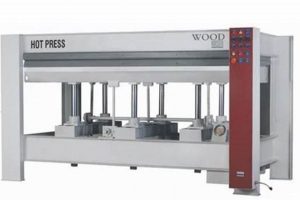
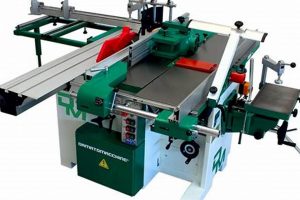
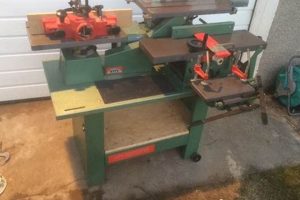
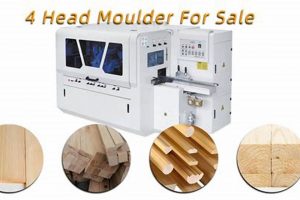
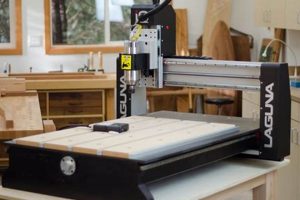
This equipment represents a significant investment for both hobbyist woodworkers and professional shops. It combines multiple essential woodworking operations into a single unit, reducing the need for numerous individual machines. Examples include units that integrate a jointer, planer, table saw, shaper, and mortiser into one space-saving design.
The primary benefit of such a system is its efficient use of space, a particularly crucial advantage in smaller workshops. Further advantages include potentially lower initial investment costs compared to purchasing separate machines, as well as simplified setup and operation. Historically, these combination machines evolved from efforts to streamline woodworking processes and maximize productivity in limited spaces, drawing from the functionality of traditional, specialized tools.
The subsequent sections will delve into specific features, operational considerations, maintenance requirements, and factors to consider when selecting this type of versatile woodworking solution.
Operation and Maintenance Recommendations
Effective utilization and longevity of these combination units require adherence to specific operational guidelines and diligent maintenance procedures.
Tip 1: Prioritize Safety Protocol: Before operation, ensure a thorough understanding of all safety mechanisms, including emergency shut-off switches and blade guards. Consistent use of personal protective equipment, such as safety glasses and hearing protection, is mandatory.
Tip 2: Confirm Operational Parameters: Verify that all settings for each integrated function, such as blade height, fence alignment, and feed rate, align precisely with the project specifications. Deviations can result in inaccurate cuts or material damage.
Tip 3: Implement Regular Calibration Checks: Periodically assess the calibration of all integrated tools. A precise alignment of the jointer fence or the planer blades ensures consistent and accurate results across various operations.
Tip 4: Maintain Cleanliness: Regularly remove sawdust and debris from all machine components, especially moving parts and blade housings. Accumulation of particulate matter can impede performance and accelerate wear.
Tip 5: Execute Lubrication Schedules: Adhere to the manufacturer’s recommended lubrication schedule for all moving parts, including gears, bearings, and slides. Proper lubrication minimizes friction, reduces heat buildup, and extends component life.
Tip 6: Enforce Sharpening Regimen: Maintain sharp cutting edges on all blades and knives. Dull blades increase the risk of kickback, require greater force during operation, and produce inferior results. Establish a regular sharpening or replacement schedule.
Tip 7: Implement Routine Inspections: Conduct periodic visual inspections of all components, including power cords, switches, and mechanical linkages. Identify and address any signs of wear, damage, or malfunction promptly.
Adherence to these recommendations ensures safe, efficient, and accurate operation, maximizing the utility and extending the lifespan of this woodworking equipment.
The subsequent section will explore the factors to consider when selecting a combination woodworking machine, focusing on assessing individual needs and evaluating available features.
1. Space Optimization

Space optimization is a primary driver in the adoption of this woodworking equipment. The integration of multiple functions into a single unit addresses the limitations of workshop size, enabling a broader range of woodworking operations within a confined area.
- Reduced Footprint
Multi-function machines consolidate the footprint of several individual machines into a single platform. Instead of allocating space for a separate jointer, planer, table saw, and shaper, a single unit performs all these tasks. This is particularly relevant in workshops with limited square footage, such as garages or basements.
- Enhanced Workflow
By centralizing multiple operations, workflow is streamlined. The woodworker can transition between different tasks without moving between separate machines, reducing wasted time and effort. This contributes to improved productivity and project turnaround time.
- Inventory Management
Fewer machines translate to reduced storage requirements for ancillary equipment, such as blades, fences, and jigs. Consolidating tooling accessories simplifies inventory management and minimizes clutter within the workspace.
- Increased Maneuverability
In a confined workshop, navigating around numerous stationary machines can be challenging. A multi-function unit frees up floor space, improving maneuverability and reducing the risk of accidents. This creates a safer and more efficient working environment.
The benefits of space optimization directly translate into improved efficiency, productivity, and safety in woodworking environments. The consolidated footprint of these multi-function machines enables woodworkers to maximize their limited space and execute a wider range of projects without expanding their workshop area.
2. Operational Versatility

Operational versatility is a defining characteristic of woodworking multi function machines, enabling a single unit to perform a variety of tasks traditionally requiring multiple specialized tools. This adaptability directly influences the scope and efficiency of woodworking projects.
- Combined Cutting Capabilities
Multi function machines commonly integrate sawing, jointing, and planing functions. For example, a unit may feature a table saw for ripping and crosscutting, a jointer for creating flat reference surfaces, and a planer for thicknessing stock. This combination allows for comprehensive material preparation from rough lumber to finished dimensions.
- Profiling and Shaping Adaptability
Some multi function machines incorporate shaping and molding capabilities. A spindle shaper attachment enables the creation of complex profiles on edges, while a mortising function allows for precise joint creation. This versatility expands the range of projects that can be undertaken with a single machine, from simple furniture components to intricate decorative elements.
- Angle and Bevel Adjustments
The ability to adjust cutting angles and bevels is crucial for various woodworking applications. Many multi function machines feature tilting saw blades or adjustable fences, enabling the creation of angled cuts and beveled edges. This adaptability is essential for constructing complex joinery and creating visually appealing designs.
- Material Compatibility
Operational versatility extends to the range of materials that can be processed. While primarily designed for woodworking, some multi function machines can also handle non ferrous metals or plastics with appropriate blade or cutter changes. This expands the machine’s utility beyond traditional woodworking applications.
The operational versatility inherent in woodworking multi function machines offers significant advantages in terms of project scope, efficiency, and space utilization. The ability to perform a wide range of tasks with a single unit empowers woodworkers to tackle diverse projects without the need for numerous specialized tools, making it a valuable asset in both hobbyist and professional settings.
3. Cost Effectiveness

The financial advantage of a woodworking multi function machine stems from the consolidation of multiple essential tools into a single purchase. This integration reduces the initial capital expenditure required to equip a workshop, as acquiring separate jointer, planer, saw, and shaper units often exceeds the cost of a single, comprehensive machine. Furthermore, by minimizing the need for multiple machines, subsequent expenses related to maintenance, repair, and parts replacement are also significantly reduced, providing long-term cost benefits.
Examining a practical scenario illustrates this point. A small woodworking business, for instance, might initially budget for the purchase of individual machines at a combined cost of approximately $8,000 – $12,000. Conversely, a high-quality multi function machine capable of performing the same operations could be acquired for $5,000 – $9,000. The cost savings extend beyond the initial purchase price. Operating costs, such as electricity consumption, may be lower with a single, efficient unit compared to several individual machines operating simultaneously. Moreover, reduced space requirements translate into potential savings on workshop rental or mortgage costs.
In conclusion, the cost effectiveness of woodworking multi function machines arises from several factors, including lower initial investment, reduced operational expenses, and optimized space utilization. While the upfront cost may still represent a significant investment, the long-term financial benefits and enhanced efficiency make it a viable and often preferable option for both hobbyist and professional woodworkers seeking to maximize their resources. One potential challenge may arise in the event of component failure, as downtime affects multiple operations simultaneously. Careful consideration of machine reliability and warranty coverage is crucial to mitigate this risk.
4. Power Requirements

The operational capacity of a woodworking multi function machine is directly contingent upon its power requirements. Insufficient power supply leads to diminished performance, including reduced cutting speed, increased risk of motor burnout, and compromised accuracy. A machine designed to perform multiple heavy-duty operations, such as planing and sawing simultaneously, demands a robust electrical circuit capable of delivering consistent voltage and amperage. For instance, a unit integrating a 10-inch table saw, a 6-inch jointer, and a planer typically requires a dedicated 220V, 20-amp circuit. Failure to meet these specifications can result in frequent tripping of circuit breakers, posing both an inconvenience and a safety hazard.
Furthermore, the power consumption characteristics influence the selection of an appropriate machine for a given workshop. A small home workshop with limited electrical capacity might necessitate a machine with a lower horsepower motor, potentially sacrificing some operational capabilities. Conversely, a professional shop with adequate electrical infrastructure can accommodate a more powerful machine, enhancing productivity and versatility. Consideration must also be given to the starting current, which is often significantly higher than the running current, and can overload circuits if not properly accounted for. A real-world example is the unexpected tripping of a circuit breaker when a multi function machine’s motor starts, even if the circuit appears adequate based on running amperage.
In summary, understanding and addressing the power requirements of woodworking multi function machines is paramount to ensure safe and efficient operation. Matching the machine’s demands to the workshop’s electrical capacity is essential for preventing damage to equipment, maintaining consistent performance, and avoiding potential safety hazards. Prior to purchase, a thorough assessment of the workshop’s electrical system is recommended, potentially involving a qualified electrician to ensure compatibility and compliance with local electrical codes.
5. Maintenance Demands

Woodworking multi function machines, due to their integrated nature, present unique maintenance challenges. The convergence of several operational components into a single unit necessitates a comprehensive and consistent maintenance schedule to ensure optimal performance and longevity. Failure to address these demands can lead to diminished efficiency, increased downtime, and potential safety hazards.
- Lubrication of Moving Parts
Consistent lubrication is critical for all moving parts within a woodworking multi function machine. Components such as bearings, gears, and slides require regular lubrication to minimize friction, reduce wear, and prevent overheating. Neglecting this aspect can result in premature component failure and decreased operational accuracy. For example, inadequate lubrication of the planer’s feed rollers can cause uneven material feed and inconsistent thicknessing.
- Blade and Cutter Maintenance
Maintaining sharp cutting edges on all blades and cutters is paramount for efficient and safe operation. Dull blades increase the risk of kickback, require greater force during operation, and produce inferior results. Regular sharpening or replacement of blades and cutters is essential. For instance, a dull saw blade can cause splintering and burning of the wood, compromising the quality of the cut. The frequency of sharpening or replacement depends on the type of material being processed and the intensity of machine use.
- Dust Extraction System Maintenance
Efficient dust extraction is crucial for maintaining a clean and safe working environment, as well as preventing damage to the machine. The dust extraction system, including hoses, filters, and impellers, requires regular cleaning and inspection. A clogged dust extraction system can reduce airflow, leading to inefficient dust collection and potential overheating of the motor. Furthermore, accumulated dust can pose a fire hazard. For example, neglecting to empty the dust collector bag regularly can reduce the system’s efficiency and increase the risk of dust accumulating around the motor.
- Calibration and Alignment Checks
Regular calibration and alignment checks are essential for maintaining the accuracy and precision of a woodworking multi function machine. Misalignment of components, such as the jointer fence or the table saw blade, can result in inaccurate cuts and material waste. Periodic checks using precision instruments, such as squares and levels, are necessary to ensure that all components are properly aligned. For instance, a misaligned jointer fence can cause angled edges and uneven surfaces. Proper calibration ensures that the machine operates within specified tolerances and produces consistent results.
The maintenance demands associated with woodworking multi function machines require a proactive and diligent approach. Neglecting these demands not only compromises the machine’s performance and longevity but also poses potential safety risks. A well-maintained machine ensures efficient operation, accurate results, and a safer working environment. Therefore, a comprehensive understanding of these maintenance demands and the implementation of a consistent maintenance schedule are essential for maximizing the benefits of this type of equipment.
Frequently Asked Questions
This section addresses common inquiries regarding the selection, operation, and maintenance of woodworking multi function machines. The information provided aims to offer clarity and guidance for potential and current users.
Question 1: What are the primary advantages of a woodworking multi function machine compared to individual machines?
The primary advantages include space savings, reduced initial capital expenditure, and streamlined workflow. A single unit integrates multiple functions, minimizing the footprint and eliminating the need to purchase and maintain several separate machines. This consolidation simplifies operations and optimizes workspace utilization.
Question 2: What is the typical power requirement for a woodworking multi function machine, and how does it affect workshop electrical capacity?
Power requirements vary depending on the machine’s capabilities but typically range from 110V to 220V with amperage ranging from 15A to 30A. Prior to purchase, the workshop’s electrical capacity should be assessed to ensure adequate power supply. Inadequate power can lead to reduced performance and potential electrical hazards.
Question 3: What are the essential maintenance procedures for ensuring the longevity of a woodworking multi function machine?
Essential maintenance procedures include regular lubrication of moving parts, sharpening or replacement of blades and cutters, cleaning of the dust extraction system, and periodic calibration and alignment checks. Consistent adherence to these procedures ensures optimal performance and extends the machine’s lifespan.
Question 4: How does the operational versatility of a woodworking multi function machine impact project scope and efficiency?
Operational versatility allows for a broader range of projects to be undertaken with a single machine. The integration of functions such as sawing, jointing, and planing eliminates the need to switch between separate machines, streamlining workflow and improving project turnaround time.
Question 5: What factors should be considered when selecting a woodworking multi function machine to ensure it meets specific needs?
Key factors to consider include space availability, power requirements, desired operational capabilities, budget constraints, and maintenance demands. A thorough assessment of these factors ensures that the selected machine aligns with the user’s specific requirements and workshop environment.
Question 6: What are the potential drawbacks of a woodworking multi function machine, and how can they be mitigated?
Potential drawbacks include limited operational capacity compared to specialized machines and the impact of component failure on multiple functions. To mitigate these drawbacks, select a machine with sufficient power and capabilities for intended applications and ensure comprehensive warranty coverage and readily available replacement parts.
In summary, woodworking multi function machines offer significant advantages in terms of space utilization, cost savings, and operational efficiency. However, careful consideration of power requirements, maintenance demands, and potential limitations is crucial for ensuring a successful and productive woodworking experience.
The subsequent section will provide a summary of the key considerations for selecting and utilizing woodworking multi function machines effectively.
Conclusion
This exploration has detailed various aspects of the woodworking multi function machine, encompassing its operational benefits, maintenance needs, and selection criteria. It is established that this equipment presents a space-saving and cost-effective alternative to individual, specialized woodworking tools. The efficiency and versatility afforded by these machines make them attractive for hobbyists and professionals.
However, prospective buyers must carefully assess their specific needs, workshop capacity, and commitment to regular maintenance. The long-term value of a woodworking multi function machine hinges on informed decision-making and diligent upkeep, ensuring both safe operation and a productive woodworking experience. A thorough understanding of these factors will determine the suitability of this technology for any given application.