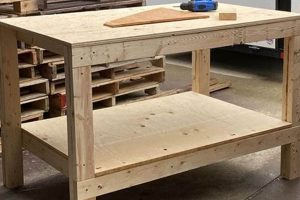
The practice of crafting wooden items within the confines of a domestic kitchen space characterizes a specific segment of woodworking. This approach typically involves smaller-scale projects due to space limitations, and frequently employs portable tools. Examples include constructing small boxes, decorative items, or undertaking repairs on existing furniture. The kitchen table serves as the primary workstation in these instances.
This localized crafting offers several advantages, including convenience and accessibility. It allows individuals with limited space or resources to engage in woodworking without the need for a dedicated workshop. Historically, such practices were commonplace, particularly in homes where space was at a premium. The ability to create and repair items within the home environment provided a degree of self-sufficiency and resourcefulness.
The subsequent discussion will delve into essential tools for achieving success in a confined workspace, safety considerations imperative for indoor woodworking, and project ideas suitable for limited environments, allowing for a deeper exploration of this adaptable craft.
Tips for Success in Limited-Space Woodworking
Effective woodworking within a kitchen setting requires careful planning and adherence to specific guidelines. These tips are designed to maximize efficiency and minimize disruption in a shared domestic environment.
Tip 1: Prioritize Compact Tools. Invest in hand tools and smaller, portable power tools. Cordless options minimize trip hazards and maximize maneuverability within confined areas. Consider tools with multiple functions to reduce the overall number required.
Tip 2: Implement Dust Control Measures. Wood dust is a significant health hazard and a nuisance in a kitchen. Utilize dust extraction systems for power tools, and employ hand tools where feasible to minimize dust generation. A dedicated shop vacuum with a HEPA filter is essential.
Tip 3: Optimize Workspace Organization. A cluttered workspace is an inefficient workspace. Employ storage solutions, such as stackable containers and wall-mounted organizers, to keep tools and materials readily accessible and the work surface clear. A folding workbench provides flexibility.
Tip 4: Enforce Strict Safety Protocols. Kitchens are not designed for woodworking. Wear appropriate safety gear, including eye protection and a dust mask or respirator. Ensure adequate ventilation and familiarize oneself with the safe operation of all tools used.
Tip 5: Manage Noise Levels. Power tools can generate significant noise. Schedule woodworking activities during times that minimize disruption to other household members and neighbors. Consider using sound-dampening mats beneath power tools.
Tip 6: Protect the Work Surface. The kitchen table must be protected from scratches, dents, and spills. Utilize a thick, non-slip work mat or a sacrificial board to prevent damage to the surface. Clean up spills immediately.
Tip 7: Limit Project Scope. Smaller projects are inherently more manageable in a kitchen environment. Focus on items that can be completed within a reasonable timeframe to minimize disruption and the accumulation of sawdust.
By implementing these strategies, the challenges associated with woodworking in a limited space can be effectively mitigated, allowing for the pursuit of this craft within the confines of a domestic kitchen.
The following sections will provide further guidance on specific project ideas and resource management strategies tailored for this unique environment.
1. Space optimization

Space optimization is paramount in the context of woodworking performed on a kitchen table. The inherent limitations of a kitchen environment necessitate a strategic approach to tool storage, material management, and project scale.
- Vertical Storage Solutions
Vertical storage utilizes wall space to house tools and materials. Shelves, pegboards, and magnetic strips keep items organized and accessible while minimizing footprint on the work surface. This reduces clutter and maximizes available space for active projects.
- Foldable or Collapsible Equipment
Equipment such as folding workbenches, sawhorses, and clamping stations offer flexibility in a limited space. These items can be quickly deployed for use and then collapsed for storage when not needed, freeing up valuable area. This adaptability is essential in multi-purpose environments.
- Modular Tool Organization
Modular systems, such as interlocking toolboxes and stackable containers, allow for customized storage configurations. These systems can be easily rearranged to accommodate different project requirements and maximize space utilization. Clear labeling enhances efficiency by enabling quick identification of contents.
- Multipurpose Tools and Accessories
Investing in tools with multiple functions minimizes the overall number of items required. Examples include combination squares, multi-tools, and accessories that can be adapted for different tasks. This strategy reduces storage demands and improves efficiency.
These strategies collectively contribute to an efficient and manageable woodworking experience within the constraints of a kitchen environment. Successful implementation of space optimization techniques enables individuals to pursue woodworking projects without overwhelming the limited area available.
2. Tool Portability

Tool portability is a defining characteristic of woodworking conducted on a kitchen table, driven by space constraints and the dual-purpose nature of the environment. The ability to easily store and transport tools is critical for maintaining functionality and order within a shared domestic space.
- Space Efficiency and Storage
Portable tools generally occupy less storage space compared to stationary workshop equipment. Compact designs allow for storage in drawers, cabinets, or portable toolboxes, preventing encroachment on living areas. This space-saving attribute is essential for preserving the kitchen’s primary function.
- Multi-Purpose Functionality
Many portable tools are designed with multiple functions or attachments, reducing the overall number of individual tools required. Examples include cordless drills with interchangeable screwdriver and sanding bits, or handheld power planers that can also function as jointers for small projects. This versatility enhances efficiency within limited workspaces.
- Ease of Transportation and Setup
Tool portability enables quick setup and takedown of the work area. Lightweight and compact tools can be easily moved from storage to the kitchen table and back again, minimizing disruption to daily routines. This rapid deployment capability encourages spontaneous woodworking activities.
- Accessibility and Convenience
Portable tools can be easily transported to different locations within the home for on-site repairs or modifications. This flexibility eliminates the need to bring the project to a dedicated workshop, enhancing convenience and accessibility. Examples include repairing furniture or installing shelves in other rooms.
The emphasis on tool portability within the context of woodworking conducted on a kitchen table directly addresses the challenge of integrating a potentially disruptive activity into a shared living space. Prioritizing tools that are compact, versatile, and easily stored facilitates a more seamless and manageable woodworking experience within the home.
3. Dust control

The generation of wood dust is an unavoidable consequence of woodworking, presenting a significant challenge in a kitchen environment. The enclosed nature of a kitchen, combined with its role in food preparation, necessitates stringent dust control measures. Uncontrolled wood dust can contaminate surfaces, posing a health risk through inhalation and ingestion. This risk is amplified in households with children or individuals with respiratory sensitivities.
Effective dust control in this setting relies on several integrated strategies. The use of power tools equipped with dust collection ports, connected to HEPA-filtered shop vacuums, is essential for capturing dust at the source. Hand tools, while generally producing less dust, still require careful management; dampening the wood surface can reduce dust generation during sanding. Furthermore, the immediate cleaning of surfaces with wet cloths prevents dust accumulation and airborne dispersal. A real-world example involves using a small, portable dust collector during the construction of a spice rack on a kitchen table, directly minimizing dust exposure.
Ultimately, prioritizing dust control is not merely an aesthetic consideration but a critical aspect of maintaining a safe and healthy living environment. The challenges inherent in managing wood dust within a domestic kitchen underscore the importance of meticulous planning and consistent implementation of effective control measures. Neglecting dust control can lead to adverse health effects and compromise the cleanliness and functionality of the kitchen.
4. Surface protection

In the context of woodworking at the kitchen table, safeguarding the underlying work surface assumes paramount importance. The kitchen table, typically designed for dining and food preparation, is ill-equipped to withstand the rigors of woodworking activities. Impacts, scratches, and staining from adhesives, finishes, or sawdust can inflict irreversible damage, compromising the table’s aesthetic and functional value. Therefore, the implementation of effective surface protection is not merely a preventative measure but a fundamental prerequisite for successful and responsible woodworking within this environment. The absence of adequate protection inevitably results in costly repairs or replacements, offsetting any perceived convenience gained from utilizing the kitchen table as a workspace.
Practical applications of surface protection range from simple to more elaborate solutions. A basic approach involves covering the table with a thick, durable material such as a sheet of plywood or a rubber work mat. This creates a sacrificial layer that absorbs impacts and prevents direct contact between woodworking tools and the table surface. A more refined approach may involve constructing a custom-fitted workbench top that can be easily installed and removed as needed. This provides a dedicated work area with features such as clamping surfaces and tool storage, further enhancing the woodworking experience while preserving the integrity of the table. For example, crafting a small picture frame might seem innocuous, yet without surface protection, the pressure from clamping could easily dent a polished tabletop, leading to unwanted aesthetic defects.
In conclusion, surface protection is an indispensable component of woodworking conducted on the kitchen table. Its implementation prevents damage, preserves the table’s functionality, and ultimately contributes to a more sustainable and responsible woodworking practice. Failing to prioritize surface protection can lead to detrimental consequences, undermining the viability of the kitchen table as a suitable woodworking location. Therefore, meticulous attention to surface protection is not merely an option but a necessity for successful implementation.
5. Project scale

Project scale exerts a defining influence on the feasibility and success of woodworking endeavors conducted within the confines of a kitchen environment. The limited workspace and inherent constraints of a kitchen table necessitate a judicious selection of projects that align with the available area and resources. Larger, more complex projects often entail excessive material accumulation, cumbersome tool maneuvering, and protracted disruption to the kitchen’s primary function, rendering them impractical for this setting. Conversely, smaller, more manageable projects are conducive to kitchen table woodworking, allowing for efficient execution, minimal disruption, and easier clean-up. The correlation between project scale and the suitability of the kitchen table as a workspace is therefore demonstrably strong. For example, constructing a birdhouse or a small wooden box presents a manageable scale, while attempting to build a full-sized cabinet or a large shelving unit would exceed the practical limitations of the space.
The significance of project scale extends beyond mere spatial considerations. It also impacts the choice of tools, the complexity of joinery, and the overall time commitment required. Smaller projects typically necessitate fewer specialized tools, simpler joinery techniques, and shorter completion times, making them ideal for beginners or those with limited woodworking experience. The practical implications of this understanding are far-reaching. Careful project planning, including accurate measurements and a realistic assessment of available resources, is essential for ensuring a successful outcome. A failure to adequately consider project scale can lead to frustration, wasted materials, and ultimately, the abandonment of the project altogether. This understanding also impacts the kinds of woodworking skills required, small projects tend to call for more careful handcraftsmanship, which can then be applied to larger projects once a proper workshop is available.
In summary, project scale is a critical determinant in the feasibility and success of woodworking at the kitchen table. The spatial constraints and inherent limitations of the environment necessitate a carefully considered approach to project selection, prioritizing smaller, more manageable endeavors. By aligning project scale with the available resources and skills, individuals can effectively engage in woodworking within the home without overwhelming the kitchen or compromising its primary function. Recognizing and addressing the challenges posed by project scale is paramount for a positive and productive woodworking experience. The constraints push the woodworker to improve technique and value the space more fully.
6. Safety first
Prioritizing safety within the context of kitchen table woodworking assumes critical importance due to the inherent risks associated with woodworking activities conducted in a space not specifically designed for such purposes. The presence of potential hazards necessitates rigorous adherence to safety protocols to mitigate the risk of injury and ensure a safe working environment.
- Eye Protection
The use of appropriate eye protection, such as safety glasses or goggles, is essential to shield the eyes from flying debris, sawdust, and chemical splashes. Failure to wear eye protection can result in serious eye injuries, including corneal abrasions and permanent vision impairment. For instance, during sanding operations, fine particles can easily become airborne, posing a significant risk to unprotected eyes.
- Respiratory Protection
Woodworking activities generate airborne dust particles that can irritate the respiratory system and, over time, lead to chronic respiratory ailments. The use of a dust mask or respirator is necessary to filter out these particles and prevent them from being inhaled. The prolonged exposure to wood dust without adequate respiratory protection can result in conditions such as asthma and chronic bronchitis.
- Hearing Protection
Power tools, such as saws and routers, can generate high noise levels that can damage hearing over time. The use of earplugs or earmuffs is crucial to attenuate these noise levels and protect the auditory system. Prolonged exposure to loud noise without hearing protection can lead to permanent hearing loss or tinnitus.
- Workspace Awareness and Management
Maintaining a clean and organized workspace is vital for preventing accidents. Clutter and obstructions can increase the risk of trips, falls, and tool-related injuries. Ensuring adequate lighting and proper ventilation is also important for promoting a safe and comfortable working environment. Before beginning a task, confirming the immediate area is free of obstacles, and that cords are properly routed away from foot traffic, is an invaluable component in the overall execution of safety protocols.
These multifaceted safety precautions collectively contribute to minimizing the risks associated with kitchen table woodworking. The diligent application of these safety measures enhances the well-being of the woodworker and ensures the safe and responsible conduct of woodworking activities within a domestic environment. The absence of consistent attention to these aspects renders the practice needlessly hazardous.
Frequently Asked Questions About Kitchen Table Woodworking
This section addresses common inquiries and clarifies prevalent misconceptions regarding the practice of woodworking within the confines of a domestic kitchen environment.
Question 1: Is kitchen table woodworking a practical substitute for a dedicated workshop?
Kitchen table woodworking is not typically considered a direct substitute for a fully equipped workshop. A dedicated workshop provides significantly more space, specialized tools, and dedicated dust control systems. Kitchen table woodworking is better suited for smaller projects and individuals with limited space or resources.
Question 2: What are the primary limitations of engaging in woodworking on a kitchen table?
The primary limitations include restricted workspace, the need for portable and often less powerful tools, the challenge of effective dust control, potential disruption to household activities, and the risk of damage to the table surface.
Question 3: What types of woodworking projects are best suited for a kitchen table environment?
Ideal projects include small crafts, such as boxes, picture frames, small shelves, or simple decorative items. Projects involving intricate joinery, large material dimensions, or excessive dust generation are generally not suitable.
Question 4: How critical is dust control when practicing woodworking on a kitchen table?
Dust control is of paramount importance due to the potential health hazards associated with wood dust inhalation and the need to maintain a clean and sanitary environment for food preparation. Effective dust collection and air filtration systems are essential.
Question 5: Are there specific safety precautions that are uniquely important for kitchen table woodworking?
Given the proximity to living spaces, it’s imperative to ensure strict enforcement of safety procedures, including the use of personal protective equipment (eye protection, respiratory protection), proper tool handling, and thorough cleanup. Additionally, preventing disruption of household activities and safeguarding non-participating individuals is important.
Question 6: What are the economic implications of practicing woodworking in a kitchen environment versus a dedicated workshop?
While the initial investment might seem lower due to the absence of dedicated workshop costs, expenses can accumulate in the purchase of portable dust collection equipment, surface protection materials, and versatile tools. Furthermore, potential damage to the table necessitates careful cost-benefit analysis.
In summary, kitchen table woodworking presents both advantages and challenges. While offering convenience and accessibility, it demands careful consideration of space constraints, safety protocols, and appropriate project selection.
The subsequent section will present practical tips for optimizing workspace setup and tool selection within the limitations of a kitchen environment.
Conclusion
This exploration of kitchen table woodworking has underscored both its inherent limitations and achievable potential. It is a viable option, requiring dedicated attention to space optimization, safety protocols, and project suitability. Tool selection must prioritize portability and multi-functionality, while dust control procedures must be rigorous to maintain a safe and sanitary environment. Surface protection is essential for preserving the integrity of the table itself. Successfully navigating these challenges allows for productive engagement in small-scale woodworking projects within a domestic setting.
Ultimately, the success of kitchen table woodworking hinges on informed decision-making and a realistic assessment of available resources and skills. Further research into efficient techniques and innovative solutions will continue to enhance the viability of this practice. Adhering to the established guidelines, informed woodworking enthusiasts can integrate this activity into their home environment responsibly and effectively.
![Jefferson Woodworking Slide Table: [Benefits] & [Uses] | Step-by-Step Guides, Tools & Inspiration to Build Beautiful Wooden Decor on a Budget](https://woodfromhome.com/wp-content/uploads/2026/05/th-35-300x200.jpg "Jefferson Woodworking Slide Table: [Benefits] & [Uses] Step-by-Step Guides, Tools & Inspiration to Build Beautiful Wooden Decor on a Budget")