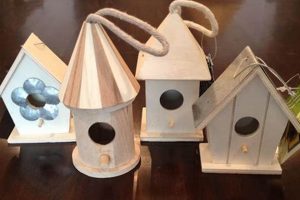
Collaborative woodworking endeavors, undertaken by multiple family members, encompass a wide array of constructive activities. These ventures can range from the creation of simple toys or decorative items to more complex undertakings such as furniture construction or the building of functional structures for the home or garden. These projects provide opportunities for skill-building and shared accomplishment.
Such collaborative efforts foster intergenerational connection, provide avenues for teaching practical skills, and cultivate a sense of pride in shared creations. Historically, these activities have served as vital components of household economies and have been passed down through generations, transmitting knowledge of craftsmanship and resourcefulness. The benefits extend beyond the tangible product, encompassing improved problem-solving abilities, enhanced creativity, and strengthened familial bonds.
The following sections will explore the selection of appropriate woodworking endeavors, the necessary tools and safety considerations, design and planning methodologies, and techniques for effective collaboration among family members of varying ages and skill levels. This information aims to provide a practical guide for successfully implementing and enjoying these constructive activities.
Guidance for Collaborative Woodworking Endeavors
The subsequent points provide practical advice for maximizing the success and enjoyment of collaborative woodworking endeavors. Careful consideration of these suggestions can mitigate potential challenges and enhance the overall experience.
Tip 1: Project Selection: Initiate endeavors with projects appropriate for the skill levels and ages of all participants. Simple birdhouses, small toy chests, or basic picture frames provide excellent starting points.
Tip 2: Safety Protocols: Establish and enforce stringent safety rules before commencing any work. Ensure all participants understand the proper use of tools and the importance of wearing appropriate safety gear, such as eye protection and gloves.
Tip 3: Tool Familiarization: Provide thorough instruction on the safe and effective operation of each tool utilized in the project. Supervise tool usage closely, especially for younger participants or those with limited experience.
Tip 4: Task Delegation: Divide tasks based on individual capabilities and interests. This approach ensures that everyone contributes meaningfully and that the workload is distributed equitably.
Tip 5: Clear Communication: Maintain open and clear communication throughout the project. Encourage questions and provide constructive feedback to facilitate learning and prevent errors.
Tip 6: Realistic Expectations: Establish realistic expectations regarding project completion time and potential imperfections. Emphasize the process of learning and collaboration over achieving flawless results.
Tip 7: Workspace Organization: Maintain a clean and organized workspace to minimize the risk of accidents and maximize efficiency. Ensure that tools and materials are readily accessible and that the work area is free from obstructions.
Tip 8: Documenting Progress: Consider documenting the progress of the project through photographs or video recordings. This provides a tangible record of the collaborative effort and serves as a source of pride and accomplishment.
Adherence to these guidelines promotes a safe, enjoyable, and productive experience. The benefits extend beyond the creation of a tangible object, encompassing skill development, enhanced relationships, and lasting memories.
The following section will provide insight to concluding remarks summarizing key benefits of family-oriented woodworking projects and suggestions for maintaining interest in the craft.
1. Safety Awareness

Safety awareness is paramount in any woodworking environment, particularly when family members of varying ages and skill levels participate. The inherent risks associated with power tools, sharp instruments, and potentially hazardous materials necessitate a proactive and comprehensive approach to accident prevention.
- Tool Operation Instruction
Proper instruction on the operation of each tool is crucial. Woodworking tools, even seemingly simple hand tools, can cause injury if used incorrectly. Instruction must include demonstrations of proper technique, emphasis on safety mechanisms, and warnings about potential hazards. For example, children using a hand saw should be instructed on how to maintain a safe distance from the blade and how to securely clamp the workpiece. Misuse of power tools is a leading cause of accidents in woodworking shops. Comprehensive training and strict supervision are essential to mitigate risks.
- Personal Protective Equipment (PPE)
The consistent and correct use of Personal Protective Equipment is non-negotiable. Safety glasses or face shields protect the eyes from flying debris. Hearing protection mitigates the damaging effects of prolonged exposure to loud machinery. Dust masks or respirators prevent the inhalation of sawdust, which can cause respiratory problems. Gloves protect hands from splinters and abrasions. The selection of appropriate PPE and the enforcement of its use are critical components of a safe woodworking environment. An example is requiring all participants to wear safety glasses when using power sanders to protect against airborne particles.
- Workspace Management
A clean and organized workspace reduces the risk of accidents. Cluttered work areas can lead to tripping hazards and impede access to tools and emergency exits. Proper storage of tools and materials minimizes the likelihood of accidental contact with sharp objects. Regular cleaning and maintenance of the workspace are essential for preventing accidents. An example includes designating specific areas for cutting, assembly, and finishing to prevent cross-contamination and maintain order.
- First Aid Preparedness
Having a well-stocked first aid kit and personnel trained in basic first aid are essential. Accidents can and do happen, despite the best precautions. Knowing how to respond quickly and effectively to injuries can minimize their severity. The first aid kit should include items such as bandages, antiseptic wipes, burn cream, and eyewash. Family members should be trained in basic first aid procedures, including how to treat cuts, burns, and eye injuries. Designating a specific person to be responsible for first aid during each woodworking session ensures a prompt and appropriate response in case of an emergency.
These elements are all interwoven. Without instruction, PPE becomes ineffective. Disorganization increases chances of misuse. Moreover, preparedness mitigates consequences. Collectively, they are the foundation for safety awareness. Through these proactive measures, family oriented projects can transform from potentially hazardous activities into constructive experiences.
2. Project Selection

Project selection forms the cornerstone of successful family woodworking endeavors. The appropriateness of the chosen project directly influences engagement, skill development, and, ultimately, the overall satisfaction derived from the experience. Inadequate project selection can lead to frustration, discouragement, and potential safety hazards.
- Skill Level Alignment
Projects must align with the collective skill level of the participants. Introducing overly complex techniques or designs can overwhelm less experienced members, leading to mistakes and a diminished sense of accomplishment. Conversely, projects that are too simple may fail to engage more skilled individuals. A balanced approach, where the project presents a moderate challenge while remaining attainable, fosters both learning and enjoyment. An example is a basic birdhouse construction for novices, gradually progressing to more intricate designs as proficiency increases.
- Age Appropriateness
Age considerations are critical. Younger children require projects with minimal complexity and reduced reliance on potentially dangerous tools. Simpler tasks, such as sanding or painting pre-cut components, can provide valuable learning experiences without compromising safety. Older children and adolescents can engage in more demanding tasks under close supervision. Age-appropriate project selection ensures that all participants can contribute meaningfully and safely. For instance, a parent can supervise a teenager’s use of a jigsaw while a younger child assembles pre-cut pieces.
- Time Commitment Assessment
The estimated time commitment of a project should be realistic and manageable. Ambitious projects that require excessive time investment can strain family resources and lead to premature abandonment. Shorter, more focused projects, such as building a small toy or a decorative item, provide a quicker sense of accomplishment and maintain engagement. The available time and the patience levels of all participants must be considered. Dividing larger projects into smaller, manageable phases can also help to mitigate the time commitment challenge. An example is completing a small wooden box over a weekend versus attempting to build a complex piece of furniture in the same timeframe.
- Resource Availability and Cost
Project selection should consider the availability of tools, materials, and financial resources. Undertaking a project that requires specialized equipment or expensive materials can create unnecessary stress and financial strain. Utilizing readily available materials and tools that are already on hand can significantly reduce costs and simplify the process. Projects should be scaled to match the available resources. For example, using reclaimed wood for a simple shelving unit instead of purchasing expensive hardwoods for a more complex project can make woodworking more accessible and sustainable.
These factors underscore the importance of careful project selection. Through thoughtful consideration of skill level, age appropriateness, time commitment, and resource availability, families can ensure that their woodworking endeavors are both enjoyable and productive, fostering a lasting appreciation for the craft. Starting simple with family woodworking endeavors guarantees a rewarding and enriching experience for everyone involved.
3. Tool Proficiency

Tool proficiency is central to the success and safety of any woodworking project, particularly within the context of family endeavors. Competence in tool operation directly impacts project quality, participant safety, and the overall enjoyment of the shared activity.
- Safe Operation Practices
Comprehensive understanding of safe operating procedures for each tool is paramount. This includes knowledge of safety guards, proper grip techniques, and appropriate personal protective equipment. For instance, when using a table saw, understanding the function of the blade guard, kickback pawls, and feather boards is essential to prevent accidents. In a family setting, this knowledge must be clearly communicated and consistently enforced, especially when children are involved. Neglecting safety precautions can lead to severe injuries and undermine the positive experience of collaborative woodworking.
- Maintenance and Care
Proficiency extends beyond operation to encompass proper tool maintenance and care. Regular cleaning, sharpening, and lubrication are necessary to ensure optimal performance and longevity. A dull blade on a hand plane, for example, can lead to inefficient cutting and increased effort, potentially causing fatigue and errors. Teaching family members how to maintain their tools instills a sense of responsibility and appreciation for the equipment, contributing to a more sustainable and enjoyable woodworking practice.
- Selection of Appropriate Tools
Tool proficiency includes the ability to select the appropriate tool for a given task. Using the wrong tool can compromise the quality of the work and increase the risk of injury. For example, attempting to cut a mortise with a chisel that is too wide or not sharp enough can result in a poorly executed joint and potential damage to the workpiece. Demonstrating and explaining the specific applications of various tools is a crucial aspect of developing proficiency, particularly for novice woodworkers.
- Troubleshooting and Problem Solving
Advanced tool proficiency involves the ability to troubleshoot and solve problems that arise during woodworking projects. This includes recognizing when a tool is malfunctioning, identifying the cause of the problem, and implementing appropriate solutions. For instance, if a drill bit is overheating, understanding the cause (e.g., excessive speed, dull bit) and implementing a remedy (e.g., reducing speed, sharpening the bit) is essential for maintaining efficiency and preventing damage to the tool or workpiece. This ability fosters independence and resourcefulness, empowering family members to overcome challenges and complete projects successfully.
These facets of tool proficiency collectively determine the success and safety of woodworking projects. By prioritizing instruction, maintenance, proper selection, and problem-solving skills, families can create a positive and enriching woodworking environment, fostering a lifelong appreciation for craftsmanship and collaboration. Emphasizing family involvement ensures sustained learning, skill application, and promotes enjoyable outcomes.
4. Skill Development

The intersection of skill development and family woodworking projects presents a mutually beneficial relationship. Engaging in these activities provides practical applications for acquiring and refining a range of skills, impacting cognitive, physical, and social domains. The collaborative nature of woodworking projects fosters an environment conducive to learning and mentorship, accelerating the development of essential competencies. The act of planning a project, for example, necessitates critical thinking and problem-solving, as individuals must consider design constraints, material properties, and construction techniques. Actual execution then demands fine motor skills for precise cutting, shaping, and assembly. The success of a project hinges on the team’s ability to communicate effectively and resolve conflicts, thereby strengthening interpersonal skills. These diverse skill sets, honed through practical application, contribute significantly to individual growth and development.
Moreover, woodworking projects offer tangible opportunities for applying abstract concepts from academic disciplines. Mathematics is integral for measuring, calculating angles, and determining material quantities. Principles of physics are relevant when considering structural integrity and load-bearing capacity. Even artistic skills are exercised through design and finishing processes. For instance, when constructing a simple bookshelf, family members must apply mathematical principles to calculate shelf spacing and material dimensions, understand the physics of weight distribution to ensure stability, and employ artistic techniques to apply a visually appealing finish. This integrated approach to learning not only reinforces academic knowledge but also demonstrates its real-world relevance, enhancing motivation and engagement.
In conclusion, family woodworking projects serve as a powerful catalyst for skill development across multiple domains. The hands-on nature of the activities promotes active learning, while the collaborative environment fosters mentorship and communication. By providing practical applications for academic concepts and demanding problem-solving, critical thinking, and fine motor skills, woodworking projects contribute significantly to individual and collective growth. The success of these endeavors hinges on a commitment to safety, clear communication, and a willingness to embrace challenges as opportunities for learning and skill enhancement, transforming family time into a valuable educational experience.
5. Collaboration Strategies
Effective collaboration is essential for maximizing the benefits of family woodworking projects. The success of these endeavors depends not only on individual skills but also on the ability of family members to work together harmoniously, leveraging diverse strengths and perspectives towards a common goal.
- Task Delegation and Role Assignment
Clear delegation of tasks based on individual skills and interests optimizes efficiency and reduces conflict. Assigning specific roles, such as design lead, materials manager, or assembly expert, allows family members to focus on their areas of competence. This approach not only streamlines the workflow but also promotes a sense of ownership and accountability. For example, a family member with a knack for detail could be responsible for finishing, while another with spatial reasoning skills might focus on assembly.
- Communication Protocols
Establishing clear communication protocols is vital for preventing misunderstandings and resolving disagreements. Regular check-ins, both formal and informal, provide opportunities to discuss progress, address challenges, and share ideas. Active listening and respectful dialogue are essential components of effective communication. For example, designating a specific time during each woodworking session for team discussions can facilitate open communication and prevent small issues from escalating into larger problems.
- Conflict Resolution Techniques
Disagreements are inevitable in any collaborative endeavor. Implementing effective conflict resolution techniques is crucial for maintaining a positive working environment. Encourage family members to express their concerns constructively and to seek mutually agreeable solutions. Facilitation by a neutral party, such as a parent or grandparent, can help to mediate disputes and ensure that all voices are heard. For example, when family members disagree on a design element, engaging in a brainstorming session to explore alternative options can lead to a compromise that satisfies everyone.
- Shared Decision-Making Processes
Involving all family members in key decision-making processes fosters a sense of ownership and commitment. This can range from selecting the project design to determining the finishing techniques. Utilizing democratic approaches, such as voting or consensus-building, can ensure that all perspectives are considered and that decisions are made collectively. For example, allowing family members to vote on different design options can promote a sense of inclusivity and shared responsibility for the project’s outcome.
In summary, the application of strategic collaboration techniques significantly enhances the experience and outcomes of family woodworking projects. By prioritizing clear communication, task delegation, conflict resolution, and shared decision-making, families can create a supportive and productive environment that fosters skill development, strengthens relationships, and promotes lasting memories. A focus on family involvement is a proven way to help maintain positive relationships.
6. Creative Expression

The intersection of creative expression and collaborative woodworking provides a unique avenue for self-expression, skill enhancement, and familial bonding. These projects offer participants the opportunity to translate abstract ideas into tangible forms, fostering innovation and personal fulfillment.
- Design Conceptualization and Personalization
Woodworking projects provide a platform for design conceptualization, wherein individuals can generate original ideas or adapt existing plans to reflect personal preferences. Customization can extend to the selection of wood species, finishing techniques, and decorative elements. A family constructing a toy chest, for example, might incorporate personalized engravings or paint schemes to reflect the child’s interests, thereby transforming a functional object into a unique expression of affection.
- Material Exploration and Experimentation
The inherent characteristics of wood, such as grain patterns, color variations, and texture, offer opportunities for creative exploration. Woodworking encourages experimentation with different materials, finishes, and joinery techniques, allowing participants to develop their aesthetic sensibilities. A family creating a cutting board, for instance, might experiment with combining different wood types to create visually appealing patterns, fostering an appreciation for natural materials and design principles.
- Problem-Solving and Innovation in Execution
Woodworking projects often present unforeseen challenges that require creative problem-solving. Adapting techniques to overcome obstacles, improvising solutions, and developing innovative approaches to construction are integral components of the creative process. When building a birdhouse, encountering an issue with structural stability might necessitate the development of a unique bracing system, demonstrating resourcefulness and adaptability.
- Artistic Finishing and Embellishment Techniques
The application of finishes, such as stains, paints, varnishes, and decorative carvings, provides opportunities for artistic expression. These techniques allow participants to enhance the aesthetic appeal of their projects and infuse them with personal style. A family decorating a picture frame, for example, might employ wood burning techniques or intricate paint designs to create a unique and personalized piece of art.
These projects, by their nature, permit tangible and lasting examples of collective artistry. The aforementioned techniques showcase artistic expression through collaborative woodworking, demonstrating how functional projects are transformed into family heirlooms, fostering a lasting appreciation for craftsmanship and creativity.
The realization of shared accomplishment serves as a core motivator and unifying element within family woodworking projects. The collaborative nature of these endeavors fosters an environment where individual contributions culminate in a tangible and mutually recognized outcome. Successful completion of a woodworking project creates a shared narrative of effort, skill, and cooperation, strengthening familial bonds and generating a lasting sense of collective pride. The positive effects of shared accomplishment are evident in various scenarios. A family constructing a picnic table together experiences the satisfaction of creating a functional object that enhances their outdoor living space. This shared endeavor provides opportunities for intergenerational learning, skill transfer, and the cultivation of a strong work ethic. The presence of a physical manifestation of this collaborative achievement serves as a constant reminder of the positive interaction and collective capabilities of the family unit. The importance of fostering this experience is rooted in the enhancement of family cohesion and the creation of lasting memories.
The practical significance of understanding the connection between shared accomplishment and family woodworking projects lies in the conscious design and execution of these activities. Project selection should prioritize opportunities for meaningful contributions from all participants, regardless of age or skill level. Clear roles and responsibilities, coupled with open communication channels, facilitate efficient collaboration and ensure that each family member feels valued and recognized for their efforts. For instance, designating specific tasks to different family members, such as measuring, cutting, assembling, or finishing, allows for equitable participation and a sense of shared ownership. Celebrating milestones along the way and acknowledging individual contributions reinforces the value of teamwork and promotes a positive and supportive atmosphere. This structured approach maximizes the likelihood of achieving a successful outcome and fostering a strong sense of shared accomplishment.
In conclusion, the principle of shared accomplishment forms a vital component of family woodworking projects. The tangible output of these collaborative activities serves as a constant reminder of the family’s collective effort and capabilities. While challenges may arise during the construction process, focusing on the shared goal and emphasizing positive communication strategies enhances the likelihood of achieving a successful outcome. The lasting benefits of shared accomplishment, including strengthened familial bonds, enhanced self-esteem, and the creation of lasting memories, highlight the importance of incorporating this principle into the design and execution of all family woodworking endeavors. Ultimately, the projects, regardless of complexity, become more than mere functional objects; they are transformed into family heirlooms and symbols of collective achievement.
Frequently Asked Questions
The following addresses common inquiries concerning undertaking woodworking projects collaboratively with family members. The information aims to provide clarity on key considerations for a safe and productive experience.
Question 1: What are essential safety precautions when engaging in woodworking projects with children?
Strict adherence to safety protocols is paramount. This includes mandatory use of personal protective equipment (PPE) such as safety glasses, hearing protection, and dust masks. Comprehensive instruction on the safe operation of all tools, constant supervision, and a well-organized workspace are critical for minimizing risks.
Question 2: How can project selection be optimized for varying skill levels within a family?
Projects should be chosen based on the lowest common denominator of skill, allowing all participants to contribute meaningfully. Begin with simple projects and gradually increase complexity as skills improve. Consider delegating tasks based on individual strengths and interests to ensure engagement and success.
Question 3: What tools are recommended for initiating family woodworking projects?
A basic set of hand tools, including a hand saw, hammer, screwdrivers, measuring tape, and sandpaper, is sufficient for beginners. As projects become more complex, consider adding power tools such as a drill, sander, and jigsaw. Prioritize quality and safety features when selecting tools.
Question 4: How can disagreements be effectively managed during collaborative woodworking activities?
Establish clear communication channels and encourage respectful dialogue. Implement a structured decision-making process, such as voting or consensus-building, to ensure all voices are heard. Designate a neutral party to mediate disputes and facilitate compromise.
Question 5: What are effective strategies for maintaining the interest and engagement of all family members throughout a project?
Choose projects that align with the interests of all participants. Provide opportunities for creative expression and personalization. Celebrate milestones and acknowledge individual contributions to foster a sense of accomplishment. Maintain a positive and supportive environment.
Question 6: How can completed family woodworking projects be properly maintained to ensure longevity?
Apply appropriate finishes, such as sealants or varnishes, to protect the wood from moisture and damage. Regularly clean and inspect projects for signs of wear and tear. Store projects in a dry, climate-controlled environment to prevent warping or cracking.
The key to successful family woodworking lies in careful planning, clear communication, and a commitment to safety. By addressing these common concerns, families can embark on woodworking projects with confidence and create lasting memories.
The next section will provide insight to concluding remarks summarizing key benefits of family-oriented woodworking projects and suggestions for maintaining interest in the craft.
Conclusion
The preceding discussion has explored the multifaceted benefits and considerations associated with family woodworking projects. Key aspects have included safety protocols, appropriate project selection, tool proficiency, collaborative strategies, and the cultivation of creative expression. The emphasis has been placed on understanding the role these projects play in skill development, strengthening familial bonds, and fostering a sense of shared accomplishment.
The decision to engage in family woodworking projects should be approached with a clear understanding of the responsibilities and potential rewards involved. By prioritizing safety, planning thoughtfully, and fostering a spirit of collaboration, families can transform these projects into valuable experiences. The enduring impact of these efforts extends beyond the creation of tangible objects, contributing to the development of resourceful, skilled, and interconnected family units. The long-term success of these ventures lies in their ability to transmit valuable knowledge and create lasting memories across generations.