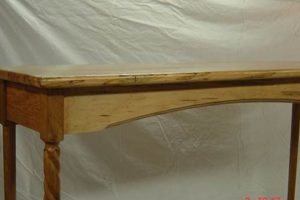
The creation of bespoke wooden structures and features tailored to individual client specifications constitutes a specialized area within carpentry. This discipline involves the design, fabrication, and installation of unique items, ranging from furniture and cabinetry to architectural millwork and decorative elements. Examples include handcrafted dining tables constructed from reclaimed lumber, meticulously designed kitchen islands incorporating integrated storage solutions, or elaborate crown molding replicating historical styles.
This approach offers several advantages over mass-produced alternatives, including the ability to precisely match existing aesthetics, maximize space utilization, and incorporate personalized design elements. Historically, such craftmanship represented the standard for construction and furnishing, with skilled artisans shaping materials to meet the specific needs and preferences of their patrons. The resulting pieces often possess enduring quality and artistic value, serving as lasting testaments to both the client’s vision and the maker’s skill.
The following sections will delve into the specific aspects of this specialized trade, exploring the various techniques, materials, and design considerations involved in bringing unique woodworking projects to fruition. Attention will be paid to the tools and skills required, as well as the process of collaborating with clients to achieve their desired outcomes. The aim is to provide a comprehensive overview of the considerations involved in commissioning or undertaking such projects.
Expert Guidance on Commissioning Bespoke Woodwork
The following recommendations are intended to assist individuals in achieving optimal results when engaging in custom woodworking projects. Careful consideration of these points can contribute significantly to the success and satisfaction derived from the endeavor.
Tip 1: Define Project Scope with Precision: Clearly articulate the intended purpose, dimensions, and functional requirements of the item. A detailed brief minimizes ambiguity and ensures the final product aligns with expectations. For example, specify exact storage needs for a custom cabinet, including shelf depths and drawer configurations.
Tip 2: Material Selection is Paramount: Investigate the properties of different wood species in relation to their intended application. Hardwoods offer durability for high-traffic areas, while softwoods may be suitable for decorative elements. Consider factors like grain patterns, moisture resistance, and finishing characteristics.
Tip 3: Emphasize the Importance of Design Review: Scrutinize preliminary designs and shop drawings meticulously. Ensure all dimensions, proportions, and aesthetic details are accurately represented and conform to the overall vision. Request revisions as needed before fabrication commences.
Tip 4: Surface Treatment and Finishing are Key: Understand the impact of various finishes on the wood’s appearance and durability. Choose appropriate stains, sealants, and topcoats based on the desired aesthetic and the item’s exposure to wear and tear. Consider the long-term maintenance requirements of each finish.
Tip 5: Prioritize Installation Quality: Ensure proper installation techniques are employed to guarantee the longevity and structural integrity of the finished product. Consider hiring experienced installers familiar with the specific challenges associated with custom woodwork. Precise leveling and secure fastening are crucial.
Tip 6: Budget Realistically and Account for Contingencies: Custom projects often involve unforeseen challenges and adjustments. Establish a realistic budget that incorporates a contingency fund to address potential cost overruns due to material price fluctuations or design modifications.
These guidelines offer a framework for navigating the process of procuring custom woodwork effectively. Attention to detail, clear communication, and a proactive approach will contribute significantly to a successful outcome.
The ensuing discussion will address the challenges and opportunities specific to commercial applications of custom woodwork.
1. Bespoke Design
Bespoke design constitutes the foundational element that distinguishes v&o custom woodworking from standardized manufacturing processes. It represents a commitment to crafting unique, tailored solutions that precisely address the specific needs and preferences of each client.
- Needs Assessment and Conceptualization
The initial phase involves a thorough evaluation of the client’s requirements, encompassing functional considerations, spatial constraints, and aesthetic aspirations. This process often includes detailed consultations, site visits, and the development of preliminary sketches or 3D models to visualize the proposed design. A real-world example would be adapting the dimensions of a built-in bookcase to accommodate an existing collection of rare books, ensuring both optimal storage and visual harmony within the room.
- Material Specification and Integration
Bespoke design necessitates the careful selection of materials that align with the overall aesthetic and functional requirements of the project. This includes considering factors such as wood species, finishes, hardware, and other complementary elements. For instance, a client might request the use of sustainably harvested cherry wood for a dining table, paired with hand-forged iron hardware to achieve a rustic yet elegant aesthetic. The design process integrates these material choices seamlessly to create a cohesive and visually appealing result.
- Fabrication Techniques and Customization
The execution of bespoke designs often requires the application of specialized fabrication techniques and tools. This may involve intricate joinery, custom carving, or the integration of unique hardware solutions. For example, a client seeking a reproduction of an antique writing desk might require the use of traditional dovetail joinery and hand-applied finishes to replicate the original’s character and craftsmanship. The ability to adapt fabrication methods to meet specific design requirements is a hallmark of custom woodworking.
- Iterative Refinement and Client Approval
Bespoke design is an iterative process that involves ongoing collaboration between the client and the craftsman. This includes regular reviews of design drafts, prototypes, and material samples to ensure that the final product aligns with the client’s vision. For example, a client might request modifications to the leg design of a custom coffee table after reviewing a preliminary prototype, leading to further refinements and adjustments until the desired aesthetic is achieved. Client feedback is integral to the successful realization of bespoke designs.
These facets highlight the critical role of bespoke design in enabling v&o custom woodworking to deliver truly unique and personalized solutions. By prioritizing client needs, employing specialized techniques, and fostering collaborative relationships, these projects transcend mere functionality and become expressions of individual style and craftsmanship. The value proposition lies not only in the aesthetic appeal but also in the assurance of a piece tailored precisely to the client’s specific requirements.
2. Material Selection

The choice of materials constitutes a critical juncture in v&o custom woodworking, fundamentally influencing structural integrity, aesthetic characteristics, and longevity. The selection process extends beyond mere preference, requiring a comprehensive understanding of wood species’ inherent properties, including density, grain pattern, moisture resistance, and susceptibility to warping or decay. This understanding directly impacts the durability and suitability of the finished product for its intended purpose. For example, selecting a hardwood like oak for a heavily used dining table offers greater resistance to dents and scratches compared to a softwood such as pine. Conversely, a softwood may be preferable for intricate decorative carvings due to its relative ease of manipulation.
The interplay between material selection and design is paramount. A design calling for intricate joinery necessitates a wood species with sufficient tensile strength to withstand stress. Similarly, the desired finishbe it a natural oil, a varnish, or a paintdictates the appropriate wood type. Some woods accept stains evenly, while others exhibit blotching or uneven absorption. Consider the practical example of crafting a humidified cigar humidor; Spanish cedar is universally chosen due to its aroma, moisture-regulating properties, and resistance to pests, all of which contribute to preserving the quality of the cigars. This demonstrates how material properties are intrinsically linked to the functional requirements of the piece.
Effective material selection in custom woodworking is not merely about aesthetic preference or cost considerations, but a strategic decision-making process guided by an understanding of material science, design principles, and the intended application of the final product. Challenges often arise from balancing client desires with the practical limitations of different materials or sourcing sustainable and ethically harvested wood. Ultimately, informed material selection ensures the creation of a custom piece that meets both aesthetic and functional expectations, standing as a testament to the craftsman’s expertise and attention to detail. This process underscores the integration of knowledge and skill fundamental to superior custom woodworking.
3. Precision Craftsmanship

Precision craftsmanship represents a cornerstone of v&o custom woodworking, demanding meticulous attention to detail and the skillful execution of intricate techniques. It distinguishes handcrafted pieces from mass-produced items, ensuring structural integrity, aesthetic refinement, and lasting value.
- Dimensional Accuracy and Joinery
Dimensional accuracy is paramount, requiring precise measurements and cuts to ensure seamless integration of components. Skilled joinery techniques, such as dovetail, mortise-and-tenon, or mitered joints, provide superior strength and stability. An example would be constructing a custom cabinet where each panel aligns perfectly, creating a visually pleasing and structurally sound piece. Deviation from exact dimensions compromises the overall quality and functionality.
- Surface Preparation and Finishing
Proper surface preparation is crucial for achieving a flawless finish. This involves sanding, filling imperfections, and applying sealers to create a smooth and even surface. The application of stains, paints, or clear coats requires careful technique and attention to detail to achieve the desired aesthetic. A poorly prepared surface results in an uneven or flawed finish, detracting from the overall appearance and reducing the lifespan of the protective coating.
- Hardware Integration and Functionality
The selection and integration of hardware, such as hinges, drawer slides, and knobs, must be executed with precision to ensure smooth operation and longevity. Proper alignment and secure fastening are essential for optimal functionality. An example would be installing drawer slides with precise measurements to ensure smooth and effortless drawer movement. Misalignment or loose hardware can compromise functionality and detract from the overall quality.
- Attention to Detail and Refinement
Precision craftsmanship extends to the smallest details, such as chamfered edges, precisely aligned grain patterns, and meticulously applied finishes. These subtle refinements elevate the overall quality and aesthetic appeal of the piece. For instance, carefully aligning the wood grain on adjoining surfaces creates a sense of visual harmony. Neglecting these details results in a less refined and less valuable product.
These elements of precision craftsmanship are integral to the success of v&o custom woodworking projects, underscoring the importance of skill, experience, and dedication to quality. The commitment to precision ensures that each piece is not only functional but also a testament to the artisan’s expertise.
4. Client Collaboration

Client collaboration is a crucial aspect of v&o custom woodworking, directly influencing project outcomes and overall client satisfaction. It transcends mere communication, representing a structured process of shared decision-making that shapes the design, materials, and execution of each piece.
- Initial Consultation and Needs Assessment
The initial consultation serves as the foundation for subsequent design and fabrication processes. It involves a detailed exchange of information to ascertain the client’s functional requirements, aesthetic preferences, and budgetary constraints. For example, a client commissioning a custom dining table might specify the desired dimensions, seating capacity, wood species, and finish, along with any unique design elements they envision. This stage establishes a clear understanding of the client’s expectations and provides a basis for developing a tailored solution.
- Design Development and Iterative Review
Design development involves translating the initial consultation into tangible plans, sketches, or 3D models. These representations are presented to the client for review, feedback, and iterative refinement. This process allows for adjustments and modifications to ensure the design aligns with the client’s evolving vision. For instance, a client might request changes to the leg design of a table or the configuration of shelves within a custom bookcase after reviewing initial design renderings. This iterative process fosters a sense of ownership and ensures the final product reflects the client’s specific needs.
- Material Selection and Approval
Client collaboration extends to the selection of materials, including wood species, hardware, and finishes. Presenting clients with a range of options, accompanied by detailed explanations of their respective properties and aesthetic characteristics, empowers them to make informed decisions. For example, a client might choose between different types of wood based on grain pattern, color, and durability, or select hardware that complements the overall design aesthetic. Client approval of material samples ensures that the final product meets their expectations regarding quality and appearance.
- Ongoing Communication and Project Updates
Maintaining open lines of communication throughout the project lifecycle is essential for addressing any questions, concerns, or unforeseen challenges that may arise. Regular project updates, including progress reports and photographs, keep the client informed and engaged. This transparency fosters trust and ensures that the project remains aligned with their expectations. For instance, a client might be notified of a delay in material procurement or a modification to the construction schedule due to unforeseen circumstances. Proactive communication allows for collaborative problem-solving and minimizes potential disruptions.
Effective client collaboration is integral to achieving successful outcomes in v&o custom woodworking. By actively involving clients in the design, material selection, and execution processes, craftsmen can create pieces that not only meet functional requirements but also reflect the client’s unique style and personality. This collaborative approach transforms custom woodworking from a service into a partnership, fostering long-term relationships and ensuring client satisfaction.
5. Installation Expertise
Installation expertise forms a critical, often undervalued, component of v&o custom woodworking. The most meticulously crafted piece, designed with precision and constructed from premium materials, will fail to achieve its intended purpose and aesthetic if improperly installed. This connection represents a direct cause-and-effect relationship: insufficient installation knowledge leads to compromised structural integrity, diminished visual appeal, and reduced longevity. The importance of this expertise stems from the unique challenges inherent in custom work, where each installation site presents distinct architectural nuances and unforeseen obstacles.
Consider the example of a custom-built library designed to span an entire wall. Inadequate installation could result in uneven weight distribution, leading to sagging shelves and potential structural failure. Similarly, improperly fitted cabinetry may exhibit unsightly gaps or misaligned doors, detracting from the intended aesthetic. Installation expertise extends beyond simply securing the piece in place; it encompasses understanding building codes, accounting for wall irregularities, and employing specialized techniques to ensure a seamless and structurally sound integration with the surrounding environment. Experienced installers anticipate potential issues and implement preventative measures, mitigating risks and ensuring the longevity of the investment.
In conclusion, the value of v&o custom woodworking is inextricably linked to the expertise applied during installation. A comprehensive understanding of building principles, coupled with meticulous attention to detail, is paramount. Neglecting this aspect compromises the quality and longevity of the piece, ultimately undermining the investment. The integration of installation expertise into the overall process transforms custom woodwork from a mere product into a lasting architectural element, enhancing both the functionality and aesthetic value of the space.
6. Finish Application

Finish application represents a critical phase in v&o custom woodworking, fundamentally influencing both the aesthetic character and protective qualities of the completed piece. It transcends mere cosmetic enhancement, serving as a crucial barrier against environmental factors and physical wear. Therefore, the selection and execution of the finish directly impact the long-term value and usability of custom woodworking projects.
- Surface Preparation and Adhesion
Surface preparation is paramount to ensuring proper finish adhesion and a uniform appearance. This process involves meticulous sanding, cleaning, and sealing to create a smooth, receptive surface. For example, applying a stain to raw wood without proper sanding can result in uneven color absorption and blotching. Similarly, failing to remove dust or contaminants can compromise adhesion, leading to peeling or bubbling. The efficacy of the finish is directly proportional to the quality of the surface preparation.
- Finish Selection and Compatibility
The choice of finish must align with the intended use, aesthetic goals, and wood species. Options range from penetrating oils and varnishes to lacquers, polyurethanes, and paints, each offering distinct characteristics in terms of durability, sheen, and application technique. Selecting an incompatible finish can lead to adhesion problems, discoloration, or premature failure. For instance, using a water-based finish over an oil-based stain may result in poor adhesion and a cloudy appearance. Careful consideration of compatibility is essential for achieving optimal results.
- Application Techniques and Consistency
Proper application techniques are critical for achieving a consistent, flawless finish. This includes selecting appropriate tools, such as brushes, sprayers, or wiping cloths, and employing controlled application methods to avoid drips, runs, or uneven coverage. Achieving a uniform thickness and consistent sheen requires skill and attention to detail. For example, using a high-volume, low-pressure (HVLP) sprayer allows for precise control over the application of lacquer, minimizing overspray and ensuring a smooth, even finish. Mastery of application techniques is fundamental to the overall quality of the finished piece.
- Protective Properties and Longevity
The finish provides a protective barrier against moisture, UV radiation, scratches, and other environmental factors. Selecting a finish with appropriate protective properties is essential for ensuring the longevity and durability of the custom woodworking piece. For example, applying a marine-grade varnish to outdoor furniture protects it from the damaging effects of sunlight and moisture, extending its lifespan. Regular maintenance and reapplication of the finish may be necessary to preserve its protective qualities over time. The longevity of the finish directly impacts the long-term value and usability of the piece.
These elements underscore the significance of finish application in v&o custom woodworking. By prioritizing surface preparation, selecting compatible finishes, employing proper application techniques, and considering protective properties, craftsmen can ensure that their creations not only meet aesthetic expectations but also withstand the test of time. The meticulous application of the finish elevates custom woodworking from a mere craft to a lasting art form, enhancing both its beauty and its functional value.
7. Budget Management
Budget management constitutes a critical determinant in the feasibility and scope of v&o custom woodworking projects. The allocation of financial resources directly influences material selection, design complexity, and the level of craftsmanship achievable. Insufficient budget planning can result in compromised material quality, simplified designs lacking desired features, or the need to reduce the scope of the project. Conversely, meticulous budget management allows for informed decisions regarding resource allocation, ensuring optimal value and alignment with client expectations. For example, a client with a limited budget might need to prioritize specific features or opt for more cost-effective wood species, while a client with a larger budget can afford premium materials, intricate designs, and enhanced finishes. Therefore, the budget acts as a framework within which design possibilities are explored and realized.
Effective budget management in custom woodworking necessitates a detailed understanding of material costs, labor expenses, and overhead. Accurate estimates, based on comprehensive project specifications, are essential for avoiding cost overruns and ensuring project profitability. Contingency planning plays a crucial role, accounting for potential unforeseen expenses such as material price fluctuations or design modifications. A real-world example involves a large-scale custom cabinetry project where unexpected structural issues in the existing building required additional labor and material costs. A well-managed budget would have allocated a contingency fund to address such unforeseen challenges, preventing significant financial strain. Similarly, transparent communication with the client regarding budgetary limitations and potential cost-saving measures is vital for maintaining trust and managing expectations. Openly discussing alternative material options or design simplifications can allow the project to proceed within the allocated budget without sacrificing essential functionality or aesthetic appeal.
In conclusion, budget management is not merely an administrative function but an integral component of successful v&o custom woodworking. It dictates the parameters within which design and craftsmanship can flourish, influencing the final outcome and client satisfaction. Challenges in budget management often arise from inaccurate estimates, scope creep, or unforeseen complications. However, by implementing robust budgeting practices, maintaining transparent communication with clients, and diligently monitoring project expenses, custom woodworking professionals can navigate these challenges and deliver exceptional results within defined financial constraints. The careful management of resources ensures that the project remains financially viable while adhering to the highest standards of quality and craftsmanship.
Frequently Asked Questions About v&o custom woodworking
The following addresses common inquiries regarding the nature, scope, and execution of custom woodworking projects. The information provided aims to clarify potential misunderstandings and offer guidance to those considering such an undertaking.
Question 1: What distinguishes custom woodworking from mass-produced furniture?
Custom woodworking involves the design and fabrication of pieces tailored to specific client needs and preferences, often incorporating unique design elements and materials not found in mass-produced furniture. It prioritizes individualized solutions over standardized offerings.
Question 2: What factors influence the cost of custom woodworking projects?
The cost is determined by several variables, including material selection, design complexity, project size, and labor requirements. Intricate designs, premium materials, and extensive labor hours will typically result in higher project costs.
Question 3: How long does a typical custom woodworking project take to complete?
Project duration varies depending on the scope and complexity of the undertaking. Simpler projects may take a few weeks, while more elaborate designs can require several months. Accurate timelines are established during the initial consultation and design phase.
Question 4: What types of wood are commonly used in custom woodworking?
The selection of wood depends on the desired aesthetic, functional requirements, and budget. Hardwoods like oak, maple, and cherry are often chosen for their durability, while softwoods like pine and cedar are suitable for decorative applications or projects requiring intricate carving.
Question 5: Is it possible to incorporate existing design elements or furniture into a custom woodworking project?
Yes, incorporating existing design elements or furniture is often feasible and can contribute to a cohesive aesthetic. Integration of existing elements is considered during the design process to ensure seamless integration with the new custom piece.
Question 6: What steps should be taken to maintain and preserve custom woodworking pieces?
Proper maintenance involves regular cleaning with appropriate cleaning agents, avoiding exposure to extreme temperatures or humidity, and periodic application of protective finishes or polishes. Specific maintenance recommendations are provided based on the type of finish and materials used.
In summary, understanding the nuances of custom woodworking empowers clients to make informed decisions and ensures a successful project outcome. Clear communication, realistic expectations, and a collaborative approach are essential for achieving optimal results.
The subsequent section will explore case studies illustrating successful applications of custom woodworking in various settings.
Conclusion
This exploration has illuminated the multifaceted nature of v&o custom woodworking, emphasizing its reliance on bespoke design, informed material selection, precision craftsmanship, collaborative client relationships, installation expertise, meticulous finish application, and diligent budget management. Each element functions as an essential component, contributing to the creation of unique, high-quality pieces tailored to individual needs. A thorough understanding of these principles is paramount for achieving successful outcomes in this specialized trade.
The pursuit of excellence in bespoke woodwork demands unwavering commitment to quality and meticulous attention to detail. By embracing these principles, it ensures longevity and stands as enduring testaments to both the artisan’s skill and the client’s vision. Further investigation into specific techniques and emerging trends promises to refine the craft and expand its possibilities.