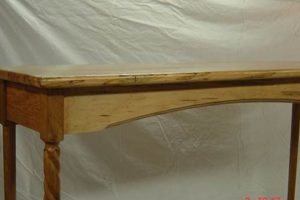
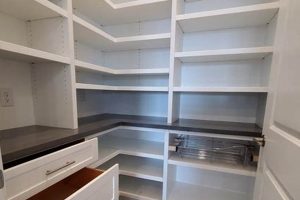
Crafted items, specifically those utilizing lumber and related materials, are frequently tailored to suit the architectural and aesthetic nuances of shoreline regions. Such projects often involve bespoke designs for cabinetry, furniture, and decorative trim intended for properties located near the ocean. Examples include built-in shelving optimized for displaying nautical artifacts and handcrafted tables constructed from weather-resistant timber.
The practice offers multiple advantages, including maximizing space utilization within typically compact coastal dwellings and reflecting the unique character of maritime environments. Historically, woodworking skills have been integral to coastal communities, enabling the creation of durable structures and essential household furnishings designed to withstand the harsh conditions associated with proximity to saltwater and inclement weather. This tradition adds inherent value and authenticity to contemporary iterations.
The following discussion will delve into specific aspects of these specialized creations, covering design considerations, material selection suitable for mitigating the effects of humidity and salinity, and the techniques employed to ensure longevity and enduring beauty. Detailed examination of craftsmanship and the integration of modern technologies will also be presented.
Essential Guidelines
The following guidelines address critical factors to consider when commissioning or engaging in projects related to crafted wooden elements designed for shoreline environments. Careful consideration of these aspects will contribute to the longevity and aesthetic integrity of the finished work.
Tip 1: Material Selection: Prioritize hardwoods known for resistance to moisture and decay. Options such as teak, cypress, and mahogany offer superior performance in humid, saline conditions compared to softwood alternatives. Proper sealing and finishing are essential, regardless of the wood species chosen.
Tip 2: Design Considerations: Integrate design elements that complement the coastal aesthetic while minimizing the impact of environmental stressors. For instance, raised panel doors can mitigate warping due to humidity fluctuations, and thoughtful ventilation strategies can reduce moisture buildup within enclosed spaces.
Tip 3: Hardware Specifications: Select marine-grade stainless steel or brass hardware to prevent corrosion and maintain structural integrity over time. Avoid lesser-quality metals that are susceptible to rust and deterioration, as these can compromise the overall project.
Tip 4: Professional Installation: Engage experienced professionals familiar with the challenges of installing wooden elements in coastal environments. Proper leveling, shimming, and secure fastening are crucial to prevent movement and distortion due to settling or environmental factors.
Tip 5: Routine Maintenance: Implement a regular maintenance schedule that includes cleaning, inspection, and reapplication of protective coatings. This proactive approach can extend the lifespan of the wooden elements and prevent costly repairs in the future.
Tip 6: Proper Ventilation: Optimize air circulation to reduce moisture accumulation. This can be achieved through strategically placed vents, open shelving designs, and the use of dehumidifiers in enclosed areas.
Adherence to these guidelines helps ensure durability and sustained visual appeal. These considerations result in a valuable enhancement to properties located within shoreline settings.
Subsequently, the article will explore advanced techniques and evolving trends that shape this niche within the broader woodworking industry.
1. Material Durability

The selection of enduring materials is paramount in projects related to specialized wooden structures in shoreline environments. The inherent characteristics of these materials directly impact the longevity and structural integrity of installations exposed to harsh coastal conditions.
- Resistance to Decay
Timber used in proximity to saltwater is vulnerable to fungal decay and insect infestation. Species such as teak, cypress, and redwood possess natural oils and extractives that deter these destructive organisms. Proper treatment with preservatives further enhances resistance, extending the lifespan of the woodwork.
- Dimensional Stability
Fluctuations in humidity and temperature are prevalent in coastal regions, leading to expansion and contraction of wood. Dimensionally stable materials, like quarter-sawn lumber, minimize warping, cracking, and joint failure. Controlled drying processes are crucial to achieve this stability.
- Weather Resistance
Exposure to sunlight, wind, and salt spray accelerates the degradation of unprotected wood. Materials with inherent weather resistance, such as marine-grade plywood, withstand these elements effectively. The application of protective coatings, including UV-resistant finishes and sealants, further enhances weatherability.
- Impact Resistance
Coastal environments are susceptible to storms and high winds, which can cause impact damage from debris. Dense, resilient hardwoods, like mahogany and ipe, offer greater resistance to impact than softer woods. Reinforcement with metal fasteners and structural supports can further mitigate potential damage.
Collectively, these aspects of material durability are crucial considerations in the design and construction of specialized wooden structures in shoreline environments. Thoughtful selection and appropriate treatment ensure that wooden elements can withstand the rigors of coastal exposure, providing lasting beauty and functionality for years to come. Proper maintenance further extends the service life, protecting the initial investment.
2. Moisture Resistance

In the context of specialized wooden structures designed for shoreline environments, moisture resistance is not merely a desirable attribute, but a fundamental necessity. The constant exposure to humidity, salt spray, and periodic inundation presents a severe challenge to traditional woodworking practices. Addressing this challenge requires a multifaceted approach encompassing material selection, construction techniques, and protective coatings.
- Wood Species Selection
The choice of wood species is paramount. Woods such as teak, cypress, and mahogany possess natural oils and resins that render them significantly more resistant to water absorption and decay compared to other options. These species exhibit a higher degree of dimensional stability, minimizing warping and cracking when exposed to fluctuating moisture levels. The inherent properties of these materials contribute directly to the longevity and structural integrity of shoreline wooden constructions.
- Protective Coatings and Sealants
Even with naturally resistant wood species, the application of appropriate protective coatings is crucial. Marine-grade varnishes, penetrating epoxy sealers, and specialized paints create a barrier that prevents moisture from penetrating the wood fibers. These coatings must be carefully selected to ensure compatibility with the chosen wood species and to withstand the rigors of the coastal environment, including ultraviolet radiation and abrasive salt spray. Regular maintenance and reapplication of these coatings are essential for sustained protection.
- Construction Techniques
Proper construction techniques play a vital role in mitigating the effects of moisture. Employing joinery methods that minimize water intrusion, such as watertight seams and well-sealed connections, is critical. Incorporating design features that promote drainage and ventilation further reduces the risk of moisture accumulation. Elevated platforms and proper spacing between wooden components allow for air circulation, preventing prolonged exposure to dampness.
- Hardware Selection and Installation
The hardware used in conjunction with shoreline wooden projects must also exhibit exceptional moisture resistance. Stainless steel or brass fasteners are essential to prevent corrosion, which can weaken structural integrity and lead to unsightly staining. Proper installation techniques, including the use of sealant around fasteners, minimize the potential for water to penetrate the wood through screw holes or other openings. Regular inspection and replacement of corroded hardware are necessary for long-term durability.
These interconnected facets of moisture resistance are integral to the successful creation and preservation of shoreline wooden structures. By prioritizing appropriate material selection, employing robust construction techniques, applying effective protective coatings, and utilizing corrosion-resistant hardware, the detrimental effects of moisture can be effectively mitigated, ensuring the long-term functionality and aesthetic appeal of these specialized constructions. Failure to adequately address moisture resistance will inevitably lead to premature deterioration, compromising the investment and potentially posing safety hazards.
3. Design Integrity

In the context of specialized wooden structures designed for shoreline environments, design integrity transcends mere aesthetic appeal. It encompasses the holistic consideration of form, function, durability, and environmental harmony. The principles of design integrity dictate that every element, from structural supports to decorative embellishments, should contribute to the overall resilience and sustainability of the crafted piece.
- Structural Soundness and Load Distribution
Design integrity necessitates that the wooden structure is engineered to withstand the specific environmental stresses of its location, including wind loads, wave action, and seismic activity. Proper load distribution is crucial to prevent localized stress concentrations that could lead to premature failure. Engineering calculations, material testing, and adherence to building codes are integral components of achieving structural soundness in “coastal custom woodwork.” For example, pilings supporting a waterfront deck must be sized and spaced appropriately to withstand storm surges and maintain the integrity of the deck surface.
- Material Selection and Environmental Compatibility
The choice of materials must be aligned with the prevailing climate and environmental conditions. Using durable, weather-resistant species, like teak or cypress, ensures longevity and minimizes the need for frequent repairs or replacements. Design integrity dictates that the chosen materials are sustainably sourced and have minimal environmental impact. For instance, using reclaimed wood or wood certified by the Forest Stewardship Council (FSC) demonstrates a commitment to responsible forestry practices. A custom-built outdoor shower constructed from sustainably harvested ipe wood exemplifies material selection rooted in environmental compatibility.
- Functional Aesthetics and User Experience
Design integrity balances aesthetic considerations with practical functionality. The design should enhance the user’s experience while remaining true to the character of the coastal environment. Ergonomic design principles and accessibility considerations should be integrated into the structure to ensure ease of use and safety. Examples include incorporating built-in seating into a deck railing to provide comfortable vantage points or designing a custom entryway with wide steps and handrails to accommodate users of all ages and abilities. These considerations elevate “coastal custom woodwork” beyond mere construction and transform it into a functional work of art.
- Integration with the Surrounding Environment
Design integrity emphasizes harmony between the wooden structure and its surroundings. The design should complement the existing architecture and landscape, creating a sense of visual cohesion. Utilizing natural colors, textures, and forms can help the structure blend seamlessly with the coastal environment. For example, a custom-built pergola covered in native vines can provide shade and visual interest while softening the lines of a modern home. Thoughtful consideration of the surrounding ecosystem can further enhance design integrity, such as incorporating birdhouses or planters into the structure to support local wildlife. This approach transforms “coastal custom woodwork” into an integral component of the coastal ecosystem.
These facets, encompassing structural soundness, material compatibility, functional aesthetics, and environmental integration, collectively define design integrity in “coastal custom woodwork.” When these principles are meticulously applied, the resulting structures are not only aesthetically pleasing but also durable, sustainable, and harmonious with their coastal surroundings. The commitment to design integrity elevates “coastal custom woodwork” beyond mere craftsmanship and transforms it into an enduring testament to human ingenuity and environmental stewardship.
4. Hardware Longevity

The enduring performance of specialized wooden constructions in shoreline environments is inextricably linked to the longevity of the hardware employed. In these aggressive settings, characterized by high humidity, salt spray, and temperature fluctuations, conventional hardware is prone to rapid degradation. Selecting and implementing durable, corrosion-resistant hardware is, therefore, not merely a supplementary consideration, but a critical determinant of the project’s long-term viability.
- Material Composition and Corrosion Resistance
The fundamental attribute of hardware longevity lies in its material composition. Marine-grade stainless steel (typically 316 or higher) and silicon bronze are the preferred materials due to their inherent resistance to chloride-induced corrosion. These alloys form a protective oxide layer that inhibits the propagation of rust, even in direct contact with saltwater. Conversely, carbon steel and low-grade stainless steel fasteners will rapidly corrode, compromising the structural integrity of the wooden assembly. For instance, hinges on a custom-built coastal gate constructed from carbon steel would likely seize and fail within a year, whereas marine-grade stainless steel hinges could endure for decades with minimal maintenance.
- Protective Coatings and Surface Treatments
Even with inherently corrosion-resistant materials, supplementary protective coatings can significantly extend hardware lifespan. Powder coating, passivation, and electroplating with chromium or nickel create a barrier against environmental degradation. These treatments are particularly valuable for hardware that is subjected to abrasion or impact, as they help prevent the exposure of the underlying metal to corrosive elements. An example is the powder-coated stainless steel brackets used to secure a “coastal custom woodwork” pergola to a deck; the coating prevents the formation of rust stains that could detract from the aesthetic appeal of the structure.
- Design Considerations and Electrolytic Action
Hardware longevity is also influenced by design considerations that mitigate the potential for galvanic corrosion. This phenomenon occurs when dissimilar metals are in electrical contact in the presence of an electrolyte (such as saltwater), leading to accelerated corrosion of the more anodic metal. To prevent galvanic corrosion, it is essential to use compatible metals or to isolate dissimilar metals with non-conductive barriers. For example, when attaching copper flashing to a “coastal custom woodwork” window frame, nylon washers should be used to prevent direct contact between the copper and any aluminum or steel fasteners. Similarly, proper drainage design to prevent standing water around hardware can further reduce the likelihood of corrosion.
- Maintenance and Periodic Inspection
Even the most durable hardware requires periodic maintenance to ensure continued performance. Regular cleaning with fresh water to remove salt deposits, lubrication of moving parts, and inspection for signs of corrosion are essential practices. Damaged or corroded hardware should be replaced promptly to prevent further degradation and potential structural failure. For example, the hinges and latches on custom-built cabinetry in a coastal kitchen should be inspected annually for signs of rust or stiffness and lubricated with a marine-grade grease. Failure to perform this routine maintenance can significantly shorten the lifespan of the hardware and compromise the functionality of the “coastal custom woodwork.”
The symbiotic relationship between hardware and specialized wooden creations is evident. Choosing the correct materials contributes to an enhancement of the wooden elements, ensuring a sustained harmony between components. In sum, by prioritizing material composition, applying protective coatings, addressing galvanic corrosion, and implementing a consistent maintenance program, the overall durability, functionality, and aesthetic appeal of the crafted piece can be sustained for prolonged periods. The success is, therefore, intrinsically linked to the effective management of environmental stress through the appropriate application and maintenance of hardware.
5. Installation Precision

The integration of finely crafted wooden elements in shoreline environments demands meticulous installation techniques. The success of coastal custom woodwork hinges not solely on material selection and design but critically on the precision with which these elements are installed. Improper installation negates the benefits of high-quality materials and thoughtful design, leading to premature failure and costly repairs. For instance, a meticulously crafted mahogany door, if hung improperly, will warp, bind, and ultimately fail to seal, exposing the interior to moisture and compromising its intended function. This direct cause-and-effect relationship underscores the importance of skilled craftsmanship during the installation phase.
Specific challenges presented by coastal environments further emphasize the need for installation precision. Unstable soil conditions, fluctuating humidity levels, and the corrosive effects of salt spray necessitate specialized techniques. Leveling structures on uneven terrain requires shimming and proper support, while accounting for expansion and contraction due to temperature changes is crucial to prevent warping and cracking. Furthermore, utilizing corrosion-resistant fasteners and sealants is essential to minimize deterioration caused by salt exposure. Consider a custom-built deck where each support beam must be precisely aligned and anchored to prevent sagging and ensure structural stability. Failure to adhere to these installation standards can result in a compromised structure, posing potential safety hazards.
In conclusion, installation precision represents a critical component of successful “coastal custom woodwork.” It ensures structural integrity, maximizes material longevity, and upholds the aesthetic intent of the design. Addressing the unique challenges posed by shoreline environments requires skilled craftsmanship, specialized techniques, and meticulous attention to detail. While the initial investment in precise installation may be higher, the long-term cost savings and enhanced durability far outweigh the alternative. Thus, installation precision should be viewed as an integral aspect of coastal custom woodwork, essential for realizing the full potential of these specialized creations.
Frequently Asked Questions
The following section addresses common inquiries regarding specialized wooden elements crafted for shoreline environments. The information provided aims to clarify prevalent misconceptions and offer insights into essential considerations.
Question 1: What constitutes the primary differentiator between “coastal custom woodwork” and standard woodworking practices?
The key distinction resides in the specialized focus on material selection and construction techniques designed to withstand the rigors of marine environments. Standard woodworking may not adequately address the challenges posed by saltwater, humidity, and temperature fluctuations.
Question 2: Is there a specific type of wood inherently superior for “coastal custom woodwork” applications?
While several wood species offer enhanced resistance to moisture and decay, teak, cypress, and mahogany are frequently cited as optimal choices. However, proper sealing and maintenance are crucial regardless of the species selected.
Question 3: What is the typical lifespan of custom wooden elements installed in coastal regions?
Lifespan varies significantly based on material quality, installation precision, and the adherence to a regular maintenance schedule. With proper care, installations can endure for several decades.
Question 4: Does “coastal custom woodwork” necessarily entail a higher initial investment compared to standard woodworking projects?
Yes. The utilization of premium materials and specialized construction techniques often results in a higher upfront cost. However, the enhanced durability and reduced maintenance requirements can offset this initial investment over the long term.
Question 5: Are there specific design considerations unique to “coastal custom woodwork”?
Indeed. Design elements that promote drainage, minimize water accumulation, and accommodate expansion and contraction due to temperature variations are essential considerations.
Question 6: How critical is the role of a qualified professional in “coastal custom woodwork” projects?
Engaging experienced professionals familiar with coastal construction techniques is paramount. Proper installation and adherence to best practices are crucial for ensuring the longevity and structural integrity of the finished work.
In summary, “coastal custom woodwork” demands a specialized approach encompassing material selection, design considerations, and installation precision. Prioritizing these aspects contributes to the long-term value and resilience of the crafted wooden elements.
The subsequent section will delve into case studies illustrating the application of these principles in real-world projects.
Conclusion
The preceding exploration has illuminated the specialized demands and inherent benefits associated with crafting wooden elements for shoreline environments. Factors such as material selection, design adaptation, and installation precision are not merely stylistic choices but critical determinants of longevity and structural integrity. Mitigating the corrosive effects of saltwater and the stresses imposed by fluctuating humidity levels requires a comprehensive understanding of both traditional woodworking techniques and contemporary materials science.
Ultimately, successful implementation of custom wooden creations in coastal settings hinges on a commitment to excellence in craftsmanship and a willingness to invest in durable, sustainable solutions. The long-term value derived from reduced maintenance costs and enhanced aesthetic appeal justifies the increased initial investment. Therefore, the judicious application of expertise and meticulous attention to detail ensure these specialized projects not only endure but also enrich the coastal landscapes they inhabit. Continued innovation and adherence to best practices will further elevate the standards within this unique niche of the woodworking industry.