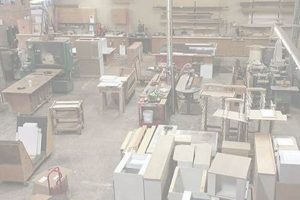
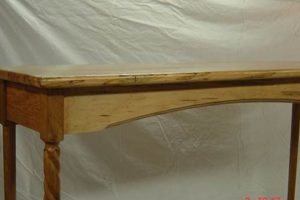
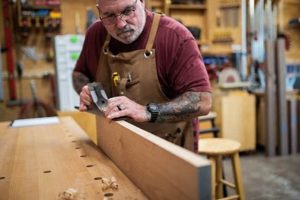
This specialized craft involves the design and creation of wooden structures and objects tailored to individual client specifications. Examples of this work include bespoke cabinetry, unique furniture pieces, and intricately detailed architectural millwork designed to fit particular spaces and aesthetic preferences.
The significance of such craftsmanship lies in its capacity to provide personalized solutions that mass-produced items cannot offer. It allows for optimization of space, reflects individual style, and often results in higher quality and durability. Historically, this type of skilled labor was integral to building construction and interior design, ensuring structures were both functional and aesthetically pleasing.
The subsequent sections will delve into specific examples of custom woodworking projects, explore the factors influencing cost, and consider the selection criteria for a proficient artisan.
Key Considerations for Custom Woodworking Projects
Successful custom woodworking projects necessitate careful planning and informed decision-making. The following tips provide guidance for those seeking to commission such work.
Tip 1: Define Project Scope Precisely: A clear and detailed project description is paramount. This includes specific dimensions, desired materials, finish preferences, and functional requirements. Ambiguity at this stage can lead to misunderstandings and unsatisfactory outcomes.
Tip 2: Select Appropriate Wood Species: Wood selection significantly impacts the final product’s appearance, durability, and cost. Consider factors such as grain pattern, hardness, moisture resistance, and stain absorption. Consult with the craftsman to determine the optimal species for the intended application.
Tip 3: Emphasize Durability and Longevity: Quality craftsmanship and appropriate materials are crucial for ensuring the longevity of custom woodworking projects. Prioritize solid wood construction over composite materials where feasible and insist on durable, high-quality finishes.
Tip 4: Invest in Detailed Shop Drawings: Comprehensive shop drawings are essential for accurate execution of the design. These drawings should include precise dimensions, joinery details, and hardware specifications. Review and approve all drawings before construction begins.
Tip 5: Factor in Environmental Conditions: Wood is a hygroscopic material, meaning it expands and contracts with changes in humidity. Consider the environmental conditions of the intended location when selecting wood species and designing joinery to minimize warping and cracking.
Tip 6: Proper Installation for Long-Term Stability: The quality of installation is as important as the fabrication itself. Ensure that the installation process accounts for building movement and environmental factors. Correctly installed pieces will last longer and maintain their aesthetic appeal.
Tip 7: Communicate Openly Throughout the Process: Maintain consistent communication with the artisan throughout the project. Regularly review progress, address any concerns promptly, and provide timely feedback. Open communication is key to achieving the desired result.
Adherence to these guidelines will contribute to the successful execution of custom woodworking endeavors, resulting in durable, aesthetically pleasing, and functional pieces tailored to specific needs.
The subsequent section will elaborate on the value that experience brings to these types of projects.
1. Design Precision
Design precision, in the context of custom woodworking, refers to the meticulous planning, accurate measurements, and detailed specifications that underpin the creation of any bespoke wooden object or structure. The connection between design precision and specialist woodworking is causal: a lack of precision directly leads to dimensional inaccuracies, structural weaknesses, and aesthetic flaws in the final product. The importance of design precision is paramount, acting as the foundational element upon which all subsequent stages of the woodworking process depend. For example, if the initial design for a custom-built bookcase fails to account for precise shelf spacing or weight distribution, the resulting bookcase may be structurally unsound and aesthetically displeasing.
The practical significance of understanding this connection is evident in project outcomes. High design precision can manifest in complex joinery work that interlocks seamlessly, maximizing both strength and visual appeal. Consider a custom-designed dining table with intricate parquetry patterns. Achieving a flawless result requires precise calculations to ensure each piece fits perfectly, without gaps or misalignments. Computer-Aided Design (CAD) software is often employed to create detailed shop drawings, ensuring adherence to exact specifications during the construction phase. Furthermore, design precision extends beyond dimensional accuracy to include considerations for material properties, load-bearing capacity, and aesthetic harmony with the surrounding environment.
In summary, design precision is not merely a desirable attribute, but an indispensable prerequisite for successful custom woodworking. Challenges arise when translating abstract design concepts into tangible forms, necessitating a deep understanding of both design principles and woodworking techniques. The attainment of excellence in custom woodworking hinges on the integration of precise design with skillful execution, resulting in functional and aesthetically superior pieces.
2. Material Selection

The selection of appropriate materials is paramount in custom woodworking. The characteristics inherent in different wood species and supplementary components directly influence the final product’s aesthetics, durability, and functionality. Informed material choices are therefore critical to fulfilling the client’s vision and ensuring longevity of the commissioned piece.
- Wood Species and Their Properties
The choice of wood species profoundly affects the project. Hardwoods like oak, maple, and walnut offer greater durability and resistance to wear, making them suitable for high-use furniture. Softwoods, such as pine and cedar, are easier to work with and often more cost-effective, appropriate for projects where structural integrity is less critical. The grain pattern, color, and density of each species also contribute significantly to the final visual appeal. For instance, quarter-sawn oak provides greater stability and a distinctive ray fleck pattern, while cherry wood offers a rich, warm hue that deepens with age.
- Adhesives and Fasteners
Adhesives and fasteners play a crucial role in the structural integrity of custom woodworking projects. High-quality wood glues, such as polyvinyl acetate (PVA) or epoxy, provide strong and durable bonds. The selection depends on the wood species, joint type, and environmental conditions. Similarly, the type of fasteners used, whether screws, nails, or dowels, must be carefully considered to ensure adequate holding power without compromising the aesthetic appearance. Brass screws, for example, can add a decorative element, while hidden fasteners maintain a clean, seamless look.
- Finishes and Coatings
Finishes and coatings not only enhance the beauty of the wood but also provide protection against moisture, scratches, and UV damage. Options range from penetrating oils and waxes that highlight the natural grain to durable polyurethane and lacquer finishes that offer greater resistance to wear and tear. The choice of finish depends on the desired aesthetic, the intended use of the piece, and the level of maintenance required. A table subjected to frequent spills, for example, benefits from a water-resistant polyurethane finish, while a decorative piece may be better suited to a hand-rubbed oil finish for a more natural feel.
- Hardware and Accessories
Hardware and accessories, such as hinges, knobs, pulls, and drawer slides, contribute to both the functionality and aesthetic appeal of custom woodworking projects. Selecting high-quality hardware ensures smooth operation and long-term reliability. The style and finish of these components should complement the overall design and the wood species used. For instance, hand-forged iron hardware can enhance the rustic character of a piece made from reclaimed wood, while sleek, modern hardware complements contemporary designs.
In summation, the careful selection of materials in custom woodworking is not merely a matter of preference but a critical aspect of creating durable, functional, and aesthetically pleasing pieces tailored to the client’s specific requirements. An understanding of the properties and characteristics of various materials allows the artisan to optimize the final product, ensuring it meets both functional needs and aesthetic expectations.
3. Joinery Techniques
The structural integrity and aesthetic refinement of specialized woodworking are fundamentally linked to the joinery techniques employed. These techniques, encompassing various methods of connecting wood components, directly influence the durability, stability, and visual appeal of the final product. Their mastery is essential for achieving superior results.
- Mortise and Tenon Joints
Mortise and tenon joints, a time-honored method, involve fitting a projecting tenon from one piece of wood into a mortise (a cavity) in another. This joint provides exceptional strength and resistance to racking forces, making it suitable for structural elements such as table legs and frame-and-panel construction. For example, a meticulously crafted dining table relies on robust mortise and tenon joints to withstand daily use and maintain its structural integrity over time.
- Dovetail Joints
Dovetail joints, characterized by interlocking, fan-shaped projections, are renowned for their strength and aesthetic appeal. They are particularly effective in resisting tensile forces, making them ideal for drawer construction and box corners. A well-executed dovetail joint not only provides a secure connection but also showcases the craftsman’s skill, adding a touch of elegance to the piece. Hand-cut dovetails, in particular, are often considered a hallmark of high-quality woodworking.
- Dado and Rabbet Joints
Dado joints, created by cutting a groove (dado) into one piece of wood to receive another, offer a simple yet effective method for joining shelves and panels. Rabbet joints, similar to dados but located on the edge of a board, are commonly used for joining cabinet backs and drawer bottoms. These joints provide a clean, flush surface and contribute to the overall stability of the structure. An example is using dado joints to fit shelves snugly into a bookcase frame, ensuring level and secure placement.
- Miter Joints
Miter joints, formed by joining two pieces of wood at an angle, typically 45 degrees, create clean, seamless corners. These joints are commonly used for picture frames, trim work, and cabinet face frames. While visually appealing, miter joints can be structurally weak if not reinforced with additional fasteners or splines. Employing a locking miter joint or incorporating reinforcing elements significantly enhances its strength, making it suitable for various applications.
These joinery techniques are indispensable tools for artisans engaged in custom woodworking. The selection and execution of appropriate joints directly impact the quality, durability, and aesthetic value of the finished piece. Mastery of these techniques enables craftsmen to create functional, beautiful, and enduring objects that reflect both technical expertise and artistic vision.
4. Finishing Quality

The ultimate visual appeal and protective integrity of custom woodworking are significantly determined by the finishing quality. This phase of the process, involving the application of coatings and treatments to the raw wood, serves to enhance its natural beauty, protect it from environmental damage, and ensure its longevity. The expertise applied to finishing is a crucial differentiator in custom woodworking projects.
- Surface Preparation
Prior to the application of any finish, meticulous surface preparation is essential. This includes sanding to achieve a uniformly smooth surface, removing any imperfections, and ensuring proper adhesion of the finish. Inadequate preparation can lead to uneven coverage, visible scratches, and premature finish failure. The precision sanding performed on a meticulously crafted walnut table exemplifies the importance of this stage.
- Application Techniques
The method of application significantly impacts the final appearance and durability of the finish. Techniques such as spraying, brushing, and wiping require specific skills to achieve even coverage and avoid imperfections such as drips, brush marks, or air bubbles. The controlled environment and practiced hand required for applying a flawless lacquer finish to a custom-built cabinet demonstrate the need for specialized expertise.
- Types of Finishes
A wide range of finishes is available, each offering different properties and aesthetic effects. These include varnishes, lacquers, oils, waxes, and stains. The selection of the appropriate finish depends on the desired appearance, the type of wood used, and the intended use of the piece. For instance, a durable polyurethane finish is often selected for high-traffic surfaces, while a penetrating oil finish might be preferred for highlighting the natural grain of a decorative item.
- Protective Properties
Beyond aesthetics, the finish serves a critical protective function, shielding the wood from moisture, UV radiation, and physical wear. A well-applied finish can prevent warping, cracking, and fading, extending the lifespan of the woodworking piece. The protective coating applied to exterior doors and windows, safeguarding them from the elements, illustrates the importance of this aspect.
The intersection of these facets highlights how finishing quality is integral to the success of custom woodworking endeavors. This stage is not merely an aesthetic consideration, but a crucial step in preserving the integrity and enhancing the longevity of the handcrafted piece. Attention to detail and expertise in finishing are paramount for ensuring a durable, visually appealing, and valuable result.
5. Functionality Focus
Functionality, as a guiding principle in specialized woodworking, centers on the practical utility and purpose-driven design of each piece. Within this context, every design choice, material selection, and construction method is geared toward optimizing the user experience and addressing specific needs. This emphasis ensures that the crafted item is not only aesthetically pleasing but also highly effective in its intended role. For skilled artisans, functionality is a core objective in all creation.
- Ergonomic Design
Ergonomics considers the interaction between the user and the woodworking piece to maximize comfort and efficiency. Height, reach, and accessibility are optimized to reduce strain and improve usability. For example, the design of a custom kitchen island incorporates countertop heights suitable for various tasks, strategically placed storage for easy access to cooking tools, and comfortable seating for meal preparation or casual dining. Ergonomic considerations enhance the everyday usability of the piece.
- Space Optimization
Efficient space utilization is a key element of functionality, particularly in smaller living spaces. Custom woodworking solutions can maximize storage capacity, transform unused areas, and create multi-purpose furniture. A custom-built shelving unit designed to fit into an alcove can provide ample storage without encroaching on valuable floor space. Similarly, a Murphy bed integrated into a home office allows for the flexible use of a room as both a workspace and a guest room. These solutions tailor space to meet specific needs.
- Accessibility Considerations
Accessibility focuses on creating woodworking pieces that can be easily used by individuals with diverse abilities. Features such as adjustable-height work surfaces, pull-out shelves, and easy-to-grip handles enhance usability for people with mobility or dexterity limitations. A custom-designed bathroom vanity can incorporate knee space beneath the sink and lever-style faucets for ease of use. Prioritizing accessibility ensures that custom woodworking solutions are inclusive and accommodating.
- Durability and Longevity
Functionality extends to the longevity and resilience of the woodworking piece. Selecting durable materials, employing robust construction techniques, and applying protective finishes ensure that the piece withstands the rigors of daily use and maintains its functionality over time. A custom-made dining table constructed from solid hardwood and finished with a durable varnish can withstand years of use and resist scratches, stains, and water damage. This focus on durability ensures that the piece remains functional and aesthetically pleasing for years to come.
The integration of these facets underscores the significance of functionality in custom woodworking. Each choice, from initial design to final finishing, contributes to creating a product that meets both aesthetic and practical needs. An understanding of these elements enables skilled artisans to transform clients’ visions into functional, beautiful, and enduring pieces tailored to their specific requirements. By prioritizing functionality, artisans create lasting value in their craft.
6. Durability Emphasis
The longevity and sustained performance of custom woodworking are directly contingent upon a focus on durability. In specialized woodworking, this emphasis is not merely a desirable attribute but a fundamental requirement. The selection of robust materials, implementation of resilient construction techniques, and application of protective finishes are essential for ensuring that a handcrafted piece withstands the test of time. A failure to prioritize durability leads to premature wear, structural instability, and compromised aesthetic appeal, ultimately undermining the value proposition of custom work. For example, a custom-built dining table crafted from softwood with inadequate joint reinforcement will exhibit signs of wear and potential structural failure much sooner than a similar piece constructed from hardwood with reinforced joinery.
The practical significance of this understanding manifests in tangible project outcomes. For instance, custom cabinetry designed for a high-use kitchen environment necessitates durable materials and construction methods to resist moisture, impact, and frequent handling. Selecting hardwoods like oak or maple for the cabinet frames, employing solid joinery techniques such as mortise and tenon, and applying a water-resistant finish are crucial for ensuring longevity. Similarly, outdoor furniture demands weather-resistant materials and finishes to withstand exposure to sunlight, rain, and temperature fluctuations. Teak wood, known for its natural resistance to decay and insect infestation, combined with a marine-grade varnish, extends the lifespan of custom-made benches and tables designed for outdoor use.
In conclusion, a durability emphasis is an indispensable component of the value proposition for the service mentioned. By selecting appropriate materials, employing robust construction techniques, and applying protective finishes, artisans can create custom woodworking pieces that offer not only aesthetic appeal and functional utility but also enduring quality. This focus on durability ensures that the investment in custom woodworking provides long-term value and satisfaction, thereby solidifying the reputation for excellence and craftsmanship in specialized woodworking.
7. Artistic Vision

Artistic vision, within the realm of skilled woodworking, transcends mere technical proficiency, influencing the design and execution of each bespoke piece. It represents the conceptual framework guiding the transformation of raw materials into objects of aesthetic value and functional purpose. Artistic vision is a catalyst, directly impacting the originality, character, and overall appeal of the final product. Its absence results in work that may be technically sound but lacks distinctive expression and enduring appeal. The importance of this vision lies in its capacity to imbue each piece with a unique identity, reflecting the client’s desires and the artisan’s creative interpretation. For example, when creating a custom-designed headboard, an artistic vision might involve incorporating organic shapes inspired by nature, resulting in a fluid, sculptural form that elevates the entire bedroom aesthetic.
Further demonstration of artistic vision manifests in material selection, where the artisan’s understanding of wood grain, texture, and color informs the deliberate choice of specific species to enhance the intended design. The artisan’s vision also guides the application of finishing techniques, carefully balancing protection and aesthetic enhancement. For example, a craftsman might choose a hand-rubbed oil finish to accentuate the natural beauty of a walnut table, preserving its tactile quality and warmth. Furthermore, artistic vision often informs the integration of woodworking with other artistic disciplines, such as metalworking or glassblowing, resulting in mixed-media pieces that are both innovative and visually striking. Consider the incorporation of hand-forged iron accents into a custom-built credenza, combining the warmth of wood with the industrial elegance of metal.
In summation, artistic vision is an indispensable element in specialized woodworking, driving creativity, ensuring uniqueness, and elevating the quality of finished pieces. Overcoming this creative process requires a deep understanding of design principles, material properties, and the client’s individual preferences. The successful integration of artistic vision with technical skill is crucial for crafting not only functional items but also enduring works of art. Ultimately, this skillful blending differentiates bespoke woodworking from mass-produced alternatives, securing its place as a valued practice in design.
Frequently Asked Questions Regarding Villella Custom Woodworking
The following questions address common inquiries and concerns related to the services provided.
Question 1: What factors influence the cost of projects?
Several elements affect project expenditure, including the complexity of the design, the selected wood species, the intricacy of joinery techniques, the chosen finish, and the overall project size. Bespoke elements and specialized hardware also contribute to cost.
Question 2: How long does a typical project take to complete?
The timeframe for project completion varies significantly depending on its scope and complexity. Simpler projects may take several weeks, while more intricate designs can require several months. A detailed timeline is provided following the initial consultation and design approval.
Question 3: What types of wood are commonly used?
A range of wood species are employed, selected based on their suitability for the project’s functional and aesthetic requirements. Common choices include hardwoods such as oak, maple, walnut, and cherry, as well as softwoods like pine and cedar. The specific selection is determined in consultation with the client.
Question 4: What is the process for commissioning a custom woodworking project?
The process commences with an initial consultation to discuss the client’s needs and vision. This is followed by design development, material selection, and the creation of detailed shop drawings. Upon approval, construction begins, culminating in installation and finishing. Regular communication is maintained throughout the process.
Question 5: How is the quality of work ensured?
Quality is ensured through meticulous attention to detail at every stage, from design to construction and finishing. Skilled artisans employ time-honored techniques and high-quality materials. Regular inspections are conducted throughout the process to maintain standards.
Question 6: Is maintenance required for custom woodworking pieces?
Maintenance requirements depend on the type of wood, finish, and usage of the piece. Generally, regular cleaning with appropriate products and occasional refinishing may be necessary to preserve the piece’s beauty and integrity. Specific maintenance recommendations are provided upon completion of the project.
These answers provide a foundation for understanding the nature of custom woodworking projects. Careful consideration of these aspects is essential for a successful outcome.
Subsequent discussions will delve into customer testimonials.
Conclusion
This examination of Villella Custom Woodworking has elucidated the core tenets of this specialized field. From the precision of design to the importance of material selection, the strength of joinery, and the quality of finishing, each element contributes to the creation of lasting, functional, and aesthetically pleasing pieces. The emphasis on functionality, durability, and artistic vision further defines the value offered.
The pursuit of bespoke wooden creations demands a commitment to excellence and a deep understanding of the craft. As demonstrated, commissioning custom woodworking represents a long-term investment in quality and personalized design. The enduring value and unique character of these pieces provide a lasting testament to the artistry involved.