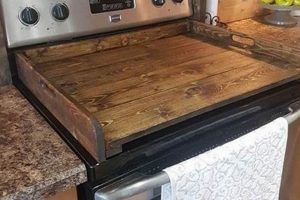
The central activity involves effectively marketing and transferring ownership of handcrafted wooden items to interested buyers. It encompasses various strategies, from establishing an online presence and leveraging social media to participating in craft fairs and cultivating relationships with local retailers. For example, a woodworker might create a custom dining table and then utilize online marketplaces, like Etsy or specialized furniture websites, to reach potential customers and complete the sale. This necessitates careful consideration of pricing, product presentation, and customer service.
Successfully engaging in this process offers multiple advantages to the craftsperson. It provides an avenue for monetizing skills and passion, transforming a hobby into a sustainable business. Historically, artisans relied on word-of-mouth and local markets to distribute their wares. Today, e-commerce and digital marketing provide unprecedented reach, allowing individuals to connect with a global customer base. The capacity to earn income from these crafted items has significant economic and personal benefits, enabling creative expression while fostering financial independence.
A comprehensive guide to this activity will subsequently address key aspects, including pricing strategies, effective photography techniques for showcasing products, the selection of appropriate sales channels, and essential considerations for shipping and handling. Furthermore, legal and regulatory requirements for operating a small craft business will be discussed, as well as strategies for building a strong brand identity and fostering customer loyalty. The following sections will offer actionable advice designed to maximize profitability and ensure long-term success in this endeavor.
Key Strategies for Marketing Crafted Wood Items
The following recommendations provide actionable insights to improve the success rate for transferring ownership of crafted wood items.
Tip 1: Product Photography Enhancement: Capture high-quality images showcasing the items’ details and craftsmanship. Utilize natural lighting and neutral backgrounds to minimize distractions. Consistent photographic styles across platforms establish a unified brand image.
Tip 2: Optimized Online Listings: Craft detailed product descriptions highlighting the materials used, dimensions, and unique features. Employ relevant keywords to improve search engine visibility. Accurate and comprehensive information minimizes customer inquiries and potential returns.
Tip 3: Diversify Sales Channels: Explore multiple sales platforms including personal websites, online marketplaces, craft fairs, and consignment agreements with local retailers. Diversification mitigates risk and expands potential customer reach. Evaluate the fees and target audience associated with each platform.
Tip 4: Competitive Pricing Analysis: Research competitor pricing for comparable items. Consider material costs, labor hours, and desired profit margins. Develop a pricing strategy that balances profitability and market competitiveness. Clearly communicate the value proposition to justify pricing decisions.
Tip 5: Secure and Efficient Shipping: Implement robust packaging methods to prevent damage during transit. Offer multiple shipping options to accommodate varying customer needs and budgets. Clearly communicate shipping costs and delivery timelines to manage customer expectations.
Tip 6: Proactive Customer Communication: Respond promptly to customer inquiries and address concerns professionally. Provide order updates and tracking information. Excellent customer service fosters positive reviews and repeat business. Implement a system for gathering and responding to customer feedback.
Implementing these tactics increases visibility and desirability of the woodworking output. These strategies aim at a more productive and sustainable business model.
The subsequent section will explore effective brand-building techniques and long-term sustainability strategies within the crafted goods market.
1. Pricing Strategies

Effective pricing constitutes a critical component of successful handcrafted wood item sales. The connection is causal: accurately assessing value directly influences the capacity to transfer ownership of these creations. Pricing too high can deter potential buyers, while undervaluation diminishes profit margins and devalues the craft. For instance, a woodworker crafting intricate wooden bowls must account for the cost of the raw materials, the hours spent in design and production, the overhead expenses (studio rent, electricity), and the desired profit margin. This comprehensive cost analysis forms the foundation for a realistic and competitive price point.
Different pricing methodologies exist, each impacting sales differently. Cost-plus pricing involves calculating total costs and adding a markup. Value-based pricing focuses on the perceived worth of the item to the customer, considering factors such as uniqueness, artistry, and functionality. Competitive pricing analyzes comparable items in the market to determine a viable range. Consider a custom-built bookshelf: its price might reflect not just the wood and labor, but also the client’s specific size requirements, the complexity of the design, and the level of personalization involved. This approach justifies a higher price than a mass-produced alternative, attracting customers willing to pay for bespoke craftsmanship.
In summation, pricing acts as a fulcrum upon which the sales process hinges. Balancing cost considerations, perceived value, and market dynamics is essential. Misjudging this equilibrium negatively impacts sales potential. Skillful execution of pricing strategies ensures both profitability and consumer engagement, integral to the enduring success of transferring crafted wooden products. A sound pricing strategy, though challenging to implement, is an indispensable component in realizing the ultimate objective of successful sales within this specialized market.
2. Product Presentation

The effectiveness of transferring handcrafted wooden items is inextricably linked to the quality of their presentation. Attractive and informative product presentation creates a positive first impression and communicates the items value to potential buyers. This initial perception influences purchasing decisions and directly impacts the capacity to sell. The presentation is a composite of visual and descriptive elements. For instance, a meticulously crafted wooden chess set, regardless of its artistic merit, requires compelling photography that highlights its intricate details and the quality of the wood. Absent such visual appeal, the item risks being overlooked within a competitive marketplace. The absence of adequate presentation constitutes a significant impediment to sales.
Successful product presentation extends beyond mere aesthetics. Detailed and accurate descriptions are crucial. Specifications such as dimensions, wood type, finish, and construction techniques provide customers with the necessary information to make informed decisions. Consider a handcrafted wooden rocking chair. In addition to showcasing its visual appeal, the product description should detail its ergonomic design, weight capacity, and the durability of the chosen wood. Transparency regarding materials and craftsmanship builds trust and can justify a higher price point. Effective descriptions can also preempt customer inquiries, streamlining the sales process. Therefore, presentation is not just a visual component, but an informational one as well.
In summation, high-quality product presentation directly affects the marketability of crafted wood items. Insufficient or misleading representation creates barriers to sales. Successful presentation, encompassing both visual and descriptive elements, enhances buyer confidence, increases perceived value, and fosters engagement. The practical significance of understanding this connection lies in recognizing product presentation not merely as an ancillary task, but as an integral component of the overall activity, critical to realizing the commercial potential of handcrafted wooden creations. Prioritization of high-quality product presentation is therefore not optional, but essential to achieving consistent and profitable sales.
3. Sales Channels

The selection of appropriate sales channels is fundamentally linked to the success of transferring crafted wood items. The correlation is causal: the channels chosen directly affect market reach, customer acquisition, and ultimately, the volume of sales. For instance, a woodworker producing high-end, custom furniture may find direct sales through a personal website and by-appointment showroom more effective than listing items on a mass-market online marketplace. Conversely, a craftsperson creating smaller, more affordable items, such as wooden toys or decorative objects, might benefit from the expanded reach provided by online marketplaces or participation in craft fairs. Selecting the right distribution outlet is therefore an indispensable decision within the overarching process of this business.
The importance of sales channels becomes apparent when considering the specific characteristics of the target audience and the nature of the products. Channels offering direct interaction with customers, like craft fairs or local markets, facilitate personalized sales and immediate feedback. These outlets are particularly valuable for showcasing the craftsmanship and unique features of each piece. Online platforms, on the other hand, provide access to a broader geographic market but necessitate careful attention to product photography, descriptions, and customer service. A woodworker specializing in restoration services may rely on networking and referrals, cultivating relationships with antique dealers and interior designers, while a maker of mass-produced wooden utensils may prioritize wholesale agreements with retailers. Each channel entails distinct requirements for marketing, logistics, and customer engagement.
In conclusion, sales channels function as essential conduits connecting woodworkers with potential customers. Inadequate channel selection diminishes market penetration, increases sales costs, and potentially undermines the overall profitability. A comprehensive understanding of the target market, product characteristics, and channel-specific demands is paramount. Strategic channel selection contributes directly to the sustained success of this endeavor, ensuring that crafted wooden creations reach the appropriate audience and achieve their commercial potential. The correlation between channel strategy and sales outcomes is undeniable; mastering this aspect is pivotal.
4. Shipping Logistics

Effective shipping logistics constitutes a critical determinant in the overall success. The quality and efficiency of product delivery directly impact customer satisfaction and the likelihood of repeat business. Poorly managed shipping logistics creates negative customer experiences and can significantly impede the activity, regardless of the quality of the crafted item itself. Damage during transit, delayed delivery, or excessive shipping costs directly translate to customer dissatisfaction and potential order cancellations. For example, a meticulously crafted wooden desk, perfectly represented in online images, loses its appeal if it arrives with scratches or dents due to inadequate packaging. Conversely, a positive shipping experience reinforces the value of the purchased item and enhances the overall brand perception. Therefore, robust shipping logistics are inextricably linked to realizing the value of wooden items.
Optimizing shipping logistics necessitates careful consideration of various factors. Packaging materials must provide adequate protection against potential damage during transit. Selection of an appropriate shipping carrier balances cost-effectiveness with reliability and delivery speed. Accurate calculation of shipping costs, taking into account item weight, dimensions, and destination, prevents unexpected charges for the customer. Transparent communication regarding shipping policies, delivery timelines, and tracking information manages customer expectations and builds trust. Consider a scenario where a customer orders a custom-made wooden cutting board. Providing a tracking number and proactively communicating any potential delays ensures the customer remains informed and minimizes potential frustration. This level of attention strengthens customer relations and contributes to a positive purchase experience.
In summary, shipping logistics represents an essential component that directly influences its ultimate outcome. Neglecting this aspect increases the risk of customer dissatisfaction and ultimately undermines sales efforts. Comprehensive shipping logistics encompasses secure packaging, efficient carrier selection, transparent communication, and accurate cost calculation. While presenting logistical challenges, prioritizing shipping efficiency contributes significantly to customer satisfaction and fosters long-term business sustainability. The implementation of sound shipping practices transforms a transaction into a positive experience, which is key for fostering continued business with satisfied buyers.
5. Customer Engagement

Customer engagement represents a multifaceted approach to building relationships with prospective and existing buyers. Within the context of effectively selling handcrafted wooden items, fostering engagement is crucial for cultivating brand loyalty, generating repeat business, and securing positive word-of-mouth referrals. The process extends beyond mere transactions; it emphasizes interaction, communication, and the creation of a community centered around the craft.
- Responsive Communication
Prompt and informative responses to customer inquiries, whether via email, social media, or phone, are essential. Addressing questions about product specifications, customization options, or shipping timelines efficiently demonstrates attentiveness. For example, a customer seeking a specific wood type for a custom table appreciates a timely and knowledgeable response outlining the available options and their respective characteristics. Failure to respond promptly can result in lost sales and damage to reputation.
- Personalized Interaction
Tailoring interactions to individual customer preferences and needs enhances the perception of value. Remembering past orders, offering relevant product suggestions, and acknowledging special occasions fosters a sense of connection. A woodworker who recalls a previous purchase of wooden bowls and suggests matching serving utensils demonstrates personalized attention, increasing the likelihood of future sales. Generic, impersonal interactions are less likely to cultivate lasting relationships.
- Community Building
Establishing a community around the craft through social media groups, newsletters, or workshops cultivates loyalty. Sharing behind-the-scenes glimpses of the crafting process, showcasing customer projects, and providing woodworking tips foster a sense of belonging. A woodworker who hosts a workshop on wood finishing techniques not only provides valuable information but also cultivates a community of enthusiasts, driving brand awareness and generating potential leads. The absence of community-building efforts limits the potential for organic growth.
- Feedback Integration
Actively soliciting and incorporating customer feedback into product design and business practices demonstrates a commitment to continuous improvement. Implementing suggestions for product enhancements, addressing concerns about shipping, or modifying website navigation based on customer input fosters trust and reinforces the perception of value. A woodworker who improves the packaging of fragile items based on customer feedback demonstrates a commitment to customer satisfaction, increasing the likelihood of repeat purchases and positive reviews. Ignoring customer feedback can lead to stagnation and decreased competitiveness.
The integration of these facets collectively enhances the overall activity. Cultivating meaningful connections with customers not only facilitates immediate sales but also lays the foundation for long-term brand loyalty and sustainable business growth. The correlation between customer engagement strategies and sales outcomes is therefore critical for those engaged in the activity of trading in handcrafted wood goods. Proactive engagement ensures customer satisfaction.
Frequently Asked Questions on Selling Crafted Wood Items
This section addresses common inquiries and misconceptions pertaining to the successful commercialization of handcrafted wooden projects.
Question 1: How does an individual determine an appropriate price point for crafted wood products?
Establishing a suitable price requires a thorough assessment of material costs, labor hours, overhead expenses (studio rent, utilities), and desired profit margins. A detailed cost analysis, combined with a comparative analysis of similar items in the market, forms the basis for a realistic and competitive price. It is crucial to account for the perceived value of the item, considering factors such as uniqueness, artistry, and functionality.
Question 2: What are the most effective methods for showcasing crafted wood items online?
High-quality product photography is paramount. Images should accurately represent the item’s details, craftsmanship, and dimensions. Detailed and informative product descriptions, including specifications such as wood type, finish, and construction techniques, are equally important. Accurate information builds trust and can justify the asking price.
Question 3: Which sales channels are most suitable for handcrafted wood projects?
The optimal sales channels depend on the type of products and the target audience. Options include personal websites, online marketplaces (e.g., Etsy, specialized furniture websites), craft fairs, consignment arrangements with local retailers, and direct sales through a showroom. A strategic approach entails evaluating the fees, reach, and target audience of each channel.
Question 4: What considerations are essential for shipping crafted wood items safely and efficiently?
Robust packaging is critical to prevent damage during transit. Appropriate packaging materials, such as bubble wrap, packing peanuts, and sturdy boxes, are essential. Selecting a reliable shipping carrier that offers tracking and insurance options is also crucial. Shipping costs and delivery timelines should be communicated clearly to customers.
Question 5: How does an individual build a strong brand identity for a woodworking business?
A consistent brand identity encompasses a recognizable logo, color scheme, and brand voice. It’s important to present woodworking in a consistent manner through online listings, marketing materials, and customer communications. High-quality product photography and compelling storytelling contribute to a strong brand image.
Question 6: What legal and regulatory requirements apply to operating a small woodworking business?
Requirements vary depending on the jurisdiction. Typically, a business license or permit is necessary. Compliance with sales tax regulations, including collecting and remitting sales tax, is also essential. Adherence to relevant safety standards and environmental regulations is crucial for responsible business practices.
Proficiency in these areas, ranging from cost analysis and marketing to logistics and regulatory compliance, significantly enhances the likelihood of success. Ongoing learning and adaptation are essential for navigating the complexities of the marketplace.
The subsequent section explores strategies for long-term growth and sustainability within the crafting industry.
Conclusion
The preceding sections have examined various facets pertaining to how to sell woodworking projects, ranging from pricing strategies and product presentation to sales channels, shipping logistics, and customer engagement. A clear understanding and strategic implementation of these elements represent the fundamental building blocks for a successful and sustainable enterprise. Mastering these techniques increases the viability of woodworking projects.
Ultimately, the successful transfer of handcrafted wooden creations demands a holistic approach that encompasses both artistic skill and astute business acumen. The long-term viability hinges not only on producing high-quality items, but also on effectively communicating their value, reaching the appropriate target market, and providing a consistently positive customer experience. Continued learning, adaptation to market trends, and a commitment to excellence are essential for achieving sustained success. The undertaking warrants dedicated attention and continuous refinement of business practices to maximize its potential.
![Easy & Profitable Popular Woodworking Projects to Sell [Guide] | Step-by-Step Guides, Tools & Inspiration to Build Beautiful Wooden Decor on a Budget](https://woodfromhome.com/wp-content/uploads/2026/04/th-125-300x200.jpg "Easy & Profitable Popular Woodworking Projects to Sell [Guide] Step-by-Step Guides, Tools & Inspiration to Build Beautiful Wooden Decor on a Budget")