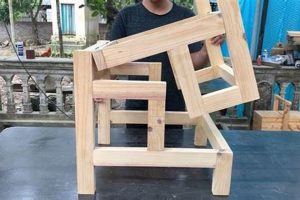
Constructing handmade items from wood as gifts or decorations for the February 14th holiday is a creative and personalized approach to celebrating the occasion. Examples include crafting wooden hearts, personalized picture frames, or small decorative boxes suitable for holding jewelry or other mementos. These tangible expressions of affection often carry a deeper sentimental value than mass-produced alternatives.
The practice allows for the creation of unique, lasting gifts that showcase skill and thoughtfulness. The act of creating these items provides a meaningful activity for the maker, fostering creativity and providing a sense of accomplishment. Historically, handcrafted tokens of affection have been valued for their personal touch and the time invested in their creation, symbolizing a deeper level of care and attention.
The following sections will delve into specific project ideas, techniques, and safety considerations for creating memorable and cherished wooden keepsakes appropriate for this celebration of love and friendship.
Tips for Crafting Woodwork for Valentine’s Day
Careful planning and execution are paramount when undertaking woodworking projects designed for Valentine’s Day. These tips ensure both the quality and safety of the final product.
Tip 1: Select appropriate wood species based on desired aesthetic and workability. Softwoods like pine are easier to carve, while hardwoods such as cherry or maple offer greater durability and a more refined appearance.
Tip 2: Accurately measure and cut all pieces to ensure a precise fit. Dimensional accuracy is crucial for achieving a professional-looking finished item. Employ precise measuring tools and sharp saw blades.
Tip 3: Prioritize safety by wearing appropriate personal protective equipment, including safety glasses and hearing protection. Utilize dust collection systems to minimize exposure to wood dust.
Tip 4: Employ proper joinery techniques to create strong and lasting bonds. Options include mortise and tenon, dovetail, or dowel joints, depending on the project’s complexity and required strength.
Tip 5: Utilize a well-ventilated space when applying finishes such as stains, paints, or varnishes. Allow adequate drying time between coats to ensure a durable and visually appealing finish.
Tip 6: Personalize each project with carvings, engravings, or inlays to create a unique and sentimental gift. Consider incorporating initials, dates, or meaningful symbols.
Tip 7: Practice woodworking skills on scrap material of the same species to test a new tool or joinery method for effective execution.
Adhering to these recommendations promotes successful project outcomes and reduces the risk of injury. The result is a collection of lovingly created, personalized pieces.
In the next section, we will cover beginner-friendly project ideas perfect for the occasion.
1. Design Considerations

Design considerations represent a foundational element in woodworking projects intended for Valentine’s Day, dictating the project’s aesthetic appeal, functionality, and overall emotional impact. Careful attention to these aspects ensures that the final product effectively conveys the intended sentiment.
- Form and Symbolism
The shape and form of the woodworking project directly influence its symbolic meaning. Hearts, interlocking pieces, or representations of shared interests can immediately convey love and connection. A poorly chosen form may diminish or contradict the intended message. For example, a sharply angled, aggressively styled piece might clash with the soft, romantic associations of the holiday.
- Scale and Proportion
The dimensions of the item must be considered relative to its intended use and the recipient’s preferences. A large, elaborate piece might be appropriate as a centerpiece, while smaller items are better suited for personal mementos or desktop decorations. Disproportionate dimensions can lead to an unwieldy or aesthetically displeasing final product. A picture frame with an excessively thick border, for example, may overshadow the image it is intended to showcase.
- Material Harmony
The selection of wood species, combined with any applied finishes, must create a cohesive and visually appealing effect. Dark woods may project a sense of formality or elegance, while lighter woods offer a more rustic or whimsical aesthetic. Careful consideration should be given to grain patterns and color variations within the wood itself. An inappropriate combination of wood and finish can result in a jarring or unattractive final piece.
- Functional Integration
If the project serves a practical purpose, its design must effectively integrate form and function. A jewelry box, for instance, should not only be aesthetically pleasing but also offer secure storage and easy access to its contents. Poor functional design can render an otherwise beautiful piece impractical or frustrating to use. A poorly designed latch or hinge can significantly detract from the overall user experience.
By carefully addressing these design considerations, creators can significantly enhance the personal significance and lasting value of woodworking projects crafted for Valentine’s Day. The resulting items become more than just objects; they are tangible expressions of thoughtfulness and affection.
2. Material Selection

Material selection forms a cornerstone of successful woodworking endeavors intended for Valentine’s Day, directly influencing the aesthetic qualities, structural integrity, and sentimental value of the final product. The judicious choice of wood and related materials requires careful consideration of several interconnected factors.
- Wood Species and Symbolic Association
Different wood species carry inherent aesthetic properties and, in some cases, cultural or symbolic associations. Cherry, for instance, is often associated with love and romance due to its warm color and fine grain, making it a suitable choice for sentimental pieces. Conversely, a less traditionally appealing wood may diminish the perceived value of the handcrafted item, even if the workmanship is exceptional.
- Grain Pattern and Visual Appeal
The grain pattern of the wood significantly contributes to the visual appeal of the finished piece. Straight-grained woods provide a clean, modern aesthetic, while figured woods, such as curly maple or burl, offer a more rustic or artistic appearance. Careful selection of pieces with complementary grain patterns enhances the overall harmony of the project. A mismatch in grain direction or pattern can create visual discord.
- Workability and Skill Level
The ease with which a particular wood can be worked influences the complexity of the project that can be undertaken. Softwoods, such as pine, are easier to carve and shape, making them suitable for beginners. Hardwoods, like maple or oak, require more specialized tools and techniques but offer greater durability and a more refined finish. Attempting to work with a wood beyond one’s skill level can lead to frustration and subpar results.
- Finish Compatibility and Durability
The chosen wood must be compatible with the desired finish. Some woods readily accept stains and paints, while others require specific surface preparation to achieve optimal results. The durability of the wood also impacts the longevity of the finished piece. Softer woods may be more prone to dents and scratches, requiring a more robust protective finish. Selecting a wood incompatible with the chosen finish can lead to adhesion problems or an uneven final appearance.
These considerations underscore the critical role of material selection in crafting meaningful and enduring woodworking projects for Valentine’s Day. The appropriate selection elevates a simple handcrafted item into a cherished symbol of affection, reflecting both the maker’s skill and the value placed on the relationship being celebrated.
3. Tool Proficiency

Effective tool proficiency constitutes a critical determinant in the successful execution of woodworking projects intended for Valentine’s Day. Adeptness in utilizing the appropriate tools directly impacts the quality, precision, and safety of the crafting process, influencing the final product’s aesthetic appeal and structural integrity.
- Precision Cutting and Shaping
Proficient use of saws, chisels, and planes is essential for achieving accurate cuts and precise shaping of wooden components. For instance, crafting a heart-shaped box necessitates skillful manipulation of a band saw or coping saw to create clean, smooth curves. Inadequate control can lead to irregular shapes and misaligned joints, diminishing the item’s visual appeal and structural soundness.
- Secure Joinery Execution
Employing joinery techniques, such as mortise and tenon or dovetail joints, requires mastery of specific tools. Precisely fitting joints ensures structural integrity and contributes to the longevity of the woodworking project. Incorrectly executed joints can result in weak or unstable connections, compromising the item’s durability and functionality. For example, creating a stable picture frame relies on accurately cut and assembled miter joints.
- Safe Operation and Injury Prevention
Competent handling of woodworking tools minimizes the risk of injury. Understanding proper tool usage, maintenance, and safety protocols is paramount. Using a dull blade, for instance, increases the likelihood of kickback and potential harm. Prioritizing safety and employing appropriate personal protective equipment is non-negotiable.
- Finishing Application Techniques
Achieving a smooth and even finish requires skillful application of stains, paints, and varnishes. Proficiency in using brushes, spray guns, and sanding tools contributes to a professional-looking final product. Improper finishing techniques can result in uneven color distribution, drips, or surface imperfections, detracting from the item’s overall aesthetic appeal.
The correlation between tool proficiency and the quality of woodworking projects for Valentine’s Day is undeniable. Skillful tool utilization translates into meticulously crafted items that effectively convey the intended sentiment, representing both the maker’s dedication and the value placed on the relationship being celebrated.
4. Joinery Techniques

The integrity and longevity of woodworking projects intended as Valentine’s Day gifts are fundamentally linked to the selection and execution of appropriate joinery techniques. These techniques, encompassing methods of connecting wood pieces, directly influence the structural stability and aesthetic qualities of the final product. The choice of joinery is not arbitrary; it reflects a balance between design considerations, material properties, and the intended lifespan of the item. Inadequate joinery results in structurally unsound pieces, undermining the sentimental value associated with a handcrafted gift.
Consider a small wooden box crafted to hold jewelry. A simple butt joint, relying solely on adhesive, may suffice for a temporary or purely decorative item. However, for a box intended as a lasting keepsake, stronger joinery, such as dovetail or mortise-and-tenon joints, is imperative. These techniques create a mechanical interlock, providing resistance against stress and preventing joint failure over time. Similarly, a picture frame constructed with mitered corners requires reinforcement via splines or keys to counteract the tendency of the corners to separate. The selection of joinery thus determines whether the crafted item serves as a fleeting gesture or an enduring symbol of affection.
In summary, competent application of joinery techniques is paramount for ensuring the structural integrity and extending the lifespan of woodworking projects designed for Valentine’s Day. The choice of technique is intrinsically linked to the intended function and aesthetic requirements of the piece. Mastering these techniques empowers the creator to produce items of lasting value, transforming a simple gift into a tangible expression of enduring affection.
5. Finishing Methods
Finishing methods are integral to crafting woodworking projects for Valentine’s Day. The chosen finish directly impacts the aesthetic appeal, durability, and tactile qualities of the finished item. Improper application or selection can undermine the visual characteristics and longevity of an otherwise well-constructed piece. A poorly applied finish detracts from the sentimental value associated with a handcrafted gift. The finish acts as a protective barrier, safeguarding the wood against moisture, scratches, and UV damage. Without adequate protection, the wood may warp, crack, or fade over time, diminishing its aesthetic appeal and structural integrity. For example, a wooden heart intended as a keepsake will require a durable finish such as polyurethane or varnish to withstand handling and environmental factors. Conversely, a simple decorative item may benefit from a more subtle finish like wax or oil, which enhances the natural grain pattern without adding a high-gloss sheen. The practical significance of understanding finishing methods lies in the ability to create items that are both visually appealing and functionally durable, capable of withstanding the test of time.
Diverse finishing options offer varying degrees of protection and aesthetic characteristics. Oil finishes penetrate the wood, enhancing its natural grain and providing a soft, matte appearance. They are relatively easy to apply and maintain but offer limited protection against scratches and moisture. Varnish and polyurethane finishes form a durable, protective coating on the surface of the wood, offering greater resistance to wear and tear. These finishes are available in various sheens, from matte to high gloss, allowing for customization of the final appearance. Paint provides an opaque coating that completely obscures the wood grain, allowing for the incorporation of vibrant colors and intricate designs. Milk paint, a traditional option, offers a matte finish with a slightly chalky texture. The selection of a specific finish depends on the desired aesthetic, the intended use of the item, and the skill level of the woodworker. For example, a beginner may find oil finishes easier to apply, while a more experienced woodworker may opt for a spray-applied lacquer finish for a smooth, professional appearance.
Effective application requires proper surface preparation, including sanding to create a smooth, even surface. Dust and debris must be removed before applying the finish to prevent imperfections. Multiple thin coats are generally preferred over a single thick coat, as they reduce the risk of runs, drips, and bubbles. Sanding between coats helps to create a smoother, more uniform finish. Challenges may arise from selecting an incompatible finish for a particular wood species or applying the finish in unfavorable environmental conditions, such as high humidity or extreme temperatures. A comprehensive understanding of finishing methods allows for the creation of durable, aesthetically pleasing woodworking projects that effectively convey the intended sentiment for Valentine’s Day, transforming a simple handcrafted item into a cherished symbol of affection.
6. Safety Protocols

Adherence to rigorous safety protocols is paramount when undertaking woodworking projects, irrespective of the occasion. However, the enthusiasm associated with crafting personalized gifts for Valentine’s Day must not overshadow the critical need for safety awareness and the consistent implementation of precautionary measures. Neglecting safety protocols poses significant risks of injury, thereby negating the intended positive sentiment of the handcrafted gift.
- Eye Protection and Projectile Hazards
Woodworking inherently involves the generation of airborne particles and projectiles, including sawdust, wood chips, and splinters. Eye protection, specifically safety glasses or goggles conforming to ANSI Z87.1 standards, is essential to prevent these hazards from causing corneal abrasions or more severe ocular injuries. The creation of small, intricate pieces common in Valentine’s Day-themed projects, such as wooden hearts or miniature boxes, often requires close proximity to power tools, increasing the risk of projectile impact. The absence of adequate eye protection exposes the woodworker to preventable and potentially debilitating eye injuries.
- Respiratory Protection and Inhalation Risks
The sanding, cutting, and shaping of wood release fine particulate matter into the air. Inhaling wood dust can lead to respiratory irritation, allergic reactions, and, over prolonged exposure, more serious conditions such as occupational asthma or certain types of nasal cancer. Respiratory protection, in the form of a properly fitted N95 or higher-rated respirator, is necessary to filter out these harmful particles. Projects involving exotic woods or treated lumber may release particularly hazardous dust, necessitating enhanced respiratory precautions. Failure to utilize appropriate respiratory protection elevates the risk of respiratory illnesses and long-term health complications.
- Machine Guarding and Amputation Prevention
Power tools commonly used in woodworking, such as table saws, jointers, and routers, possess the potential for causing severe lacerations, amputations, or crushing injuries. Effective machine guarding, including blade guards, push sticks, and feather boards, is crucial to prevent accidental contact with moving blades or cutters. These safety devices minimize the risk of hand or finger injuries by maintaining a safe distance between the operator and the cutting surface. Disabling or bypassing machine guards significantly increases the likelihood of serious injury. Careless operation of power tools can negate the intended personal touch of the woodworking project, resulting in severe injury.
- Ventilation and Chemical Exposure
The application of finishes, adhesives, and cleaning solvents in woodworking often involves exposure to volatile organic compounds (VOCs) and other hazardous chemicals. Adequate ventilation is essential to minimize inhalation of these fumes and prevent respiratory irritation, headaches, or more severe systemic effects. Working in a well-ventilated area or utilizing local exhaust ventilation systems helps to remove airborne contaminants and maintain a safe working environment. Failure to provide sufficient ventilation can lead to chemical poisoning, respiratory distress, or long-term health problems. Safety data sheets (SDS) should be consulted for all chemicals used, and appropriate personal protective equipment, such as gloves and respirators, should be worn when handling hazardous substances.
The facets presented underscore the imperative of prioritizing safety protocols in all woodworking activities, particularly when crafting items intended as tokens of affection. The inherent risks associated with woodworking necessitate a proactive and uncompromising approach to safety, ensuring that the creation of personalized gifts does not come at the expense of personal well-being. Adhering to safety guidelines protects both the maker and recipient.
7. Personalization Options

Personalization options represent a pivotal aspect of woodworking projects intended for Valentine’s Day, transforming generic crafts into unique and emotionally resonant expressions of affection. These options allow for the infusion of individual preferences, shared memories, and intimate sentiments, thereby elevating the perceived value and significance of the handcrafted item.
- Engraving and Inscription
The addition of engraved names, dates, or significant quotes onto wooden surfaces offers a direct and lasting means of personalization. Laser engraving techniques allow for intricate designs and precise lettering, while hand-carved inscriptions impart a rustic and artisanal quality. For instance, a wooden picture frame can be personalized with the couple’s initials and wedding date, transforming it into a cherished memento. Inscriptions commemorating shared experiences further enhance the sentimental value.
- Custom Design Elements
Incorporating design elements that reflect the recipient’s hobbies, interests, or aesthetic preferences provides a tailored and thoughtful touch. A wooden box intended for a music lover could feature carved musical notes or inlaid elements resembling a favorite instrument. A key holder for a cycling enthusiast might incorporate miniature bicycle components. The inclusion of these custom design elements demonstrates a deep understanding of the recipient’s passions and creates a connection beyond the generic confines of the holiday.
- Material Selection and Combinations
The selection of specific wood species, combined with contrasting materials, offers opportunities for personalized aesthetic expression. Utilizing the recipient’s favorite wood, or incorporating inlays of semi-precious stones or metals, elevates the visual appeal and perceived value of the piece. A wooden heart crafted from cherry wood, inlaid with a mother-of-pearl initial, represents a refined and highly personalized expression of affection. Conversely, a more rustic approach may involve incorporating reclaimed wood or naturally sourced materials.
- Functional Adaptations
Modifying the functionality of a woodworking project to suit the recipient’s specific needs or preferences represents a practical and personalized approach. A wooden desk organizer can be adapted to accommodate specific stationery items or electronic devices. A jewelry box can be customized with compartments tailored to different types of jewelry. These functional adaptations demonstrate thoughtfulness and attention to detail, transforming a generic item into a bespoke creation.
In conclusion, the incorporation of personalization options significantly enhances the sentimental value and emotional impact of woodworking projects created for Valentine’s Day. By integrating individual preferences, shared memories, and custom design elements, creators transform simple handcrafted items into cherished symbols of affection, forging a lasting connection between the giver and the recipient.
Frequently Asked Questions
The following section addresses common inquiries and misconceptions regarding the creation of woodworking projects intended as Valentine’s Day gifts.
Question 1: What wood species are most suitable for crafting sentimental items?
Cherry, maple, and walnut are frequently employed due to their aesthetic qualities and workability. Cherry offers a warm color and fine grain, maple provides durability and a clean appearance, and walnut showcases a rich, dark tone. The selection should align with the desired aesthetic and the recipient’s preferences.
Question 2: What safety precautions are paramount when engaging in woodworking activities?
Eye protection, respiratory protection, and the proper use of machine guards are non-negotiable. Wood dust is a known irritant and potential carcinogen; therefore, respiratory protection is essential. Power tools demand strict adherence to safety protocols to prevent severe injuries.
Question 3: What joinery techniques are recommended for ensuring the longevity of woodworking projects?
Dovetail joints, mortise-and-tenon joints, and strong adhesive bonds are preferable for creating durable and lasting connections. The selection should be based on the project’s complexity and the anticipated stress on the joints. Simple butt joints are generally insufficient for items intended as keepsakes.
Question 4: How can woodworking projects be personalized to create meaningful Valentine’s Day gifts?
Engraving names or dates, incorporating custom design elements that reflect the recipient’s interests, and selecting materials that resonate with their preferences are effective personalization methods. The integration of these elements transforms a generic item into a unique and emotionally significant expression of affection.
Question 5: What finishing methods are appropriate for enhancing the aesthetic appeal and protecting wooden surfaces?
Oil finishes, varnishes, and paints each offer distinct aesthetic qualities and levels of protection. The selection should be based on the desired appearance and the anticipated environmental conditions. Proper surface preparation and application techniques are crucial for achieving a professional-looking finish.
Question 6: What are the potential challenges associated with creating woodworking projects, and how can they be mitigated?
Accurate measurements, precise cuts, and secure joinery can pose challenges. Mitigating these challenges requires careful planning, diligent practice, and the utilization of appropriate tools and techniques. Seeking guidance from experienced woodworkers or consulting instructional resources is advisable.
These FAQs offer guidance for individuals contemplating woodworking projects. Prioritizing safety and careful planning ensures success.
The subsequent segment will explore project ideas suitable for varying skill levels.
Conclusion
The preceding exploration of “valentine’s day woodworking projects” underscores the nuanced considerations required for their successful execution. From material selection and tool proficiency to joinery techniques and finishing methods, each element contributes to the creation of meaningful, durable, and personalized expressions of affection. Safety protocols, often overlooked, remain paramount in ensuring the well-being of the craftsperson.
The creation of handmade items represents a tangible investment of time and skill, transforming raw materials into lasting symbols of care. The pursuit of these projects warrants a commitment to both craftsmanship and safety. May such endeavors result in cherished keepsakes that endure beyond the fleeting sentiments of a single day, and be treated with utmost care.