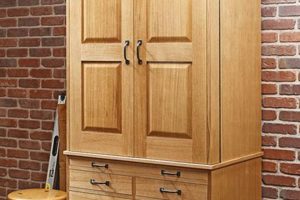
Artisan crafting with timber results in aesthetically pleasing and functional items. These creations range from intricate decorative pieces to robust furniture, showcasing a blend of skill and design. An example includes a handcrafted cherry wood dining table featuring dovetail joinery and a flawlessly smooth finish, combining practicality with visual appeal.
The significance of such endeavors lies in their ability to transform raw materials into enduring objects that enhance living spaces. Historically, these projects have served both utilitarian and artistic purposes, reflecting cultural values and evolving techniques. The benefits extend beyond mere functionality; these creations often become cherished heirlooms, imbued with sentimental value and representing a connection to craftsmanship.
The following sections will delve into various aspects of timber-based artistic builds, covering considerations for material selection, essential tools and techniques, and inspiration for undertaking unique and rewarding constructions.
Guidance for Superior Timber-Based Creations
The pursuit of excellence in artisan timber crafting necessitates careful planning and execution. The following recommendations aim to enhance the quality and longevity of such endeavors.
Tip 1: Material Selection: Employ kiln-dried hardwoods whenever feasible. This minimizes warping and cracking that can occur with improperly seasoned lumber. For example, using kiln-dried cherry for a cabinet ensures dimensional stability over time.
Tip 2: Jointing Precision: Prioritize tight-fitting joints. Mortise and tenon, dovetail, or rabbet joints should be precisely cut and fitted to maximize structural integrity. A well-executed dovetail joint on a drawer front significantly increases its resistance to wear and tear.
Tip 3: Sanding Strategy: Implement a multi-stage sanding process. Begin with a coarser grit to remove imperfections and gradually progress to finer grits for a smooth, consistent surface. The application of 120, 180, and 220 grit sandpaper on a tabletop yields a superior finish.
Tip 4: Finishing Application: Apply finish in thin, even coats. Multiple thin coats provide better penetration and adhesion compared to a single thick coat, preventing runs and sags. Three thin coats of polyurethane on a wooden bowl provide a durable and aesthetically pleasing surface.
Tip 5: Hardware Integration: Select high-quality hardware appropriate for the project’s intended use. Solid brass hinges and drawer pulls enhance both the functionality and aesthetic appeal of a finished item. The use of premium hardware on a jewelry box ensures its lasting quality.
Tip 6: Design Considerations: Plan the design thoroughly before commencing construction. Consider proportion, scale, and the overall aesthetic to ensure a cohesive and visually pleasing outcome. A well-proportioned coffee table complements its surrounding environment.
Tip 7: Tool Maintenance: Maintain sharp tools. Dull blades and chisels compromise precision and increase the risk of accidents. Regularly sharpening tools with a honing guide ensures clean cuts and efficient work.
Adherence to these guidelines will contribute significantly to the creation of durable, aesthetically pleasing, and ultimately, more valuable timber-based artworks.
The succeeding segment will present a compilation of concepts to inspire personalized and distinctive artisan woodwork.
1. Design Aesthetics

Design aesthetics constitute a fundamental component in the creation of visually appealing timber constructions. The application of considered design principles directly influences the perceived beauty and overall success of a woodworking project. A poorly designed piece, regardless of the quality of materials or craftsmanship, will invariably fail to achieve aesthetic merit. Conversely, a well-conceived design, even when executed with basic materials, can result in a striking and visually engaging outcome. For example, the clean lines and minimalist approach of Shaker furniture exemplify how thoughtful design can elevate simple forms to objects of enduring beauty. The effective use of proportion, symmetry, and material contrast are all key elements that contribute to successful aesthetic design in woodworking.
The importance of design aesthetics extends beyond mere visual appeal. It also encompasses the functionality and ergonomics of the finished piece. A chair, for instance, must not only be aesthetically pleasing but also comfortable and supportive. The careful consideration of angles, curves, and dimensions is crucial in achieving both aesthetic and functional harmony. Furthermore, design aesthetics can reflect cultural values and historical context, adding layers of meaning and significance to the finished piece. The intricate carvings and ornate details of Gothic furniture, for example, reflect the religious and cultural sensibilities of the time period. Understanding the principles of design aesthetics allows woodworkers to create pieces that are not only beautiful but also meaningful and functional.
In summary, design aesthetics are inextricably linked to the creation of beautiful timber work. The principles of proportion, symmetry, material contrast, and functionality must be carefully considered throughout the design process. By prioritizing aesthetic considerations, woodworkers can transform raw materials into objects of enduring beauty and functional value. The challenge lies in balancing artistic expression with practical considerations to create pieces that are both visually appealing and structurally sound, thereby solidifying the creation as a piece of functional art.
2. Material Integrity

Material integrity forms a foundational pillar supporting the creation of aesthetically pleasing and durable timber projects. The selection of appropriate materials, characterized by inherent strength, stability, and resistance to degradation, is paramount in ensuring the longevity and visual appeal of the finished item.
- Wood Species Selection
The choice of wood species directly impacts the structural integrity and aesthetic qualities of the final product. Hardwoods, such as oak, maple, and cherry, offer superior strength and resistance to wear compared to softwoods like pine or fir. Selecting a wood with appropriate grain patterns and color variations contributes significantly to the visual appeal of the project. For example, utilizing quartersawn oak in furniture construction provides increased stability and showcases a distinctive ray fleck pattern.
- Moisture Content Management
Maintaining proper moisture content within the timber is crucial to prevent warping, cracking, and joint failure. Kiln-dried lumber, with a moisture content typically ranging from 6% to 8%, offers greater dimensional stability compared to air-dried lumber. Failure to control moisture content can lead to significant structural issues and detract from the overall aesthetic of the finished item. A table constructed from improperly dried lumber may develop cracks and become unusable over time.
- Defect Mitigation
Identifying and mitigating defects within the wood, such as knots, splits, and decay, is essential for ensuring structural soundness. While some knots may add character to a project, large or unstable knots can weaken the wood and compromise its integrity. Strategic placement of components to avoid areas with significant defects is crucial. For instance, carefully selecting lumber for a load-bearing beam ensures it is free from defects that could lead to failure.
- Adhesive Selection and Application
The choice and proper application of adhesives are critical for creating strong and durable joints. High-quality wood glues, such as polyvinyl acetate (PVA) or epoxy, provide excellent bond strength and resistance to moisture. Proper surface preparation and clamping pressure are essential for achieving optimal adhesion. A chair constructed with inadequate glue or poor clamping techniques may fail prematurely, regardless of the wood species used.
In conclusion, material integrity is an indispensable element in the creation of lasting and visually appealing timber creations. By carefully considering wood species, managing moisture content, mitigating defects, and employing appropriate adhesives, craftsmen can ensure the structural soundness and aesthetic longevity of their work, transforming raw materials into functional art. The pursuit of excellence in this domain directly enhances both the utility and enduring charm of timber-based artistry.
3. Craftsmanship Precision

Craftsmanship precision directly influences the aesthetic quality and structural integrity of timber-based projects. Deviation from established techniques and standards results in diminished aesthetic appeal and reduced durability. Accurate joinery, precise surface preparation, and meticulous execution of design details are all crucial elements contributing to a refined and lasting outcome. For instance, a dovetail joint executed with minimal gaps and flush surfaces exemplifies precision, enhancing both the visual appeal and the structural strength of the connection. The absence of such precision manifests as visible imperfections, compromising the overall impression of the finished creation. The implementation of accurate measurements and the utilization of appropriate tools are thus paramount. The attainment of refined woodworking is reliant on skill, careful approach, and attention to detail throughout the construction stages.
The practical significance of craftsmanship precision is evident in the longevity and functionality of completed projects. A table constructed with precise joinery and a level surface will provide years of reliable service, whereas a poorly constructed table will be prone to instability and premature failure. Further, precision influences the value of the completed item; pieces displaying high levels of craftsmanship command higher prices and are more likely to be considered heirlooms. Historical examples, such as antique furniture crafted by master artisans, underscore the enduring value and aesthetic appeal conferred by precise execution. The study and application of these established methods are essential for achieving similar results.
In summary, the connection between craftsmanship precision and visually appealing timber outputs is inextricably linked. The challenges inherent in achieving consistent precision necessitate continuous practice, a deep understanding of material properties, and a commitment to upholding rigorous standards. The development of these skills, coupled with a dedication to refinement, contributes to the creation of timber projects that are not only aesthetically pleasing but also structurally sound and enduring, representing a seamless fusion of artistry and technical expertise.
4. Finishing Quality

Finishing quality exerts a profound influence on the perceived beauty of timber projects. The surface treatment of wood directly affects its visual appeal and tactile qualities. An inadequately finished surface, marred by imperfections such as brush strokes, uneven staining, or insufficient protection, detracts from the inherent beauty of the wood and diminishes the overall aesthetic value of the piece. Conversely, a carefully applied finish enhances the wood’s natural grain, enriches its color, and provides a protective barrier against environmental factors. For example, a flawlessly polished lacquer finish on a mahogany table elevates the wood’s deep, rich tones and creates a luxurious, reflective surface, transforming a functional object into a visually striking work of art. The practical significance lies in the tangible difference between a professionally finished piece and one with a substandard application.
The selection of the appropriate finishing technique is critical to achieving the desired aesthetic and functional properties. Different finishes offer varying levels of protection, sheen, and color enhancement. Oil-based finishes, such as linseed oil or tung oil, penetrate the wood to provide a natural, low-luster appearance. Polyurethane finishes offer superior durability and water resistance, making them suitable for high-use surfaces. Shellac and lacquer finishes provide a high-gloss sheen and are often used in furniture restoration. For instance, a finely crafted wooden bowl intended for food service would require a food-safe finish, such as beeswax or mineral oil, to ensure both aesthetic appeal and user safety. The craftsman must therefore consider the intended purpose and environmental conditions when selecting the appropriate finishing technique. The execution requires skilled surface preparation through sanding, sealing, and proper application methods to achieve uniform color and a smooth, durable surface.
In summary, the connection between finishing quality and the perceived beauty of timber projects is undeniable. Careful consideration of the finish selection, meticulous surface preparation, and skillful application are essential for enhancing the wood’s natural beauty and protecting it from damage. The understanding of how different finishes affect the aesthetic and functional properties of wood empowers craftsmen to create lasting and visually appealing projects, transforming basic materials into treasured possessions. The challenge resides in mastering the diverse techniques and adapting them to the specific characteristics of different wood species and project requirements, thereby achieving a synthesis of artistry and technical skill.
5. Functional Durability
Functional durability, in the context of timber creations, directly influences the long-term aesthetic appreciation and perceived value. The capacity of a piece to withstand intended use without significant degradation is paramount to its lasting appeal. When structural integrity fails, the inherent beauty is overshadowed by the practical limitations and associated repair costs. For example, a dining table meticulously crafted from walnut, showcasing complex joinery, loses its aesthetic charm if the legs become unstable due to inadequate wood seasoning or poorly executed joinery. The visual impression becomes secondary to the item’s diminished usability. The implementation of sound construction techniques and the strategic selection of appropriate materials are thus not merely structural considerations but integral components of the overall aesthetic impact. The result is a harmony of visual appeal and enduring utility.
The selection of suitable finishes plays a critical role in preserving functional durability. Environmental factors, such as moisture, UV exposure, and abrasion, can significantly degrade timber surfaces, leading to discoloration, cracking, and general deterioration. A robust finish, appropriately selected for the intended application, acts as a protective barrier, mitigating these damaging effects. Consider an exterior wooden door: a high-quality marine varnish not only enhances the natural beauty of the wood grain but also provides a durable shield against weathering, ensuring the door retains its aesthetic appeal and structural integrity over an extended period. The absence of such protection results in premature aging and detracts significantly from the initial craftsmanship. Maintenance protocols further contribute to prolonged functional durability. Routine cleaning and timely refinishing can prevent minor damage from escalating into irreversible structural issues. Preserving the visual aspect means maintaining and protecting the functionality.
Ultimately, functional durability serves as a foundation upon which aesthetic appreciation is built. The challenge lies in achieving a balance between design aesthetics and structural robustness. By prioritizing sound construction principles, selecting appropriate materials and finishes, and implementing preventative maintenance strategies, timber creations can retain their inherent beauty and utility for generations. The integration of these elements transforms individual pieces into enduring embodiments of artistic skill and practical value, ensuring they withstand the tests of time and use.
6. Artistic Expression

Artistic expression, within the realm of timber constructions, transcends mere functionality, serving as a pivotal element that elevates a project from utilitarian object to a tangible manifestation of creative vision. This infusion of artistic intent imbues each creation with individuality and character, transforming raw materials into resonant works that evoke emotional and intellectual engagement.
- Originality in Design
Originality in design represents a fundamental aspect of artistic expression. This involves the conception and execution of forms and patterns that diverge from conventional norms, reflecting a unique aesthetic sensibility. For instance, a craftsman might create a chair with an asymmetrical backrest or incorporate unconventional joinery techniques, thereby imbuing the piece with a distinct personality. The implications of originality extend beyond mere visual novelty; it signifies a conscious departure from established templates, demonstrating innovative thinking and pushing the boundaries of traditional woodworking practices. A handcrafted timber clock with a sculptural, non-geometric face exemplifies this facet.
- Material Embellishment
Material embellishment refers to the strategic deployment of decorative elements and surface treatments to enhance the aesthetic impact of the timber. This encompasses techniques such as carving, inlay, burning, and texturing, each of which contributes a unique visual and tactile dimension to the wood. A cabinet featuring intricate hand-carved floral motifs, or a tabletop adorned with contrasting wood inlays, demonstrates the transformative potential of material embellishment. Such embellishments not only add visual interest but also communicate the artisan’s skill and attention to detail, elevating the finished piece to an object of artistic merit. The use of wood burning to create intricate patterns on a wooden box is another prime example.
- Form and Proportion Nuances
The deliberate manipulation of form and proportion constitutes another critical facet of artistic expression. This involves the conscious deviation from standard dimensions and geometric relationships to achieve a desired aesthetic effect. A sculptor might create a wooden sculpture with deliberately exaggerated limbs or an elongated torso to convey a sense of drama or emotional intensity. The implications of such manipulation are profound, as they challenge conventional perceptions of beauty and invite viewers to engage with the piece on a deeper, more emotional level. A uniquely shaped wooden bowl, diverging from the typical circular form, can be cited as an instance of nuanced form and proportion.
- Narrative Incorporation
Narrative Incorporation represents the use of woodworking as a medium to convey stories, histories, or cultural references. This facet can involve incorporating specific symbols, imagery, or motifs into the design that allude to particular narratives or themes. A carved wooden panel depicting scenes from local folklore, or a piece of furniture adorned with symbols representing ancestral heritage, serves as a powerful means of communicating cultural identity and historical awareness. This injects the creation with depth and layers of meaning beyond the aesthetic, transforming the project into a tangible record of collective experiences. Consider a uniquely carved wooden chest detailing a family’s lineage over the past century.
In conclusion, the integration of artistic expression into timber creations elevates these projects beyond the realm of mere functionality. Through originality in design, material embellishment, and the deliberate manipulation of form, artisans imbue their creations with individuality, character, and emotional resonance, transforming raw materials into enduring works of art. Further, the incorporation of narrative details allows for the project to be a reflection of heritage and history. These elements, when harmoniously blended, result in timber constructions that are not only visually appealing but also culturally significant and emotionally engaging, demonstrating the profound potential of timber as a medium for artistic expression.
Frequently Asked Questions
This section addresses common inquiries and misconceptions regarding the creation of aesthetically pleasing and durable timber-based projects.
Question 1: What distinguishes a “beautiful woodworking project” from ordinary carpentry?
A distinct focus on aesthetic considerations and artistic expression beyond mere functional requirements. This involves a deliberate emphasis on design, material selection, and finishing techniques aimed at producing visually striking and enduring pieces.
Question 2: How important is wood selection in achieving a superior outcome?
Extremely critical. The species of wood used dictates the structural integrity, grain patterns, color, and overall aesthetic appeal of the project. Utilizing high-quality, properly seasoned hardwoods is paramount for longevity and visual impact.
Question 3: What are the essential skills required to undertake these projects?
Proficiency in joinery techniques (e.g., dovetails, mortise and tenon), precision cutting, shaping, sanding, and finishing. Understanding of wood properties and design principles is also essential for successful execution.
Question 4: What are the most common mistakes to avoid?
Improper wood preparation (e.g., failing to dry lumber adequately), inaccurate measurements, neglecting joinery precision, and applying finishes incorrectly. These errors can compromise both the aesthetic and structural integrity of the project.
Question 5: How does one ensure the long-term durability of timber creations?
Employing robust construction techniques, selecting appropriate materials, and applying protective finishes. Regular maintenance, such as cleaning and refinishing, is also crucial for preserving the item’s beauty and structural integrity.
Question 6: Can anyone create “beautiful woodworking projects,” or is it solely for experienced artisans?
While experience is beneficial, individuals with patience, attention to detail, and a willingness to learn can achieve impressive results. Starting with simpler projects and gradually increasing complexity is a recommended approach.
These answers provide a foundation for understanding the key elements involved in crafting aesthetically pleasing and durable timber creations. The pursuit of this craft demands precision, knowledge, and dedication.
The next section will provide resources for learning woodworking techniques.
Beautiful Woodworking Projects
This exploration has detailed the multifaceted nature of attractive artisan timber constructions, emphasizing the pivotal roles of design, material integrity, craftsmanship, finishing, functional durability, and artistic expression. Each element contributes significantly to the overall aesthetic value and longevity of the finished piece. The confluence of these factors transforms basic lumber into enduring pieces of functional art.
Mastery in this field requires dedication, precision, and a commitment to continuous learning. By understanding and implementing the principles outlined, individuals can transform their creative visions into tangible realities, crafting objects of lasting beauty and utility. The pursuit of superior timber work continues to be a testament to human ingenuity and the enduring appeal of well-crafted objects; consider exploring the possibilities, refining techniques, and pushing the boundaries of creativity within this timeless craft.