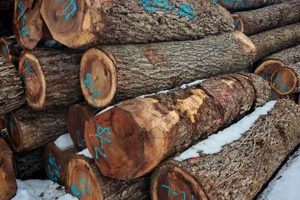
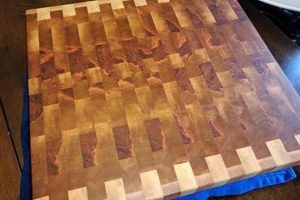
The availability of high-quality lumber is a crucial factor for successful woodworking projects. Sourcing suitable materials can significantly influence the final aesthetic, structural integrity, and overall longevity of the crafted piece. For instance, selecting premium hardwood, rather than commodity-grade softwood, might be essential for constructing durable furniture designed to withstand heavy usage.
Access to reputable suppliers offering a variety of wood species, grades, and dimensions offers woodworkers enhanced control over their projects. Quality wood minimizes waste due to defects like knots or warping and simplifies the construction process. Historically, access to specific types of wood has dictated the style and form of furniture and other wooden objects, reflecting both regional availability and trade routes. The selection process has thus evolved from practical necessity to a strategic element of artistic expression.
Therefore, understanding the various avenues for obtaining premium materials is key for both amateur hobbyists and professional craftspeople. The subsequent sections will examine different types of vendors, focusing on the advantages and disadvantages of each, along with crucial factors to consider when making purchasing decisions, ensuring the procurement of resources that align with the specific demands of diverse woodworking endeavors.
Procuring Superior Timber
The following tips offer guidance on acquiring optimal materials for woodworking endeavors, emphasizing factors impacting the ultimate result.
Tip 1: Evaluate Local Lumberyards: Assess the inventory of nearby lumberyards. Investigate the types of wood available, their grade classifications, and the pricing structures in place. Local lumberyards often provide specialized assistance.
Tip 2: Explore Specialty Wood Suppliers: Consider specialty wood suppliers that concentrate on exotic or unique wood types. These sources typically cater to high-end woodworking projects, ensuring better grading and quality control.
Tip 3: Examine Online Retailers: Research online retailers who offer a comprehensive selection of lumber. Ensure the vendors exhibit detailed wood specifications, dimensions, and high-resolution images to facilitate informed decisions. Scrutinize customer reviews.
Tip 4: Inspect Wood Grading Standards: Become familiar with wood grading standards established by organizations like the National Hardwood Lumber Association (NHLA). This knowledge aids in determining the level of quality associated with various lumber offerings.
Tip 5: Verify Moisture Content: Confirm that the wood’s moisture content is appropriate for the intended application. Overly moist wood is prone to warping or cracking. Utilize a moisture meter, or consult with the supplier to ascertain the moisture levels.
Tip 6: Check for Defects: Undertake a comprehensive visual examination of the wood. Identify potential defects, such as knots, checks, splits, or insect damage, prior to purchase. Such flaws may impact the wood’s structural integrity or appearance.
Tip 7: Consider Sustainable Sourcing: Prioritize lumber sourced from sustainably managed forests, certified by organizations like the Forest Stewardship Council (FSC). This practice ensures that woodworking projects support environmentally responsible operations.
Sound material selection significantly influences the final outcome of woodworking projects. Adherence to these strategies enhances the prospects of obtaining wood that aligns with the particular demands of the undertaking.
The concluding section will offer insights into the long-term care and maintenance of woodwork projects, safeguarding the investment in quality wood.
1. Local Lumberyards

Local lumberyards are a traditional and often accessible resource for woodworkers seeking materials. Their relevance stems from their community presence, potentially offering a personalized service experience and immediate access to products.
- Physical Inspection and Selection
Local lumberyards afford the opportunity for direct physical inspection of the wood. Woodworkers can assess grain patterns, identify defects such as knots or warping, and determine moisture content firsthand. This direct evaluation is crucial for selecting materials suited to specific project requirements.
- Direct Consultation and Expertise
Lumberyard staff typically possess specialized knowledge of wood types, grading systems, and appropriate applications. This expertise can be invaluable in guiding less experienced woodworkers to select the right material for their projects. Such consultation is often unavailable through online retailers.
- Immediate Availability and Reduced Shipping Costs
Purchasing wood from a local lumberyard ensures immediate availability of the materials. This eliminates shipping delays and associated costs, which can be substantial when dealing with large or heavy lumber purchases. This is particularly advantageous for time-sensitive projects or for those with budget constraints.
- Support for Local Economy and Sustainability
Patronizing local lumberyards contributes to the economic health of the community. Furthermore, some local lumberyards prioritize sourcing wood from sustainably managed forests within the region, offering environmentally conscious woodworkers the opportunity to support responsible forestry practices. This aligns with a growing awareness of environmental stewardship in the woodworking community.
In conclusion, local lumberyards provide tangible advantages for woodworkers in terms of material assessment, expert guidance, immediate access, and community support. While they may not offer the vast selection of online retailers, their benefits make them a critical component in the ecosystem of acquiring suitable materials for woodworking endeavors.
2. Specialty Suppliers

Specialty suppliers represent a focused segment within the market for woodworking materials. These entities distinguish themselves by concentrating on specific types of lumber, often catering to niche requirements and high-end projects. Their role is critical for woodworkers seeking unique, rare, or exceptionally high-quality materials not typically available at general lumberyards.
- Exclusive Wood Species
Specialty suppliers commonly offer a wide array of exotic and domestic hardwoods, catering to projects where aesthetic uniqueness or specific wood properties are paramount. Examples include highly figured maples, imported hardwoods like ebony or rosewood, or reclaimed lumber with historical significance. The availability of these materials enables woodworkers to create distinctive pieces impossible to replicate with standard lumber offerings.
- Grade and Quality Control
These suppliers often prioritize stringent quality control measures, ensuring a higher proportion of clear, defect-free lumber. This reduces waste and simplifies the construction process, especially for intricate or high-precision woodworking. Rigorous grading, often exceeding industry standards, guarantees that the materials meet the exacting demands of professional woodworkers and discerning hobbyists.
- Kiln Drying Expertise
Specialty suppliers frequently invest in advanced kiln drying facilities and expertise to ensure optimal moisture content for woodworking. Proper kiln drying minimizes warping, cracking, and movement in the finished product. The expertise in moisture control translates to increased stability and longevity of woodworking projects, vital for fine furniture and musical instruments.
- Custom Milling and Processing
Some specialty suppliers offer custom milling services, allowing woodworkers to specify precise dimensions, profiles, and surface treatments. This reduces the need for extensive in-house milling and ensures that the lumber is perfectly suited to the project requirements. This personalized processing saves time, minimizes waste, and increases efficiency in the woodworking process.
Consequently, engaging with specialty suppliers significantly enhances access to premium resources, enabling woodworkers to realize projects with exceptional quality and distinctive character. Though potentially more expensive than commodity lumber, the benefits in terms of material quality, selection, and specialized services often justify the investment for projects demanding superior results.
3. Online Retailers

The emergence of online retailers has significantly expanded the landscape of lumber acquisition, presenting woodworkers with an alternative to traditional brick-and-mortar establishments. This digital marketplace offers both opportunities and challenges in the pursuit of quality woodworking materials.
- Expanded Selection and Accessibility
Online retailers can offer a wider variety of wood species, grades, and dimensions than many local suppliers due to reduced physical storage constraints. This expanded selection grants woodworkers access to specialized materials that may be unavailable locally, fostering creative potential and enabling diverse project execution. Furthermore, online retailers can overcome geographical limitations, providing access to suppliers regardless of location.
- Detailed Product Information and Specifications
Reputable online lumber vendors typically provide detailed product information, including species identification, grading standards, dimensions, and origin. High-resolution images and videos can supplement these descriptions, enabling woodworkers to assess the material’s visual characteristics remotely. The accuracy and comprehensiveness of this information are crucial for informed decision-making, mitigating the risks associated with unseen purchases.
- Comparative Pricing and Cost Optimization
The online environment facilitates easy price comparison across multiple vendors, enabling woodworkers to identify cost-effective options. While the base price of the lumber is important, shipping costs and potential handling fees must also be factored into the total cost. Careful evaluation of all expenses is essential to determine the most economical choice, balancing cost savings with the need for quality and reliable delivery.
- Logistical Considerations and Potential Risks
Purchasing lumber online introduces logistical complexities related to shipping, handling, and potential damage during transit. Secure packaging and reliable shipping services are crucial to minimize the risk of damage. Woodworkers should carefully review the retailer’s shipping policies, including insurance coverage and procedures for handling damaged goods. Due diligence is necessary to ensure a satisfactory transaction and mitigate potential losses.
In summary, online retailers present a valuable resource for woodworkers seeking diverse lumber options and competitive pricing. However, prudent evaluation of product information, logistical considerations, and vendor reputation is paramount to ensure a positive experience and minimize the risks associated with remote lumber purchases. The benefits of selection and convenience must be balanced against the challenges of assessing quality and managing shipping logistics.
4. Grading Standards

The relationship between lumber grading standards and the procurement of quality woodworking materials is direct and consequential. Grading standards, established by organizations such as the National Hardwood Lumber Association (NHLA), provide a standardized framework for evaluating and classifying lumber based on the presence of defects, overall appearance, and structural integrity. These standards directly influence the price, application, and suitability of lumber for various woodworking projects. Without a solid understanding of grading standards, individuals seeking quality woodworking materials risk acquiring lumber that does not meet the specific requirements of their projects, leading to increased waste, structural instability, or undesirable aesthetic outcomes.
For example, a furniture maker intending to construct a high-end dining table would likely seek FAS (First and Seconds) grade lumber, which denotes a high proportion of clear, defect-free wood suitable for visible surfaces. Conversely, for components within the table’s structure that are not visible, a lower grade such as Number 1 Common may suffice, offering cost savings without compromising structural integrity. Failing to differentiate between these grades could result in unnecessary expenditure on premium lumber for concealed portions or, conversely, the utilization of unsuitable lower-grade lumber for prominent surfaces, diminishing the overall quality and appearance of the finished product. The ability to interpret grading information allows woodworkers to align material costs with project requirements effectively.
In conclusion, grading standards provide an essential tool for informed decision-making when sourcing lumber for woodworking. These standards facilitate communication between suppliers and consumers, ensuring that materials are accurately represented and selected appropriately. While challenges may exist in consistently applying these standards in practice, a working knowledge of lumber grading remains fundamental for achieving successful and high-quality woodworking outcomes. This knowledge directly impacts the overall value and longevity of crafted projects.
5. Sustainability

The integration of sustainable practices into the sourcing of woodworking materials represents a growing imperative, reflecting environmental awareness and long-term resource management concerns. A commitment to sustainability influences choices regarding lumber vendors and species selection, shaping the ethical and environmental footprint of woodworking projects.
- Forest Stewardship Council (FSC) Certification
FSC certification ensures that lumber originates from responsibly managed forests adhering to stringent environmental and social standards. Seeking FSC-certified wood demonstrates a commitment to preventing deforestation, preserving biodiversity, and supporting the rights of forest workers. Choosing suppliers who prioritize FSC-certified lumber offers a verifiable means of promoting responsible forestry practices.
- Locally Sourced Lumber
Procuring lumber from local or regional sources reduces transportation distances, minimizing carbon emissions associated with shipping. Supporting local sawmills and wood suppliers fosters regional economies and reduces reliance on global supply chains, often associated with unsustainable logging practices. Additionally, using locally sourced wood connects woodworkers to their local ecosystem, promoting an awareness of regional forest management issues.
- Reclaimed and Salvaged Wood
Utilizing reclaimed or salvaged wood diverts materials from landfills and reduces the demand for newly harvested timber. Reclaimed lumber, sourced from deconstructed buildings or fallen trees, offers unique aesthetic qualities and historical character. Incorporating reclaimed wood into woodworking projects embodies the principles of resource conservation and waste reduction.
- Species Selection
Selecting wood species from abundant and sustainably managed forests reduces pressure on vulnerable or endangered species. Opting for fast-growing and readily available species, instead of slow-growing or overharvested hardwoods, supports forest health and biodiversity. Informed species selection contributes to the long-term sustainability of forest ecosystems.
The conscious integration of sustainability principles into the procurement of woodworking materials elevates the ethical and environmental value of woodworking projects. By prioritizing FSC certification, locally sourced lumber, reclaimed wood, and responsible species selection, woodworkers can align their craft with broader environmental goals and contribute to the long-term health of forest ecosystems. These choices not only reflect environmental responsibility but also enhance the narrative and value of finished woodworking pieces.
Frequently Asked Questions
This section addresses common inquiries regarding the acquisition of superior lumber for woodworking projects, providing clarification on key aspects of the purchasing process.
Question 1: What constitutes “nice” wood in the context of woodworking?
The term “nice” refers to lumber that exhibits desirable characteristics for a specific woodworking application. These characteristics may include minimal defects (knots, checks, warping), appropriate moisture content, consistent grain patterns, and species-specific qualities relevant to the project’s aesthetic and structural requirements.
Question 2: What are the key differences between hardwood and softwood lumber?
Hardwood originates from deciduous trees (typically broad-leaved), while softwood comes from coniferous trees (typically needle-bearing). Hardwoods are generally denser and more durable than softwoods, making them suitable for furniture and high-wear applications. Softwoods are often used in construction and general carpentry due to their lower cost and ease of workability. Species exceptions exist within each category.
Question 3: How can woodworkers assess the moisture content of lumber before purchase?
A moisture meter is the most accurate tool for measuring moisture content. Alternatively, observe the lumber for signs of warping, cracking, or cupping, which may indicate high moisture levels. Reputable suppliers should be able to provide moisture content readings upon request.
Question 4: What role does kiln drying play in lumber quality?
Kiln drying removes excess moisture from lumber in a controlled environment, reducing the risk of warping, shrinking, and cracking after the wood is incorporated into a project. Properly kiln-dried lumber is more stable and predictable, contributing to the longevity and quality of finished pieces.
Question 5: Is it possible to ensure the sustainability of lumber purchases?
Yes. Look for lumber certified by the Forest Stewardship Council (FSC). Also, inquire about the source of the lumber and prioritize local suppliers that adhere to responsible forestry practices. Consider reclaimed or salvaged wood options to reduce the demand for newly harvested timber.
Question 6: What are the potential risks associated with purchasing lumber online?
Potential risks include inaccurate product representation, damage during shipping, and inconsistent grading. To mitigate these risks, carefully review product descriptions, examine high-resolution images, read customer reviews, and scrutinize the retailer’s shipping and return policies.
In summary, the acquisition of quality lumber necessitates a careful consideration of factors such as species characteristics, moisture content, grading standards, and sustainable sourcing practices. Due diligence is essential to ensure that the selected materials align with the specific demands of the woodworking project.
The following section will discuss the long-term care and maintenance of woodworking projects, preserving the investment in superior materials.
Sourcing Optimal Wood
The preceding discussion has outlined critical considerations for those seeking “where to buy nice wood for woodworking.” Options range from local lumberyards offering tangible inspection opportunities to specialty suppliers providing exotic and high-grade materials, and online retailers granting access to broader selections contingent upon careful vetting. Adherence to grading standards established by organizations like the NHLA is paramount, as is a commitment to sustainable sourcing practices that prioritize responsible forestry. Comprehension of these facets directly informs successful procurement strategies, ensuring that materials align with the specific demands of diverse woodworking endeavors.
Effective navigation of the lumber market hinges upon informed decision-making, balancing factors such as cost, quality, and environmental responsibility. The enduring success of woodworking projects lies not only in skillful execution but also in the thoughtful selection of materials that meet both immediate needs and long-term sustainability goals. Continual vigilance in upholding these standards will contribute to the longevity and value of the craft.