



The application of precise shapes and patterns in woodcraft involves intricate planning and execution. This method often utilizes mathematical principles to achieve visually appealing and structurally sound creations. Examples range from parquet flooring featuring tessellated patterns to complex joinery techniques that create three-dimensional forms based on polyhedra.
The use of these precise patterns offers several advantages. It enhances aesthetic appeal, adding sophistication and visual interest to woodworking projects. Historically, employing such techniques demonstrates a craftsman’s mastery of skill and understanding of mathematical concepts, often signifying status and refinement in the finished piece. Furthermore, the precision inherent in this approach can lead to increased structural integrity and durability.
The following sections will delve deeper into the tools, techniques, and diverse applications of this discipline, providing a comprehensive overview of its principles and practical considerations. Discussions will include methods for layout and design, considerations for material selection, and examples of projects across various scales and complexities.
Essential Considerations for Geometric Design Woodworking
This section provides crucial guidelines for practitioners of applying precision in woodcraft. Adherence to these principles facilitates successful project outcomes and enhances the longevity of finished works.
Tip 1: Precise Measurement is Paramount: Accuracy in measurement forms the bedrock of all successful projects. Employ high-quality measuring tools and verify their calibration regularly. Discrepancies, however minor, can propagate throughout the project, leading to misalignment and compromised aesthetics.
Tip 2: Employ Accurate Layout Techniques: Meticulous layout is crucial for transferring designs onto the wood. Utilize sharp marking knives and precision squares to define cut lines. Consider using templates for repetitive elements to ensure uniformity.
Tip 3: Select Appropriate Wood Species: The choice of wood influences the final result. Consider the grain pattern, hardness, and stability of different species. Dense, fine-grained woods often lend themselves well to intricate designs.
Tip 4: Sharpening is Non-Negotiable: Sharp cutting tools are essential for clean and precise cuts. Dull blades can tear the wood fibers, resulting in ragged edges and increased sanding requirements. Invest time in honing and sharpening tools regularly.
Tip 5: Practice Joinery Techniques: Strong and precise joinery is critical for structural integrity. Mortise and tenon, dovetail, and miter joints are frequently employed. Practice these techniques on scrap wood before committing to the final project.
Tip 6: Account for Wood Movement: Wood expands and contracts with changes in humidity. Designs must accommodate this movement to prevent cracking or warping. Allow for expansion gaps in joints and consider the orientation of the wood grain.
Tip 7: Finish with Precision: A well-executed finish enhances the beauty of the wood and protects it from moisture. Apply finishes evenly and consider the impact of the finish on the overall design aesthetic. Multiple thin coats are generally preferable to a single thick coat.
By integrating these guidelines, artisans can elevate the quality and durability of their work. Attention to detail, from initial measurement to final finishing, is paramount for achieving exceptional results.
The following sections will explore advanced techniques and case studies, providing further insights into the art and science of this discipline.
1. Precise Shape Generation

Precise shape generation constitutes a foundational element within applications of geometric design in woodcraft. The ability to create accurate geometric forms dictates the success of more complex designs and the overall structural integrity of woodworking projects. Neglecting this aspect inevitably leads to aesthetic imperfections and potential structural weaknesses.
- Tool Calibration and Maintenance
Accurate shape generation relies heavily on properly calibrated measuring and cutting tools. Rulers, squares, protractors, and cutting machinery must be meticulously maintained and checked for accuracy. A deviation of even a fraction of a degree can compound across multiple cuts, resulting in significant errors in the final assembly. The implications are most apparent in complex tessellations or constructions requiring precise angular relationships.
- Geometric Construction Techniques
The application of classic geometric construction techniques, such as using a compass and straightedge, remains essential. These methods allow for the creation of precise divisions, arcs, and intersections that form the basis of many geometric designs. Examples include dividing a circle into equal segments for creating polygons or generating complex curves for decorative elements. Proper execution of these techniques is critical for replicating designs accurately and maintaining dimensional consistency.
- Material Considerations and Compensation
Different wood species exhibit varying degrees of stability and workability. When generating precise shapes, these material properties must be considered. Softer woods may be prone to tear-out during cutting, requiring specialized techniques and sharper tools. Harder woods may be more resistant to deformation, but also more difficult to work with. Furthermore, wood’s inherent tendency to expand and contract with changes in humidity requires allowances to be incorporated into the design to prevent warping or cracking.
- Digital Design and Fabrication Integration
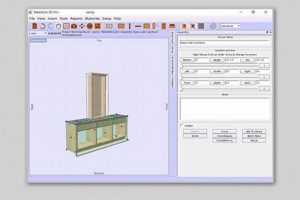
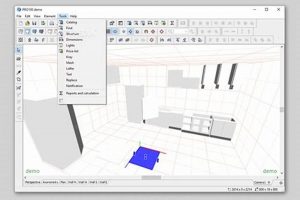
The integration of Computer-Aided Design (CAD) software and Computer Numerically Controlled (CNC) machinery offers unprecedented precision in shape generation. CAD allows for the creation of complex geometric models with exacting dimensions, which can then be translated into machine instructions for automated cutting. This approach minimizes human error and allows for the fabrication of intricate designs that would be virtually impossible to create by hand. The implications extend to mass production and the creation of highly complex geometric patterns.
These interconnected facets highlight the critical role of precision in woodcrafting. Each element, from tool maintenance to material selection and the integration of digital technologies, contributes to the overall accuracy and quality of projects involving these designs. Mastery of these principles elevates projects from simple constructions to meticulously crafted artworks, embodying both functional and aesthetic values.
2. Pattern tessellation mastery

Pattern tessellation mastery is intrinsically linked to geometric design in woodcraft, serving as a pivotal skill for artisans seeking to create visually complex and mathematically precise works. Tessellation, defined as the covering of a plane using one or more geometric shapes, called tiles, with no overlaps and no gaps, provides a foundational framework for generating intricate surface designs and structural elements. The direct causal relationship dictates that proficiency in tessellation techniques directly translates into the ability to execute more elaborate and sophisticated geometric wood designs. For instance, a parquet floor demonstrates this principle, where various wood pieces, often parallelograms or triangles, are arranged to form repeating patterns across a surface. Without a strong grasp of tessellation principles, replicating or innovating such designs becomes significantly more challenging.
The importance of pattern tessellation mastery as a component of geometric design woodworking extends beyond mere aesthetics. The careful selection and arrangement of tessellating shapes can influence the structural integrity of the piece. The interlocking nature of certain tessellation patterns, such as dovetail joints inspired by tessellated polygons, can enhance the strength and stability of wooden structures. This is evident in traditional Japanese woodworking, where intricate joinery techniques often incorporate tessellated elements to create robust and aesthetically pleasing structures that withstand stress and strain over time. Furthermore, the efficient use of material, a key consideration in any woodworking project, is optimized through effective tessellation. By minimizing waste and maximizing the surface area covered by each piece, artisans can achieve both economic and environmental benefits.
In summary, pattern tessellation mastery is an indispensable aspect of geometric design woodworking. It provides the conceptual and practical tools necessary for creating visually compelling, structurally sound, and materially efficient woodworking projects. Understanding tessellation empowers artisans to push the boundaries of their craft, transforming raw materials into intricate and enduring works of art. The ongoing challenge lies in innovating new tessellation patterns and adapting them to the unique properties and constraints of wood, ensuring the continued evolution of this time-honored craft.
3. Mathematical proportion adherence

Mathematical proportion adherence constitutes a cornerstone of visually harmonious and structurally sound geometric design in woodcraft. The application of specific ratios and proportional systems, derived from mathematical principles, directly influences the aesthetic appeal and perceived balance of woodworking projects. This adherence necessitates a deep understanding of geometric relationships, where variations can significantly impact the overall visual effect. For example, utilizing the Golden Ratio (approximately 1.618) in determining the dimensions of a rectangular frame often results in a more pleasing composition than using arbitrary dimensions. The ratio’s prevalence in natural forms contributes to its inherent appeal, suggesting that objects designed according to this principle possess a natural, aesthetically pleasing quality. Deviation from established mathematical proportions may introduce visual tension or a sense of imbalance, thereby diminishing the perceived quality of the finished piece.
Beyond aesthetics, employing mathematical proportion adherence can contribute to structural integrity. In complex joinery, the precise calculation of angles and dimensions is crucial for ensuring a secure and durable connection. Consider the construction of a geodesic dome from wooden struts; the precise angles at which the struts meet are mathematically determined to distribute stress evenly across the structure. Failure to adhere to these proportions can result in localized stress concentrations and potential structural failure. Historically, master carpenters relied on geometric principles and proportional systems to design and construct structures that have endured for centuries, demonstrating the practical significance of this understanding. This approach involves not only adherence to established ratios but also a deep understanding of material properties and the forces acting upon the structure.
In summary, mathematical proportion adherence is not merely an aesthetic consideration but a fundamental aspect of geometric design in woodcraft. Its influence extends from enhancing visual harmony to ensuring structural stability. While intuitive design may yield acceptable results, a rigorous application of mathematical principles provides a framework for creating woodworking projects that are both visually pleasing and structurally sound. The challenge lies in bridging the gap between abstract mathematical concepts and practical woodworking techniques, requiring artisans to develop a comprehensive understanding of both disciplines. The continued exploration and application of these principles promise to yield innovative and enduring contributions to the field of woodworking.
4. Symmetry and balance

Symmetry and balance represent fundamental design principles inextricably linked to the execution and appreciation of geometric design in woodcraft. These concepts transcend mere aesthetic considerations, directly influencing the perceived harmony and stability of woodworking projects.
- Bilateral Symmetry in Furniture Design
Bilateral symmetry, characterized by an exact mirroring of elements across a central axis, is frequently employed in furniture design. Examples include chairs, tables, and cabinets where the left and right sides exhibit identical or near-identical features. This symmetry creates a sense of stability and order, contributing to the object’s visual appeal and functional balance. The implications in this woodworking context encompass careful matching of wood grain patterns and precise execution of joinery to maintain the symmetrical relationship.
- Radial Symmetry in Decorative Woodwork
Radial symmetry, where elements are arranged around a central point, is commonly found in decorative woodwork such as medallions, rosettes, and turned bowls. This form of symmetry evokes a sense of completeness and unity, drawing the eye to the focal point. Its role in geometric design woodworking involves precise division of circles, accurate cutting of segments, and careful assembly to achieve a balanced and visually compelling design. A common example is a segmented wooden bowl where each piece is precisely angled to converge at the center.
- Asymmetrical Balance through Visual Weight
Asymmetrical balance achieves equilibrium through the strategic placement of elements with differing visual weight. While lacking direct mirror imaging, this approach maintains a sense of equilibrium by distributing visual interest across the composition. An example in woodworking is a desk featuring a drawer unit on one side and open shelving on the other. This method requires a keen understanding of visual perception and the ability to manipulate size, shape, and texture to create a harmonious composition.
- Tessellated Patterns and Symmetrical Arrangements
The application of tessellated patterns often relies on symmetrical arrangements to create visually cohesive surfaces. These patterns, composed of repeating geometric shapes, can exhibit various forms of symmetry, including translational, rotational, and reflectional symmetry. In woodworking, tessellated patterns can be achieved through precise cutting and careful assembly of individual tiles, resulting in intricate and visually arresting designs. Examples include parquet flooring, intricate marquetry, and decorative panels featuring repeating geometric motifs.
The integration of symmetry and balance within geometric design woodworking transcends stylistic preference, representing a foundational element of visual coherence and structural integrity. Whether employing strict symmetrical arrangements or exploring the nuances of asymmetrical balance, understanding these principles elevates woodworking projects from functional objects to carefully considered works of art and design.
5. Structural integrity
The relationship between structural integrity and geometric design in woodcraft is causative and fundamental. Geometric design dictates the distribution of stress within a wooden structure; therefore, the chosen geometric forms and their precise execution directly impact the structure’s ability to withstand loads and resist deformation. Precise angles, consistent dimensions, and the selection of appropriate joinery techniques, all aspects of geometric design, directly influence the longevity and safety of the finished product. A failure to account for these geometric factors can result in weak points, stress concentrations, and ultimately, structural failure. The importance of structural integrity as a component of geometric design in woodcraft is paramount; aesthetic considerations must be balanced with the need for a structurally sound and durable finished product. Consider timber-framed buildings: the intricate system of interlocking beams relies on precise angles and joinery, calculated using geometric principles, to distribute the weight of the structure evenly and resist external forces such as wind and snow.
Further demonstrating the practical application of this understanding, boatbuilding employs geometric design principles extensively. The curved hull of a boat, often composed of planks that meet at specific angles, is designed to maximize strength and minimize resistance in the water. The angles at which these planks meet and the type of joinery used are not arbitrary; they are carefully calculated using geometric principles to ensure the hull can withstand the pressure of the water and the stresses induced by wave action. Similarly, in furniture construction, the design of a chair or table leg involves considerations of geometry and load-bearing capacity. The angle at which the legs splay outward, the shape of the legs, and the type of joint used to connect them to the seat or tabletop directly influence the stability and weight-bearing capacity of the furniture piece.
In summary, the effective application of geometric design in woodcraft necessitates a thorough understanding of structural principles. Aesthetic appeal should not supersede the requirement for a robust and durable structure. The challenge lies in integrating geometric design elements in a manner that enhances both the visual appeal and the structural integrity of the woodworking project. Achieving this balance requires a deep understanding of material properties, geometric principles, and the specific loads and stresses the structure will encounter. This understanding ensures that the finished product is not only aesthetically pleasing but also capable of withstanding the test of time.
Frequently Asked Questions About Geometric Design Woodworking
The following section addresses commonly encountered queries and misconceptions surrounding the application of geometric principles in woodcraft.
Question 1: What differentiates geometric design woodworking from conventional woodworking practices?
Geometric design woodworking places an emphasis on precise shapes, mathematical relationships, and patterned arrangements within wooden objects. Conventional woodworking may prioritize functionality or organic forms, whereas this approach integrates mathematical precision as a core design element.
Question 2: Is specialized software required to execute geometric design woodworking projects?
While specialized Computer-Aided Design (CAD) software can facilitate the creation and precise execution of complex designs, it is not always essential. Many projects can be realized using traditional drafting tools, such as compasses, straightedges, and protractors, combined with meticulous measuring and cutting techniques.
Question 3: What wood species are best suited for projects incorporating geometric design elements?
Fine-grained hardwoods, such as maple, cherry, and walnut, are often preferred due to their stability and ability to hold precise details. However, the specific wood selection should also consider the intended use of the finished piece and the desired aesthetic.
Question 4: How does one compensate for wood movement in geometric design woodworking?
Accommodating wood movement requires careful planning and execution. Designs should allow for expansion and contraction, particularly in joints and large surfaces. Employing techniques such as floating panels and strategically oriented grain patterns can minimize the risk of warping or cracking.
Question 5: What are the primary challenges encountered in geometric design woodworking?
Maintaining accuracy in measurement and cutting is paramount. Even minor deviations can accumulate and compromise the overall design. Furthermore, the complexity of certain geometric patterns requires meticulous planning and a thorough understanding of geometric principles.
Question 6: Can geometric design principles be applied to both functional and decorative woodworking projects?
Geometric design principles are applicable across a wide range of woodworking projects, spanning both functional and decorative applications. Examples include furniture construction, architectural millwork, intricate marquetry, and ornamental carvings.
Mastery of geometric design in woodcraft requires a combination of technical skill, mathematical understanding, and artistic vision. Careful planning and meticulous execution are essential for achieving successful outcomes.
The following section will explore case studies and examples of geometric design woodworking, providing further insights into its practical application.
Conclusion
This exposition has explored core facets of geometric design woodworking, detailing its dependence on precision, mathematical adherence, and structural considerations. Examination included shape generation, pattern tessellation, proportioning, symmetry and the crucial role of structural integrity to overall quality. These components, when skillfully integrated, yield projects that are both visually striking and structurally robust.
The enduring appeal of geometric design in woodcraft lies in its ability to synthesize artistic expression with mathematical rigor. Artisans are encouraged to further investigate these techniques, thus contributing to the evolution of this compelling craft and enhancing the legacy of woodworking practices.

![Top Rated Best Design App for Woodworking Designs [2024] | Step-by-Step Guides, Tools & Inspiration to Build Beautiful Wooden Decor on a Budget](https://woodfromhome.com/wp-content/uploads/2026/03/th-321-300x200.jpg "Top Rated Best Design App for Woodworking Designs [2024] Step-by-Step Guides, Tools & Inspiration to Build Beautiful Wooden Decor on a Budget")