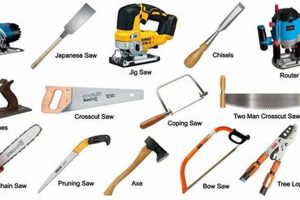
The sector encompasses the sale and distribution of computer numerical control (CNC) machinery and related implements specifically designed for shaping, cutting, and carving wood. These automated systems provide precise and efficient woodworking capabilities, catering to a diverse range of applications from furniture manufacturing to intricate artistic designs. An example of such a product is a three-axis CNC router used for creating decorative moldings.
This area is significant due to its impact on productivity, precision, and design complexity within the woodworking industry. Historically, manual woodworking processes were time-consuming and limited in their ability to produce intricate designs consistently. The introduction of automated technologies revolutionized the field, enabling faster production speeds, reduced material waste, and the creation of highly complex and customized products. This shift has led to increased efficiency and profitability for businesses operating in the woodworking sector.
The following sections will delve into the key drivers shaping demand, the prominent technological advancements impacting capabilities, the competitive landscape defining supplier strategies, and the regional variations influencing adoption rates of these advanced woodworking solutions.
Understanding the nuances of the woodworking CNC tools sector is crucial for maximizing efficiency and achieving desired outcomes. The following tips offer guidance on key considerations when engaging with this technological landscape.
Tip 1: Define Specific Application Requirements: Prior to investment, a thorough analysis of intended applications is essential. Factors such as the types of wood to be processed, the desired level of precision, and the complexity of designs should inform tool selection. For example, a high-speed spindle might be necessary for intricate carvings, while a larger work area is beneficial for processing sizable panels.
Tip 2: Evaluate Software Compatibility: Seamless integration between CNC machinery and design software is vital for streamlined workflow. Ensure the selected equipment is compatible with industry-standard CAD/CAM software packages to facilitate design transfer and efficient toolpath generation. Ignoring this aspect can lead to significant delays and integration challenges.
Tip 3: Prioritize Training and Support: Effective utilization of woodworking CNC tools requires skilled operators. Adequate training programs should be provided to ensure proficiency in machine operation, maintenance, and troubleshooting. Reliable technical support from the equipment supplier is equally important to minimize downtime and resolve technical issues promptly.
Tip 4: Assess Maintenance Requirements: CNC machinery demands regular maintenance to ensure optimal performance and longevity. A detailed understanding of routine maintenance tasks, such as lubrication, calibration, and cleaning, is critical. Neglecting these aspects can result in reduced precision, increased downtime, and costly repairs.
Tip 5: Consider Material Handling Solutions: Efficient material handling is crucial for maximizing productivity. Integration of automated loading and unloading systems can significantly reduce manual labor and increase throughput. Evaluate the specific material handling needs based on the size and weight of materials to be processed.
Tip 6: Investigate Safety Features: Prioritizing safety is paramount. Ensure the selected CNC equipment incorporates appropriate safety features, such as emergency stop buttons, light curtains, and interlocks, to protect operators from potential hazards. Regular safety inspections and training are essential to maintain a safe working environment.
By carefully considering these factors, organizations can make informed decisions regarding the adoption and implementation of woodworking CNC tools, thereby optimizing performance, ensuring safety, and maximizing return on investment.
The subsequent discussion will address emerging trends and future outlooks within the woodworking CNC tools field.
1. Market Size

The overall scale of the woodworking CNC tools market, often quantified in monetary terms (e.g., USD millions or billions), is a key indicator of its economic significance and potential for growth. Market size provides a snapshot of current demand and investment in these technologies, reflecting the willingness of woodworking businesses to adopt automated solutions.
- Total Revenue Generated
This facet represents the aggregate revenue derived from the sale of woodworking CNC machines, related software, tooling, and services (e.g., maintenance, training). Analyzing total revenue trends over time reveals patterns of market expansion or contraction, influenced by economic cycles, technological advancements, and evolving end-user preferences. For instance, an increase in construction activity can directly drive demand for CNC machines used in producing prefabricated wood components, boosting total revenue.
- Unit Sales Volume
Examining the number of woodworking CNC machines sold within a given period provides insights into market penetration and adoption rates. A high unit sales volume, particularly in emerging markets, may signal a growing awareness of the benefits of CNC technology among smaller woodworking businesses. Conversely, a decline in unit sales in mature markets could indicate saturation or a shift towards higher-value, more sophisticated equipment.
- Average Selling Price (ASP)
The average selling price of woodworking CNC tools reflects the technological complexity, features, and brand value associated with different models. A rising ASP may indicate a trend towards premium machines with advanced capabilities, such as 5-axis machining or integrated automation systems. Conversely, increased competition from lower-cost manufacturers could drive down ASPs, making CNC technology more accessible to a wider range of businesses.
- Geographic Distribution of Sales
Analyzing market size across different geographic regions reveals variations in adoption rates and growth potential. Regions with a strong woodworking industry, such as Europe and North America, typically account for a significant share of the global market. However, emerging economies in Asia-Pacific and Latin America are experiencing rapid growth in demand for woodworking CNC tools, driven by increasing industrialization and a growing furniture manufacturing sector.
Understanding these facets of market size is essential for manufacturers, distributors, and investors in the woodworking CNC tools market. By tracking total revenue, unit sales volume, ASP, and geographic distribution, stakeholders can identify emerging trends, assess competitive dynamics, and make informed decisions regarding product development, market entry, and investment strategies. Ultimately, the overall market size serves as a barometer of the industry’s health and potential for future growth.
2. Growth Drivers
Expansion within the woodworking CNC tools market is fundamentally linked to several key growth drivers. These factors catalyze increased demand, technological advancements, and overall market expansion. The causal relationship between these drivers and market growth is direct: stronger drivers result in a more robust market. Understanding these drivers is therefore critical for stakeholders seeking to capitalize on market opportunities and mitigate potential risks. The integration of automation in manufacturing processes, for example, demonstrably increases efficiency and output, thereby necessitating advanced CNC woodworking solutions. Similarly, demand for customized wood products is enabled by the flexibility and precision offered by CNC technology, driving market adoption. These factors are not merely peripheral influences but are integral to the sustained viability and expansion of the market.
Increased labor costs and a shortage of skilled workers significantly contribute to the adoption of automated woodworking solutions. CNC machines reduce reliance on manual labor, mitigating the impact of rising wages and labor shortages. Furthermore, the growing demand for high-precision, complex woodworking projects necessitates CNC technology, which offers capabilities beyond manual techniques. Consider the construction industry’s increasing use of prefabricated wooden components. This trend relies heavily on CNC machinery to ensure accuracy and consistency, thereby driving growth within the woodworking CNC tools market. Another practical application is the production of intricate musical instruments, where CNC precision is essential for achieving optimal acoustic performance.
In summary, growth within the woodworking CNC tools sector is driven by a confluence of factors including increasing automation, demand for customization, rising labor costs, and the need for high-precision manufacturing. The understanding and management of these drivers are crucial for businesses operating within this market. Challenges such as the initial investment cost and the need for specialized training remain, but the long-term benefits of increased efficiency, precision, and product quality continue to fuel market expansion. The overall trajectory of the woodworking CNC tools market is inextricably linked to the strength and persistence of these growth drivers.
3. Technological Advancements
Technological advancements constitute a primary force shaping the capabilities, efficiency, and overall value proposition within the woodworking CNC tools market. Ongoing innovation across hardware, software, and control systems directly influences the performance, precision, and application range of these tools.
- Multi-Axis Machining (5-Axis and Beyond)
The evolution from traditional 3-axis CNC machines to 5-axis (or higher) systems significantly expands the design possibilities and manufacturing efficiency in woodworking. These machines allow for the simultaneous movement of the cutting tool along five axes, enabling the creation of complex, organic shapes and undercuts without the need for multiple setups. For example, a 5-axis CNC router can produce intricate chair backs or ornate carvings in a single operation, reducing production time and improving accuracy compared to traditional methods. The adoption of multi-axis machining directly enhances the market appeal of CNC tools for high-end woodworking applications requiring complex geometries.
- Advanced Control Systems and Software
Sophisticated control systems and CAM (Computer-Aided Manufacturing) software are integral to maximizing the capabilities of woodworking CNC tools. Modern control systems offer features such as real-time toolpath optimization, adaptive feed rate control, and collision detection, ensuring efficient and safe operation. CAM software enables the conversion of digital designs into machine-readable code, allowing for precise control over cutting parameters and tool movements. For instance, advanced CAM software can automatically generate optimized toolpaths for complex 3D models, minimizing material waste and reducing machining time. Improvements in control systems and software enhance the user-friendliness and productivity of CNC woodworking tools, driving market adoption.
- Sensor Integration and Automation
The integration of sensors and automation technologies into woodworking CNC tools enhances their capabilities and efficiency. Sensors can monitor various parameters such as cutting forces, spindle speed, and material thickness, providing real-time feedback to the control system. This data can be used to optimize cutting parameters, detect tool wear, and prevent machine malfunctions. Automation technologies, such as automated material handling systems and robotic loading/unloading, can further streamline the manufacturing process. An example is the use of laser scanners to create digital models of existing wooden objects, which can then be replicated or modified using CNC machines. The integration of sensors and automation improves the precision, reliability, and productivity of CNC woodworking tools, increasing their value proposition for manufacturers.
- Improved Tooling and Cutting Technologies
Ongoing advancements in cutting tool materials, geometries, and coatings contribute to improved cutting performance and tool life in woodworking CNC applications. High-performance cutting tools, such as diamond-coated or carbide-tipped cutters, offer superior wear resistance and cutting efficiency, enabling faster machining speeds and improved surface finishes. New cutting techniques, such as high-speed machining and trochoidal milling, further enhance the capabilities of CNC machines. For example, the use of optimized cutting tools can significantly reduce splintering and tear-out when machining hardwoods, improving the quality of finished products. Advancements in tooling and cutting technologies directly enhance the performance and versatility of woodworking CNC tools, driving market growth.
These technological advancements collectively contribute to the increased efficiency, precision, and versatility of woodworking CNC tools. As these technologies continue to evolve, the market will likely witness further innovation and adoption, driven by the demand for high-quality, customized wood products and the need for improved manufacturing processes.
4. Competitive Landscape

The competitive landscape within the woodworking CNC tools market significantly shapes its overall dynamics and trajectory. It represents the aggregate interactions among manufacturers, distributors, and service providers vying for market share. The intensity of this competition directly impacts pricing strategies, product innovation, and the level of customer service offered. A highly competitive environment typically drives companies to differentiate themselves through technological advancements, enhanced performance features, or more aggressive pricing. Conversely, a less competitive market may stifle innovation and lead to higher prices for end-users. For example, the presence of established European manufacturers alongside emerging Asian competitors creates a dynamic tension that fosters both technological progress and cost optimization within the industry.
The structure of the competitive landscape affects the accessibility and adoption rate of woodworking CNC tools. If a small number of dominant players control the market, smaller woodworking businesses may face challenges in acquiring affordable and suitable equipment. The availability of financing options, leasing programs, and used equipment marketplaces can mitigate these barriers to entry, fostering broader market participation. Furthermore, the distribution networks and after-sales support provided by different companies influence customer satisfaction and brand loyalty. Companies that invest in comprehensive training programs and readily available technical assistance tend to command a premium in the market. A practical illustration is the impact of online marketplaces that facilitate the comparison and purchase of woodworking CNC tools from multiple vendors. This increased transparency empowers buyers and intensifies competition among suppliers.
In summary, the competitive landscape constitutes a vital component of the woodworking CNC tools market. Its configuration directly influences pricing, innovation, market accessibility, and customer service. An understanding of the key players, their strategies, and the underlying competitive forces is crucial for stakeholders seeking to navigate this market effectively. Successfully analyzing and responding to the competitive environment is paramount for both established manufacturers aiming to maintain market share and new entrants seeking to disrupt the status quo. Ultimately, a healthy competitive landscape benefits end-users by driving innovation and ensuring a wider range of choices and price points.
5. Regional Variations

The woodworking CNC tools market exhibits considerable variations across different geographic regions. These variations stem from disparate economic conditions, manufacturing capabilities, prevailing woodworking traditions, and levels of technological adoption. Understanding these regional nuances is critical for manufacturers and distributors aiming to optimize their market entry strategies and cater to local demand.
- Economic Development and Investment Capacity
Regions with strong economies and high levels of industrial investment tend to exhibit greater demand for advanced woodworking CNC tools. North America and Europe, with their established manufacturing sectors and access to capital, represent significant markets for high-end, automated equipment. Conversely, developing economies may prioritize more cost-effective, entry-level CNC solutions. For instance, the construction boom in certain Asian countries drives demand for CNC machines used in prefabricated housing components, but the focus is often on affordability and ease of use.
- Prevailing Woodworking Traditions and Styles
Regional woodworking traditions and prevalent design styles influence the types of CNC tools that are most in demand. In regions with a strong tradition of handcrafted furniture, such as Italy or Scandinavia, there may be a preference for CNC machines that can replicate or enhance traditional techniques. Regions specializing in mass-produced furniture, on the other hand, may prioritize high-speed, automated systems designed for maximum throughput. The demand for intricate carvings and decorative elements also varies geographically, influencing the need for multi-axis CNC routers with advanced capabilities.
- Government Regulations and Industry Standards
Government regulations and industry standards related to safety, environmental protection, and product quality impact the adoption of woodworking CNC tools. Regions with stringent regulations may require machines with specific safety features or energy-efficient designs. The implementation of standardized woodworking practices also influences the demand for CNC machines that can comply with established norms. For example, European Union regulations regarding timber sourcing and processing can drive the adoption of CNC machines that minimize waste and optimize material utilization.
- Availability of Skilled Labor and Technical Expertise
The availability of skilled labor and technical expertise plays a crucial role in the successful implementation and operation of woodworking CNC tools. Regions with a strong educational infrastructure and a skilled workforce are more likely to adopt advanced CNC technologies. The presence of vocational training programs and technical colleges focused on CNC machining facilitates the adoption of these tools by providing a pool of trained operators and maintenance personnel. Conversely, regions with a shortage of skilled labor may face challenges in implementing and maintaining sophisticated CNC systems.
The observed regional variations in the woodworking CNC tools market underscore the importance of tailoring market strategies to specific geographic contexts. Manufacturers and distributors need to consider economic factors, cultural preferences, regulatory requirements, and skills availability to effectively penetrate different regional markets. A one-size-fits-all approach is unlikely to succeed in this diverse and dynamic global industry.
6. End-User Industries
The demand for woodworking CNC tools is intrinsically linked to the diverse needs and applications within various end-user industries. These industries, acting as the primary consumers of CNC technology, exert a significant influence on market trends, product development, and overall growth patterns.
- Furniture Manufacturing
The furniture industry represents a major consumer of woodworking CNC tools. From mass-produced flat-pack furniture to bespoke, high-end designs, CNC machines enable efficient and precise cutting, shaping, and carving of wood components. Examples include the automated production of cabinet doors, chair frames, and table tops, where CNC technology ensures consistency and accuracy. The increasing demand for customized furniture further fuels the need for flexible and versatile CNC solutions.
- Construction and Building Products
The construction industry utilizes woodworking CNC tools for various applications, including the fabrication of structural elements, prefabricated walls, and decorative moldings. CNC machines facilitate the efficient production of dimensionally accurate components, reducing on-site labor and construction time. Examples include the automated cutting of timber frames, the creation of intricate architectural details, and the manufacturing of custom window and door frames. The growing adoption of prefabricated construction methods drives the demand for high-throughput CNC systems.
- Musical Instrument Manufacturing
The production of musical instruments relies heavily on the precision and repeatability offered by woodworking CNC tools. From the shaping of guitar bodies and necks to the carving of intricate soundboard bracing, CNC machines ensure consistent quality and optimal acoustic performance. Examples include the automated milling of violin tops, the precise cutting of fretboards, and the creation of decorative inlays. The demand for high-quality instruments and the increasing use of exotic woods drive the need for advanced CNC solutions with specialized tooling.
- Signage and Decorative Arts
The signage and decorative arts industries utilize woodworking CNC tools for creating custom signs, artistic carvings, and decorative panels. CNC machines enable the precise cutting and engraving of wood, acrylic, and other materials, allowing for the creation of intricate designs and personalized products. Examples include the automated production of wooden signs, the carving of decorative wall panels, and the creation of custom awards and trophies. The demand for personalized products and the increasing use of digital fabrication techniques fuel the need for versatile and user-friendly CNC solutions.
The diverse applications across these end-user industries underscore the importance of woodworking CNC tools in modern manufacturing and craftsmanship. These industries’ evolving needs and demands directly shape the development and adoption of new CNC technologies, driving innovation and growth within the woodworking sector.
Frequently Asked Questions
This section addresses common inquiries and provides clarification regarding the woodworking CNC tools market. It aims to offer objective and informative responses to prevailing questions surrounding this technological sector.
Question 1: What factors primarily drive the cost of woodworking CNC tools?
The cost of these tools is influenced by several factors, including machine size, axis configuration (e.g., 3-axis vs. 5-axis), spindle power, control system sophistication, and the inclusion of advanced features such as automatic tool changers or vacuum hold-down systems. Brand reputation and after-sales support also contribute to pricing variations.
Question 2: What are the key advantages of using woodworking CNC tools compared to manual woodworking methods?
CNC tools offer significant advantages in terms of precision, repeatability, and efficiency. They enable the production of complex designs with tight tolerances, reduce material waste, and allow for faster production speeds compared to manual woodworking techniques. CNC automation also minimizes the need for highly skilled labor, lowering overall production costs.
Question 3: What types of wood materials are commonly processed using woodworking CNC tools?
These tools can process a wide range of wood materials, including hardwoods (e.g., oak, maple, walnut), softwoods (e.g., pine, cedar, fir), plywood, MDF (Medium-Density Fiberboard), and composite materials. The selection of appropriate cutting tools and machining parameters is crucial for achieving optimal results with different wood types.
Question 4: What safety considerations are paramount when operating woodworking CNC tools?
Operator safety is of utmost importance. Key safety considerations include the use of proper personal protective equipment (PPE), such as safety glasses and hearing protection, adherence to machine operating procedures, regular maintenance and inspection of equipment, and the implementation of appropriate safety interlocks and emergency stop systems. Adequate training is essential for all personnel operating CNC machinery.
Question 5: How does the availability of software impact the effectiveness of woodworking CNC tools?
Software plays a crucial role in the design, programming, and operation of these tools. Compatibility with industry-standard CAD/CAM software packages is essential for efficient design transfer and toolpath generation. User-friendly interfaces, advanced simulation capabilities, and robust error-checking features enhance the overall effectiveness and productivity of CNC woodworking systems.
Question 6: What are the typical maintenance requirements for woodworking CNC tools?
Regular maintenance is necessary to ensure optimal performance and longevity. Typical maintenance tasks include lubrication of moving parts, cleaning of debris and dust, inspection of cutting tools, calibration of machine axes, and periodic replacement of worn components. Adhering to a preventative maintenance schedule can minimize downtime and prevent costly repairs.
This FAQ section provides a foundational understanding of crucial aspects concerning woodworking CNC tools. By addressing these common inquiries, stakeholders can gain a clearer perspective on this dynamic technological landscape.
The subsequent section will explore future trends and predictions within the woodworking CNC tools market.
Concluding Remarks on the Woodworking CNC Tools Market
This exploration has illuminated key facets of the woodworking CNC tools market, encompassing its size, growth drivers, technological advancements, competitive dynamics, regional variations, and end-user industries. The analysis underscores the market’s dependence on technological innovation, economic conditions, and the evolving demands of various woodworking sectors. A comprehensive understanding of these elements is crucial for stakeholders aiming to navigate this landscape effectively.
The trajectory of the woodworking CNC tools market is contingent upon sustained investment in research and development, adaptation to changing economic realities, and proactive engagement with emerging market opportunities. Continued diligence in these areas will be essential for maximizing the potential of advanced woodworking technologies and ensuring long-term sustainability within the industry.
![Essential Specialist Woodworking Tools [Guide] | Step-by-Step Guides, Tools & Inspiration to Build Beautiful Wooden Decor on a Budget](https://woodfromhome.com/wp-content/uploads/2026/04/th-309-300x200.jpg "Essential Specialist Woodworking Tools [Guide] Step-by-Step Guides, Tools & Inspiration to Build Beautiful Wooden Decor on a Budget")

![Smart & Clever Woodworking Tools: [Your Woodworking Goals] | Step-by-Step Guides, Tools & Inspiration to Build Beautiful Wooden Decor on a Budget](https://woodfromhome.com/wp-content/uploads/2026/04/th-305-300x200.jpg "Smart & Clever Woodworking Tools: [Your Woodworking Goals] Step-by-Step Guides, Tools & Inspiration to Build Beautiful Wooden Decor on a Budget")