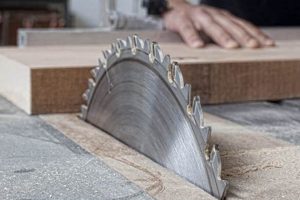
The tool under consideration is specifically designed for efficiently processing unseasoned or “green” wood. These implements often feature blade geometries and tooth patterns optimized to manage the higher moisture content and fibrous nature of freshly cut timber. For example, a saw with larger gullets and a coarser tooth pitch may be preferred to prevent binding and facilitate sawdust removal when working with wet lumber.
Using this specialized equipment offers several advantages. It enables the immediate utilization of recently felled trees, reducing the need for extensive drying periods. Historically, these tools were essential in rural communities for constructing shelters, tools, and furniture directly from available resources. This approach minimizes material waste and potentially lowers costs associated with purchasing kiln-dried wood.
The following sections will delve into specific types of these tools, examine optimal techniques for employing them, and discuss maintenance strategies for ensuring longevity and performance.
Essential Practices for Utilizing a Saw in Processing Unseasoned Wood
Maximizing the effectiveness and lifespan of equipment intended for use on green wood requires adherence to specific operational and maintenance guidelines. These practices will optimize performance and mitigate potential issues arising from the unique properties of unseasoned timber.
Tip 1: Blade Selection: Choose a blade specifically designed for wet wood. A coarser tooth pitch and wider kerf will facilitate chip ejection and reduce friction.
Tip 2: Lubrication: Apply lubricant, such as paraffin wax or specialized saw lubricant, to the blade regularly. This minimizes friction and prevents the blade from binding within the cut.
Tip 3: Controlled Cutting Speed: Maintain a consistent and moderate cutting speed. Forcing the tool can lead to blade overheating and increased risk of binding or kickback.
Tip 4: Proper Stock Support: Ensure the workpiece is adequately supported to prevent movement or vibration during cutting. Clamps and workbenches are essential for maintaining stability.
Tip 5: Blade Tension (if applicable): For frame saws or band saws, regularly check and adjust blade tension according to manufacturer specifications. Incorrect tension can affect cutting accuracy and blade life.
Tip 6: Cleaning and Maintenance: After each use, thoroughly clean the blade to remove sawdust and sap. Apply a rust preventative to protect the blade from corrosion.
Tip 7: Sharpening: Regularly sharpen the blade to maintain optimal cutting performance. A dull blade requires more force, increasing the risk of binding and reducing cutting efficiency.
Adherence to these practices will enhance the efficiency and safety of processing unseasoned wood, minimizing tool wear and maximizing material yield.
The following section will explore different types of saws and tools available that are suited to this type of woodworking.
1. Blade Geometry

The blade geometry of a woodworking saw designed for green wood is a critical determinant of its performance and efficiency. The specific angles, shapes, and arrangements of the cutting teeth are engineered to address the challenges posed by the high moisture content and fibrous nature of freshly cut timber. A primary consideration is the rake angle, which influences the aggressiveness of the cut. A more positive rake angle is often employed in tools intended for green wood, facilitating easier cutting but potentially increasing the risk of tear-out in certain species. Conversely, a negative or neutral rake angle may be preferred for denser green woods to achieve a smoother finish.
Another crucial element is the gullet depth and shape. Gullets, the spaces between the teeth, serve as reservoirs for sawdust. Green wood generates significantly more sawdust than dry wood, and if the gullets are insufficiently sized, they can become clogged, leading to increased friction, binding, and reduced cutting speed. Saws designed for green wood typically feature deeper and wider gullets to effectively clear the cutting path. For instance, a traditional froe, used for splitting green wood, utilizes a wedge-shaped blade geometry to exploit the natural grain of the wood, minimizing resistance and facilitating clean splits.
In summary, optimized blade geometry is essential for the effective operation of a saw used for green woodworking. The appropriate rake angle, gullet design, and tooth configuration must be carefully considered to mitigate the challenges associated with processing unseasoned timber. Understanding these principles enables woodworkers to select and maintain tools that maximize efficiency, minimize effort, and produce high-quality results. The next section will explore the impact of “Tooth Pattern” for the function of “green woodworking saw.”
2. Tooth Pattern

The tooth pattern on a saw designed for green woodworking significantly influences its ability to efficiently and cleanly cut through unseasoned lumber. The arrangement, shape, and set of the teeth are critical for chip removal, reducing friction, and preventing binding.
- Raker Teeth Arrangement
Raker teeth, often incorporated into saw designs for green wood, are specifically configured to clean the cut by removing wood fibers ahead of the cutting teeth. This arrangement is particularly effective in green wood, where moisture and fiber content contribute to increased friction and potential binding. Saw designs that include raker teeth, such as some types of frame saws, improve cutting efficiency and reduce the effort required.
- Progressive Tooth Pitch
A progressive tooth pitch, characterized by varying tooth spacing along the blade, can optimize performance when sawing green wood. A coarser pitch at the front of the blade initiates the cut, while a finer pitch towards the back ensures a cleaner finish. This combination effectively manages the moisture and fibrous material of green wood, preventing tear-out and reducing the likelihood of the saw becoming clogged.
- Tooth Set Configuration
The set of the teeth, which refers to the alternating offset of teeth from the blade’s centerline, creates a kerf wider than the blade itself. This is crucial for preventing the blade from binding in green wood. A wider set allows for more efficient chip clearance and reduces friction between the blade and the sides of the cut. However, an excessively wide set can result in a rough cut and increased effort; thus, careful consideration of the wood species and moisture content is essential.
- Peg Tooth vs. Fleam Tooth
Peg tooth patterns are simple, triangular shapes primarily designed for ripping wood along the grain. In green woodworking, peg teeth can be effective for splitting or riving logs due to their aggressive cutting action and ability to clear large chips. Fleam tooth patterns, on the other hand, have a beveled cutting edge and are better suited for crosscutting, providing a cleaner and more controlled cut across the grain. The choice between peg and fleam teeth depends on the specific task and desired finish in green woodworking.
In conclusion, tooth pattern is integral to the function of a saw intended for green woodworking. From the inclusion of raker teeth to the management of tooth set and the careful selection of tooth geometry, each aspect plays a critical role in optimizing the tool’s ability to process the challenging material that is green wood. Understanding these elements allows woodworkers to make informed decisions in tool selection and application, leading to more efficient and successful projects.
3. Kerf Width

Kerf width, the width of the cut produced by a saw blade, is a critical parameter in the context of green woodworking. When processing unseasoned wood, the high moisture content and inherent stickiness of the material can lead to increased friction and binding if the kerf is insufficient. A narrow kerf exacerbates this issue, as the freshly cut wood fibers tend to swell and compress against the blade, impeding its progress. Consequently, saws intended for green woodworking typically feature a wider kerf than those designed for dry wood. This wider kerf provides adequate clearance for the blade, reducing friction and minimizing the risk of binding. For example, traditional frame saws used for riving green logs often employ blades with significant set, resulting in a wider kerf that facilitates efficient splitting.
The relationship between kerf width and the type of saw employed is also significant. Band saws, commonly used in modern woodworking, can be equipped with blades of varying kerf widths. For green woodworking applications, selecting a blade with a wider kerf is crucial for preventing the blade from wandering or overheating. Similarly, hand saws designed for green wood, such as some Japanese saws, are often characterized by their aggressive tooth geometry and wider kerf, allowing for smooth and controlled cuts through the dense, moist material. Conversely, attempting to use a saw with a narrow kerf on green wood can lead to a rough cut, increased effort, and potential damage to the saw.
In summary, the careful consideration of kerf width is essential for successful green woodworking. A wider kerf provides the necessary clearance to mitigate the challenges associated with processing unseasoned wood, reducing friction, preventing binding, and ensuring efficient cutting. The selection of a saw with an appropriate kerf width, coupled with proper technique, is crucial for achieving high-quality results and prolonging the lifespan of the tool. The next section will explore the impact of “Lubrication Needs” for the function of “green woodworking saw”.
4. Lubrication Needs

The efficient operation of a saw used for green woodworking is heavily dependent on adequate lubrication. Green wood, characterized by its high moisture content, generates significant friction when cut. This friction increases heat, causing the blade to bind within the kerf, hindering progress and potentially damaging both the saw and the workpiece. Lubrication acts as a critical intermediary, reducing friction between the blade and the wood. This allows the saw to move more freely, minimizes heat buildup, and prevents the blade from becoming stuck. For instance, applying paraffin wax to the blade of a drawknife when shaping green wood stool legs significantly reduces the effort required and produces a smoother cut.
Failure to address lubrication needs can have several detrimental effects. Increased friction leads to premature blade wear, necessitating more frequent sharpening or replacement. Binding can cause the saw to buck or jump, posing a safety hazard to the user. Moreover, excessive heat can temper the blade, reducing its hardness and durability. Proper lubrication, on the other hand, extends the lifespan of the tool and improves the quality of the finished product. Traditional woodworking practices often involve using tallow or beeswax as lubricants, demonstrating a historical awareness of the importance of reducing friction when working with green wood. Modern lubricants, such as specialized saw waxes and sprays, offer improved performance and ease of application.
In summary, lubrication is an indispensable component of successful green woodworking. It mitigates the challenges posed by the high moisture content of unseasoned wood, ensuring smooth, efficient, and safe cutting. Regular application of an appropriate lubricant reduces friction, minimizes blade wear, and enhances the overall quality of the woodworking process. Understanding the relationship between lubrication and green wood sawing is crucial for maximizing tool performance and achieving optimal results.
5. Cutting Technique
Cutting technique is intrinsically linked to the successful utilization of a saw in green woodworking. The properties of unseasoned wood high moisture content, increased weight, and a tendency to bind necessitate specific adaptations in sawing methods to achieve clean, efficient cuts and prevent tool damage. Inappropriate technique can lead to blade pinching, uneven cuts, and increased physical exertion, negating the benefits of a specialized saw. For example, applying excessive downward pressure when crosscutting green oak can cause the blade to flex and bind, resulting in a jagged cut and potential kickback. Conversely, employing a lighter, more controlled stroke allows the blade to efficiently remove material without undue stress.
The sawing motion itself is a critical aspect of technique. A smooth, rhythmic stroke, utilizing the full length of the blade, maximizes cutting efficiency and minimizes the risk of binding. Maintaining a consistent angle of attack is equally important. Deviations from the intended cutting line can result in an uneven kerf and increased friction. The practice of “feathering” the saw, using a lighter touch at the start and end of each stroke, helps to prevent splintering, particularly when working with woods prone to tear-out. Furthermore, proper body positioning and stance contribute to control and stability, allowing the user to apply force effectively and maintain a consistent cutting rhythm. The importance of sawing along the grain can improve outcomes by a significant factor. Riving, for instance, uses splitting wedges to allow wood to be separated along the grain, this is better than just cutting through a tree log in order to follow a grain.
In summary, appropriate cutting technique is not merely a supplementary skill but an integral component of successful green woodworking. It directly impacts cutting efficiency, accuracy, and safety. By adapting sawing methods to the specific properties of unseasoned wood and prioritizing controlled, rhythmic strokes, woodworkers can maximize the performance of their saws and achieve superior results. This understanding, paired with a specialized saw designed for green wood, enables the efficient and sustainable utilization of freshly harvested timber.
6. Maintenance

Sustained performance and longevity of tools engineered for green woodworking are intrinsically linked to diligent maintenance practices. The corrosive nature of sap and the increased friction associated with cutting unseasoned timber necessitate a proactive approach to upkeep. Neglecting maintenance results in diminished cutting efficiency, increased risk of tool failure, and a reduction in the overall quality of work.
- Blade Cleaning and Drying
Following each use, thorough cleaning of the saw blade is paramount. Sap and wood residue accumulate rapidly, contributing to increased friction and potential rust formation. A stiff brush and solvent, such as mineral spirits, effectively remove these contaminants. Subsequent drying of the blade prevents the onset of corrosion, particularly in humid environments. For example, the immediate removal of sap from a frame saw blade used to rive green oak minimizes the risk of pitting and ensures consistent performance during subsequent use.
- Sharpening and Tooth Set
Maintaining a sharp cutting edge and appropriate tooth set is crucial for efficient cutting. Green wood dulls saw teeth more rapidly than seasoned wood, requiring more frequent sharpening. Furthermore, the tooth set, which determines the width of the kerf, must be maintained to prevent binding. A dull blade or improperly set teeth increase the effort required to cut, reduce precision, and can lead to tool damage. Regularly jointing, setting, and sharpening a tenon saw used for green wood joinery ensures clean, accurate cuts and reduces the likelihood of tear-out.
- Rust Prevention
Exposure to moisture, particularly the moisture present in green wood, accelerates the corrosion process. Applying a rust-inhibiting coating to the blade after cleaning and drying provides a protective barrier against oxidation. Options include light machine oil, paste wax, or specialized rust preventative products. For example, coating a green woodworking axe with camellia oil after each use safeguards the tool from rust and maintains its cutting edge.
- Handle and Frame Inspection
The integrity of the saw handle and frame is essential for safety and control. Regularly inspect these components for cracks, looseness, or other signs of damage. A loose handle compromises grip and can lead to accidents. Cracks in the frame of a frame saw can compromise its structural integrity and affect cutting accuracy. Tightening loose fasteners and replacing damaged components promptly ensures safe and effective operation. The practice of regularly inspecting a buck saw’s frame and tensioning mechanism ensures both safety and optimal cutting performance.
These maintenance practices are not merely routine chores but integral investments in the performance and longevity of saws used for green woodworking. Adherence to these guidelines maximizes tool efficiency, enhances safety, and ultimately contributes to the quality and sustainability of woodworking projects utilizing unseasoned timber. Proper maintenance connects directly to the “green” nature of the craft, promoting responsible resource use and minimizing the need for tool replacement. A well-maintained saw becomes a more sustainable and reliable tool, crucial to the green woodworking toolkit.
7. Saw Selection
The selection of an appropriate saw is paramount for efficient and successful green woodworking. The unique characteristics of unseasoned wood demand tools specifically designed to handle its moisture content and fibrous structure. Therefore, careful consideration of saw type and features is essential to optimize cutting performance and minimize material waste.
- Blade Material and Hardness
The blade material and its corresponding hardness directly influence the saw’s ability to maintain a sharp cutting edge when processing green wood. High-carbon steel blades, known for their hardness and ability to hold an edge, are frequently preferred for green woodworking applications. However, they may be more susceptible to corrosion and require diligent maintenance. Conversely, some alloy steel blades offer increased corrosion resistance but may require more frequent sharpening. The choice depends on the specific species of green wood being processed and the user’s willingness to maintain the blade.
- Tooth Geometry and Set
Tooth geometry and set are crucial determinants of a saw’s cutting action and chip-clearing capability in green wood. A coarser tooth pitch, with larger gullets, facilitates efficient removal of wet sawdust and reduces the risk of binding. The tooth set, which refers to the alternating offset of teeth from the blade’s centerline, creates a kerf wider than the blade itself, further minimizing friction. Saws with a progressive tooth pitch, coarser at the toe and finer at the heel, can provide a balance of aggressive cutting and a cleaner finish. Understanding the interplay between tooth geometry and set enables woodworkers to select saws optimized for specific green woodworking tasks.
- Saw Type and Application
The type of saw employed directly influences the efficiency and accuracy of green woodworking operations. Frame saws, with their ability to tension a blade under high stress, are frequently used for riving green logs along the grain. Bow saws offer a balance of maneuverability and cutting power, suitable for various green woodworking tasks. Specialized saws, such as froes, are designed for splitting green wood along its natural grain, minimizing waste and maximizing material yield. The selection of an appropriate saw type, tailored to the specific task and material, is essential for achieving optimal results.
- Ergonomics and User Comfort
Ergonomics and user comfort, while often overlooked, play a significant role in the efficiency and safety of green woodworking. A well-designed handle, providing a secure and comfortable grip, reduces fatigue and enhances control. The weight and balance of the saw should be appropriate for the intended task, minimizing strain and maximizing cutting efficiency. Considerations such as handle material, grip texture, and overall saw weight contribute to a more comfortable and productive woodworking experience.
These considerations underscore the critical role of informed saw selection in green woodworking. By carefully evaluating blade material, tooth geometry, saw type, and ergonomics, woodworkers can optimize their cutting performance, minimize material waste, and enhance the overall quality of their projects. The correct saw makes a notable difference.
Frequently Asked Questions
This section addresses common inquiries and clarifies misconceptions regarding implements specifically designed for processing unseasoned wood.
Question 1: What distinguishes a saw intended for green woodworking from one designed for seasoned lumber?
The primary distinction lies in blade geometry and tooth configuration. Green woodworking saws typically feature coarser tooth pitches, wider kerfs, and specialized tooth patterns optimized for the higher moisture content and fibrous nature of unseasoned timber. These design elements minimize friction, prevent binding, and facilitate efficient chip removal.
Question 2: Is it possible to use a standard woodworking saw for green woodworking?
While technically possible, using a standard saw designed for dry wood on green wood is generally discouraged. The increased friction and potential for binding can damage the blade, reduce cutting efficiency, and pose safety hazards. Specialized saws are engineered to mitigate these challenges.
Question 3: What types of lubrication are recommended for green woodworking saws?
Suitable lubricants include paraffin wax, beeswax, and specialized saw lubricants. These substances reduce friction between the blade and the wood, preventing binding and minimizing heat buildup. Regular application is crucial for maintaining optimal cutting performance.
Question 4: How frequently should a green woodworking saw be sharpened?
Sharpening frequency depends on the type of wood being processed and the intensity of use. However, green wood typically dulls saw teeth more rapidly than seasoned wood. Regular inspection and sharpening, as needed, are essential for maintaining cutting efficiency.
Question 5: What are the primary safety considerations when using a saw for green woodworking?
Key safety considerations include proper workpiece support, controlled cutting speed, and the use of appropriate personal protective equipment, such as safety glasses and gloves. Avoiding excessive force and ensuring the blade is sharp also minimize the risk of injury.
Question 6: What are the benefits of using specialized saws for green woodworking?
Employing specialized saws enhances cutting efficiency, reduces physical exertion, minimizes material waste, and prolongs the lifespan of the tool. These saws are engineered to address the unique challenges associated with processing unseasoned timber, resulting in improved performance and superior results.
In conclusion, utilizing tools specifically designed and properly maintained for green woodworking promotes efficiency, safety, and high-quality results.
The next section will summarize key considerations related to green woodworking saws.
Conclusion
This exploration has underscored the critical role of the specialized implement in the practice of processing unseasoned timber. Key considerations including blade geometry, tooth pattern, kerf width, lubrication, and cutting technique all significantly influence performance. Tool selection, maintenance protocols, and adherence to safety guidelines further contribute to the overall efficiency and longevity of these implements.
The informed application of appropriate tools and techniques is essential for maximizing resource utilization and minimizing environmental impact. Continued research and development in this domain are vital for advancing sustainable woodworking practices and promoting the responsible management of forest resources.