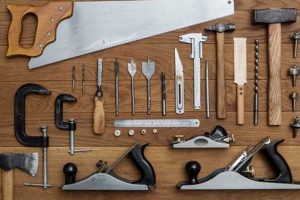
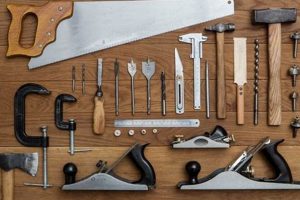
Traditional implements employed in shaping wood are characterized by their reliance on manual power and time-tested designs. Examples include hand planes, saws powered solely by arm strength, chisels manipulated with mallets, and spoke shaves for curved surfaces. These instruments contrast sharply with modern, electrically-driven alternatives.
The enduring value of these instruments resides in the precision and control they offer. Skilled craftspeople value the tactile feedback and nuanced adjustments possible with these hand-operated devices. Furthermore, the historical significance lies in their central role in woodworking traditions passed down through generations, representing a connection to past eras of craftsmanship and ingenuity. They promoted self-reliance and resourcefulness.
The following sections will delve into specific examples of such implements, explore their proper maintenance and usage, and discuss the contemporary relevance of these skills in woodworking practices. Understanding these hand tools provide a foundation for appreciating the art of woodworking and the quality of work created with them.
Tips for Working With Traditional Woodworking Implements
This section offers guidance on effectively using and maintaining traditional implements. Proper technique and care are essential for achieving optimal results and ensuring the longevity of these tools.
Tip 1: Sharpening is Paramount: Maintaining a keen edge on blades is the most critical aspect of utilizing hand planes, chisels, and drawknives. Dull edges lead to tear-out and require excessive force, compromising both the work and the tool.
Tip 2: Understand Wood Grain: The direction of wood fibers significantly impacts the outcome when using hand tools. Always plane or chisel with the grain to prevent splintering and ensure a smooth surface.
Tip 3: Practice Proper Body Mechanics: Utilizing a stance that promotes leverage and minimizes strain is important. Distribute weight evenly and engage core muscles for stability and control.
Tip 4: Hone After Sharpening: After sharpening a blade, refine the edge by honing it on a leather strop or fine stone. This removes any remaining burrs and polishes the cutting edge for maximum effectiveness.
Tip 5: Proper Tool Storage is Essential: Storing implements in a dry environment protects them from rust and corrosion. Consider using tool rolls or designated cabinets to prevent damage and maintain their sharp edges.
Tip 6: Seasoned Wood is Preferred: Traditional methods often work best with properly dried wood. This minimizes warping and cracking, providing a stable material for shaping.
Adhering to these guidelines will enhance the user’s experience and yield superior results when working with traditional woodworking methods. Mastery requires patience and practice, leading to a deeper understanding of the craft.
The following sections will explore specific projects and techniques that showcase the potential of these time-honored tools and methods. The insights gained can elevate woodworking skills and produce unique, handcrafted pieces.
1. Sharpness Retention

Sharpness retention is a defining characteristic impacting the efficacy of traditional woodworking implements. Unlike modern power tools, which often rely on disposable or easily replaceable cutting edges, hand tools demand a keen, durable edge maintained through skilled sharpening practices. The inability of a blade to hold its edge translates directly into increased physical effort, reduced precision, and a compromised surface finish. For example, a hand plane with poor sharpness retention requires significantly more force to achieve a smooth surface, often resulting in tear-out and unevenness. Similarly, a chisel that dulls quickly necessitates frequent re-sharpening, interrupting the workflow and potentially altering the tool’s geometry over time. Sharpness is the core of the system.
The steel alloy used in the tool’s construction significantly influences its ability to retain sharpness. High-carbon steels are traditionally favored for their capacity to achieve and maintain a fine edge, although they typically require more diligent maintenance to prevent corrosion. The sharpening process itself also plays a crucial role. Incorrect sharpening techniques, such as overheating the steel or using inappropriate abrasives, can negatively impact the temper of the metal, leading to diminished edge retention. Careful honing after sharpening is vital to refine the cutting edge. The correct grinding procedure on a sharpening stone also affects sharpness retention
In conclusion, sharpness retention is not merely a desirable attribute but a fundamental requirement for realizing the potential of traditional woodworking tools. It demands both the selection of quality materials and the mastery of sharpening techniques. Understanding the factors influencing sharpness retention enables woodworkers to optimize tool performance, enhance work quality, and prolong the lifespan of their tools, underscoring the importance of knowledge and skill in traditional woodworking practices. Without sharpness retention, using these tools becomes an exercise in futility.
2. Material Quality

Material quality is paramount in the performance and longevity of implements designed for manually shaping wood. The characteristics of the materials used directly influence the tool’s durability, effectiveness, and overall suitability for demanding woodworking tasks. The use of inferior materials can compromise precision, increase the risk of tool failure, and ultimately affect the quality of the finished product.
- Steel Composition and Hardness
The type of steel employed in the construction of blades, such as those found in planes and chisels, dictates its ability to hold a sharp edge and withstand repeated use. High-carbon steels, known for their hardness and edge retention, are typically preferred. However, the specific heat treatment applied during manufacturing is equally critical. Improper tempering can result in a blade that is either too brittle and prone to chipping or too soft and unable to maintain a sharp edge. The steel should provide an excellent balance between hardness and ductility.
- Wood Selection for Handles and Bodies
The choice of wood for handles and tool bodies, such as those used in hand planes or mallets, impacts both the tool’s ergonomics and its structural integrity. Dense hardwoods like beech, maple, or rosewood are commonly selected for their durability and ability to withstand the impact forces generated during use. The grain orientation and moisture content of the wood are also important considerations. Wood with straight, tight grain is less prone to splitting or warping, while properly seasoned wood minimizes the risk of dimensional changes over time. The wood type should match usage.
- Brass and Bronze Components
Many traditional implements feature brass or bronze components, particularly in adjustable mechanisms or wear surfaces. These materials are valued for their corrosion resistance and ability to provide smooth, low-friction contact. The quality of the brass or bronze alloy, including its composition and casting method, affects its durability and resistance to wear. Inferior alloys may be prone to cracking or deformation under stress, compromising the tool’s functionality. These alloys also offer a smooth aesthetic and the capability to create tight fits.
The selection of quality materials is not merely a matter of preference but a critical factor in ensuring the reliability and effectiveness of manually-operated shaping tools. It reflects a commitment to craftsmanship and an understanding of the materials’ properties. The implementation of high-grade materials ensures performance and enhances the longevity of these valued implements.
3. Ergonomic Design

The ergonomic design of traditional woodworking implements directly impacts the efficiency, accuracy, and physical well-being of the user. These tools, often requiring repetitive motions and sustained exertion, necessitate designs that minimize strain and maximize control. Unlike modern power tools that automate much of the physical labor, hand tools place the onus on the woodworker to provide the motive force and maintain precision. As such, the handle shape, weight distribution, and overall balance of a hand plane, chisel, or saw directly influence the user’s ability to perform tasks comfortably and effectively. A poorly designed handle, for instance, can lead to fatigue, blisters, and even long-term musculoskeletal issues. Furthermore, inadequate weight distribution can compromise control, leading to inaccurate cuts and increased risk of injury. The interplay between user and tool is critical.
Examples of ergonomic considerations in traditional woodworking tools include the contoured handles of hand planes, which are shaped to fit comfortably in the palm and allow for a secure grip. The angle of the blade in relation to the handle also affects the force required to push the plane across the wood’s surface. A well-designed saw incorporates a handle that allows for a natural wrist angle, reducing strain during prolonged sawing. The weight of the saw blade is also carefully balanced to provide optimal cutting efficiency. Mallets, used to strike chisels, often feature heads made of hardwood to provide sufficient impact force while minimizing vibration transmitted to the user’s hand and arm. Historically, these design elements evolved through generations of use and refinement, reflecting a practical understanding of human biomechanics and comfort. Design flaws lead to fatigue.
In conclusion, the ergonomic design of manually-operated shaping tools is not merely a matter of aesthetics but a fundamental aspect of their functionality and the woodworker’s long-term health and safety. Prioritizing ergonomic principles during tool selection and usage can significantly enhance the woodworking experience, improve the quality of finished projects, and reduce the risk of injury. Understanding these principles is essential for both novice and experienced woodworkers alike. The designs should match the tool functionality with the users body mechanics, supporting quality work that can be done for hours.
4. Historical Provenance

The history embedded within implements used for shaping wood manually contributes significantly to their value, utility, and appreciation. These tools are not merely functional objects but tangible links to past eras of craftsmanship, representing evolving techniques, regional variations, and the ingenuity of toolmakers and users across generations.
- Toolmaking Traditions and Lineage
The lineage of a specific tool, tracing its maker, design evolution, and regional origins, provides insight into the historical context of its creation. Tools manufactured by renowned makers or workshops often command premium prices, reflecting the prestige associated with their historical craftsmanship. For instance, a hand plane bearing the mark of a well-known toolmaker from the 18th century demonstrates the history of precision manufacturing and craftsmanship.
- Evolution of Design and Functionality
Studying the evolution of a tool’s design reveals how woodworking practices and technological advancements have shaped its form and function. Early hand saws, for example, were often characterized by their simpler construction and coarser teeth. Examining these tools provides insights into the specific tasks they were designed to perform and the challenges faced by woodworkers of that era. It also illuminates how innovations like improved metallurgy and ergonomic design have influenced their development.
- Regional Variations and Craftsmanship
Tools from different geographic regions often exhibit unique characteristics reflecting local materials, woodworking traditions, and cultural influences. Hand planes made in Japan, for example, are distinguished by their laminated construction, distinctive blade angles, and use of indigenous wood species. Understanding these regional variations expands knowledge of woodworking practices and provides a deeper appreciation for the diversity of craftsmanship across different cultures.
- Impact on Woodworking Practices and Aesthetics
The tools used during a specific historical period inevitably influence the style and characteristics of the woodworking produced. The use of hand planes, saws, and chisels often results in surfaces with subtle irregularities and textures, distinguishing them from the perfectly smooth finishes achieved with modern power tools. The historical context of tools should be considered when evaluating the tools.
These aspects of implements used for manually shaping wood elevate the appreciation of these tools. By researching the history and heritage of each hand tool, users obtain insight into woodworking traditions. Understanding the historical provenance offers the user a sense of appreciation of the ingenuity of craftsmanship.
5. Maintenance Requirements

Traditional woodworking implements demand regular and meticulous maintenance to sustain their operational effectiveness and prolong their lifespan. This requirement stems from the materials used in their construction, often high-carbon steel and seasoned hardwoods, both susceptible to environmental factors and the stresses of repeated use. Failure to adhere to proper maintenance protocols directly results in diminished performance, accelerated wear, and potential tool failure. The connection between maintenance and functionality is direct; a dull blade, a rusted surface, or a loose handle renders even the finest hand tool significantly less useful. For instance, a hand plane left unprotected in a humid environment will develop surface rust, impeding its ability to glide smoothly across wood. A chisel subjected to repeated heavy impacts without periodic sharpening will quickly lose its edge, requiring increased force and producing inferior results. Properly addressing the need for maintenance extends tool life significantly.
The specific maintenance procedures vary depending on the tool type and materials. Blades require regular sharpening to maintain a keen cutting edge, achieved through the use of sharpening stones, honing guides, and strops. Metal surfaces must be protected from corrosion through the application of oil or wax. Wooden components require periodic cleaning and, in some cases, re-finishing to prevent cracking and warping. Furthermore, moving parts, such as the adjustment mechanisms on hand planes, require lubrication to ensure smooth and accurate operation. Careful attention to these details ensures that the tool will operate as it was designed. The required maintenance is an investment of time and money.
In summary, meticulous attention to maintenance requirements is not merely an optional practice but an intrinsic component of using hand tools. This requirement guarantees the tool’s longevity, promotes optimal performance, and ensures consistent results. It underscores the craftsman’s role in preserving the traditions of woodworking, ensuring that these valuable implements remain functional and continue to serve future generations. The understanding of these maintenance requirements is a key component in the skills of working with traditional woodworking tools.
6. Skill Dependency

Proficiency in woodworking is inextricably linked to the successful application of implements designed for manual shaping. The inherent nature of these tools necessitates a high degree of skill and understanding on the part of the user, distinguishing them from modern power tools where automated processes mitigate the need for specialized techniques.
- Sharpening Expertise
The ability to consistently sharpen blades to a razor edge is fundamental. A dull tool not only compromises the quality of the cut but also increases the effort required, leading to fatigue and potential injury. Mastery involves selecting the correct abrasives, maintaining the proper angle, and honing the edge to perfection. This skill directly impacts the tool’s performance and the resulting quality of the woodwork.
- Wood Grain Awareness
Understanding the orientation of wood fibers is critical for achieving clean cuts and avoiding tear-out. Skilled woodworkers are adept at identifying grain direction and adjusting their techniques accordingly. This awareness influences the selection of appropriate tools and the direction of cut, ensuring a smooth and predictable result. Neglecting grain direction often results in subpar outcomes and wasted material.
- Tool Adjustment Mastery
Achieving optimal performance necessitates precise tool adjustment. Hand planes, for example, require careful setting of the blade depth and mouth opening. Saws must be properly tensioned and sharpened to cut accurately. This adjustment skill directly impacts the precision and efficiency of the woodworking process. Knowledge about mechanics is a requirement.
- Consistent Hand Control
Maintaining steady hands and applying consistent pressure is crucial for achieving accurate cuts and smooth surfaces. This requires physical strength, dexterity, and the ability to control the tool with precision. Proficiency develops through practice and repetition, reinforcing muscle memory and improving coordination. This skill differentiates expert results.
These facets underscore the critical role of human skill in the effective utilization of hand tools. Unlike power tools, which rely on automated processes, manual implements demand a deep understanding of materials, techniques, and tool manipulation. These attributes highlight the distinction between simply owning tools and mastering the art of woodworking.
7. Versatility Limitations

Implements designed for manual shaping of wood inherently exhibit limitations in their range of applications compared to modern, powered alternatives. These limitations stem from the specific design of each tool, the physical constraints of manual operation, and the time required to perform certain tasks. Understanding these constraints is crucial for effective tool selection and project planning in woodworking. For example, a traditional hand saw is well-suited for straight cuts and joinery, but its capacity for intricate curves or deep cuts in thick material is restricted by its blade design and the physical effort required. Similarly, a hand plane excels at smoothing surfaces and creating precise edges, but it is not efficient for removing large amounts of material quickly or shaping complex profiles.
The reliance on manual power also influences versatility. While skilled craftspeople can achieve impressive results with these tools, the physical demands limit the scale and speed of projects. Tasks that might be accomplished quickly with a power router or planer become significantly more time-consuming when performed with hand tools. Furthermore, certain operations, such as cutting precise mortises or creating intricate moldings, require specialized hand tools and considerable expertise, effectively limiting the accessibility of these techniques to experienced woodworkers. Project complexity may be restricted to the skill level of the woodworker.
The recognition of limitations is not a denigration of these traditional implements but rather an acknowledgment of their specific strengths and weaknesses. When properly selected and skillfully employed, such implements can achieve exceptional results. However, the selection depends on awareness of the constraints. Understanding these trade-offs enables woodworkers to make informed decisions, combining hand tools and power tools strategically to achieve optimal outcomes. The key is to balance the need for modern efficiency with the precision and control offered by traditional methods.
Frequently Asked Questions
This section addresses common inquiries regarding the selection, usage, and care of implements designed for manually shaping wood. The information provided is intended to offer clarity and guidance for woodworkers interested in employing traditional methods.
Question 1: What are the primary advantages of using implements designed for manual shaping wood compared to power tools?
The use of implements designed for manually shaping wood offers enhanced control, tactile feedback, and reduced noise levels. They promote fine detail and intricate joinery that power tools are less suited for.
Question 2: How does one maintain the sharpness of implements designed for manual shaping wood?
Maintaining sharpness requires a regimen of grinding, honing, and stropping. Appropriate sharpening stones, honing guides, and strops are essential. The frequency of sharpening depends on the type of wood and the tool’s usage.
Question 3: What are the essential tools for a beginner interested in implementing the traditional woodworking methods?
A basic set includes a hand plane, a set of chisels, a hand saw, a marking gauge, and a sharpening kit. A workbench is recommended for safety.
Question 4: How can one identify quality hand tools?
Quality indicators include the type of steel used in blades, the fit and finish of components, the balance and feel of the tool in hand, and the reputation of the manufacturer. Price also can be an indicator, though it is not always definitive.
Question 5: What is the best method for storing implements designed for manual shaping wood?
Proper storage involves keeping the tools in a dry environment to prevent rust and corrosion. Tool rolls, wooden chests, or designated cabinets are recommended to protect the tools from damage. Each tool should have its dedicated space.
Question 6: Are implements designed for manual shaping wood suitable for all types of woodworking projects?
While these tools are versatile, they may not be efficient for large-scale projects or tasks requiring rapid material removal. Understanding the limitations of each tool is essential for effective project planning.
The successful integration of these tools into a woodworking practice hinges on the understanding of their specific qualities and characteristics. Skillful application of these methods produces rewarding results.
The following section will explore the resources available to those seeking to expand their knowledge of traditional methods. Accessing the right learning tools provides the best path for enhancing their skills.
Conclusion
This exploration of “old style woodworking tools” has illuminated their continued relevance in modern woodworking practices. The discussion has ranged from the implements’ fundamental construction to the specific skills required for their effective use, their limitations, and the methods for their proper maintenance. A clear understanding of these aspects ensures informed selection and application.
The enduring appeal of “old style woodworking tools” lies not merely in their historical significance but in the unique connection they foster between craftsperson and material. Continued education and dedicated practice are critical for mastering these techniques. This mastery allows for a deeper appreciation of the craft’s heritage and enables the creation of exceptional, handcrafted work that stands apart in its quality and integrity.