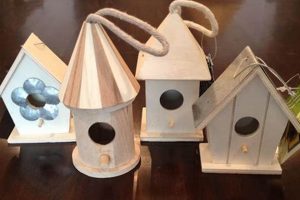
Crafting decorative or functional items from wood during the holiday season, particularly those suitable for novice woodworkers, encompasses a range of designs. These activities often involve using readily available materials and basic tools to create gifts, ornaments, or home decorations. For example, a small wooden snowman figure, a set of coasters, or a simple candle holder fall into this category.
Engaging in these activities offers several benefits. It provides an avenue for creative expression, promotes the development of woodworking skills, and results in personalized, handcrafted items that can hold sentimental value. Historically, creating homemade gifts and decorations has been a significant aspect of the holiday season, fostering a sense of community and resourcefulness.
The following sections will explore several specific designs amenable to a beginner’s skill set. Detailed instructions, material lists, and safety considerations will be addressed to ensure successful and enjoyable project completion.
Tips for Introductory Holiday Woodcrafting
The following recommendations are designed to maximize success and safety when undertaking holiday-themed woodcrafting endeavors suitable for those with limited experience.
Tip 1: Material Selection: Opt for softwoods, such as pine or fir, as they are easier to cut and shape compared to hardwoods. Repurposed lumber can also be a cost-effective and environmentally conscious option.
Tip 2: Tool Familiarization: Prior to commencing a project, ensure a thorough understanding of the tools to be used. Practice cuts and joinery techniques on scrap wood to develop proficiency and minimize errors on the final piece.
Tip 3: Accurate Measurement: Precise measurements are crucial for achieving a professional-looking result. Employ a reliable measuring tape and double-check all dimensions before cutting.
Tip 4: Secure Work Holding: Utilize clamps or a vise to firmly secure the workpiece during cutting, sanding, and assembly. This enhances safety and improves the accuracy of the work.
Tip 5: Progressive Sanding: Begin with coarser grit sandpaper to remove imperfections and gradually transition to finer grits for a smooth finish. Sand with the grain to avoid unsightly scratches.
Tip 6: Simple Joinery Techniques: Favor straightforward joinery methods like butt joints, lap joints, or dowel joints. These techniques are easier to execute for beginners and provide adequate strength for many small projects.
Tip 7: Apply Finish Thoughtfully: Consider using non-toxic, water-based finishes that are easy to apply and clean up. Test the finish on a scrap piece of wood to ensure the desired color and effect.
Adhering to these recommendations will contribute to a safer, more efficient, and more enjoyable experience. The outcome will be handcrafted items with a personal touch.
The subsequent sections will present project ideas incorporating these guidelines, fostering a creative and rewarding holiday crafting season.
1. Simplicity

The attribute of simplicity stands as a cornerstone in the successful execution of holiday-themed woodcrafting endeavors, particularly for individuals with limited woodworking experience. Overly complex designs introduce challenges in cutting, joinery, and finishing, potentially leading to frustration and project abandonment. A direct correlation exists between the intricacy of a design and the skill level required for its successful completion. Examples of designs benefiting from simple construction include basic tree ornaments, straightforward candle holders, and unadorned wooden stars. The inherent ease of these designs ensures their accessibility, fostering a sense of accomplishment and encouraging further exploration of woodworking techniques.
The application of simplified designs extends beyond mere ease of construction; it also impacts material usage and time investment. Simpler designs typically require fewer materials and less time to complete, making them economically viable and time-efficient. This is especially pertinent during the holiday season, when time and resources may be constrained. Furthermore, focusing on fundamental construction techniques within the context of these projects provides a solid foundation for developing more advanced skills in the future. For instance, mastering a simple butt joint in a small wooden box project can serve as a precursor to more complex joinery techniques.
In summary, the integration of simple design principles into the creation of seasonal woodcrafts is not merely a matter of convenience; it is a strategic approach that enhances accessibility, promotes skill development, and ensures project completion within reasonable constraints. This emphasis on simplicity allows individuals to engage meaningfully with woodworking, producing personalized items that capture the spirit of the holiday season, while simultaneously building confidence and competence in the craft.
2. Affordability

Affordability forms a critical consideration within the scope of introductory holiday woodcrafting. The cost of materials directly influences the feasibility and accessibility of these projects, especially for individuals operating on limited budgets. Inexpensive lumber, such as pine or furring strips, serves as a suitable alternative to costlier hardwoods. Repurposing reclaimed wood, including discarded pallet boards or salvaged construction materials, provides an additional avenue for cost reduction. Consequently, prioritizing cost-effective materials enables a wider audience to participate in seasonal woodcrafting activities without incurring significant financial strain.
The selection of appropriate tools also contributes to the economic viability of beginner woodworking endeavors. Investing in essential hand tools, such as a saw, chisel, and measuring tape, proves more cost-effective than acquiring expensive power tools at the outset. Furthermore, borrowing tools from community workshops or tool-lending libraries presents a viable alternative to purchasing. Employing simple joinery techniques, which require minimal hardware and specialized tools, further contributes to overall affordability. For instance, utilizing wood glue and screws to assemble projects instead of employing elaborate dovetail joints reduces both material costs and tool requirements.
In conclusion, the intersection of affordability and beginner-friendly holiday woodcrafting necessitates a pragmatic approach to material selection, tool acquisition, and construction techniques. By prioritizing accessible resources and simplifying project designs, individuals can effectively engage in seasonal crafting activities without exceeding budgetary limitations. This emphasis on economic viability not only broadens participation but also promotes resourcefulness and creative problem-solving within the context of woodworking.
3. Functionality

The integration of functionality within accessible seasonal woodcraft distinguishes projects beyond mere decorative status, elevating them to practical and enduring components of holiday celebrations. Selecting designs that serve a tangible purpose enhances the perceived value of the handcrafted item, increasing the likelihood of sustained use and appreciation. A direct consequence of incorporating functionality is a shift from purely aesthetic creation towards purposeful design. Consider, for example, a handcrafted wooden candle holder, a small shelf for displaying ornaments, or a set of durable wooden coasters. These items, while incorporating holiday themes, provide utility throughout the season and beyond. The inclusion of functionality enhances the significance of simple Christmas woodworking projects, transforming them into meaningful gifts or enduring home accents.
The design process for functional items requires consideration of practical needs and ergonomic factors. Dimensions, material strength, and ease of use become essential design parameters. A poorly designed candle holder may be unstable, creating a safety hazard, while a coaster set crafted from unsuitable wood may warp or stain easily. Projects such as wooden serving trays or personalized storage boxes for holiday decorations exemplify the successful combination of aesthetic appeal and practical application. These items address specific needs associated with holiday gatherings and organization, extending their utility beyond mere ornamentation. The emphasis on functionality informs material selection, construction techniques, and finishing processes, influencing the longevity and overall effectiveness of the completed project.
In summary, the incorporation of functionality into simple Christmas woodworking projects yields creations of enduring value and practical application. By prioritizing utility alongside aesthetic considerations, these projects transcend mere decoration, becoming integral components of holiday celebrations and household organization. The careful consideration of design, material selection, and construction techniques ensures that these handcrafted items not only embody the spirit of the season but also provide years of functional service. Addressing the need for both beauty and utility enhances the appeal and lasting impact of these simple woodworking endeavors.
4. Originality

Originality, within the framework of accessible holiday woodcrafting, transcends mere replication of existing designs, emphasizing the infusion of individual expression and creative interpretation. It constitutes a vital element, transforming standardized projects into personalized artifacts that reflect individual skill and artistic vision.
- Material Adaptation
Adaptation of materials extends beyond cost considerations, embracing the unique characteristics of diverse wood species or repurposed elements. A crafter might choose to employ locally sourced wood with distinctive grain patterns, integrating its inherent beauty into the project’s design. Reclaimed materials, such as barn wood or pallet lumber, impart a sense of history and character, transforming a commonplace item into a statement piece. This judicious selection and integration of materials contributes significantly to the uniqueness of the final product.
- Design Modification
Design modification involves subtle alterations to existing plans or the combination of disparate elements from multiple sources to create a novel form. A standard wooden star ornament, for instance, might be enhanced with intricate fretwork patterns or the addition of contrasting wood inlays. Simple design adjustments, such as varying the dimensions or incorporating geometric shapes, can yield unexpectedly striking results, transforming a commonplace design into a distinct creation.
- Finishing Techniques
The application of individualized finishing techniques offers a readily accessible avenue for expressing originality. Beyond conventional staining and painting, options include wood burning, carving, or the application of decorative elements such as decoupage or stencils. Experimenting with different paint textures, patinas, or metallic accents allows crafters to impart a personal aesthetic to their projects. The skillful application of finishing techniques can elevate a simple wooden object into a work of art.
By embracing these facets of originality, individuals engaged in simple Christmas woodworking can transcend the limitations of standardized designs, producing handcrafted items that reflect their personal style and creative vision. This emphasis on originality not only enhances the aesthetic appeal of the finished product but also fosters a deeper connection between the creator and the creation, transforming commonplace woodcrafting projects into expressions of individual artistry.
5. Safety
Woodworking, irrespective of project complexity, necessitates strict adherence to safety protocols to mitigate the risk of injury. The creation of holiday-themed items, while often perceived as a leisurely activity, presents potential hazards associated with the use of sharp tools, power equipment, and finishing materials. A causal relationship exists between the neglect of safety measures and the incidence of woodworking-related injuries. Examples of such injuries include cuts from saws and chisels, eye damage from flying debris, respiratory issues from inhaling sawdust or fumes, and musculoskeletal strain from improper lifting or repetitive motions. Safe woodworking practices are therefore not merely advisable but fundamentally critical to ensuring personal well-being during the execution of even the most rudimentary of projects.
Implementing comprehensive safety measures begins with proper preparation. This involves selecting appropriate personal protective equipment, including safety glasses, dust masks or respirators, and hearing protection. A well-lit and adequately ventilated workspace is essential for minimizing hazards and promoting alertness. Tools must be maintained in good working condition, with sharp blades and secure handles. Workpieces should be securely clamped or held to prevent slippage during cutting or shaping. The practice of safe tool handling techniques, such as cutting away from the body and avoiding reaching over blades, reduces the likelihood of accidental injury. Understanding the operating instructions for power tools and adhering to manufacturer’s safety guidelines is paramount.
The integration of safety into simple Christmas woodworking projects constitutes a non-negotiable aspect of the crafting process. The consistent application of safety protocols, coupled with a proactive approach to hazard identification and mitigation, minimizes the risk of injury and fosters a safe and enjoyable crafting environment. By prioritizing safety above all else, individuals can engage in holiday woodworking with confidence, ensuring that the creation of festive items does not come at the expense of personal health and well-being. The promotion of safety awareness and responsible tool usage remains central to the successful and sustainable practice of woodworking, regardless of project scale or skill level.
6. Enjoyment

The subjective experience of enjoyment significantly influences engagement with any activity, including simple Christmas woodworking projects. Positive emotional associations derived from the crafting process contribute to sustained participation, skill development, and overall project success. The following aspects explore the interplay between enjoyment and these woodcrafting endeavors.
- Creative Expression and Satisfaction
The ability to translate personal ideas into tangible objects provides a source of satisfaction and creative fulfillment. The selection of materials, design modifications, and finishing techniques allows for self-expression, transforming standardized projects into individualized creations. The successful realization of a creative vision fosters a sense of accomplishment and enhances the enjoyment derived from the woodworking process. For instance, personalizing a wooden ornament with a unique carving or painting scheme significantly increases the maker’s satisfaction.
- Relaxation and Stress Reduction
Engaging in hands-on activities, such as woodworking, can serve as a form of relaxation and stress reduction. The focused attention required for precise cutting, shaping, and assembly allows for mental disengagement from everyday concerns. The rhythmic nature of certain woodworking tasks, such as sanding or carving, can induce a meditative state, promoting relaxation and reducing stress levels. The tactile experience of working with wood and the satisfaction of creating something with one’s own hands contribute to a sense of calm and well-being.
- Social Connection and Gifting
The creation of handcrafted items for gifting fosters social connection and strengthens interpersonal relationships. The act of giving a personalized, handcrafted gift conveys thoughtfulness and care, enhancing the recipient’s appreciation of the gesture. Woodworking projects can also serve as a catalyst for social interaction, with individuals engaging in collaborative projects or sharing their skills and knowledge with others. Participating in woodworking workshops or craft fairs provides opportunities for social connection and the exchange of ideas.
- Skill Development and Mastery
The acquisition of new skills and the progression towards mastery contribute significantly to enjoyment. As individuals gain proficiency in woodworking techniques, they experience a sense of accomplishment and increased confidence in their abilities. Overcoming challenges and achieving progressively more complex projects fosters a growth mindset and enhances the enjoyment derived from the crafting process. The continuous pursuit of skill development ensures sustained engagement and a long-term interest in woodworking.
These elements collectively illustrate that enjoyment is not merely a passive byproduct of simple Christmas woodworking projects, but an active driver of participation, skill development, and creative expression. The integration of these aspects into the crafting process enhances the overall experience, transforming simple projects into rewarding and fulfilling endeavors.
Frequently Asked Questions
The following addresses common inquiries regarding basic woodworking projects suitable for the holiday season. Information provided is intended to clarify processes and address potential challenges.
Question 1: What types of wood are most appropriate for beginner-level projects?
Softwoods, such as pine, fir, and cedar, are generally recommended due to their ease of cutting and shaping. These species are typically less expensive than hardwoods and accept finishes readily. However, hardwoods like poplar can also be suitable, offering increased durability at a slightly higher cost and requiring more effort in shaping.
Question 2: Which essential tools are necessary for undertaking these projects?
A basic toolkit should include a hand saw or coping saw, a measuring tape, a combination square, sandpaper (various grits), wood glue, clamps, and a finishing applicator (brush or rag). Additional tools, such as a chisel or carving knife, may be required depending on the specific project.
Question 3: How can wood warping be prevented during the construction process?
Wood warping can be minimized by selecting kiln-dried lumber, storing wood properly in a dry environment, and applying a consistent finish to all surfaces. The use of joinery techniques that distribute stress evenly can also mitigate warping.
Question 4: What safety precautions must be observed when working with woodworking tools?
Safety glasses are mandatory to protect against flying debris. A dust mask or respirator is recommended to prevent inhalation of sawdust. Workpieces should be securely clamped to prevent movement during cutting and shaping. Power tools must be used according to manufacturer instructions, and caution must be exercised at all times.
Question 5: How should wood finishes be selected and applied for optimal results?
The choice of finish depends on the desired aesthetic and level of protection. Water-based finishes are generally easier to apply and clean up but may not be as durable as oil-based finishes. Multiple thin coats are preferable to a single thick coat, and proper drying time should be observed between coats.
Question 6: What joinery techniques are suitable for novice woodworkers?
Butt joints, lap joints, and dowel joints represent relatively simple and strong options. These techniques require minimal specialized tools and can be effectively executed with careful measurement and precise cutting. More complex joinery methods, such as dovetails, may be attempted as skill levels increase.
The preceding answers provide foundational guidance for approaching introductory holiday woodcrafting projects. Diligence in planning and execution remains critical for successful outcomes.
The following section explores specific project tutorials, building upon the principles outlined above.
Conclusion
The preceding discussion has explored facets pertinent to undertaking “simple christmas woodworking projects”. Considerations such as material selection, tool usage, safety protocols, design simplicity, and functionality have been addressed. The intent has been to provide a foundational understanding for engaging in these crafting activities successfully.
It is anticipated that the information provided will serve as a resource for those seeking to create personalized holiday items through woodworking. Diligent application of the principles outlined herein is crucial for both project completion and personal safety. Further exploration of specific techniques and designs is encouraged to enhance woodworking skills and foster creative expression.