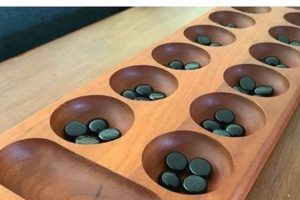
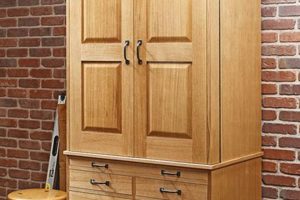
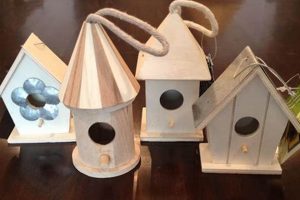
Handcrafted gifts, especially those made from wood, offer a personalized and tangible expression of affection during the season of romance. These creations can range from small, easily-constructed items like heart-shaped trinket boxes and customized photo frames to more elaborate projects, such as hand-turned wooden bowls or small furniture pieces. The selection of wood, finish, and design elements contribute to the unique character of the finished product, reflecting the sentiment intended by the creator.
The creation of bespoke wooden items provides a distinct advantage over mass-produced gifts, demonstrating a significant investment of time, skill, and personal care. This tangible effort carries a sentimental weight, emphasizing the value placed on the relationship. Historically, handcrafted items have been prized for their durability and inherent beauty, making them lasting reminders of the occasion and the giver’s thoughtfulness.
The following sections will explore specific ideas, techniques, and safety considerations involved in crafting memorable gifts from wood. Emphasis will be placed on projects suitable for various skill levels, ensuring accessibility for both novice and experienced woodworkers. Consideration will also be given to the selection of appropriate materials and finishes to achieve desired aesthetic and functional outcomes.
Crafting memorable wooden gifts
Effective creation requires careful planning, precise execution, and attention to detail. The following guidelines enhance the quality and impact of projects designed for this specific occasion.
Tip 1: Project Planning is Paramount. Prior to initiating construction, a detailed plan outlining dimensions, materials, and joinery methods is essential. This minimizes errors and ensures efficient use of resources. A scale drawing or CAD rendering aids in visualizing the final product.
Tip 2: Wood Selection Impacts Aesthetics and Durability. The choice of wood species significantly affects the appearance and longevity of the finished item. Hardwoods such as cherry or walnut offer rich color and durability for keepsake boxes, while softer woods like pine are more suitable for practice or decorative elements.
Tip 3: Precise Cutting and Joinery are Crucial. Accurate cuts and secure joints are fundamental to structural integrity and aesthetic appeal. Employing accurate measuring tools, sharp blades, and appropriate joinery techniques, such as dovetails or mortise-and-tenon, contributes to a professional finish.
Tip 4: Sanding Creates a Smooth Surface. Proper sanding is vital for achieving a refined appearance. Begin with coarser grits to remove imperfections and gradually progress to finer grits for a smooth, even surface, ready for finishing.
Tip 5: Finish Selection Protects and Enhances. The appropriate finish protects the wood from moisture and wear while enhancing its natural beauty. Options include oils, varnishes, lacquers, and stains. Selecting a food-safe finish is critical for items intended for contact with consumables.
Tip 6: Personalization Adds Sentiment. Incorporating personalized elements, such as engraved initials, dates, or meaningful symbols, amplifies the sentimental value of the gift. Laser engraving, wood burning, or hand-carving can achieve this effect.
Tip 7: Safety Precautions are Non-Negotiable. Prioritize safety by wearing appropriate personal protective equipment, including safety glasses and dust masks. Ensure proper ventilation when using finishes and operate power tools according to manufacturer’s instructions.
These considerations contribute to the creation of lasting, meaningful expressions of affection. Careful attention to each stage of the process results in a treasured keepsake that reflects both skill and heartfelt sentiment.
Subsequent sections will delve into specific project examples, providing detailed instructions and further guidance to facilitate successful completion.
1. Design Complexity

The degree of intricacy in the design of wooden items directly influences the success and feasibility of associated projects. Simpler designs, such as basic heart-shaped cutouts or small, unadorned boxes, are appropriate for novice woodworkers due to their reduced requirements for precision cutting and joinery. Conversely, complex designs incorporating curved elements, intricate carvings, or advanced joinery techniques necessitate higher skill levels and specialized tools. The selection of an overly ambitious design relative to one’s skillset can lead to frustration, material waste, and ultimately, an unsuccessful project. For instance, attempting to create a complex marquetry box without prior experience in veneering would likely result in a subpar outcome.
A critical aspect of project planning involves realistically assessing one’s capabilities and selecting designs that align with those skills. Beginning with simpler projects allows for the development of fundamental woodworking skills before tackling more challenging endeavors. Incrementally increasing the complexity of designs as proficiency grows fosters a sense of accomplishment and promotes continuous learning. Consider, for example, starting with a simple wooden picture frame before attempting to build a multi-layered wooden heart sculpture. Failure to accurately gauge design complexity can necessitate extensive rework or project abandonment, impacting both time and material resources.
In conclusion, the design complexity of such woodworking projects constitutes a pivotal consideration that affects project feasibility, material usage, and ultimately, the quality of the finished product. Thoughtful selection of designs that correspond to skill levels promotes a positive woodworking experience and enhances the likelihood of creating meaningful, well-crafted expressions of affection. The interplay between skill, design, and tools should be carefully managed to optimize the process and outcome.
2. Wood selection

The selection of wood directly affects the aesthetic appeal, structural integrity, and longevity of wooden items. In the context of items crafted for sentimental occasions, the choice of wood carries considerable weight. Hardwoods, such as cherry or walnut, are often preferred due to their rich color, fine grain, and durability. These characteristics lend an air of sophistication and permanence to items like jewelry boxes or keepsake chests, signifying the enduring nature of the relationship being celebrated. Conversely, softer woods like pine or basswood may be suitable for smaller, decorative items, particularly when a rustic or painted finish is desired. The inherent properties of each wood species dictate its suitability for specific project types and finishing techniques. For example, attempting to carve intricate details into a porous wood like oak might result in a less defined and aesthetically pleasing outcome compared to using a close-grained wood like maple.
The decision regarding wood selection should consider not only aesthetic preferences but also practical factors, such as workability and cost. While exotic hardwoods offer exceptional beauty, their higher price point may render them prohibitive for larger projects or for individuals with limited budgets. Domestic hardwoods like maple or birch provide a more economical alternative while still offering good workability and a pleasing appearance. Furthermore, the ease with which a particular wood can be cut, shaped, and joined is a critical consideration, especially for novice woodworkers. The propensity of certain woods to splinter or tear during machining can significantly impact the project’s success. For example, the selection of a knot-free wood will avoid unnecessary stress to cutting tools like the band saw.
In summary, wood selection forms a critical component of wooden item creation, influencing both the visual appeal and the functional characteristics of the finished product. An informed decision, based on aesthetic preferences, cost constraints, and workability considerations, will contribute significantly to the creation of cherished keepsakes. Challenges associated with wood selection may include sourcing suitable materials within budget or adapting designs to accommodate available wood species. Ultimately, a thoughtful choice of wood enhances the sentimental value and enduring quality of these handcrafted expressions of affection.
3. Joinery methods

The selection and execution of joinery methods are paramount in the construction of durable and aesthetically pleasing wooden items, particularly within the context of heartfelt gifts. The longevity and visual appeal of such items often hinge on the strength and precision of the joints used to assemble them. Therefore, a thorough understanding of various joinery techniques is essential for successful project outcomes.
- Butt Joints and Fasteners
Butt joints, while simple to execute, rely heavily on mechanical fasteners like screws or nails for structural support. In the context of delicate gift items, exposed fasteners can detract from the overall aesthetic. However, when carefully concealed or used in conjunction with adhesive, butt joints can provide adequate strength for smaller, less demanding projects, such as simple picture frames. Consider decorative nail heads to increase aesthetic.
- Dovetail Joints
Dovetail joints are renowned for their exceptional strength and aesthetic appeal. These interlocking joints provide a mechanical lock that resists pulling forces, making them ideal for constructing boxes and drawers intended to hold precious keepsakes. The creation of dovetail joints requires precision and skill, but the resulting joint adds a touch of elegance and craftsmanship that elevates the perceived value of the gift. Furthermore, there is a connection to the giver spending more time to create it.
- Mortise and Tenon Joints
Mortise and tenon joints offer a robust and visually appealing method for connecting wood components at right angles. These joints involve fitting a projecting tenon into a corresponding mortise, often secured with adhesive or a pin. Mortise and tenon joints are well-suited for constructing larger gift items, such as small tables or benches, providing the necessary strength and stability to withstand regular use. The classic nature of these joints communicates value and dedication.
- Miter Joints
Miter joints, created by joining two pieces of wood at an angle, typically 45 degrees for a 90-degree corner, offer a clean and seamless appearance. These joints are commonly used for framing artwork or mirrors, providing a refined and professional look. While miter joints rely on adhesive and fasteners for strength, the absence of exposed end grain enhances the visual appeal of the finished piece.
The successful application of these joinery methods contributes significantly to the overall quality and sentimental value of wooden items. The choice of joinery technique should align with the project’s design, the intended use of the item, and the skill level of the craftsperson. Thoughtful consideration of these factors will result in gifts that are not only visually appealing but also durable and enduring expressions of affection. Further project considerations should include wood selection appropriate for the chosen joinery, such as hardwoods for more advanced techniques.
4. Finishing techniques
Finishing techniques are integral to the creation of refined wooden gifts for Valentine’s Day, transforming raw materials into polished expressions of affection. The careful application of finishes enhances the wood’s natural beauty, provides protection against wear and tear, and contributes to the overall aesthetic appeal of the crafted item. Proper finishing ensures the longevity and sentimental value of these personalized tokens.
- Surface Preparation
Surface preparation is the foundation of any successful finishing endeavor. Sanding removes imperfections, smooths the wood grain, and prepares the surface to receive the finish uniformly. Proper sanding involves progressive grit levels, ensuring a consistent and even surface. Failure to adequately prepare the surface results in uneven finish absorption and visible blemishes. Example: Sanding a cherry wood box prior to applying a clear coat. Any imperfection will be highlighted once the top coat is applied.
- Staining and Dyeing
Staining and dyeing alter the color of the wood, enhancing its natural grain or creating a desired aesthetic. Stains penetrate the wood fibers, while dyes typically provide more vibrant and uniform color. The selection of stain or dye should complement the wood species and the intended design. Improper application can lead to blotching or uneven coloration. Example: Applying a walnut stain to a maple picture frame to enhance contrast.
- Protective Coatings
Protective coatings shield the wood from moisture, scratches, and UV damage, extending its lifespan and maintaining its appearance. Options include varnishes, lacquers, polyurethanes, and oils, each offering varying degrees of durability and sheen. The choice of coating depends on the intended use of the item and the desired level of protection. Example: Applying multiple coats of polyurethane to a wooden bowl intended for daily use, increasing longevity.
- Specialty Finishes
Specialty finishes add unique textures and visual effects to wooden items. These include techniques such as distressing, antiquing, and milk painting, which create a vintage or rustic appearance. Specialty finishes can enhance the character of the wood and complement specific design styles. Example: Distressing a painted wooden heart to create a worn, antique appearance.
The selection and execution of appropriate finishing techniques are crucial for transforming raw wood into cherished keepsakes. Meticulous attention to detail in surface preparation, color enhancement, protection, and specialized effects ensures that these handcrafted expressions of affection are both beautiful and enduring. Selecting a finish that is non-toxic becomes paramount for gifts intended for children or for kitchen use.
5. Personalization options

The integration of personalization significantly elevates the sentimental value of wooden creations crafted for Valentine’s Day. These bespoke elements transform generic items into unique expressions of affection, tailored to the recipient’s preferences and the specific relationship dynamics. Such customization demonstrates thoughtfulness and care, enhancing the emotional resonance of the gift.
- Engraving Techniques
Engraving, whether achieved through laser technology, hand-carving, or wood-burning, allows for the addition of names, dates, significant quotes, or personal messages. This technique permanently etches the desired text or imagery onto the wooden surface, creating a lasting reminder of the occasion. For example, a wooden jewelry box might feature the recipient’s initials and the date of their first meeting, imbuing the object with profound personal significance. Laser engraving produces the most pristine look, as it has an accurate output. Hand engraving offers a more artisan, unique finish.
- Material Inlays
The incorporation of contrasting materials, such as metals, stones, or other types of wood, can create visually striking and symbolically charged designs. A heart-shaped wooden plaque might feature a silver inlay bearing the couple’s intertwined initials, symbolizing their union. Or using different wood species for contrasting patterns, such as light maple inlaid into darker walnut, creates visual interest that reflects the relationship’s complexities. This technique requires precision and skill to execute seamlessly.
- Custom Shapes and Dimensions
Departing from standard shapes and dimensions allows for the creation of truly unique wooden items. A custom-designed puzzle featuring pieces shaped like objects or symbols that hold personal meaning for the couple becomes a playful and engaging gift. Or a wooden bookshelf built to perfectly fit a specific collection of books that the recipient treasures demonstrates a deep understanding of their interests and needs. Custom dimensioning is a more advance skill.
- Themed Decorative Elements
The addition of decorative elements that reflect shared interests or experiences further personalizes the gift. A wooden picture frame adorned with miniature wooden musical notes might be the perfect gift for a musician. Or using miniature wooden tools on a heart might be perfect for an engineer. Such thematic elements demonstrate a keen awareness of the recipient’s passions and create a lasting connection to shared memories.
These personalization strategies, when thoughtfully applied to wooden creations, transform them into powerful symbols of love and appreciation. By investing time and effort into tailoring the gift to the individual, the giver demonstrates a profound level of care and understanding, elevating the object from a mere material possession to a cherished keepsake that embodies the unique bond between two people. In considering future personalization, one can combine wood choices with engraving or inlays to achieve new styles.
6. Tools required

The successful execution of woodworking projects for Valentine’s Day is intrinsically linked to the availability and appropriate utilization of specific tools. These tools facilitate precision cutting, shaping, joining, and finishing, thereby influencing the quality and complexity of the final product. A thorough understanding of the necessary tools and their respective functions is essential for achieving desired outcomes.
- Measuring and Marking Tools
Accurate measurements and precise markings are fundamental to woodworking. Tools such as rulers, measuring tapes, squares, and marking gauges ensure that cuts are accurate and joints fit properly. For instance, a precise measurement is crucial when constructing a heart-shaped box to ensure the lid fits seamlessly. Inaccurate measurements can lead to misalignment and structural weaknesses. Careful utilization of these tools is vital to meet the intended specifications.
- Cutting Tools
Cutting tools, including saws (hand saws, coping saws, band saws, circular saws), chisels, and knives, are essential for shaping and separating wood. The selection of cutting tools depends on the type of cut required and the wood’s thickness and hardness. A coping saw is suited for intricate curves needed for heart-shaped designs, while a chisel refines joints for tight fits in boxes. Safety and sharpness are primary for these tools to ensure controlled and accurate cuts.
- Joining Tools
Joining tools, such as clamps, vises, and specialized joinery jigs, facilitate the secure and accurate assembly of wooden components. Clamps hold pieces together while adhesive dries, ensuring strong and permanent bonds. A vise secures pieces for shaping or carving, and joinery jigs guide the creation of accurate joints, like dovetails for drawer construction. Tight and precise joints are critical for the structural integrity and aesthetic appeal of the final product, particularly for keepsake items meant to last.
- Finishing Tools
Finishing tools, including sandpaper, sanding blocks, brushes, and spray equipment, prepare the wood surface and apply protective and decorative finishes. Sandpaper smooths the wood for a flawless finish, brushes apply stains and sealants, and spray equipment provides even coats of lacquer or varnish. The tools provide durability and enhance the aesthetic appeal of the finished piece.
The effective use of these tools, from initial measurement to final finishing, directly determines the success of woodworking projects crafted for Valentine’s Day. Access to the appropriate tools, combined with a solid understanding of their function and safe operation, empowers woodworkers to create lasting and meaningful expressions of affection. It’s also important to consider safety equipment such as eye and ear protection. The quality of the tools is as important as the craftsman utilizing them.
7. Safety protocols

Woodworking, encompassing the creation of items intended as heartfelt expressions of affection, necessitates stringent adherence to safety protocols. The inherent risks associated with power tools, sharp instruments, and potentially hazardous finishing materials demand a proactive approach to safety. Failure to implement adequate safety measures can result in injuries ranging from minor cuts and abrasions to severe lacerations, amputations, or chemical exposures, undermining the intended sentiment of the project. For example, neglecting to wear safety glasses while operating a lathe can lead to eye injuries from flying debris, transforming a gesture of love into a source of harm.
The implementation of safety protocols within the context of woodworking extends beyond personal protection to encompass environmental considerations. Proper ventilation is crucial when working with paints, stains, and adhesives to minimize exposure to harmful fumes. Responsible disposal of waste materials, such as sawdust and used finishing rags, prevents fire hazards and environmental contamination. The selection of non-toxic finishes and materials further mitigates potential health risks, ensuring that the finished item is safe for prolonged contact and use. For instance, choosing a food-safe finish for a wooden serving bowl eliminates the risk of chemical leaching into food.
In summary, the integration of comprehensive safety protocols is not merely an ancillary consideration but a fundamental requirement for responsible woodworking practices. Prioritizing safety protects the artisan from harm, minimizes environmental impact, and ensures the creation of wholesome and lasting tokens of affection. A safe working environment fosters greater concentration and reduces stress, enhancing the quality of the finished product and reinforcing the positive intent behind the crafted gift. Therefore, diligent adherence to safety guidelines is paramount for any woodworking project, whether intricate designs or simplistic expressions.
Frequently Asked Questions
The following addresses common inquiries concerning the creation of wooden items, particularly those intended as tokens of affection. These questions aim to provide clarity and guidance on various aspects of the woodworking process.
Question 1: What types of wood are most suitable for crafting a keepsake box?
Durable hardwoods such as cherry, walnut, or maple are generally recommended. These woods offer aesthetic appeal and resistance to wear and tear, ensuring the longevity of the keepsake. Softwoods, like pine, are less appropriate due to their susceptibility to dents and scratches.
Question 2: What joinery method is strongest for connecting the corners of a wooden frame?
Dovetail joints provide the strongest mechanical connection. They offer resistance to pulling forces and can withstand considerable stress. Miter joints, while aesthetically pleasing, require reinforcement with fasteners or splines for added strength.
Question 3: How can one achieve a smooth and consistent finish on a wooden surface?
Progressive sanding with increasingly finer grits of sandpaper is crucial. Starting with a coarser grit to remove imperfections and gradually progressing to finer grits ensures a smooth, even surface. Thorough dust removal between each grit is also essential.
Question 4: What are the essential safety precautions for operating a power saw?
Eye protection, hearing protection, and dust masks are mandatory. Operators must ensure the saw blade is sharp and properly aligned. Workpieces should be securely clamped to prevent movement during cutting. Never reach over or around a running blade.
Question 5: How can one personalize a wooden gift to make it more meaningful?
Engraving names, dates, or meaningful quotes is an effective method. Incorporating inlays of contrasting materials or carving personalized designs adds a unique touch. Consider incorporating elements reflective of the recipient’s interests or hobbies.
Question 6: What is the best way to prevent wood from warping or cracking over time?
Properly sealing the wood with a protective finish is essential. This helps to regulate moisture content and prevent excessive expansion or contraction. Storing wooden items in stable temperature and humidity conditions also contributes to their longevity.
These answers provide a foundation for navigating the intricacies of wooden creation. Employing these strategies contributes to a more successful and rewarding woodworking experience.
The next section explores specific project examples to illustrate these principles in practical application.
Conclusion
This exploration of valentines woodworking projects has illuminated key aspects of crafting personalized gifts from wood. Topics ranging from design complexity and wood selection to joinery methods, finishing techniques, tool requirements, and safety protocols were discussed. The aim was to provide a foundational understanding for individuals seeking to create unique and enduring expressions of affection through woodworking.
As demonstrated, thoughtful planning and meticulous execution are paramount to success. It is hoped that the information presented serves as a valuable resource for those embarking on woodworking projects, encouraging the creation of lasting keepsakes that embody both skill and sentiment. The enduring nature of handcrafted wooden items serves as a tangible reminder of the thought and effort invested, rendering them particularly significant as expressions of love and appreciation.