The fundamental requirement for engaging in woodworking centers around possessing the necessary implements. The selection of these implements varies based on project complexity and desired skill level, ranging from basic hand tools appropriate for simple tasks to sophisticated power tools designed for intricate and large-scale projects.
Adequate tools enhance both the efficiency and quality of woodworking projects. They allow for precise cuts, secure joinery, and refined finishes, ultimately resulting in durable and aesthetically pleasing creations. Historically, woodworking relied heavily on hand tools, with power tools representing a relatively recent development that has significantly expanded the possibilities and speed of the craft.
Therefore, a comprehensive exploration of the various categories of instruments essential for woodworkingincluding measuring, cutting, shaping, joining, and finishing toolsis crucial for anyone embarking on this rewarding pursuit.
Essential Woodworking Instrument Considerations
Prudent selection and application of woodworking instruments can significantly impact project success. Consideration should be given to the specific demands of the intended work and the user’s skill level when acquiring these instruments.
Tip 1: Prioritize Safety Equipment: Before acquiring any cutting or shaping implements, invest in appropriate safety gear, including safety glasses, hearing protection, and a dust mask or respirator. Injury prevention is paramount.
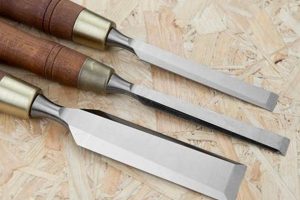
Tip 2: Start with Core Hand Tools: A basic set should include a hand saw, chisels (various sizes), a hand plane, a measuring tape, a square, and a marking gauge. These fundamental tools provide versatility for numerous tasks.
Tip 3: Research Power Tool Specifications: When investing in power tools, carefully examine their specifications, including power output, speed settings, and blade size. Matching the tool to the material being worked is essential.
Tip 4: Invest in Quality Measuring Tools: Accuracy is crucial in woodworking. High-quality measuring tapes, squares, and levels are worth the investment to ensure precise cuts and joinery.
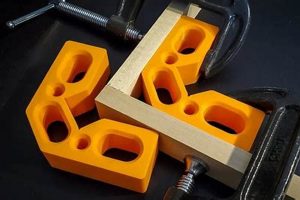
Tip 5: Consider Clamping Solutions: An assortment of clamps, including bar clamps, pipe clamps, and spring clamps, is indispensable for securely holding workpieces during gluing and assembly.
Tip 6: Maintain Sharp Cutting Edges: Dull blades and chisels compromise accuracy and increase the risk of accidents. Implement a sharpening routine to keep cutting edges in optimal condition.
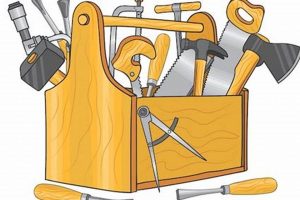
Tip 7: Organize Tools for Efficiency: A well-organized workspace promotes efficiency and reduces the risk of lost or damaged tools. Implement a tool storage system that suits the available space.
Tip 8: Choose Versatile Multi-Tools: Combination squares, multi-meters or oscillating multi-tools are very helpful for efficiency and reduce the amount of gear in your workspace
Careful attention to these considerations ensures the acquisition of appropriate and safe tools, contributing to successful and enjoyable woodworking endeavors.
The following sections will elaborate on specific categories of tools and their applications within the broader context of woodworking.
1. Measuring Implements

The precision inherent in woodworking relies heavily on accurate measurement. Consequently, measuring implements form a critical component of the tools needed for successful woodworking endeavors. Their function extends beyond simple dimensioning, influencing the accuracy of cuts, the fit of joints, and the overall aesthetic harmony of the finished piece.
- Measuring Tapes and Rules
These are fundamental for determining overall dimensions. A steel tape measure provides accuracy for larger pieces, while a rigid rule is suitable for smaller, more precise measurements. A project requiring precisely sized shelving necessitates an accurate tape measure to ensure uniform shelf lengths and prevent installation issues.
- Squares
Squares guarantee right angles, essential for constructing square frames, drawers, and boxes. A combination square offers versatility for marking lines and checking angles. The absence of a reliable square can result in skewed structures and misaligned joinery, compromising the structural integrity and visual appeal of woodworking projects.
- Marking Gauges
A marking gauge is used to scribe parallel lines at a set distance from an edge. This is crucial for consistent mortise and tenon joinery or creating even reveals on doors and drawers. Its use provides uniformity to the woodworking.
- Calipers
Calipers, both inside and outside, are for fine measurements of diameters or thicknesses. They are useful for turning projects on a lathe or ensuring a perfect fit between mating parts. A cabinet maker might use them to measure the precise thickness of a piece of wood that they want to be identical to another piece for visual symmetry.
The selection and proper use of these measuring implements directly impact the accuracy and quality of any woodworking project. The absence of accurate measuring instruments will affect the overal quality and precision of the woodworking project. Investing in quality measuring tools and mastering their use is therefore a prerequisite for any aspiring woodworker.
2. Cutting Instruments
Cutting instruments represent a core element within the array of implements essential for woodworking. Their selection dictates the type of cuts achievable, the speed of material removal, and ultimately, the precision and efficiency of the woodworking process. Understanding the diverse range of cutting implements is fundamental for any individual engaged in woodworking.
- Hand Saws
Hand saws, encompassing various types like crosscut, rip, and backsaws, provide a manual means of cutting wood. Their utility extends to situations where power tools are impractical or when a finer degree of control is required. For example, a dovetail saw, a type of backsaw, is used for creating intricate dovetail joints. Choosing the appropriate saw type is critical for achieving clean and accurate cuts, thereby influencing the structural integrity and aesthetic quality of the final product.
- Circular Saws
Circular saws offer a powered alternative for making straight cuts in wood. These saws are suitable for cutting sheet goods like plywood or for ripping lumber to width. A circular saw equipped with the correct blade can expedite the breakdown of large boards, significantly reducing the time required for a project. However, accuracy is dependent on proper setup and technique, potentially impacting the dimensions and overall appearance of the project.
- Jigsaws
Jigsaws are designed for cutting curves and intricate shapes. They utilize a reciprocating blade to follow complex contours, making them ideal for decorative work or creating custom patterns. A furniture maker might employ a jigsaw to cut cabriole legs for a table. The quality of the cut relies on the blade selection and the user’s skill in guiding the saw along the intended path.
- Chisels
Chisels, though often associated with shaping, also serve as cutting instruments. They are employed for removing small amounts of material, creating mortises, or cleaning up joinery. Sharpened chisels used to precisely shape a mortise and tenon joint enable the woodworker to create close fitting and reliable structure. The effectiveness of a chisel depends on its sharpness and the user’s control, which are vital for creating clean, precise cuts.
In summary, the choice of cutting instruments directly influences the capabilities and limitations of a woodworking project. Each instrument possesses unique characteristics that make it suitable for specific tasks. Proficiency in using these tools contributes to the successful execution of woodworking projects. Therefore, a careful assessment of project requirements should guide the selection of the most appropriate cutting instruments.
3. Shaping Tools
Shaping tools form a critical subset of implements necessary for woodworking, directly influencing the transformation of raw material into refined forms. The inclusion of these implements within the broader scope of woodworking instruments stems from their direct impact on the final aesthetic and functional properties of a given project. Without shaping tools, the ability to create intricate details, smooth surfaces, and ergonomic designs is severely limited. For example, a block plane is essential for smoothing the end grain of a board, eliminating tear-out and creating a refined, touchable surface. Similarly, spoke shaves enable the creation of curved elements, like chair spindles or curved table legs, which would be impossible to achieve with only saws and chisels.
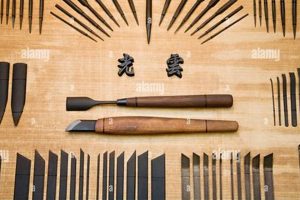
The functionality of shaping tools extends beyond mere aesthetics. Edge profiling bits for routers allow for the creation of decorative edges on furniture, enhancing both its visual appeal and tactile experience. Carving tools, ranging from gouges to specialized knives, are essential for sculptural work and intricate ornamentation. A luthier, crafting a musical instrument, relies heavily on shaping tools to create the complex curves and contours of the instrument’s body, impacting its acoustic properties. The effective utilization of these tools requires a high degree of skill and understanding of wood grain and material properties. A craftsman risks damaging the wood or creating unwanted irregularities if they lack sufficient knowledge.
In summary, shaping tools are inextricably linked to the realization of sophisticated woodworking projects. The possession and skillful application of these implements allow for the creation of refined surfaces, complex forms, and functional designs that are unattainable with basic cutting and joining tools alone. Understanding the purpose and proper usage of shaping tools is therefore essential for anyone seeking to advance their woodworking capabilities and create projects of lasting quality. The absence of such understanding will almost inevitably limit the scope and refinement of any woodworking endeavor.
4. Joinery Instruments

The integrity and longevity of any woodworking project hinge significantly on the quality of its joinery. Therefore, joinery instruments constitute a critical segment of implements that any serious woodworking endeavor requires. These instruments are specifically designed to create strong, precise, and aesthetically pleasing connections between individual wooden components. The absence of appropriate joinery instruments invariably leads to structurally weak or visually unappealing finished products.
The spectrum of joinery instruments is broad, encompassing tools suited for both traditional and modern techniques. Hand tools, such as chisels, mallets, and marking gauges, are essential for crafting mortise and tenon joints, dovetails, and other classic joinery methods. Power tools, including routers, biscuit joiners, and pocket-hole jigs, offer efficiency and precision in creating repeatable joints. A cabinet maker constructing a set of drawers, for example, would rely on dovetail saws and chisels to create interlocking dovetail joints for the drawer boxes, ensuring strength and preventing racking. Clamps, in their various forms (bar clamps, pipe clamps, and hand screws), play a crucial role in holding joined pieces together during the gluing and curing process. Without adequate clamping pressure, joints may fail to achieve optimal strength.
Understanding the characteristics of different joinery methods and selecting the appropriate tools for the task is essential for successful woodworking. Investing in quality joinery instruments and mastering their proper use results in durable, structurally sound, and visually refined woodworking projects. Moreover, efficient joinery techniques save time and resources, contributing to overall project success. Therefore, a comprehensive understanding and skillful application of joinery instruments are indispensable components of any well-equipped woodworking toolset.
5. Finishing Equipment

Finishing equipment constitutes a critical, often-underestimated, component within the overall set of implements required for woodworking. While cutting, shaping, and joining define the structural and functional aspects of a project, finishing equipment determines its aesthetic appeal, protective qualities, and long-term durability. The selection and application of finishing tools directly impact the final impression of any woodworking endeavor.
- Sanders and Abrasives
Surface preparation is paramount in finishing. Sanders, both manual and powered (orbital, belt, etc.), along with a range of abrasives (sandpaper grits), are essential for achieving smooth, uniform surfaces. Consider a table intended for daily use; inadequate sanding will result in a rough, uneven surface, rendering the table uncomfortable and susceptible to damage. The absence of proper sanding tools compromises the finish’s adherence and overall quality.
- Application Tools (Brushes, Sprayers, Rags)
The method of finish application directly influences the final result. Brushes, sprayers, and rags serve distinct purposes depending on the type of finish being applied (paint, varnish, stain, etc.). A skilled craftsman applying lacquer to a fine piece of furniture utilizes a spray gun to achieve an even, streak-free coating. The selection of appropriate application tools ensures uniform coverage and minimizes imperfections.
- Spraying Booth and Ventilation
Certain finishes, particularly those containing volatile organic compounds (VOCs), necessitate a controlled environment for application. Spraying booths with adequate ventilation protect the user from harmful fumes and prevent dust contamination. Failure to employ proper ventilation can result in health hazards and compromised finish quality (e.g., dust particles embedded in the finish).
- Polishing Compounds and Buffing Wheels
Achieving a high-gloss or satin sheen often requires polishing. Polishing compounds, used in conjunction with buffing wheels or pads, smooth the finish surface and enhance its luster. An antique restorer employs polishing compounds to revive the original shine of a meticulously crafted wooden chest. The use of polishing compounds and buffing wheels elevates the visual appeal and perceived value of a finished piece.
In summary, finishing equipment plays an indispensable role in the broader context of “what tools do i need to do woodworking.” These implements directly impact the aesthetic quality, protective properties, and longevity of completed woodworking projects. Therefore, the investment in appropriate finishing tools and the acquisition of relevant skills are crucial for achieving professional-caliber results.
6. Safety Provisions
The query “what tools do I need to do woodworking” necessitates explicit inclusion of safety provisions as an integral, not supplementary, element. The operation of woodworking implements inherently involves potential hazards, ranging from minor cuts and abrasions to severe injuries. Therefore, appropriate protective measures are not merely advisable but essential for responsible and safe woodworking practice. For example, the use of a table saw without proper eye protection can result in projectile debris causing serious eye damage. Similarly, operating a router without hearing protection can lead to long-term auditory impairment due to sustained noise exposure. Safety provisions thus mitigate the risks associated with tool operation, ensuring the well-being of the woodworker.
Safety provisions encompass a range of equipment and practices. Eye protection, such as safety glasses or face shields, safeguards against flying particles. Hearing protection, in the form of earplugs or earmuffs, minimizes noise-induced hearing loss. Respiratory protection, including dust masks or respirators, prevents inhalation of harmful dust and fumes generated during sanding or finishing. Work gloves protect hands from cuts, splinters, and abrasions. Additionally, adherence to safe operating procedures, such as using push sticks when working near saw blades and maintaining a clean and well-lit workspace, contributes to a safer woodworking environment. The absence of these precautions directly increases the likelihood of accidents and injuries, with potentially severe consequences.
In conclusion, the understanding that safety provisions are a non-negotiable component of “what tools do I need to do woodworking” is paramount. Neglecting these provisions constitutes a disregard for personal safety and can result in avoidable accidents and long-term health problems. Responsible woodworking necessitates a proactive approach to safety, integrating protective measures into every stage of the process. Therefore, investing in appropriate safety equipment and consistently adhering to safe operating practices are fundamental prerequisites for engaging in woodworking.
Frequently Asked Questions
This section addresses common inquiries regarding the instruments necessary for woodworking, providing clear and concise answers to assist in tool selection and usage.
Question 1: Is it possible to begin woodworking using only hand tools?
Commencing woodworking projects with hand tools is entirely feasible. This approach fosters a deeper understanding of material properties and develops fundamental skills. However, project complexity and time constraints should be considered, as hand tools may require more time and physical effort compared to power tools.
Question 2: What constitutes a reasonable initial investment for a basic set of woodworking tools?
A reasonable initial investment varies depending on tool quality and brand. A basic set of essential hand tools can range from \$200 to \$500. Power tools can significantly increase this cost, with individual tools potentially costing several hundred dollars or more.
Question 3: How crucial is tool maintenance, and what does it entail?
Tool maintenance is paramount for optimal performance and longevity. It includes regular cleaning, sharpening of blades and cutting edges, lubrication of moving parts, and proper storage. Neglecting maintenance can lead to reduced efficiency, increased risk of accidents, and premature tool failure.
Question 4: Are there alternatives to purchasing expensive power tools?
Alternatives exist, including renting tools from tool libraries or rental centers, purchasing used tools in good condition, or collaborating with other woodworkers who have access to a wider range of equipment. Carefully evaluating project needs before investing in expensive power tools is also advisable.
Question 5: What safety precautions are absolutely necessary when operating woodworking tools?
Mandatory safety precautions include wearing appropriate eye protection (safety glasses or a face shield), hearing protection (earplugs or earmuffs), and respiratory protection (dust mask or respirator). Securely clamping workpieces, using push sticks when operating saws, and maintaining a clean and well-lit workspace are also essential.
Question 6: How does the selection of wood species influence the choice of tools required?
The selection of wood species directly influences the choice of tools. Hardwoods necessitate sharper, more robust tools compared to softwoods. Dense or figured woods may require specialized tools to prevent tear-out or achieve clean cuts. The woodworker should select instruments that are robust and well made.
In summary, a careful consideration of the tools needed, combined with ongoing maintenance and a commitment to safety, will maximize both the productivity and the enjoyment derived from woodworking activities.
The subsequent section will explore the organization and storage of woodworking tools for optimal efficiency.
Conclusion
This exposition has detailed the implements crucial for engaging in woodworking, encompassing measuring instruments, cutting tools, shaping tools, joinery instruments, finishing equipment, and safety provisions. Each category plays a vital role in the process, contributing to the accuracy, structural integrity, aesthetic appeal, and safety of woodworking projects. A thorough understanding of these categories is essential for any individual undertaking woodworking endeavors.
The prudent selection and application of woodworking tools represents a fundamental investment in the quality and longevity of completed projects. Continued learning, combined with a commitment to safety, will maximize skill and yield rewarding results. Therefore, individuals are encouraged to prioritize tool knowledge and safe practices to elevate their woodworking capabilities.
![Buy Woodworking Tools Sales Online - [Your Brand] | Step-by-Step Guides, Tools & Inspiration to Build Beautiful Wooden Decor on a Budget](https://woodfromhome.com/wp-content/uploads/2026/05/th-213-300x200.jpg "Buy Woodworking Tools Sales Online - [Your Brand] Step-by-Step Guides, Tools & Inspiration to Build Beautiful Wooden Decor on a Budget")