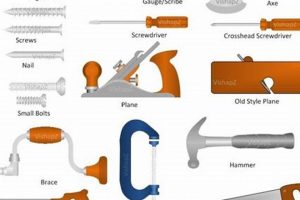
Fundamental implements for shaping and joining wood form the basis for any carpentry or related craft endeavor. These items, selected for their versatility and safety features, allow a novice to execute basic cuts, fasten materials securely, and refine surfaces for a professional-looking finish. A typical set might include a hand saw for making accurate linear cuts, a selection of chisels for detailed shaping, a mallet for driving chisels, a measuring tape, a combination square for ensuring right angles, a hand plane for smoothing surfaces, and assorted sandpaper for finishing.
Acquiring such a foundational collection provides several advantages. It empowers individuals to undertake minor home repairs, pursue creative woodworking projects, and develop valuable practical skills. Historically, these implements have been the bedrock of construction and artistic expression, allowing artisans and builders to create functional and aesthetically pleasing objects for centuries. The capacity to work with wood fosters a sense of accomplishment and allows for personalized customization of the living environment.
This article will explore the specific implements comprising a well-rounded basic collection, detailing their functions, proper usage techniques, and factors to consider when selecting quality items. Furthermore, guidance will be provided on essential safety practices and maintenance procedures to ensure longevity and safe operation of equipment.
Guidance on Essential Implements for Woodworking Beginners
The following suggestions offer practical advice regarding the selection, use, and maintenance of foundational implements for those new to working with wood. Adherence to these points will facilitate a safer and more productive learning experience.
Tip 1: Prioritize Quality Over Quantity: Acquiring fewer, higher-quality implements is preferable to a larger set of inferior tools. Durable, well-made items will maintain their performance and require less frequent replacement, ultimately proving more economical.
Tip 2: Invest in Sharpening Equipment: Sharp implements are safer and more efficient. A honing guide, sharpening stones, and a leather strop are essential for maintaining the cutting edges of chisels and planes.
Tip 3: Learn Proper Hand Tool Techniques: Correct technique is crucial for achieving accurate results and preventing injuries. Consult instructional videos and books, or seek guidance from experienced woodworkers to master fundamental skills such as sawing, chiseling, and planing.
Tip 4: Adhere to Safety Protocols: Always wear appropriate personal protective equipment, including safety glasses, hearing protection, and a dust mask. Ensure adequate ventilation when working with wood finishes or adhesives.
Tip 5: Maintain Cleanliness: Regularly clean implements with a soft cloth and a light coat of oil to prevent rust and corrosion. Store tools in a dry environment to prolong their lifespan.
Tip 6: Practice on Scrap Wood: Before attempting to work on a final project, practice techniques and familiarize oneself with the behavior of different wood species using scrap material. This will minimize errors and conserve valuable lumber.
Tip 7: Understand Wood Grain Direction: Cutting against the grain can lead to splintering and tear-out. Always observe the direction of the wood grain and adjust cutting techniques accordingly.
Mastering the fundamentals of woodworking requires patience, practice, and a commitment to safety. By following these guidelines, individuals can build a solid foundation for pursuing this rewarding craft.
The subsequent sections will delve into more advanced techniques and explore specific applications of the aforementioned implements in various woodworking projects.
1. Tool Functionality

Tool functionality, in the context of beginning woodworking, directly dictates the range and complexity of projects that can be undertaken. Inadequate consideration of this aspect when selecting fundamental implements can severely limit the novice woodworker’s progress and potentially lead to frustration. The functionality of a hand saw, for example, determines the maximum thickness of wood that can be effectively cut. A dull or inappropriately sized saw will render the accurate cutting of thicker stock exceedingly difficult, if not impossible. Similarly, the variety of profiles achievable with a set of chisels defines the intricacy of joinery and decorative elements that can be executed.
The purchase of a low-angle block plane, designed specifically for end-grain work, provides the functional capability to smooth and refine the ends of boards, creating seamless and aesthetically pleasing joints. Conversely, a standard bench plane, while versatile, may struggle to achieve the same level of finish on end-grain surfaces. Therefore, understanding the intended applications and functional limitations of each implement is crucial for selecting a well-rounded and effective foundational set. Another example could be a set of combination squares to measure angles.
Ultimately, a thorough assessment of tool functionality ensures that the selected collection aligns with the intended woodworking aspirations of the individual. This alignment optimizes the learning experience, promotes skill development, and fosters a sense of accomplishment. The ability to perform essential tasks efficiently and accurately, facilitated by functionally appropriate implements, forms the bedrock of successful woodworking endeavors.
2. Material Durability

Material durability, within the scope of fundamental woodworking implements, is a critical determinant of tool longevity, performance consistency, and overall value. The inherent characteristics of the materials used in manufacturing these implements directly influence their ability to withstand the rigors of repeated use, resist deformation, and maintain sharpness over time. The selection of durable materials translates to a reduced frequency of replacement, lower maintenance costs, and a more reliable woodworking experience.
- Steel Hardness and Temper
The hardness of steel used in blades and cutting edges is a primary indicator of durability. Higher hardness values, often achieved through specific heat-treating processes known as tempering, enable the steel to resist wear and maintain a keen edge for extended periods. However, excessive hardness can lead to brittleness, making the blade prone to chipping. The optimal balance between hardness and toughness is crucial for ensuring long-term performance in chisels, plane irons, and saw blades. For example, a chisel made from improperly tempered steel may dull quickly or fracture under moderate impact.
- Handle Material Stability
The materials used for handles, typically wood or composite polymers, must exhibit dimensional stability to withstand changes in humidity and temperature. Wooden handles that are prone to expansion and contraction can loosen their grip on the tool’s tang, compromising safety and control. Similarly, brittle plastic handles may crack or shatter under stress. Dense hardwoods, such as maple or beech, and durable polymers engineered for impact resistance are preferable for ensuring handle longevity and secure tool handling. Using seasoned and stable woods like rosewood or ebony for handles minimizes the risk of warping or cracking over time.
- Rust and Corrosion Resistance
Metal components are susceptible to rust and corrosion, particularly in humid environments. Protective coatings, such as lacquer or oil finishes, and the use of corrosion-resistant alloys, such as stainless steel or brass, are essential for preventing degradation. Neglecting rust prevention can lead to pitting, weakening of the metal, and compromised tool performance. Regular cleaning and application of protective coatings are necessary to maintain the integrity of steel surfaces and prevent corrosion-related failures. Oiling the metal components can reduce the likelihood of rust formation. For example, a plane iron coated with wax during storage is less likely to rust than one left unprotected.
- Joint Integrity and Fastener Strength
The methods used to join different components of an implement, such as the attachment of a blade to a handle or the securing of a plane iron to its body, must be robust and durable. Weak joints or inadequate fasteners can lead to premature failure, rendering the tool unusable. Dovetail joints, mortise-and-tenon joints, and high-strength adhesives are commonly employed to create durable connections. Furthermore, the quality of fasteners, such as screws and rivets, must be sufficient to withstand the stresses imposed during use. A poorly constructed joint on a hand saw, for instance, can result in blade detachment and potential injury.
The connection between material durability and foundational woodworking implements is intrinsic. Prioritizing tools constructed from high-quality, durable materials ensures a longer lifespan, consistent performance, and a safer, more enjoyable woodworking experience. Investing in durable implements represents a long-term value proposition, minimizing the need for frequent replacements and maximizing the return on investment.
3. Ergonomic Design
Ergonomic design, when applied to fundamental woodworking implements, directly influences user comfort, reduces the risk of musculoskeletal strain, and contributes to improved accuracy and control. The cause-and-effect relationship is readily apparent: poorly designed tools lead to increased fatigue, potential injury, and diminished workpiece quality. Consideration of ergonomic principles in the selection of initial implements is, therefore, not merely a matter of preference but a necessity for sustained participation in the craft. Weight distribution, handle shape and material, and balance are key ergonomic elements.
For example, a hand plane with an ill-fitting handle can cause repetitive strain injuries in the wrist and forearm. Conversely, a plane featuring a contoured handle that conforms to the natural shape of the hand promotes a secure grip and reduces the force required to maintain control. Similarly, a chisel with an oversized or awkwardly shaped handle can lead to reduced accuracy and increased risk of slippage, potentially resulting in cuts or abrasions. A well-balanced saw with a comfortable handle allows for smoother, more controlled cuts, minimizing fatigue and improving the overall cutting experience. The integration of vibration-dampening materials in power tools further enhances ergonomic benefits, reducing the impact on joints and minimizing the risk of long-term damage.
In conclusion, the importance of ergonomic design in fundamental woodworking implements cannot be overstated. Prioritizing ergonomically sound tools mitigates the risk of physical strain, improves user comfort, and enhances the precision and control necessary for successful woodworking. Neglecting this aspect can lead to frustration, injury, and ultimately, a diminished enjoyment of the craft. Future designs should focus on adjustable features to accommodate a wider range of hand sizes and body types, further optimizing the ergonomic benefits for all users.
4. Safety Features

The incorporation of safety features into fundamental implements for woodworking represents a critical aspect of mitigating potential hazards and promoting a secure working environment for both novice and experienced practitioners. These features are not merely superficial additions but are integral design elements intended to reduce the risk of injury and ensure responsible tool operation.
- Blade Guards and Retraction Mechanisms
Many saws and cutting implements feature blade guards that shield the user from accidental contact with the sharp cutting edge when the tool is not in use. Retraction mechanisms, similarly, automatically retract the blade when pressure is released, further reducing the risk of unintended cuts. The presence of such guards and mechanisms is especially pertinent for beginners, who may lack the experience and dexterity to consistently avoid contact with exposed blades. For example, a hand saw with a retractable blade minimizes the risk of accidental cuts during storage or transport.
- Non-Slip Grips and Handle Design
Secure grip is paramount for maintaining control over woodworking implements. Handles designed with non-slip materials and ergonomic contours enhance grip security, even when hands are wet or sweaty. This reduced risk of slippage translates directly to improved accuracy and a decreased likelihood of uncontrolled movements that could lead to injury. Chisels and planes with textured or rubberized grips offer enhanced control, reducing the chance of the tool slipping during operation.
- Eye Protection and Dust Control Compatibility
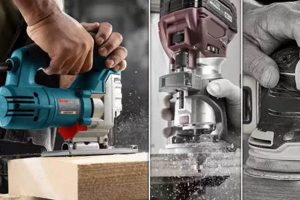
The use of safety glasses is non-negotiable in woodworking, protecting the eyes from flying debris and dust particles. Many woodworking tools are designed with features that facilitate the use of eye protection, such as unobstructed visibility and compatibility with common safety glasses designs. Furthermore, the integration of dust collection ports or shrouds allows for the effective removal of airborne dust, minimizing respiratory irritation and improving visibility. Power sanders and routers equipped with dust collection attachments reduce the inhalation of harmful particles and enhance the overall safety of the workspace.
- Material Strength and Structural Integrity
The inherent strength and structural integrity of woodworking implements are essential for preventing catastrophic failures that could result in injury. Tools constructed from high-quality materials and designed with robust construction techniques are less likely to break or malfunction under stress. For example, a mallet head made from a durable hardwood, such as hickory, is less likely to split or shatter than one made from a softer wood or inferior composite material. Regular inspection for cracks, loose components, and other signs of wear is crucial for maintaining the structural integrity of woodworking implements and preventing potential accidents.
The interplay between the aforementioned safety features and fundamental implements underscores the commitment to safe woodworking practices. These features are not optional luxuries but rather indispensable components of a responsible woodworking setup. The integration of these features allows both novice and experienced users to minimize risk and focus on the creative and functional aspects of the craft. The selection of implements with robust safety features represents a proactive approach to injury prevention and promotes a sustainable and enjoyable woodworking experience.
5. Sharpening Needs

The functional efficacy of implements in a beginner’s woodworking set is intrinsically linked to their sharpening needs. The selection of implements necessitates careful consideration of the ease and frequency with which their cutting edges require maintenance. The dulling of blades during use is inevitable; thus, understanding the sharpening process and acquiring the necessary skills are paramount for successful woodworking. A dull chisel, for instance, will crush wood fibers rather than cleanly sever them, leading to inaccurate joinery and increased effort. Similarly, a hand plane with a dull blade will produce a rough surface finish, negating the intended smoothing effect. Therefore, the type of steel used in the blade, its hardness, and the geometry of the cutting edge directly influence the sharpening frequency and the complexity of the sharpening process.
The practical significance of understanding sharpening needs extends beyond maintaining optimal cutting performance. Sharp implements are inherently safer to use than dull ones. A dull tool requires more force to operate, increasing the risk of slippage and potential injury. Furthermore, the sharpening process itself requires a degree of skill and precision. Beginners should invest in appropriate sharpening equipment, such as honing stones, sharpening guides, and strops, and dedicate time to learning proper sharpening techniques. Neglecting the sharpening needs of woodworking implements not only compromises the quality of the work but also introduces unnecessary safety hazards. For example, a dull knife might lead to the application of excessive force to complete the cut.
In conclusion, the sharpening needs of woodworking implements are a crucial consideration for beginners. Prioritizing tools that are relatively easy to sharpen and investing in appropriate sharpening equipment will contribute significantly to a safer, more efficient, and ultimately more rewarding woodworking experience. The selection of the tools considering these conditions is then extremely important. Overlooking this aspect can lead to frustration, poor results, and an increased risk of injury, hindering the development of woodworking skills and enjoyment of the craft. It should therefore be an essential element in the evaluation of tools for a starter set.
6. Storage Solutions

The organization and preservation of implements for woodworking are inextricably linked to their longevity, accessibility, and the overall safety of the workspace. The selection of appropriate storage solutions is not merely a matter of convenience but a critical component of responsible tool management, especially for individuals initiating their woodworking journey.
- Protection from Environmental Factors
Woodworking implements, particularly those with metallic components, are susceptible to damage from humidity, temperature fluctuations, and dust. Effective storage solutions mitigate these environmental risks by providing a protective barrier against moisture-induced corrosion, warping of wooden handles, and the accumulation of abrasive particles. Tool chests, cabinets with sealed doors, and specialized storage containers with desiccant packs are effective strategies for maintaining a stable and clean environment. For example, storing chisels in a roll with individual pockets prevents blade-to-blade contact and minimizes the risk of rust formation.
- Accessibility and Workflow Efficiency
The design of storage solutions directly impacts the ease with which implements can be retrieved and returned, influencing workflow efficiency and minimizing wasted time. Well-organized storage systems, such as French cleats or pegboards, allow for the visual identification and rapid access to frequently used tools. Furthermore, logical arrangement of tools based on function or project type streamlines the work process. For example, a dedicated drawer for measuring and marking tools ensures that they are readily available when needed, preventing interruptions and maintaining momentum.
- Spatial Optimization and Workshop Safety
Effective storage solutions contribute to the efficient utilization of limited workshop space and promote a safer working environment. By consolidating tools into designated storage areas, clutter is reduced, minimizing the risk of tripping hazards and accidental contact with sharp edges. Wall-mounted tool racks and overhead storage cabinets maximize vertical space, freeing up valuable floor area. Proper storage also prevents tools from being misplaced or left unattended, reducing the likelihood of accidents. Storing saws horizontally on a wall rack prevents accidental bumping and ensures they are easily accessible.
- Security and Inventory Management
For individuals with extensive tool collections or those working in shared workshop environments, secure storage solutions can provide protection against theft or unauthorized use. Lockable tool chests, cabinets with keyed access, and security systems offer an additional layer of protection. Furthermore, well-organized storage systems facilitate inventory management, allowing for quick identification of missing or damaged tools. Regularly inspecting and documenting the contents of storage containers helps to maintain accountability and prevent loss. Labeling the drawers or compartments can help in inventory management.
The selection and implementation of appropriate storage solutions should be considered an integral part of acquiring fundamental woodworking implements. Such consideration contributes to the longevity of the tools, the efficiency of the workflow, and the overall safety of the woodworking environment, regardless of the user’s skill or experience level. The benefits derived from proper storage far outweigh the initial investment in storage systems, making it a worthwhile endeavor for anyone embarking on a woodworking journey.
Frequently Asked Questions
This section addresses common inquiries regarding fundamental implements for carpentry and related crafts. The information presented aims to clarify uncertainties and provide practical guidance for individuals initiating their involvement in woodworking.
Question 1: What is the absolute minimum set of implements required to begin woodworking?
A basic hand saw, a combination square, a sharp chisel, a mallet, a measuring tape, and safety glasses constitute an essential starting point. These provide the capability to make basic cuts, measure accurately, and shape wood with reasonable precision.
Question 2: Is it advisable to purchase a complete starter kit or assemble individual items?
Purchasing individual implements allows for selection based on quality and specific needs. While kits may seem economical, the quality of included items can vary significantly. Carefully chosen individual items typically offer better long-term value.
Question 3: What are the key factors in determining the quality of a hand saw?
Blade material, tooth geometry, handle comfort, and the overall balance of the saw are critical indicators of quality. A high-carbon steel blade with appropriately set teeth and an ergonomically designed handle will provide superior cutting performance.
Question 4: How frequently should chisels be sharpened?
The frequency of sharpening depends on the type of wood being worked and the intensity of use. However, a chisel should be sharpened whenever its cutting edge becomes noticeably dull or begins to crush wood fibers instead of cleanly slicing them.
Question 5: Are power tools necessary for beginning woodworking?
Power tools are not essential for starting out. Hand tools provide a more tactile learning experience and allow for greater control, fostering a deeper understanding of woodworking techniques. Power tools can be introduced later as skills develop.
Question 6: What safety precautions are paramount when using woodworking implements?
Wearing safety glasses is mandatory at all times. Additionally, ensuring a secure grip on tools, working in a well-lit and ventilated area, and understanding the inherent risks associated with each implement are crucial for preventing injuries.
Prioritizing quality over quantity, investing in appropriate sharpening equipment, and adhering to strict safety protocols are fundamental principles for successful woodworking.
The next section will explore advanced woodworking techniques and specific project applications.
Conclusion
The preceding exploration of woodworking starter tools has underscored the importance of selecting quality, functional, and safe implements for individuals entering the craft. Emphasis has been placed on material durability, ergonomic design, the necessity of sharpening, and the value of proper storage. Neglecting these considerations can impede skill development and compromise safety.
The foundational collection represents an investment in both personal skill and the enduring legacy of woodworking. The responsible and informed selection of woodworking starter tools empowers individuals to engage with the craft meaningfully and safely, contributing to the preservation and advancement of a valuable tradition. Continued learning and adherence to safety protocols are paramount for sustained success.