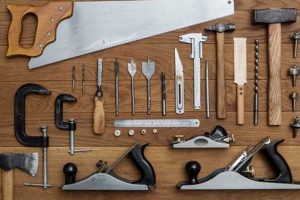
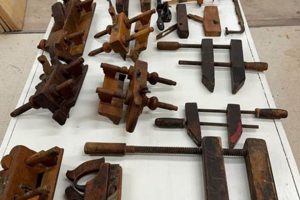
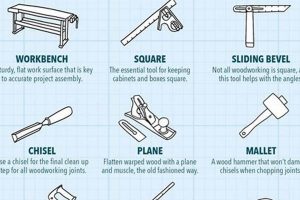
The term encompasses implements employed between the 17th and 19th centuries for shaping and manipulating wood. This includes a broad range of hand-operated devices, from saws and axes used for initial timber preparation, to chisels, planes, and gauges employed for detailed carving and finishing. These instruments reflect evolving technological understanding and craftsmanship during this period.
The study of these implements offers valuable insights into historical construction techniques, technological advancements, and the social and economic contexts of the eras in which they were used. Examining their designs and materials reveals information about resource availability, manufacturing processes, and the skills and knowledge of the artisans who crafted and utilized them. This knowledge allows for a greater appreciation of the ingenuity and labor invested in historical woodworking projects.
The following will explore specific categories of these implements, examining their design features, common applications, and the innovations that occurred within each type over the specified timeframe. The discussion will consider the impact of these tools on furniture making, shipbuilding, architectural construction, and other related trades.
Preservation and Study of Historical Woodworking Implements
The effective preservation and study of historical woodworking implements require a deliberate and informed approach. These tips provide guidance on handling, maintaining, and interpreting these valuable artifacts.
Tip 1: Documentation is Paramount. Prior to any conservation efforts, thoroughly document the implement. This includes detailed photographs, measurements, material analysis (if possible), and any maker’s marks or inscriptions. This provides a baseline for future comparison and study.
Tip 2: Controlled Storage Environments. Maintain implements in a stable environment with controlled temperature and humidity. Fluctuations can cause wood to expand and contract, potentially leading to cracks or joint failure. Metal components are susceptible to rust in high humidity.
Tip 3: Gentle Cleaning Procedures. Remove surface dirt and debris with soft brushes and gentle solvents. Avoid harsh chemicals or abrasive cleaners, as these can damage the original finish or alter the material composition. Test any cleaning method in an inconspicuous area first.
Tip 4: Stabilize Existing Damage. Address active deterioration, such as rust or wood rot, with appropriate conservation techniques. Consult with a qualified conservator for complex issues. Prioritize stabilizing the artifact’s current condition over attempting complete restoration.
Tip 5: Respect the Patina. The accumulated layers of dirt, polish, and wear on an implement represent its history of use. Avoid overly aggressive cleaning or polishing, as this can remove valuable historical information.
Tip 6: Study Tool Marks on Historical Objects. Analyze the tool marks left on wooden objects from the 1600-1900 era to understand which implements were used. Comparing these marks with the cutting edges of preserved tools provides valuable insight into working practices.
Tip 7: Research Maker’s Marks and Patents. Thoroughly research any maker’s marks or patent numbers found on the implements. This can help determine the tool’s origin, date of manufacture, and intended purpose.
Adherence to these principles ensures the long-term preservation of these valuable artifacts, allowing for continued research and a deeper understanding of historical woodworking techniques.
These guidelines will inform subsequent discussions on the applications and broader historical context of woodworking during the specified period.
1. Tool Materials

The composition of materials used in woodworking tools from 1600 to 1900 directly influenced their performance, longevity, and the quality of finished work. The period saw transitions in materials driven by technological advancements and increasing demand for durable and precise tools.
- Iron’s Dominance and Limitations
Initially, wrought iron was the primary material for woodworking tools. While relatively inexpensive and workable, iron tools were susceptible to dulling, bending, and breakage. This necessitated frequent sharpening and repairs, impacting productivity. Examples include early axes and saws whose iron blades required constant maintenance. The inherent softness of iron limited the precision achievable in intricate woodworking projects.
- The Rise of Steel
The development of steelmaking processes, such as crucible steel production, gradually introduced steel as a superior material. Steel offered increased hardness, edge retention, and resistance to deformation. This allowed for finer cutting edges and more durable tools. The transition was gradual, with steel initially reserved for critical components like saw teeth and plane irons before fully replacing iron in many tool bodies. Improved steel quality enabled the creation of more complex and accurate woodworking tools.
- Wood for Handles and Bodies
Hardwoods like beech, maple, and rosewood were commonly used for tool handles and the bodies of planes. The choice of wood depended on factors such as availability, cost, and the required strength and stability. Wood handles were shaped for ergonomic comfort and secure grip. The selection of specific woods for tool bodies influenced the overall weight, balance, and feel of the tool, impacting the craftsman’s efficiency and control.
- Brass and Other Metals
Brass and other non-ferrous metals were incorporated into woodworking tools for decorative purposes and to reduce friction. Brass screws, nuts, and adjustment mechanisms offered corrosion resistance and smooth operation. Decorative brass elements added aesthetic appeal and indicated higher-quality tools. These materials, though not primary cutting components, contributed to the tool’s overall functionality and perceived value.
The evolving use of materials profoundly shaped woodworking tools from 1600 to 1900. The shift from iron to steel significantly improved tool performance and longevity, while the careful selection of hardwoods for handles and bodies enhanced ergonomics and control. The strategic use of other metals like brass added both functionality and aesthetic appeal. These material advancements collectively empowered woodworkers to achieve greater precision, efficiency, and artistry in their craft.
2. Hand-Powered Operation

Between 1600 and 1900, woodworking tools were almost exclusively operated by hand. This dependence on human power significantly influenced tool design, woodworking techniques, and the overall pace of production. Understanding this reliance on manual operation is crucial for appreciating the ingenuity and physical demands of woodworking during this era.
- Direct Human Force
The vast majority of woodworking tools during this period relied on direct application of human muscle power. Saws, planes, chisels, and augers required the woodworker to supply the force necessary for cutting, shaping, and boring wood. This necessitated significant physical strength and stamina, particularly for tasks involving hardwoods or large timbers. Efficiency was directly linked to the skill and physical capacity of the individual craftsman.
- Leverage and Mechanical Advantage
While powered by hand, many tools incorporated principles of leverage and mechanical advantage to amplify the user’s force. The design of a hand plane, for example, allows the user to apply downward pressure while simultaneously moving the tool forward, efficiently shaving thin layers of wood. Similarly, braces and bits utilize a rotating handle to provide increased torque for drilling holes. These designs maximized the effectiveness of human power.
- Impact on Tool Design
The limitations of hand power directly influenced the design and size of woodworking tools. Tools were generally sized and shaped to be comfortably manipulated by a single individual. The weight and balance of a tool were carefully considered to minimize fatigue and maximize control. Handles were designed to provide a secure and ergonomic grip, allowing the woodworker to exert maximum force with minimal strain. The reliance on hand power drove innovation in tool design aimed at increasing efficiency and reducing physical exertion.
- Technique and Skill Development
The manual operation of woodworking tools required a high degree of skill and technique. Woodworkers developed specialized methods for using each tool efficiently and accurately. Proper body positioning, rhythmic movements, and consistent pressure were essential for achieving desired results. Mastery of these techniques required years of practice and apprenticeship. The quality of the finished product was directly dependent on the woodworker’s skill in harnessing hand power.
The hand-powered nature of woodworking tools between 1600 and 1900 shaped not only the tools themselves but also the methods of woodworking and the skills required of woodworkers. The physical demands of the craft, combined with the ingenuity in tool design and the emphasis on skilled technique, define this period in woodworking history.
3. Trade Specialization

The period from 1600 to 1900 witnessed increasing trade specialization, a development profoundly impacting the design, production, and usage of woodworking tools. As woodworking practices evolved from general carpentry to specialized trades such as cabinetmaking, shipbuilding, wheelwrighting, and carving, the demand for specific tools tailored to niche tasks intensified. This growing demand, in turn, spurred innovation in tool design and manufacturing, leading to more refined and efficient instruments. For instance, a shipwright required specific adzes and framing saws optimized for shaping large timbers, while a cabinetmaker needed finely crafted planes and chisels for intricate joinery and detailing.
The rise of trade specialization also fostered the development of toolmaking as a distinct industry. Rather than individual woodworkers crafting their own tools, specialized toolmakers emerged, focusing on the production of high-quality instruments for specific trades. These toolmakers, often operating in urban centers, could leverage economies of scale and specialized knowledge to create superior tools. The Nicholson Company, for example, became renowned for its saw manufacturing, catering to various woodworking trades with different saw designs and tooth patterns. This division of labor facilitated both improved tool quality and increased availability, further supporting trade specialization.
In conclusion, trade specialization served as a catalyst for innovation in woodworking tools between 1600 and 1900. The demand for specialized instruments fueled advancements in tool design, materials, and manufacturing processes. This symbiotic relationship between trade specialization and tool development led to greater efficiency, precision, and artistry in woodworking practices across diverse industries. Understanding this connection provides valuable insights into the technological and economic forces shaping woodworking during this historical period.
4. Ergonomic Evolution

The gradual refinement of woodworking tools between 1600 and 1900 reflects an evolving understanding of ergonomics. While not explicitly labeled as such, the design modifications during this period demonstrate an increasing awareness of user comfort, efficiency, and the reduction of physical strain associated with prolonged tool use.
- Handle Design and Grip
Early tool handles often prioritized functionality over comfort, resulting in simple cylindrical or roughly shaped grips. As woodworking practices became more specialized, handles were increasingly shaped to conform to the hand, providing a more secure and comfortable grip. The introduction of features like palm swells and finger grooves enhanced control and reduced fatigue. Examples include the curved handles of hand planes and the contoured grips of chisels, designed to distribute pressure evenly and minimize strain during repetitive tasks.
- Weight and Balance
The weight and balance of a tool directly impact the user’s control and the amount of effort required for its operation. Over the period, toolmakers paid closer attention to distributing weight evenly and optimizing the balance point of tools. Lighter-weight materials, such as certain hardwoods for plane bodies, were utilized where possible. Adjustments in the size and shape of metal components further contributed to improved balance. A well-balanced tool required less force to control and reduced the risk of repetitive strain injuries.
- Adjustability and Customization
The introduction of adjustable features in woodworking tools, such as depth stops on planes and adjustable fences on saws, allowed users to customize the tool to their specific needs and preferences. This adjustability enhanced precision and efficiency while also accommodating individual variations in hand size and grip. The ability to fine-tune a tool’s settings reduced the physical effort required for accurate and consistent work.
- Material Selection for User Comfort
The choice of materials for tool handles and bodies played a role in user comfort. Hardwoods like beech and maple were favored for their durability and ability to be shaped into comfortable grips. However, variations in wood grain and surface finish could impact grip and feel. Toolmakers began to experiment with different finishes and coatings to improve grip and reduce slippage, particularly on tools used in damp or humid conditions.
These incremental changes in tool design, driven by practical experience and an evolving understanding of the relationship between the tool and the user, represent a significant ergonomic evolution in woodworking tools between 1600 and 1900. While not guided by formal ergonomic principles, these adjustments nonetheless improved user comfort, reduced physical strain, and enhanced the overall efficiency of woodworking practices.
5. Craftsmanship Influence

The quality and characteristics of woodworking tools between 1600 and 1900 were inextricably linked to the prevailing standards of craftsmanship. The demand for meticulously crafted products, driven by both practical needs and aesthetic sensibilities, directly influenced the design, materials, and production of these implements.
- Demand for Precision Tools
The pursuit of fine joinery, intricate carvings, and flawless finishes necessitated tools capable of achieving high levels of precision. Cabinetmakers, furniture makers, and instrument makers relied on tools that could execute their designs with accuracy and consistency. This demand spurred toolmakers to develop implements with tighter tolerances, sharper cutting edges, and more reliable adjustment mechanisms. Examples include finely crafted planes with precisely machined soles and meticulously sharpened chisels capable of executing delicate cuts.
- Tool Aesthetics and Value
During this period, woodworking tools were not merely functional objects; they were also symbols of the craftsman’s skill and dedication to their trade. Many tools were adorned with decorative elements, such as intricately carved handles, polished brass fittings, and maker’s marks, reflecting a commitment to both functionality and aesthetics. These visual details enhanced the tool’s perceived value and served as a testament to the craftsman’s pride in their profession. Highly ornamented tools were often passed down through generations, representing a legacy of craftsmanship.
- Influence of Guild Standards
Guilds and other craft organizations played a significant role in setting standards for tool quality and craftsmanship. These organizations often required apprentices to demonstrate proficiency in using and maintaining specific tools before being admitted as journeymen or masters. Guild regulations could dictate the types of materials used in tool construction, the required level of precision, and the acceptable tolerances for finished work. This emphasis on standardization and quality control contributed to the overall refinement of woodworking tools.
- Tool Innovation Driven by Craft Needs
Woodworkers frequently adapted and modified their tools to suit specific tasks or to improve their efficiency and accuracy. These adaptations often led to innovations that were later incorporated into commercially produced tools. For example, a craftsman might grind a chisel to a particular angle for a specific carving task or modify a plane to create a unique molding profile. The practical needs of skilled woodworkers served as a continuous source of inspiration for toolmakers, driving the evolution of tool design and functionality.
The standards of craftsmanship that prevailed between 1600 and 1900 profoundly shaped the development and characteristics of woodworking tools. The demand for precision, the emphasis on aesthetics, the influence of guild standards, and the role of craft-driven innovation collectively contributed to the creation of tools that were not only functional but also objects of beauty and symbols of skilled labor.
6. Design Refinement

The period between 1600 and 1900 represents a crucial era for design refinement in woodworking tools. The incremental improvements made to tool design during this period were not merely cosmetic; they directly impacted efficiency, accuracy, and the overall quality of woodworking. Design refinement involved a complex interplay of factors, including material advancements, ergonomic considerations, and a deeper understanding of the specific tasks each tool was intended to perform. The result was a gradual but significant evolution from relatively crude, general-purpose implements to highly specialized tools designed for precise and efficient operation. For example, the development of adjustable hand planes allowed for precise control over the depth of cut, enabling woodworkers to achieve smoother surfaces and more accurate dimensions.
The emphasis on design refinement also stemmed from the growing importance of standardization and interchangeability in manufacturing. As toolmakers began to produce tools on a larger scale, they sought to create designs that could be consistently replicated and easily repaired. This led to the development of more modular tool designs, with replaceable parts and standardized components. Consider, for instance, the evolution of the saw. From simple, straight-bladed saws, the design evolved to include different tooth patterns for various wood types and cutting directions. Handles became more ergonomic, and the overall balance of the tool was improved, all contributing to greater ease of use and more precise cuts. The impact was measurable in the increased efficiency of woodworking shops and the improved quality of finished products.
In summary, design refinement was a defining characteristic of woodworking tools between 1600 and 1900. These improvements, driven by practical needs and technological advancements, transformed woodworking practices, enabling greater precision, efficiency, and craftsmanship. Understanding this focus on design refinement is essential for appreciating the evolution of woodworking technology and its impact on the broader history of material culture. The challenges inherent in preserving and studying these refined tools highlight the need for careful documentation and conservation efforts to ensure their continued availability for future research and appreciation.
7. Technological Adaption

Technological adaption profoundly shaped woodworking tools between 1600 and 1900. Innovations in metallurgy, manufacturing processes, and an expanding understanding of mechanics directly influenced tool design and functionality. This period witnessed a transition from primarily hand-forged tools to those increasingly incorporating machine-made components and refined materials. For example, the development of improved steelmaking techniques led to stronger, more durable saw blades capable of holding a sharper edge. This adaptation allowed for faster and more precise cutting, directly increasing the efficiency of woodworking operations. The cause and effect relationship is evident: advancements in material science led directly to enhanced tool performance.
The introduction of thread-cutting machinery facilitated the mass production of screws and bolts, crucial components for adjustable tools such as hand planes and vises. This adaption enabled woodworkers to precisely control tool settings and exert greater clamping force. Furthermore, the development of improved grinding and sharpening techniques allowed for the creation of finer cutting edges and more complex tool geometries. The evolution of the spokeshave provides a clear example. Originally a relatively simple tool for shaping curved surfaces, technological adaptations led to the creation of spokeshaves with adjustable blades and ergonomic designs, offering greater control and comfort to the user. The use of interchangeable parts, another outcome of technological advancement, simplified repairs and extended the lifespan of tools, contributing to economic efficiency within woodworking trades.
The interaction between technological advancements and the evolution of woodworking tools between 1600 and 1900 underscores the crucial role of adaption in shaping material culture. Recognizing this connection aids in understanding the historical trajectory of woodworking practices and the ingenuity of both toolmakers and woodworkers in leveraging available technologies. The challenge now resides in preserving and interpreting these artifacts to fully appreciate the dynamic relationship between technology and craft.
Frequently Asked Questions
The following addresses common inquiries regarding woodworking tools employed between 1600 and 1900, providing factual and contextually relevant answers.
Question 1: What were the primary materials used in woodworking tools during this period?
The dominant materials included iron (gradually replaced by steel for cutting edges), hardwoods like beech and maple for handles and bodies, and occasionally brass for decorative elements and friction reduction.
Question 2: How were woodworking tools powered between 1600 and 1900?
Exclusively by hand. This necessitated skilled technique, proper body positioning, and specialized tool designs to maximize efficiency and minimize physical strain.
Question 3: Did trade specialization influence woodworking tool design?
Affirmatively. As woodworking diversified into specialized trades (cabinetmaking, shipbuilding, etc.), demand increased for tailored tools, spurring innovation in tool design and manufacturing.
Question 4: Was there any consideration for ergonomics in the design of these tools?
Yes, though not explicitly defined as “ergonomics.” Design refinements included improved handle shapes, optimized weight and balance, and adjustable features aimed at enhancing user comfort and reducing fatigue.
Question 5: How did craftsmanship standards affect woodworking tools during this era?
High craftsmanship standards drove the demand for precision tools, influencing the selection of materials, the refinement of tool designs, and the incorporation of decorative elements.
Question 6: Did technological advancements influence the evolution of these tools?
Substantially. Innovations in metallurgy (e.g., steel production), manufacturing processes (e.g., thread-cutting machinery), and a growing understanding of mechanics led to stronger, more efficient, and more adjustable tools.
The information presented clarifies key aspects of woodworking tools during the specified timeframe, underscoring the interplay of materials, human power, trade specialization, design considerations, craftsmanship, and technological advancements.
The subsequent section will delve into preservation techniques and considerations related to the study of artifacts from this historical period.
Conclusion
The examination of woodworking tools 1600 1900 reveals a period of significant advancement driven by evolving craftsmanship, technological progress, and trade specialization. The transition from iron to steel, the refinement of ergonomic designs, and the adaptation of tools to specific trades underscore the ingenuity of toolmakers and the demands of skilled woodworkers. Preservation efforts are essential to understand the labor conditions and economic forces that shaped the society of that era.
Continued research and preservation of woodworking tools 1600 1900 are crucial for understanding technological development and craft history. Continued study will allow for a deeper comprehension of past practices and provide valuable insights into the evolution of material culture.