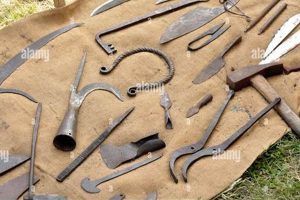
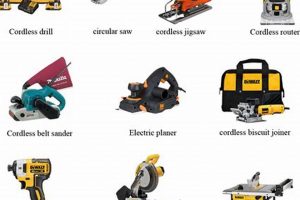
The subject pertains to instruments and equipment designed for the craft of shaping wood using manual or powered implements. These items facilitate tasks such as cutting, shaping, joining, and finishing wooden materials, ultimately enabling the creation of furniture, structures, and decorative objects. As an illustration, consider a cabinetmaker employing a variety of hand planes, saws, and chisels alongside power tools such as routers and sanders to construct a detailed cabinet.
The use of specialized instruments offers enhanced precision, efficiency, and safety in woodworking projects. These tools provide capabilities for intricate designs and repeatable results, contributing to both the structural integrity and aesthetic appeal of the final product. Historically, these implements have evolved from simple hand-operated devices to sophisticated power-driven machines, significantly impacting the scale and complexity of woodworking endeavors.
The following sections will delve into specific categories of these devices, examining their application, maintenance, and selection criteria to optimize woodworking processes. Topics will range from hand-operated options to stationary equipment, providing a comprehensive overview of the tools available to both novice and experienced woodworkers.
Woodworking Instrument Usage Guidance
The subsequent guidelines aim to enhance the effectiveness and safety of operations within a woodworking environment. These recommendations are pertinent for individuals involved in the construction, repair, or modification of wooden objects.
Tip 1: Prioritize Sharpness. Maintaining a keen cutting edge on blades and bits is paramount for efficient material removal and cleaner finishes. Dull implements require greater force, increasing the risk of slippage and injury. Sharpening stones, honing guides, and appropriate grinding wheels should be routinely employed.
Tip 2: Secure Workpieces Adequately. Utilize clamps, vises, or bench dogs to stabilize lumber before initiating any cutting, shaping, or joining operation. Insecure material can lead to inaccuracies, damage to equipment, and potential harm to the operator. The clamping method should be appropriate for the size and geometry of the piece.
Tip 3: Employ Dust Collection Systems. Wood dust generated during sanding, sawing, and routing poses respiratory hazards and reduces visibility. A dedicated dust collector or shop vacuum connected to power tools is essential for maintaining a safe and clean working environment.
Tip 4: Adhere to Manufacturer Safety Instructions. Each device possesses unique operating procedures and safety precautions outlined in the manufacturer’s documentation. Thoroughly review these guidelines before commencing any task to mitigate potential risks associated with improper use.
Tip 5: Inspect Tools Regularly. Prior to each use, examine equipment for signs of wear, damage, or malfunction. Loose hardware, frayed cords, and cracked components should be addressed promptly to prevent accidents and ensure optimal performance. Any compromised item should be taken out of service until the issue is resolved.
Tip 6: Select Appropriate Personal Protective Equipment. Safety glasses, hearing protection, and respiratory masks are fundamental safeguards against common woodworking hazards. The specific PPE required will vary depending on the nature of the task being performed.
These directives emphasize the importance of diligent preparation and consistent adherence to established safety protocols. Implementation of these practices contributes to a more productive and secure woodworking experience.
The following section will address material selection and its impact on project outcomes.
1. Precision Instrument Selection

Instrument selection directly impacts the achievable accuracy and quality in woodworking. Careful consideration of instrument characteristics and their suitability for specific tasks is paramount for achieving desired outcomes.
- Dimensional Measurement Accuracy
Precise measurement is fundamental to woodworking. Calipers, micrometers, and precision rules ensure accurate dimensioning of lumber and components. Deviation from specified dimensions can lead to joinery failures and compromised structural integrity. For instance, inaccurate measurement of a mortise and tenon joint can result in a weak and unstable connection.
- Cutting Tool Geometry and Material
The geometry and material of cutting implements, such as saw blades and router bits, significantly affect the quality of the cut. High-speed steel blades offer increased durability and heat resistance compared to carbon steel, leading to smoother cuts and extended lifespan. Similarly, the angle of a chisel blade impacts its effectiveness in paring wood. Proper selection based on material type and desired finish is essential.
- Joinery Tool Precision and Repeatability
Joinery requires accuracy to create strong and aesthetically pleasing connections. Dovetail jigs, mortise and tenon jigs, and other specialized instruments enhance precision and repeatability in joinery operations. The ability to consistently produce accurate joints is crucial for constructing complex and structurally sound pieces. An example would be using a dedicated dovetail jig to create precisely interlocking dovetails for drawer construction.
- Surface Preparation Implement Calibration
Instruments used for surface preparation, such as sanders and planes, must be properly calibrated to ensure uniform material removal. Improper calibration can result in uneven surfaces, visible scratches, and inconsistent finishes. For example, a belt sander with an misaligned platen can create dips and ridges on the workpiece.
These aspects collectively demonstrate the critical role of appropriate instrument selection in woodworking endeavors. Utilizing instruments suited to the task and maintaining them in optimal condition are essential for achieving accurate, durable, and aesthetically pleasing results. Therefore, informed selection is vital to the success of woodworking projects.
2. Material Compatibility

The interrelationship between material characteristics and device performance directly impacts the outcome of woodworking projects. Appropriate selection of devices based on the properties of the material being worked is critical for achieving desired results and preventing damage to both the material and the instruments themselves. This consideration extends across all phases of woodworking, from initial rough cutting to final finishing.
- Wood Hardness and Cutting Edge Selection
The hardness of wood species dictates the type of cutting edge required for efficient and clean material removal. Dense hardwoods necessitate blades and bits constructed from high-speed steel or carbide, which offer increased wear resistance and maintain sharpness for longer periods. Using softer metals on hardwoods can result in rapid dulling and reduced cutting performance. For example, attempting to cut oak with a dull carbon steel saw blade will result in splintering and a rough surface finish, whereas a sharp carbide-tipped blade will produce a cleaner cut.
- Grain Orientation and Planing Direction
The orientation of the wood grain influences the direction in which planing and shaping operations should be performed. Planing against the grain can lead to tear-out, a condition where wood fibers are lifted and torn from the surface, resulting in an uneven finish. Selecting a device with adjustable blade depth and skew angle can mitigate tear-out when working with difficult grain patterns. Identifying the grain direction and adjusting planing techniques accordingly is crucial for achieving a smooth and uniform surface.
- Wood Density and Fastener Selection
The density of wood affects the holding power of fasteners such as screws and nails. Softer woods require fasteners with larger diameters and coarser threads to provide adequate grip and prevent pull-out. Conversely, driving large fasteners into dense hardwoods without pre-drilling can cause splitting and damage to the material. Selecting appropriate fastener types and sizes based on wood density is essential for creating strong and durable joints.
- Resin Content and Abrasive Choice
The resin content of certain wood species, such as pine and fir, can affect the performance of sanding and finishing operations. Resinous woods tend to clog sandpaper quickly, reducing its effectiveness and requiring frequent replacement. Selecting abrasives with open coats and anti-clogging properties can improve sanding efficiency and extend the life of the sandpaper. Additionally, solvent-based finishes may react differently with resinous woods compared to water-based finishes, requiring careful consideration of finish compatibility.
In summary, a thorough understanding of material properties and their interaction with woodworking instruments is essential for optimizing project outcomes. Proper device selection, informed by material characteristics, contributes to improved efficiency, enhanced quality, and increased longevity of both the finished product and the devices used in its creation. Consideration of these factors contributes directly to successful woodworking endeavors.
3. Operational Safety Protocols
Effective woodworking necessitates strict adherence to operational safety protocols. The relationship between these protocols and woodworking devices is causal: inadequate safety measures directly increase the risk of injury when using potentially hazardous implements. The integration of safety procedures is not merely an ancillary consideration but a fundamental component of any woodworking practice. For example, the improper use of a table saw, absent appropriate safety guards and push sticks, can result in severe lacerations. Conversely, consistent application of safety protocols, such as wearing eye protection and using dust collection systems, mitigates risks associated with flying debris and airborne particulate matter. Understanding this connection is practically significant because it reduces the likelihood of accidents, promotes a safer working environment, and ultimately, contributes to the consistent production of high-quality woodworking projects.
Further illustrating the practical application, consider the selection and maintenance of electrical devices. Damaged power cords or improperly grounded equipment pose electrocution hazards. Routine inspection of cords for fraying, the use of ground fault circuit interrupters (GFCIs), and adherence to lockout/tagout procedures during maintenance are critical safety measures. Another key element is the management of flammable materials such as wood finishes and solvents. Proper storage in designated containers, away from ignition sources, and adequate ventilation during application significantly reduce the risk of fire. These instances exemplify how specific safety protocols directly address potential hazards associated with woodworking operations, thereby enhancing overall safety.
In conclusion, the correlation between operational safety protocols and woodworking activities is inextricably linked. Neglecting safety standards can lead to predictable and preventable adverse outcomes. Conversely, proactive implementation and diligent adherence to established protocols create a safer, more productive environment. While challenges in maintaining vigilance and overcoming complacency exist, the benefits of prioritizing safety, encompassing reduced risk of injury, improved operational efficiency, and a commitment to professional responsibility, far outweigh the effort required. This understanding underscores the crucial role of safety protocols in all aspects of woodworking.
4. Maintenance and Longevity
The sustained performance and operational lifespan of woodworking instruments are directly correlated with diligent maintenance practices. The execution of routine maintenance significantly mitigates wear, prevents malfunctions, and ensures continued precision in woodworking operations. This focus on upkeep is not merely cost-effective; it is essential for maintaining a safe and productive working environment.
- Sharpening and Honing of Cutting Edges
Cutting instruments, such as chisels, plane blades, and saw blades, require periodic sharpening to maintain optimal cutting performance. Dull edges necessitate increased force, leading to potential loss of control and diminished cut quality. Regular honing between sharpening sessions extends the lifespan of the cutting edge. For example, consistent use of sharpening stones and honing guides preserves the integrity of a chisel’s edge, preventing chipping and ensuring precise material removal. Neglecting this aspect results in reduced efficiency and compromised safety.
- Lubrication of Moving Parts
Mechanical devices with moving components, including planers, jointers, and sanders, rely on lubrication to minimize friction and prevent wear. Regular application of appropriate lubricants, such as oil or grease, reduces heat buildup and ensures smooth operation. Insufficient lubrication can lead to premature failure of bearings, gears, and other critical parts. Consider a jointer: consistent lubrication of its cutterhead bearings reduces vibration and extends bearing life, resulting in smoother surfaces and improved accuracy. Without this routine maintenance, the equipment’s lifespan is significantly curtailed.
- Cleaning and Dust Removal
The accumulation of wood dust and debris can impede the functionality of woodworking implements. Dust clogs motors, interferes with moving parts, and reduces the effectiveness of dust collection systems. Regular cleaning, using compressed air or brushes, prevents these issues. For example, removing sawdust from the internal components of a router prevents overheating and ensures proper ventilation, extending motor life. Neglecting this step contributes to equipment malfunction and potential safety hazards.
- Inspection and Replacement of Worn Components
Routine inspection of woodworking implements allows for the early identification of worn or damaged components. Prompt replacement of these parts prevents further damage and ensures continued safe operation. Examples include replacing worn belts on sanders, frayed power cords on electrical instruments, or cracked handles on hand tools. Proactive replacement of these items prevents catastrophic failures and minimizes downtime. Diligent monitoring ensures consistent performance and prolongs the overall lifespan of the instrument.
These facets underscore the critical role of maintenance in maximizing the longevity and performance of woodworking instruments. Implementing these practices preserves the investment in these implements, ensures safe and efficient operation, and contributes to the production of high-quality woodworking projects. Prioritizing upkeep, therefore, represents a fundamental aspect of responsible woodworking practice.
5. Project-Specific Adaptation

The successful execution of woodworking projects hinges on the judicious adaptation of instruments and techniques to the unique requirements of each endeavor. This adaptation necessitates a comprehensive understanding of the project’s design specifications, material properties, and anticipated functional demands, directly influencing the selection and application of woodworking devices. A failure to properly adapt instruments and methods to the specific project can result in compromised structural integrity, aesthetic deficiencies, and inefficient resource utilization. For example, crafting intricate joinery for a delicate jewelry box demands precision instruments and meticulous techniques, such as fine saws and micro-chisels, in stark contrast to the robust devices and methods employed in constructing a heavy-duty workbench, where strength and durability are paramount. The selection of incorrect instrumentations or techniques can subsequently lead to substandard outcomes. Therefore, the capacity to adjust approaches based on project particulars is a foundational element of skilled woodworking.
Consider the scenario of constructing a curved cabinet door. Achieving the desired curvature may necessitate the use of specialized bending irons, laminating techniques, or a spokeshave for precise shaping. Adapting the technique involves selecting the appropriate method for creating the curve based on the type of wood, the degree of curvature, and the desired aesthetic. Furthermore, creating a seamless finish on a complex carved surface may necessitate utilizing a diverse range of specialized carving gouges, rifflers, and abrasives. Adapting these tools and techniques to the specific requirements of the carving ensures the desired level of detail and smoothness is achieved. This ability to tailor methodologies to the unique characteristics of the project is a critical determinant of success.
In summary, project-specific adaptation represents a critical component of skilled woodworking. The capacity to assess project requirements, select appropriate instruments, and modify techniques accordingly directly influences the quality, durability, and aesthetic appeal of the finished product. While mastering this adaptive approach requires experience and a deep understanding of woodworking principles, the benefits, encompassing enhanced precision, minimized material waste, and superior project outcomes, are significant. Woodworkers must therefore consider project variables and modify techniques for consistently successful results.
Frequently Asked Questions
The following questions address common inquiries regarding instrument selection, maintenance, and application within the context of woodworking, with a focus on achieving precision and longevity.
Question 1: What constitutes a “Taylor Tool” in the context of woodworking?
A “Taylor Tool,” within this context, refers to a specific implement, device, or piece of equipment designed to facilitate a particular woodworking task. This may encompass hand tools, power tools, measuring devices, or specialized jigs used in shaping, joining, or finishing wooden materials. The term “Taylor Tool” is broad, denoting any device employed within the woodworking process.
Question 2: How does one determine the appropriate “Taylor Tool” for a given woodworking task?
Selection of the appropriate device depends on several factors, including the type of wood being worked, the complexity of the task, the desired level of precision, and the user’s skill level. Consideration should be given to factors such as blade sharpness, motor power (for power tools), ergonomics, and available safety features. Consulting reference materials, seeking advice from experienced woodworkers, or testing instruments prior to purchase are advisable.
Question 3: What are the essential maintenance procedures for ensuring the longevity of woodworking instruments?
Essential maintenance procedures include regular cleaning to remove dust and debris, sharpening cutting edges, lubricating moving parts, inspecting for wear or damage, and storing implements in a dry and secure location. Specific maintenance requirements vary depending on the type of instrument. Adhering to manufacturer’s recommendations for maintenance is crucial for preventing premature failure and ensuring safe operation.
Question 4: What safety precautions should be observed when using power tools in a woodworking environment?
Safety precautions include wearing appropriate personal protective equipment (PPE), such as safety glasses, hearing protection, and respiratory masks; ensuring that all safety guards are in place and functioning correctly; using push sticks or other assistive devices to maintain a safe distance from blades; and disconnecting power tools before performing maintenance or changing accessories. Thoroughly understanding and adhering to the manufacturer’s safety instructions is essential.
Question 5: How does material selection impact the selection of woodworking implements?
The type of wood being worked directly influences the selection of appropriate instruments. Hardwoods require more robust cutting edges and higher-powered motors compared to softwoods. Abrasives used for sanding should be selected based on the wood’s resin content to prevent clogging. Understanding the properties of the material is crucial for optimizing the efficiency and quality of the woodworking process.
Question 6: What are some common causes of instrument failure in woodworking environments, and how can these be prevented?
Common causes of instrument failure include improper use, inadequate maintenance, exposure to moisture, and excessive force. Prevention strategies include selecting appropriate instruments for the task, adhering to recommended operating procedures, implementing a routine maintenance schedule, storing implements properly, and avoiding the application of excessive force or pressure during use. Addressing these factors minimizes the risk of equipment failure and ensures continued safe and efficient operation.
These questions highlight critical aspects of device usage, maintenance, and selection within the field. Careful consideration of these factors is paramount for ensuring safe and successful woodworking outcomes.
The following section will delve into the historical evolution and innovation within tool applications.
Taylor Tools Woodworking
The preceding exploration of specialized instruments for shaping wood has underscored their importance in achieving precision, ensuring safety, and maximizing efficiency. From hand-operated devices to sophisticated power-driven machines, the appropriate selection, diligent maintenance, and project-specific adaptation of these items directly influence the quality and longevity of woodworking endeavors. Furthermore, adherence to operational safety protocols remains paramount in mitigating potential risks associated with their use.
Given the inherent complexities and potential hazards associated with woodworking, a commitment to continuous learning and refinement of practices is essential. Understanding the properties of materials, mastering proper techniques, and prioritizing safety are fundamental to successful and responsible woodworking. Therefore, ongoing engagement with evolving methodologies and technological advancements is strongly recommended to maintain proficiency within this craft.