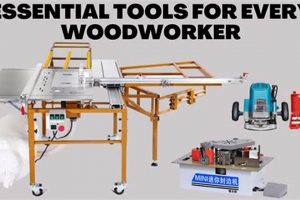
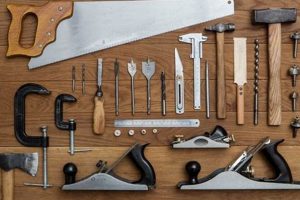
Essential motorized implements significantly enhance the efficiency and precision of shaping wood for various applications. These tools offer substantial advantages compared to manual methods, enabling the completion of projects in less time and with greater accuracy. Examples include devices that cut, shape, join, and finish wood materials.
The advantages derived from employing these instruments encompass improved productivity, consistent results, and the capability to execute intricate designs with relative ease. Historically, the adoption of powered devices marked a pivotal shift in woodworking, transforming it from a largely artisanal craft to a more streamlined and industrialized process. This evolution has democratized woodworking, allowing both professionals and hobbyists to undertake complex projects.
The following discussion will delve into a selection of crucial implements widely recognized for their utility in modern woodworking environments. These instruments are selected based on their versatility, effectiveness, and the fundamental role they play in numerous woodworking tasks.
Guidance on Optimal Power Tool Utilization for Woodworking
The following offers insights to maximize safety, precision, and project success when employing powered implements for shaping wood. Understanding optimal usage is crucial for achieving high-quality results and preventing accidents.
Tip 1: Prioritize Safety Gear: Always wear appropriate safety equipment, including eye protection, hearing protection, and a dust mask or respirator. These items mitigate the risks associated with flying debris, loud noises, and airborne particles generated during woodworking processes.
Tip 2: Select the Correct Blade or Bit: Match the blade or bit to the specific wood type and the intended cut. Using the wrong attachment can result in splintering, tear-out, or even damage to the tool itself. Consult manufacturer guidelines for recommended applications.
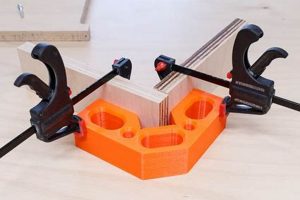
Tip 3: Secure Workpieces Firmly: Clamping or otherwise securing workpieces prevents movement during cutting or shaping operations. Unsecured materials can lead to inaccurate cuts and increase the risk of kickback or other hazardous situations.
Tip 4: Maintain Consistent Speed and Pressure: Apply steady and consistent pressure while guiding the tool along the cut line. Avoid forcing the tool, as this can overload the motor and compromise the quality of the cut. Control the feed rate based on the material’s density and the tool’s capabilities.
Tip 5: Regularly Inspect and Maintain Tools: Check tools for worn or damaged parts before each use. Keep blades sharp and lubricate moving parts as recommended by the manufacturer. Proper maintenance extends the lifespan of the tool and ensures optimal performance.
Tip 6: Practice Proper Cord Management: Ensure power cords are kept clear of the work area to prevent tripping hazards. Employ cord reels or management systems to maintain a safe and organized workspace.
Tip 7: Understand Grain Direction: Pay attention to the wood’s grain direction when planning cuts. Cutting against the grain can result in tear-out or splintering, while cutting with the grain generally produces a cleaner result.
Adhering to these guidelines fosters a safer and more efficient woodworking experience, leading to improved project outcomes and a reduction in potential hazards.
The subsequent sections will build upon these fundamentals, providing more detailed information on specific types of tools and their applications.
1. Versatility

The concept of versatility, as applied to a core set of woodworking implements, denotes the ability of each instrument to perform multiple functions or adapt to a range of project requirements. This adaptability contributes significantly to both cost-effectiveness and space efficiency within a workshop environment. Selecting instruments with broad functionality streamlines workflow and minimizes the need for a large inventory of specialized devices.
- Cutting Capabilities Across Materials
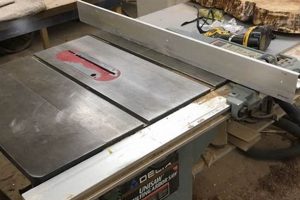
A versatile tool should effectively cut various wood types and thicknesses. A table saw, for example, equipped with appropriate blades, can handle hardwoods, softwoods, and manufactured materials like plywood. This eliminates the necessity for separate tools dedicated to specific material densities or compositions. The ability to switch blades and adjust settings directly impacts the instruments adaptability to different cutting needs.
- Shaping and Profiling Functions
Certain instruments facilitate shaping and profiling, enabling the creation of decorative edges, grooves, or complex contours. Routers, equipped with interchangeable bits, exemplify this functionality. They can perform tasks ranging from simple edge rounding to intricate inlay work. This capability reduces the dependence on specialized shaping tools, making the router a cornerstone of versatility.
- Joinery Applications
Versatility extends to joinery, encompassing the creation of strong and aesthetically pleasing connections between wood components. Some tools, such as biscuit jointers or multi-functional power tools, can be adapted to create various types of joints, including butt joints, miter joints, and more complex configurations. This multi-functional capability streamlines the joinery process, reducing the need for multiple single-purpose tools.
- Sanding and Finishing Integration
Certain power tools, through the use of attachments or modifications, can be adapted for sanding and finishing operations. Orbital sanders, with varying grit levels, exemplify this adaptability. The capability to transition from aggressive material removal to fine surface preparation within a single instrument expands its overall utility. This integrated approach streamlines the finishing process and reduces the need for dedicated sanding equipment.
The facets of cutting, shaping, joinery, and finishing capabilities significantly influence the selection process when curating a core collection of woodworking instruments. Instruments excelling in these areas offer the highest degree of flexibility, making them invaluable additions to any woodworking shop. The value proposition lies in their ability to handle diverse tasks, thus maximizing the return on investment and simplifying the overall workflow.
2. Precision

In woodworking, precision is paramount for achieving aesthetically pleasing and structurally sound outcomes. The utilization of powered instruments significantly impacts the ability to achieve accuracy in cutting, shaping, and joinery. An examination of key facets highlights the relationship between tool capabilities and project exactitude.
- Accurate Cutting Depth and Angle Control
Powered saws, such as table saws and miter saws, allow for precise adjustments of cutting depth and angle. This control is essential for creating accurate dimensions and ensuring that components fit together seamlessly. For example, a miter saw with digital angle readouts enables the creation of precise angles for picture frames or complex joinery. Deviations in cutting depth or angle lead to misaligned joints and compromised structural integrity. A high-quality saw will maintain settings and produce repeatable results.
- Consistent Material Removal
Planers and jointers are designed for consistent material removal, ensuring flat and square surfaces. These instruments are crucial for preparing lumber for use in cabinets, furniture, and other woodworking projects. Inconsistent material removal can result in uneven surfaces and affect the alignment of adjoining parts. A well-tuned planer will provide a uniform thickness across the entire workpiece, minimizing the need for subsequent sanding or shimming. This consistency directly impacts the overall quality and appearance of the finished product.
- Precise Shaping and Detailing
Routers, when used with jigs and templates, allow for the creation of precise shapes and intricate details. This capability is particularly useful for decorative woodworking, such as creating raised panel doors or adding embellishments to furniture. The accuracy of the router depends on the stability of the tool and the precision of the guide system. A router with variable speed control and a secure base allows for precise shaping of edges, grooves, and other decorative elements. Inaccurate shaping compromises the aesthetic appeal of the project.
- Controlled Fastening and Assembly
Drills and impact drivers, equipped with adjustable torque settings, enable controlled fastening of screws and other hardware. This precision is essential for avoiding over-tightening or stripping screw heads, which can weaken joints and damage the wood. An adjustable torque setting allows for precise control over the force applied, ensuring that fasteners are secured properly without compromising the integrity of the surrounding material. Proper fastening is crucial for structural stability and long-term durability.
The ability to achieve precision in each of these areas directly correlates with the quality of the instrument used and the operator’s skill in utilizing it. Investing in high-quality tools and developing proficiency in their use is essential for achieving professional-level results. The facets presented emphasize the crucial connection between instrument capabilities and the overall precision achievable in woodworking projects.
3. Safety

The correlation between safe operational practices and the employment of the premier set of motorized woodworking instruments is undeniable. Mishandling such devices can result in severe physical injury, emphasizing the critical importance of adherence to established safety protocols. Understanding and implementing safety measures mitigates risks associated with high-speed blades, rotating components, and projectile debris inherent in their operation. For example, a circular saw, a common instrument in woodworking, possesses the potential for kickback, an event where the saw abruptly thrusts backward. Correct posture, proper blade selection, and utilization of anti-kickback devices are crucial for preventing this hazardous occurrence. A similar principle applies to routers, where securing the workpiece and employing appropriate safety guards minimize the risk of bit ejection or hand contact.
The inherent power of these implements amplifies the consequences of operational errors. The speed and force generated by motorized devices significantly reduce reaction time, making preventative measures essential. Personal protective equipment, including eye protection, hearing protection, and respiratory masks, constitutes an indispensable component of a safe woodworking environment. Furthermore, regular equipment inspection and maintenance are crucial. Dull blades require greater force, increasing the likelihood of slippage or kickback. Damaged power cords pose electrocution hazards, while malfunctioning safety switches compromise operational control. Neglecting these maintenance aspects significantly elevates the risk of injury.
In summation, operational safety constitutes an integrated element in the effective utilization of the select group of motorized woodworking implements. A thorough comprehension of tool-specific hazards, coupled with diligent implementation of preventative measures, is paramount. Disregard for these principles not only elevates the potential for physical harm but also diminishes the quality and precision of the finished product. Prioritizing operational safety ensures a productive and secure woodworking experience.
4. Efficiency

Operational efficiency in woodworking is directly correlated with the capabilities of the implements used. Certain motorized instruments are recognized for their ability to accelerate project completion while maintaining or improving output quality. The selection and effective utilization of appropriate powered devices contribute substantially to streamlined workflows and reduced labor expenditure.
- Reduced Project Completion Time
Motorized instruments significantly decrease the time required to complete woodworking tasks compared to manual methods. For instance, a power planer removes material at a rate substantially faster than a hand plane, accelerating the process of flattening and smoothing lumber. Similarly, a powered sander can prepare surfaces for finishing much more quickly than hand sanding. The integration of these tools into the workflow allows for a more rapid progression from raw material to finished product. This time reduction translates to increased output and potential cost savings, particularly in production environments.
- Optimized Material Utilization
Precise cutting and shaping capabilities minimize material waste. Instruments such as table saws and miter saws, when used with accuracy, reduce the likelihood of errors that result in unusable material. The consistent performance of these tools allows for more accurate dimensioning of components, leading to tighter fits and reduced gaps. This translates to lower overall material costs and a more sustainable woodworking practice. Optimized material utilization is crucial in resource-constrained environments and promotes responsible consumption.
- Minimized Physical Exertion
Powered devices reduce the physical demands placed on the woodworker, leading to decreased fatigue and improved stamina. Tasks that would be arduous and time-consuming when performed manually, such as routing or mortising, become more manageable with the assistance of motorized implements. This reduction in physical exertion allows the woodworker to maintain focus and precision over extended periods, improving both the quality and consistency of the output. Minimizing physical strain contributes to a safer and more sustainable working environment.
- Enhanced Task Specialization
The availability of specialized instruments allows for the division of labor and the streamlining of specific tasks. For example, a dedicated mortising machine can efficiently create mortises for joinery, while a spindle sander can quickly smooth curved surfaces. This specialization allows the woodworker to focus on specific operations and develop expertise in those areas, leading to increased efficiency and higher-quality results. The strategic allocation of tasks based on tool capabilities optimizes the overall workflow and improves productivity.
The advantages discussed highlight the direct correlation between instrument capabilities and operational efficacy. Strategic implementation of appropriate motorized implements streamlines workflow, minimizes labor expenditure, reduces material waste, and contributes to a safer and more sustainable working environment. Prioritizing efficiency in tool selection leads to increased productivity and improved project outcomes.
5. Durability

The operational lifespan of essential motorized woodworking implements is a critical factor in assessing their long-term value. Tool durability directly impacts the frequency of replacements, maintenance costs, and overall return on investment. Instruments capable of withstanding sustained, heavy-duty use provide a significant advantage, reducing downtime and ensuring consistent performance across numerous projects. For example, a table saw engineered with a robust motor, a solid cast-iron table, and high-quality bearings is less susceptible to wear and tear, maintaining accuracy and power output over extended periods. In contrast, a less durable model may exhibit motor failure, table warping, or bearing degradation, compromising its functionality and necessitating premature replacement. This distinction underscores the importance of durability as a key selection criterion.
Furthermore, the ability of a tool to withstand demanding conditions directly affects productivity. A more durable instrument minimizes interruptions caused by breakdowns or maintenance requirements, allowing for continuous workflow and timely project completion. Consider a router frequently used for edge profiling and joinery. A model constructed with high-quality materials and a reinforced housing will be less prone to damage from accidental impacts or vibration. This resilience translates into reduced downtime and consistent performance, contributing to increased output and improved efficiency. The practical application of this understanding involves careful consideration of tool construction, materials, and manufacturer reputation when making purchasing decisions.
In conclusion, instrument longevity is a significant consideration when selecting essential woodworking implements. Durability minimizes replacement costs, reduces downtime, ensures consistent performance, and enhances overall productivity. While initial acquisition costs may be higher for more robust models, the long-term benefits in terms of reliability and reduced maintenance often outweigh the upfront investment. The challenges associated with evaluating tool longevity can be mitigated by researching manufacturer specifications, reading user reviews, and considering the tool’s intended application and frequency of use. The incorporation of durability as a key evaluation metric ensures a more cost-effective and sustainable approach to woodworking operations.
6. Power
The capacity of essential motorized woodworking implements to perform tasks efficiently is fundamentally tied to their power output. Adequate power ensures that these instruments can effectively cut, shape, and join various wood types and thicknesses without straining the motor or compromising the quality of the work. The following exploration delves into key facets that underscore the connection between power and effective woodworking.
- Motor Strength and Material Capacity
The motor’s strength dictates the tool’s ability to handle demanding materials and tasks. For instance, a table saw with a high-horsepower motor can rip thick hardwoods without bogging down, while a weaker motor may struggle and produce uneven cuts. The power rating directly correlates to the tool’s maximum material capacity and its ability to maintain consistent performance under load. Inadequate motor strength results in reduced efficiency, increased wear and tear, and a higher risk of motor failure. Therefore, matching the motor power to the intended woodworking applications is crucial.
- Torque and Fastening Efficiency
Torque is essential for fastening tasks performed by drills and impact drivers. Higher torque allows these tools to drive screws and other fasteners into dense materials with ease, minimizing the risk of stripping screw heads or damaging the wood. An impact driver with sufficient torque can quickly and efficiently assemble furniture, cabinets, and other woodworking projects. Insufficient torque leads to slower fastening speeds, increased physical effort, and compromised joint strength. The torque rating should align with the size and type of fasteners used in typical woodworking applications.
- Airflow and Heat Management
Power tools generate heat during operation, and efficient airflow is crucial for dissipating this heat and preventing overheating. Overheating can damage the motor, reduce its lifespan, and compromise performance. Tools with well-designed ventilation systems maintain a consistent operating temperature, ensuring reliable performance even under prolonged use. Poor airflow leads to decreased power output, increased risk of motor burnout, and a reduction in the tool’s overall lifespan. Adequate heat management is vital for maintaining power and ensuring tool longevity.
- Voltage and Corded vs. Cordless Performance
Voltage is a key indicator of the potential power output of an electrical instrument. Higher voltage typically translates to greater power and the ability to handle more demanding tasks. Corded instruments generally offer more consistent power output than cordless models, as they are not limited by battery capacity. However, advancements in battery technology have narrowed this gap, with some cordless instruments now offering comparable performance to their corded counterparts. The choice between corded and cordless depends on the specific application and the need for portability versus consistent power. Selecting an instrument with appropriate voltage ensures sufficient power for the task at hand.
These facets illustrate that power is an indispensable characteristic of essential motorized woodworking implements. Adequate motor strength, torque, airflow, and voltage ensure that these tools can perform tasks efficiently, reliably, and safely. Prioritizing instruments with sufficient power output improves productivity, reduces material waste, and extends the tool’s operational lifespan. Power, therefore, is not merely a specification but a foundational element that determines the overall effectiveness of these woodworking tools.
7. Applications

The practical utility of the premier set of motorized implements for shaping wood is defined by the breadth and scope of applications they facilitate. Understanding these applications is fundamental to selecting the appropriate instruments and maximizing their effectiveness in various woodworking projects. Specific devices are more suited to certain tasks, and aligning the tool with its intended purpose is crucial for achieving optimal results.
- Structural Framework and Component Creation
Table saws and miter saws are essential for creating the structural framework of numerous woodworking projects, from building furniture to constructing cabinetry. Their precision cutting capabilities enable the accurate dimensioning of lumber into components such as frame members, panels, and supports. For example, a table saw facilitates the ripping of boards to specific widths for constructing a cabinet frame, while a miter saw allows for precise angle cuts to create a picture frame or a decorative molding. These instruments are indispensable for ensuring structural integrity and dimensional accuracy in finished projects. Inaccurate cuts at this stage can compromise the overall stability and aesthetic appeal of the final product.
- Surface Preparation and Smoothing
Power planers and sanders play a crucial role in surface preparation, ensuring smooth and even surfaces for finishing. Power planers are used to flatten and smooth rough lumber, removing imperfections and creating a uniform thickness. Sanders, ranging from orbital to belt sanders, further refine the surface, removing scratches and preparing it for stain, paint, or varnish. An example includes using a power planer to flatten a warped tabletop before sanding and applying a protective finish. Proper surface preparation is essential for achieving a professional-looking finish and ensuring the longevity of the project. Insufficient surface preparation can result in uneven finishes and a compromised aesthetic.
- Joinery and Fastening
Drills, impact drivers, and routers are critical for joinery and fastening operations. Drills create pilot holes for screws, while impact drivers provide the torque necessary to drive screws securely into the wood. Routers, with various bits, facilitate the creation of joinery elements such as dados, rabbets, and mortises. For instance, a router can be used to create a dado joint for connecting shelves to the sides of a cabinet, or an impact driver can be used to assemble a deck frame. These instruments are essential for creating strong and durable joints that withstand stress and maintain structural integrity. Inadequate joinery techniques can lead to weak joints and premature failure of the project.
- Decorative Detailing and Edge Treatment
Routers are also used for creating decorative details and treating edges, adding aesthetic appeal to woodworking projects. With a variety of bits, routers can shape edges, create moldings, and carve intricate designs into the wood. Examples include using a router to round over the edges of a tabletop or to create decorative fluting on a furniture leg. These techniques enhance the visual appeal of the project and add a touch of craftsmanship. Precise control and a steady hand are essential for achieving clean and professional-looking results in decorative detailing.
The above-mentioned points collectively define the utility of motorized woodworking instruments. These devices enable precision, efficiency, and versatility across a spectrum of woodworking applications. Strategic implementation of appropriate implements streamlines workflow, minimizes labor expenditure, and reduces material waste. When selecting instruments, the assessment of intended application serves as a key driver to facilitate a more cost-effective and sustainable approach to woodworking operations. Therefore, it is crucial to consider the specific project requirements and choose the tools that best align with those needs, maximizing both efficiency and the quality of the finished product.
Frequently Asked Questions
The following addresses common inquiries regarding the selection, utilization, and maintenance of essential motorized woodworking implements. The information provided is intended to offer clarity and guidance to both novice and experienced woodworkers.
Question 1: What criteria should be used to select essential motorized woodworking implements?
Selection criteria should include power, precision, versatility, durability, and safety features. Each implement should possess sufficient power for intended applications, offer precise control for accurate cuts, be adaptable to a variety of tasks, exhibit robust construction for extended lifespan, and incorporate safety mechanisms to mitigate risks.
Question 2: How does one properly maintain powered woodworking implements to ensure longevity?
Proper maintenance involves regular cleaning, lubrication of moving parts, inspection for worn or damaged components, and adherence to manufacturer-recommended maintenance schedules. Dull blades should be sharpened or replaced, and power cords should be inspected for damage. Consistent maintenance prolongs the operational life of the tools and ensures optimal performance.
Question 3: What safety precautions are necessary when operating motorized woodworking implements?
Essential safety precautions include wearing appropriate personal protective equipment, such as eye protection, hearing protection, and a dust mask. Workpieces should be securely clamped, and the operator must maintain a firm grip on the tool. All safety guards should be in place and functioning correctly. Operators should be thoroughly familiar with the tool’s operating manual and safety guidelines.
Question 4: How can precision be maximized when using motorized woodworking implements?
Maximizing precision requires careful attention to tool setup, blade selection, and cutting techniques. Accurate measurements and marking are essential, and the workpiece must be securely positioned. Slow, controlled cuts are preferable to rushing, and the operator should avoid forcing the tool. Practice on scrap material is recommended to develop proficiency before working on critical projects.
Question 5: What are the key differences between corded and cordless powered woodworking implements?
Corded implements offer consistent power and unlimited runtime, but their mobility is restricted by the power cord. Cordless implements provide greater portability but are limited by battery capacity. Advancements in battery technology have narrowed the performance gap, but corded implements generally remain more powerful and reliable for heavy-duty applications. The choice between corded and cordless depends on the specific requirements of the woodworking task and the operator’s preference.
Question 6: How can efficiency be improved when using motorized woodworking implements?
Efficiency can be improved by optimizing workflow, utilizing appropriate jigs and fixtures, and maintaining sharp blades. Planning projects carefully and organizing materials reduces wasted time and effort. Sharp blades minimize cutting resistance and improve the quality of the cut. Proper tool selection and maintenance contribute to a more efficient and productive woodworking environment.
Prioritizing safety, maintenance, and technique refinement enhances woodworking endeavors. Applying this information helps ensure project success and long-term value.
The discussion will transition to explore the future trends in woodworking tools.
Conclusion
The preceding exploration of essential motorized implements for shaping wood has underscored the importance of selecting tools based on versatility, precision, safety, efficiency, durability, and power. Optimal utilization requires strict adherence to safety protocols, diligent maintenance practices, and a thorough understanding of each tool’s capabilities. The strategic application of these tools significantly enhances project outcomes, reduces material waste, and improves overall productivity in woodworking operations. A foundational understanding of these elements directly contributes to higher-quality craftsmanship and safer working environments.
Continuing advancements in technology and design will further refine these instruments, expanding their capabilities and increasing their accessibility. Prioritizing ongoing education and skill development will ensure that woodworkers can effectively harness these improvements to create exceptional results and advance the craft. The continuous evolution in “top 5 power tools for woodworking” marks a path forward for both professionals and hobbyists in the world of woodworking.